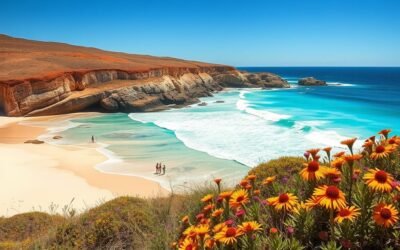
For most travellers, the best time to visit Mataranka in the Northern Territory is from May to September, when conditions are usually drier, humidity is lower, and exploring Elsey National Park is more comfortable. October can still work, but heat and humidity often build as the wet season approaches. The wetter months offer greener scenery and fewer visitors, but you need more flexibility because storms, flooding and temporary closures can affect your plans.
Quick Answer
Visit Mataranka between May and September for the best balance of dry weather, lower humidity and reliable access. May and September are especially useful if you want pleasant conditions with fewer peak-season visitors. November to April is hotter and wetter, with a greater chance of flooding, storms and temporary park closures.
Key Takeaways
- Best overall: May to September for drier weather and comfortable outdoor conditions.
- Best balance: May and September can offer good weather without the strongest mid-year demand.
- For greener scenery: November to April brings wetter, more humid conditions and dramatic tropical weather.
- Thermal-water temperature: Bitter Springs and Mataranka Thermal Pool stay at about 34°C year-round.
- Check before leaving: Flooding, crocodile surveys, fire, maintenance or other safety issues can temporarily close roads, walks or swimming areas in any season.
Mataranka Weather by Season
Mataranka has a strongly seasonal tropical climate. The broader Roper River region receives most of its surface-water flow during the northern wet season from November to April, while the middle of the year is much drier. The transition into the wet season can also become noticeably hotter and more humid before consistent rain arrives.
The Dry Season and Main Travel Period (May to October)
May to October is the most popular travel window recommended by Tourism Northern Territory. For many visitors, May through September provides the easiest combination of dry conditions, lower humidity and comfortable sightseeing.
Temperatures and Humidity
Days remain warm even during the dry season, so Mataranka should not be treated like a cool-weather destination. Nights and mornings are generally more comfortable in the middle of the year, while daytime humidity is much easier to handle than during the wet season. By September and especially October, daytime heat tends to build again as the region moves toward the wet season.
Rainfall and Water Conditions
Rainfall is much less frequent through the main dry-season months, which normally makes road trips, walking and outdoor sightseeing easier to plan. However, dry-season rain is still possible, and river and spring flows should not be described as completely stable.
The major thermal attractions are much more consistent in temperature than they are in water level or access. According to NT Parks and Wildlife, the thermal water at Bitter Springs and Mataranka Thermal Pool remains around 34°C year-round.
Mataranka’s thermal waters stay at about 34°C throughout the year, so your choice of month is more about air temperature, rainfall, crowds and access than the warmth of the springs.
Benefits of the Dry Season
- Lower humidity: Walking and sightseeing are generally more comfortable.
- Less rain: Outdoor plans are less likely to be disrupted by tropical downpours.
- More reliable road access: Flood-related disruptions are generally less likely than during the wet season.
- Comfortable camping: Cooler nights can make camping more enjoyable.
- Good conditions for exploring: Walks, historical sites, fishing areas and picnic locations are easier to include in a flexible itinerary.
Note: Dry season does not guarantee that every attraction will be open. Elsey National Park sites can close temporarily because of crocodile surveys, fire, maintenance, flooding or other safety issues. Check the official Elsey National Park status page before you travel.
The Wet Season (November to April)
The wet season brings a very different version of Mataranka. The landscape becomes greener, humidity rises and tropical rainfall can rapidly change river levels and road conditions.
Temperatures and Humidity
Expect hot, humid conditions during the wetter part of the year. The combination of high temperatures and moisture can make walking and sightseeing more tiring than the thermometer alone suggests. If you visit at this time, plan demanding outdoor activities for earlier in the day and carry plenty of drinking water.
Rainfall and Storms
Wet-season rainfall can arrive as intense tropical showers and thunderstorms. Some days may include long dry breaks, while major weather systems can produce prolonged rain. Lightning, flash flooding and rapidly changing conditions are more important planning concerns than simply whether rain is forecast.
Water Levels and Road Closures
Wet-season rainfall drives much of the Roper River’s annual surface-water flow. Heavy rain can raise waterways and flood low-lying areas, while unsealed roads can become restricted or impassable.
Before driving around Mataranka or deeper into the region, check the Northern Territory Road Report. It provides current information on government-controlled road closures, flooding, damage, restrictions and other hazards.
Warning: Only swim where an official swimming area is open. NT Parks permits swimming at designated areas at Bitter Springs and Mataranka Thermal Pool, but says there is no swimming or canoeing in the Roper or Waterhouse rivers. Never assume a natural waterway is safe from crocodiles, strong currents or flooding.
Benefits of the Wet Season
- Greener scenery: Rain transforms the surrounding landscape.
- Dramatic weather: Tropical clouds and storms can create striking scenery for photography when conditions are safe.
- Fewer visitors: Popular sites can feel quieter outside the main dry-season travel period.
- A different landscape: Travellers who have already experienced the dry season can see how dramatically water changes the region.
The trade-off is flexibility. You should be prepared to alter your route, skip a walk or swimming area, or change the timing of an activity if weather or park management conditions require it.
Best Months to Visit Mataranka at a Glance
| Period | What to Expect | Best For |
| May | Transition into reliably drier conditions with generally comfortable outdoor weather. | Good overall balance. |
| June-August | Dry conditions, cooler nights and the strongest visitor demand. | First-time visitors, camping and outdoor sightseeing. |
| September | Usually still dry, but temperatures begin climbing. | Good weather with potentially less peak-period pressure. |
| October | Hotter build-up conditions can develop before the wet season is fully established. | Travellers comfortable with higher heat. |
| November-April | Hotter, wetter and more humid, with a greater chance of storms, flooding and access changes. | Green scenery, fewer visitors and flexible travellers. |
Crowds and Popularity: When to Expect Company
Mataranka is a well-known stop in the Katherine region, particularly because of Bitter Springs and Mataranka Thermal Pool. Visitor numbers rise during the main dry-season touring period, but the experience is still very different from a large urban attraction.
Peak Season (June to August)
June through August combines Australia’s winter travel period with Mataranka’s most comfortable outdoor conditions. That makes these months a natural high-demand period for road trippers, caravan travellers and campers.
Higher Visitor Numbers
Expect more people at Mataranka Thermal Pool, Bitter Springs and nearby accommodation. Popular swimming areas can feel noticeably busier around the middle of the day, and preferred campsites or cabins may have less last-minute availability.
Booking Ahead
If your dates are fixed, reserve commercial accommodation early rather than assuming you can arrive and choose from several options. This matters most if you need a particular cabin type, powered site or family room.
Shoulder Seasons (May and September-October)
These months can offer a useful compromise, but May and October should not be treated as identical. May generally moves into cooler, drier conditions, while September and October become progressively hotter as the wet-season build-up approaches.
Gradual Increase or Decrease in Visitors
May can become busier as the dry-season road-trip period begins. Visitor pressure commonly eases again after the core winter months, although individual weekends, events and school-holiday dates can still be busy.
Still Advisable to Book
You may have more flexibility than in the middle of winter, but advance reservations remain sensible if your itinerary depends on a particular place to stay.
Pro Tip: If you mainly want to swim, visit popular pools early in the day. You will often avoid some of the midday visitor traffic while also spending less time outdoors during the hottest part of the afternoon.
Low Season (November to April)
The wet season is normally the quietest period for leisure travel around Mataranka.
Significantly Fewer Crowds
If you value space and do not mind tropical heat, humidity and uncertain weather, the quieter months can be rewarding. You may find fewer people at open attractions, especially outside holiday periods.
Limited Services
Low visitor numbers can also mean reduced operating schedules for some privately run tourism businesses. Do not assume every tour, restaurant or seasonal service operates on the same schedule year-round. Check directly before building your itinerary around a commercial activity.
Cost Considerations: Making Your Budget Stretch
Your Mataranka budget depends on more than the season. Accommodation demand, fuel prices, rental-car inventory, how early you book and your wider Northern Territory itinerary can all change the final cost.
Dry Season Pricing (May to October)
Demand is stronger during the main touring season, so popular accommodation can sell out earlier and your choice of lower-priced rooms or sites may shrink as travel dates approach. However, there is no reliable rule that every hotel, vehicle or tour will always be most expensive in these months.
Accommodation
Compare caravan parks, cabins, motels and other accommodation for your exact dates. Booking earlier gives you a better chance of choosing the property and room type that matches your budget rather than simply accepting what remains available.
Tours and Activities
Commercial tour prices and operating schedules vary by provider. Check current availability instead of relying on a general seasonal-price assumption.
Flights and Car Hire
If Mataranka is part of a larger trip involving flights to Darwin or Katherine-region car hire, compare several travel dates. Airfares and rental rates respond to demand and inventory and can change substantially even within the same season.
Wet Season Pricing (November to April)
Lower visitor demand can sometimes produce better accommodation or transport deals, but savings are not guaranteed. A low advertised price also has less value if weather or access restrictions prevent you from doing the activities you planned.
Accommodation
Check flexible or refundable booking options where possible. Flexibility is more valuable during a period when heavy rainfall can change road and park conditions.
Tours and Activities
Some activities may run less frequently during quieter months. Confirm both the price and the operating schedule before paying for accommodation specifically to join a particular tour.
Flights and Car Hire
Compare live fares rather than assuming the wet season automatically means cheaper transport. Also check rental conditions if your itinerary includes unsealed roads, because vehicle restrictions can affect where you are permitted to drive.
NT Parks Visitor Pass Costs
Elsey National Park requires a Northern Territory Parks Visitor Pass for visitors who are not NT residents. As currently published by the NT Government, an adult pass costs AUD $10 for one day, $20 for three days, $30 for two weeks, $45 for one month or $60 annually. Child, family and eligible concession rates are also available. NT residents do not need the visitor pass but may be asked for proof of residency.
Camping and certain other park activities can carry separate charges, so check the official booking system and current fees when you finalise your trip.
Swimming, Walking and Outdoor Safety
Mataranka’s springs are a major reason to visit, but tropical water safety requires more care than simply finding an inviting-looking waterway.
Where You Can Swim
In Elsey National Park, the designated swimming locations are Bitter Springs and Mataranka Thermal Pool. NT Parks says these areas are generally available for swimming throughout the year except during extreme flooding, but temporary closures can also occur for safety management.
Only enter the water when the official swimming area is signed as open. Rangers monitor conditions, including water quality, flow and crocodile risk.
Where You Should Not Swim
NT Parks states that there is no swimming or canoeing in the Roper and Waterhouse rivers. Boating and fishing are established activities in parts of Elsey National Park, but that does not make the rivers approved swimming areas.
Heat and Storm Safety
Walking tracks can be exposed, and heat can become extreme. Carry drinking water, wear sun protection and choose a walk that suits your fitness. During wet-season storms, avoid exposed areas and do not enter flooded roads or waterways.
For the latest forecast before an outdoor day, check the Bureau of Meteorology’s Mataranka forecast.
Deciding Your Ideal Time: A Summary
Your ideal month depends on whether you value comfortable weather, lighter crowds, greener scenery or lower potential travel costs most.
For Classic Comfort and Easy Access: May to September
Choose May through September if your main priorities are lower humidity, generally dry weather and the most reliable conditions for swimming, walking and road travel. June through August are especially popular, so book important accommodation earlier.
For a Balance of Comfort and Fewer Crowds: May or September
May and September are strong choices if you want to stay close to the main dry-season weather pattern without automatically choosing the busiest winter weeks. September is warmer than June or July, so travellers who dislike heat may prefer May.
For Hotter Weather and the End of the Dry: October
October can still suit experienced tropical travellers, but do not choose it simply because it is often grouped with the dry-season travel window. Heat and humidity build toward the wet season, making strenuous daytime activities less comfortable.
For Unique Experiences and Solitude: November to April
If you are comfortable with tropical heat, humidity and changing conditions, the wet season offers a greener landscape and fewer visitors. Keep your itinerary flexible, monitor weather and roads, and verify that each park site or commercial activity is operating before you travel.
Mataranka is rewarding in more than one season, but May through September is the easiest recommendation for a first visit. Whatever month you choose, check current weather, road conditions and Elsey National Park closures shortly before departure rather than assuming seasonal patterns guarantee access.
Frequently Asked Questions
What is the best time to visit Mataranka for good weather?
May to September is the best overall period for most visitors. Conditions are generally drier and less humid than during the wet season, making swimming, walking, camping and road travel easier to plan.
When is peak tourist season in Mataranka?
The main visitor period is during the dry season, with particularly strong demand around June through August. Accommodation and popular swimming areas can be busier during these months.
Can you swim at Mataranka Thermal Pool and Bitter Springs all year?
They are generally designated for swimming year-round except during extreme flooding, but temporary closures can occur for crocodile surveys, maintenance or other safety reasons. Always check the current Elsey National Park status and only swim when the area is officially open.
How warm are the thermal springs at Mataranka?
NT Parks states that the thermal water at Bitter Springs and Mataranka Thermal Pool stays at about 34°C throughout the year.
What is Mataranka like during the wet season?
November to April is hotter, wetter and more humid. The landscape becomes greener and visitor numbers are usually lower, but heavy rain can cause flooding, road restrictions and temporary park closures.
Is the wet season cheaper for visiting Mataranka?
It can be, because visitor demand is lower, but cheaper accommodation, flights or rental vehicles are not guaranteed. Compare live prices for your dates and consider flexible bookings because weather can change your plans.
What are popular things to do in Mataranka?
Popular activities include swimming at Mataranka Thermal Pool and Bitter Springs when open, exploring Elsey National Park’s walking and historical sites, camping, fishing and boating in approved areas along the Roper River. Never treat the Roper River itself as an approved swimming area.
Sources
- NT Government — Elsey National Park — thermal-pool temperature, attractions, boating, fishing, camping and visitor-pass requirement.
- NT Government — Swimming in Parks — designated swimming areas, seasonal availability and water-safety rules.
- NT Government — Elsey National Park Current Status — live road, swimming, walking and site closures.
- Northern Territory Road Report — current road closures, flooding, damage and restrictions.
- NT Government — Parks Visitor Pass — current visitor-pass requirements and published fees.
- Bureau of Meteorology — Mataranka Forecast — current temperature, rain, storm and UV information.