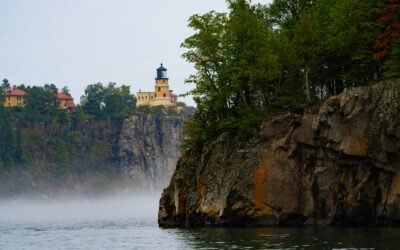
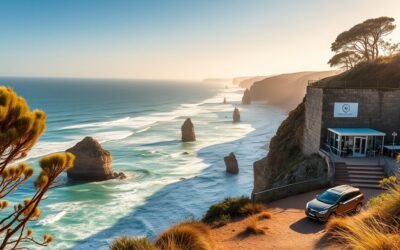
Choosing the best time to visit Zigana, Gümüşhane depends on whether you want green mountain scenery, colorful autumn forests, or snow-covered ski slopes. This mountain destination in northeastern Turkey offers a different experience in every season. However, its high elevation means the weather can be much colder than in the surrounding towns.
Before choosing your travel dates, consider which activities matter most. Hiking, sightseeing, photography, skiing, and peaceful mountain retreats each have their own ideal season.
Quick Answer
The best time to visit Zigana, Gümüşhane is generally June or September for comfortable sightseeing, hiking, and mountain scenery. July and August offer the most reliable summer access but attract more visitors. May brings fresh greenery and rain, while October offers autumn colors with colder weather. For skiing, consider January or February, depending on snowfall.
Last checked: October 23, 2026. Key climate figures, infrastructure details, and specified holiday dates were verified against official sources.
Key Takeaways
- Spring: April and May bring emerging greenery, wildflowers, and fewer visitors, but high trails may remain snowy.
- Summer: June through August is the main season for highland outings, picnics, and outdoor exploration.
- Autumn: September is excellent for hiking, while October and November bring colorful forests and a rising chance of frost or snow.
- Winter: December through March is best for snowy landscapes and possible skiing, with January and February generally offering stronger winter conditions.
- Access matters: The new Zigana Tunnel makes regional travel easier, but the old scenic pass and mountain side roads still require separate access.
Best Time to Visit Zigana, Gümüşhane: Monthly Weather and Travel Conditions
June through September offers the most dependable period for exploring Zigana’s higher mountain areas. The best individual month depends on your priorities: June for greenery, July and August for summer activities, and September for quieter trails.
The official Turkish State Meteorological Service’s Gümüşhane climate records provide monthly temperature averages for the 1961–2025 observation period.
Important: These figures describe Gümüşhane city, not Zigana Pass. The pass is much higher, so its actual temperatures, snow conditions, wind, and visibility can differ significantly. Use the city figures to understand seasonal patterns, not as a forecast for the mountain.
| Month | Gümüşhane City Average High / Low | Typical Visitor Activity | Best For |
|---|---|---|---|
| January | 3.1°C / -5.3°C | Seasonal ski visitors; busy snow weekends | Skiing and snow photography |
| February | 5.4°C / -4.8°C | Seasonal ski visitors | Winter sports and snowy scenery |
| March | 10.0°C / -1.0°C | Generally light outside ski areas | Late-season snow activities |
| April | 16.4°C / 3.8°C | Usually light | Spring photography in lower areas |
| May | 21.2°C / 7.6°C | Light to moderate | Green landscapes and wildflowers |
| June | 25.2°C / 10.9°C | Moderate, increasing later | Hiking and highland trips |
| July | 28.3°C / 13.9°C | Higher summer activity | Outdoor adventures and festivals |
| August | 29.1°C / 14.0°C | Higher summer activity | Highland culture and picnics |
| September | 25.5°C / 10.3°C | Moderate to light | Quieter hiking and photography |
| October | 19.0°C / 6.0°C | Usually light except holidays | Autumn foliage and scenic drives |
| November | 10.9°C / 1.0°C | Generally light | Late-autumn and early snow scenes |
| December | 5.0°C / -2.9°C | Snow visitors increase after snowfall | Early winter scenery and possible skiing |
The visitor activity descriptions are seasonal planning estimates, not official visitor counts. Conditions and crowd levels can vary with snowfall, weekends, public holidays, and local events.
May is particularly green but can also be wet. Official Gümüşhane city records show average monthly rainfall of 69.6 mm in May, compared with 14.7 mm in July and 13.5 mm in August. These figures help explain why summer is often easier for planning outdoor activities.
Spring in Zigana (April–June): Green Scenery and Growing Access
Spring is ideal for watching Zigana’s forests and mountain pastures return to life. However, the difference between the lower valleys and higher trails can be dramatic, especially in April and early May.
April: Quiet Landscapes and Lingering Snow
April marks the transition from winter to spring. Lower areas begin turning green, while higher sections of Zigana may still be covered in snow.
Weather: Expect cool mountain air, rain, fog, and possible snowfall at higher elevations. Even if nearby towns feel mild, exposed trails can remain icy or muddy.
Crowds and costs: Visitor numbers are generally low outside holiday periods. Accommodation may offer better value than summer, although some seasonal properties may not yet be operating.
Best activities: Photograph melting snow, explore accessible lower routes, and enjoy the quiet forest scenery. Avoid assuming that all highland roads and trails have reopened.
May: Wildflowers, Fresh Greenery, and Spring Rain
May is one of the prettiest months for Zigana’s emerging greenery. Forests and pastures become more colorful, making it appealing for nature photography and birdwatching.
Weather: Temperatures rise, but rain remains an important consideration. Snow can linger in shaded or high-altitude locations, so access to some trails may still be restricted.
Crowds and costs: Activity begins to increase, especially during weekends and national holidays. Prices may rise slightly compared with early spring, but they are not automatically cheaper than every summer date.
Best activities: Short nature walks, spring photography, and visits to accessible villages. Limni Lake becomes more attractive as its access roads clear.
For travelers who enjoy lush scenery more than long hikes, late May can be rewarding. Just allow flexibility for wet weather.
June: One of the Best Months for Hiking
June offers an excellent balance of greenery, longer daylight hours, and improving access to higher elevations. For many first-time visitors, it is one of the strongest choices.
Weather: Conditions are generally milder than in spring, although afternoon showers, cloud, and wind remain possible. Pack an extra layer for exposed viewpoints.
Crowds and costs: Visitor numbers are usually manageable early in the month. Accommodation demand may increase as the summer holiday period approaches.
Best activities: Hiking, trekking, picnicking, birdwatching, and exploring highland pastures known locally as yaylas.
June is also a good time to visit Limni Gölü Tabiat Parkı, where forest paths and lake views are major attractions.
Summer in Zigana (July–August): Outdoor Adventures and Highland Festivals
July and August provide the most dependable summer conditions for mountain trips. Roads are generally more accessible, outdoor recreation is popular, and local highland culture becomes more visible.
These months also attract families, weekend visitors, and travelers escaping warmer lowland areas. If you enjoy a lively atmosphere, summer may be your preferred season.
July: Hiking, Highland Pastures, and Festivals
July is a strong choice for exploring Zigana’s higher areas and spending long days outdoors. It is usually one of the drier months in Gümüşhane city, although mountain weather can still change quickly.
Weather: Expect comparatively warm days in sheltered areas and cooler conditions at exposed elevations. Sunshine can be strong, especially during midday hikes.
Crowds and costs: Summer visitor activity is high, particularly on weekends and around popular recreation areas. Book preferred lodging earlier if your dates are fixed.
Best activities: Longer hikes, mountain biking on suitable routes, camping where permitted, and exploring traditional yaylas.
July also brings highland festivals in the wider Gümüşhane region. One well-known example is Kadırga Yayla Şenliği, a traditional gathering with local music and horon dancing. The Gümüşhane Governor’s Office documented the Kadırga celebration on July 17, 2026.
Kadırga is a separate highland destination rather than an attraction inside Zigana Pass. Festival schedules change from year to year, so its 2026 date should not be assumed for later visits.
August: Summer Recreation and Traditional Highland Life
August continues the main summer travel season. It is especially suitable for travelers who want to combine mountain scenery with local culture and relaxed outdoor activities.
Weather: Days are often pleasantly warm in sunny locations, with cooler evenings in the mountains. Sudden showers and fog are still possible.
Crowds and costs: Popular picnic spots, accommodation, and recreation areas can remain busy. Summer demand may keep prices higher than during quieter months.
Best activities: Picnics, scenic drives, landscape photography, village visits, and exploring the traditional pastoral lifestyle.
Highland gatherings and regional festivals can also take place in August. Visitors may encounter local music, folk dances, livestock traditions, and food events in the wider region.
For camping, choose an authorized site rather than an unmarked spot in the forest. Follow local fire restrictions and leave the area clean.
Autumn in Zigana (September–November): Colorful Forests and Quieter Visits
Autumn is a wonderful season for travelers who enjoy photography and peaceful scenery. The green mountain landscape gradually changes to yellow, orange, red, and brown.
September usually offers the best balance of autumn atmosphere and outdoor access. October and November become colder, making flexible plans more important.
September: Pleasant Hiking and the Start of Autumn Colors
September is one of the best months for exploring Zigana without the busiest summer atmosphere. It is particularly appealing for hiking, scenic drives, and photography.
Weather: Conditions often remain comfortable for daytime activity, although nights become cooler. Early autumn colors may appear in some locations, with stronger foliage changes developing later.
Crowds and costs: Visitor activity generally decreases after summer school holidays. Midweek accommodation may offer better availability and value.
Best activities: Hiking around accessible forest areas, photographing the changing scenery, and taking relaxed drives through the mountains.
September is also a good choice for travelers who want to visit Limni Lake before colder mountain conditions return.
October: Autumn Foliage and Crisp Mountain Air
October can be one of Zigana’s most beautiful months for forest photography. Colorful trees contrast with the surrounding mountains, and early snow may appear on higher peaks.
Weather: Expect colder mornings, more changeable conditions, and a growing risk of frost or snow. Shorter daylight hours reduce the time available for outdoor exploration.
Crowds and costs: The area is generally quieter than in summer, although national holidays and weekends can bring short bursts of activity.
Best activities: Autumn photography, short walks on clear days, scenic drives, and enjoying local food in nearby towns.
Some seasonal restaurants and mountain accommodations may begin reducing their services during October.
November: Early Winter Conditions and Quiet Mountain Scenery
November is a transition month when winter conditions become more common in Zigana. Forests lose much of their autumn foliage, and snow may begin accumulating at higher elevations.
Weather: Cold temperatures, frost, rain, fog, and snowfall can affect travel. Conditions may be quite different from those in the nearby valleys.
Crowds and costs: General sightseeing demand is often low. However, limited seasonal accommodation may reduce your choices.
Best activities: Snow photography when conditions permit, visiting accessible mountain viewpoints, and enjoying quieter local experiences.
November is less suitable for ambitious high-altitude hiking. It is better for a flexible scenic trip than for a fixed outdoor itinerary.
Winter in Zigana (December–March): Skiing and Snow-Covered Mountains
Winter transforms Zigana into a destination for snow scenery and winter recreation. Its mountains receive significant snowfall, making them attractive for skiing, sledding, and photography.
The official Gümüşhane tourism office’s Zigana Winter Sports Tourism Center information describes ski areas between 1,900 and 2,500 meters and a traditional season running from December into April.
These dates describe the general winter season, not guaranteed lift operation. Actual skiing depends on snowfall, slope preparation, equipment, and resort operations.
December: The Beginning of Winter Recreation
December often brings the first major period of winter tourism. The mountain scenery can become beautifully snowy, although skiing may not begin immediately.
Weather: Expect freezing temperatures, snow, icy surfaces, and occasional poor visibility at higher elevations.
Crowds and costs: Snowy weekends and holiday travel can increase demand near ski facilities. Accommodation pricing depends on whether winter operations have started.
Best activities: Snow photography, winter sightseeing, and skiing or snowboarding once the resort opens.
If you are planning a December ski trip, avoid relying on an assumed opening date. Early-season snow cover can vary.
January: The Heart of the Snow Season
January is generally one of the strongest months for travelers seeking a winter mountain experience. Persistent cold helps maintain snow in high areas.
Weather: Temperatures can remain below freezing for long periods, especially at the pass and ski slopes. Wind and snowstorms may interrupt outdoor activities.
Crowds and costs: Ski areas can become busy during weekends and school holidays. Winter accommodation close to the slopes may cost more than ordinary off-season lodging.
Best activities: Skiing, snowboarding, sledding in designated areas, and photographing snow-covered forests.
Choose January if experiencing winter conditions matters more than easy sightseeing access.
February: Snow Sports and Dramatic Winter Landscapes
February usually continues the main winter period. It can offer excellent snow scenery and opportunities for winter sports when conditions are suitable.
Weather: Freezing temperatures, deep snow, and strong winds remain possible. Visibility can change quickly during mountain storms.
Crowds and costs: Visitor demand varies around school breaks and popular snow weekends. The ski area may be busy even while nearby villages remain quiet.
Best activities: Skiing, snowboarding, supervised snow recreation, and sunrise or sunset photography from accessible locations.
February is a reasonable alternative to January for a dedicated winter trip, provided the resort is operating.
March: Late-Season Skiing and the Return of Spring
March brings a mix of winter conditions in the mountains and early spring changes in lower valleys. Snow may remain substantial at higher elevations.
Weather: Expect cold mornings, variable snow conditions, and periods of melting or refreezing. Fresh snowfall is still possible.
Crowds and costs: Winter demand may decline as the season progresses, although holidays and favorable snow conditions can still attract visitors.
Best activities: Late-season skiing when lifts operate, snow photography, and exploring lower areas as they become accessible.
March is not a dependable month for summer-style hiking around the higher parts of Zigana.
Where to Go in Zigana During Different Seasons
Choosing the right attraction matters as much as choosing the right month. Zigana Pass, Limni Lake, and the ski center offer different experiences and may have different access conditions.
Zigana Pass and the Historic Mountain Road
Zigana Pass reaches approximately 2,032 meters above sea level. The historic road offers mountain viewpoints, forest scenery, and a connection to the region’s old travel routes.
The most convenient period for a scenic visit is generally June through September. October can be especially rewarding for autumn photography, provided road and weather conditions are favorable.
Roadside mountain viewpoints are generally accessible without an attraction ticket where stopping is permitted. Never park on narrow bends, block traffic, or enter closed sections of road.
Limni Gölü Tabiat Parkı: Lake, Forests, and Nature Walks
Limni Gölü Tabiat Parkı is one of the most attractive natural places near Zigana. It is located in Torul district and includes a mountain lake surrounded by forest.
According to the Ministry of Agriculture and Forestry’s official nature park information, the protected area covers 72 hectares. The park’s landscape includes Scots pine, spruce, fir, woodland, and mountain meadows.
The ministry identifies June through September as the most suitable period for human activities within the park.
- May: Attractive for spring greenery when access is available, but rain and lingering snow are possible.
- June: Excellent for forest walks, picnics, and photographing the lake.
- July and August: Suitable for family outings and longer outdoor visits, with more summer activity.
- September: A strong choice for quieter nature walks and early autumn scenery.
- October: Good for colorful forest photography when roads and facilities remain accessible.
- Winter: Access may be difficult or restricted by snow and ice.
The park is a developed recreation area rather than an unrestricted wilderness campsite. Entrance charges, accommodation, food services, and camping arrangements can involve separate fees.
Zigana Ski Center: Snow Recreation and Winter Sports
Zigana Ski Center is the main winter sports attraction in the area. Its forested mountain setting is particularly appealing after fresh snowfall.
January and February are generally the safest seasonal choices for planning a snow-focused trip, although neither month guarantees skiing.
Beginners and families may enjoy designated ski and sledding areas. More experienced winter sports visitors should confirm that the terrain and operating facilities suit their abilities.
Snowshoeing and cross-country activities may be possible in suitable conditions, but they should not be treated as maintained or supervised routes unless an operator specifically provides them.
How to Reach Zigana and Avoid Road Problems
Zigana lies between Trabzon and Gümüşhane, making it a possible stop on a wider northeastern Turkey trip. However, the main road tunnel and the scenic mountain pass are not the same route.
The New Zigana Tunnel Versus the Old Pass Road
The Turkish General Directorate of Highways’ New Zigana Tunnel project confirms that the new tunnel opened on May 3, 2023.
The twin-tube road tunnel is approximately 14.5 kilometers long. Its opening shortened the regional road route by approximately 8 kilometers and improved winter travel between Trabzon and Gümüşhane.
The key difference: The new tunnel is designed for through-traffic, while the older mountain route provides access to historic pass scenery. Passing through the new tunnel does not automatically take you to the high pass viewpoints.
Pro Tip: If your main goal is Zigana Pass photography, plan the scenic road as a separate stop. A navigation app may choose the faster new tunnel instead, leaving you without the mountain views you expected.
Winter Driving and Mountain Road Safety
Winter driving requires extra care because high-altitude side roads may become icy or snow-covered even when the main highway is operating normally.
Warning: Heavy snow, ice, fog, and strong winds can make the old Zigana Pass road and smaller mountain roads unsafe. Use appropriate winter tires, carry chains when required, and never enter a closed road or attempt an unfamiliar snowy trail without suitable preparation.
The Turkish General Directorate of Highways publishes an official list of road closures. Check the applicable route before departure, especially when planning visits outside the main summer season.
When Is Zigana Cheapest and Least Crowded?
April, May, October, and November are generally promising months for travelers seeking lower demand and quieter surroundings. However, the cheapest dates depend on which accommodations are open and whether holidays or local events affect demand.
Winter should not automatically be considered the low season. Snowy weekends can attract substantial numbers of visitors to the ski area.
| Travel Period | Expected Demand | Budget Advice |
|---|---|---|
| April–May | Usually low to moderate | Consider lower-elevation accommodation if mountain facilities remain closed. |
| June | Moderate | Early June may offer a favorable balance of access and availability. |
| July–August | Higher summer demand | Reserve preferred accommodation early, especially around weekends and festivals. |
| September–November | Generally decreasing demand | Look for flexible bookings because seasonal services and weather may change. |
| December–March | Variable; concentrated around ski days | Compare ski-area lodging with options in nearby towns. |
There is no verified, fixed seasonal accommodation price that applies across Zigana. Rates depend on the property, booking date, holidays, and whether a resort is operating.
Which Holidays Can Make Zigana Busier?
Turkish national holidays, school breaks, and highland festivals can increase local travel, even during otherwise quiet months.
For example, the official 2026 public holiday calendar lists Republic Day on October 29, 2026, with the holiday beginning on the afternoon of October 28.
The Ministry of National Education’s 2026–2027 school calendar also identifies these periods:
- November 16–20, 2026: First-term school break.
- January 25–February 5, 2027: Winter semester break.
- March 8–12, 2027: Second-term school break.
- June 25, 2027: End of the school year.
The January–February break is particularly relevant for a ski trip. Summer holidays and regional festivals can also increase demand, but they do not create the same crowd levels at every location.
Practical Tips for Planning Your Zigana Trip
A successful trip depends on matching your activities to the season, choosing suitable transport, and preparing for mountain conditions. A few practical decisions can make your visit much easier.
Choose the Right Accommodation Location
Staying near Zigana’s mountain recreation areas can be convenient for hiking or skiing. However, highland lodging may be limited outside its operating season.
Trabzon, Torul, and Gümüşhane offer other accommodation possibilities, depending on your wider route. Staying in a town can also make it easier to change plans when mountain weather is poor.
Pack for Changing Mountain Weather
Mountain temperatures can fall quickly after sunset, even during summer. Wind, fog, and rain can also make exposed locations feel colder.
- Spring: Waterproof jacket, hiking shoes, warm layers, and a spare pair of socks.
- Summer: Comfortable walking shoes, sun protection, drinking water, a light rain jacket, and an extra layer.
- Autumn: Windproof clothing, waterproof footwear, gloves for colder days, and warm layers.
- Winter: Thermal clothing, insulated waterproof boots, heavy outerwear, a hat, gloves, and suitable snow equipment.
Prepare for the Elevation
Zigana Pass sits at approximately 2,032 meters above sea level. The thinner air may make strenuous activity feel harder for visitors who usually live at much lower elevations.
Begin with an easy walk, drink enough water, and avoid pushing yourself too hard immediately after arrival. Travelers with medical conditions affected by altitude or exertion should seek appropriate medical advice before demanding hikes.
Plan Activities Around Actual Access
Hiking, birdwatching, and photography are often possible without organized tours in publicly accessible areas. However, long treks, mountain biking, camping, and winter sports require more planning.
Use established trails and designated recreation areas. Local operators should confirm the availability of specialized activities such as paragliding, rafting in the wider region, or guided snow excursions.
These activities should not be assumed to operate directly at Zigana Pass throughout the year.
Experience Local Food and Highland Culture
Allow time to enjoy the local character of Gümüşhane rather than visiting Zigana only for a quick photograph.
Traditional foods such as pestil, köme, and regional meat dishes can add variety to your trip. During the warmer months, highland gatherings and local markets may provide opportunities to see everyday mountain traditions.
If you have a flexible schedule, combine a Zigana visit with nearby villages and natural attractions rather than trying to cover everything in a single stop.
Frequently Asked Questions
What is the best time to visit Zigana, Gümüşhane for good weather?
June and September are generally the best months for comfortable sightseeing and hiking in Zigana. July and August also offer favorable summer access, but attract more visitors. Higher elevations can remain cool, cloudy, or windy even when nearby towns are warm.
When is the peak tourist season in Zigana?
July and August are the main summer travel months in Zigana. Popular picnic areas, viewpoints, and accommodations may become busier, especially on weekends and festival dates. Winter ski areas can also attract substantial crowds after good snowfall and during school holidays.
What is the off-peak season in Zigana, Gümüşhane?
April, May, October, and November are generally quieter months for sightseeing in Zigana. However, weather restrictions and seasonal business closures can limit your choices. December through February may also be quiet away from ski areas, but popular snow weekends can be busy.
When should I visit Zigana to avoid crowds?
September weekdays are an excellent choice for avoiding summer crowds while enjoying relatively favorable outdoor conditions. Late May and early June can also be quieter than peak summer. October offers additional solitude, but brings a greater risk of cold weather and early snowfall.
Is Zigana more expensive during peak tourist season?
Zigana accommodation can cost more during popular summer weekends, festivals, and busy ski periods because demand increases. Exact prices vary by property and booking date. Spring and autumn may provide better value, although some mountain facilities may be closed or operating limited services.
Does it snow in Zigana in April or May?
Snow can remain in Zigana’s higher areas during April and sometimes into May. Lower valleys may already be green while shaded mountain trails are still covered in snow. Spring visitors should not assume that every highland road or hiking route is accessible.
What is the best month for skiing in Zigana?
January and February are generally the strongest months to consider for skiing in Zigana. The traditional ski season extends from December into spring, but actual opening dates depend on snowfall and resort operations. No particular month guarantees open lifts or suitable slopes.
Can I visit Zigana Pass and Limni Lake on the same day?
Yes, Zigana Pass and Limni Lake can be combined in a single day when the connecting roads are open and weather is suitable. Plan separate stops for the pass viewpoints and the nature park. Winter snow or road restrictions may make this combination impractical.
Sources
- Turkish State Meteorological Service: Historical Gümüşhane city temperature, rainfall, and seasonal climate statistics.
- Ministry of Agriculture and Forestry, Regional Directorate 12: Limni Lake Nature Park’s protected area, environment, access, and seasonal suitability.
- Gümüşhane Provincial Directorate of Culture and Tourism: Zigana Ski Center elevation, facilities, and traditional ski season.
- Turkish General Directorate of Highways, New Zigana Tunnel: Tunnel opening date, length, and transport improvements.
- Gümüşhane Governor’s Office: Kadırga Highland Festival activities and its documented July 2026 celebration.
- Turkish Ministry of National Education: Official 2026–2027 school holiday and term dates.
- Presidency of Religious Affairs, Official 2026 Holidays: Republic Day and other Turkish national holiday dates.
- Turkish General Directorate of Highways, Closed Roads: Official road closure information for travel planning.