

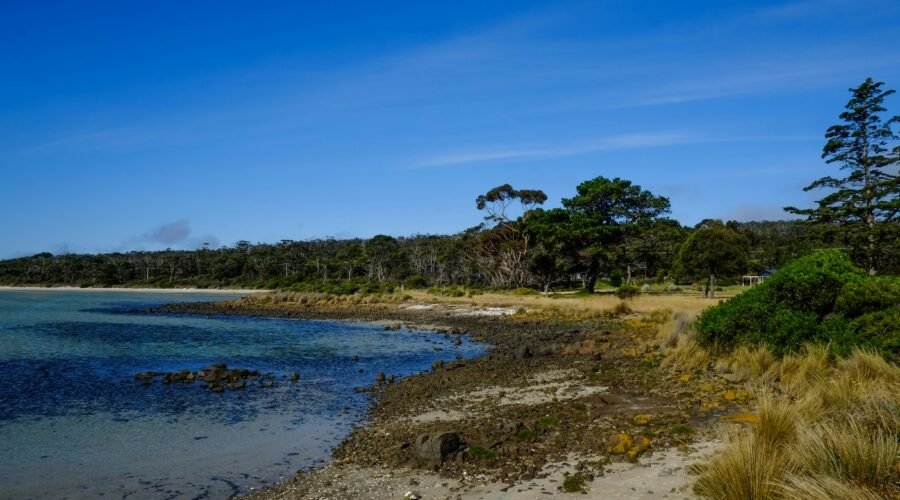
If you’re planning a trip to Bruny Island, Tasmania, timing can make a noticeable difference to your weather, crowds, ferry queues, accommodation choices, and wildlife experiences. Summer is the warmest and busiest period, while winter is cooler and quieter. For many travellers, March and early April offer one of the best balances of mild weather, manageable visitor numbers, and good conditions for exploring outdoors. Knowing the best time to visit Bruny Island Tasmania helps you plan around weather, crowds, and budget.
Quick Answer
For most travellers, the best time to visit Bruny Island is March to early April. Days are usually mild, summer crowds are easing, and rainfall remains lower than in the wetter winter months. Choose December to February for the warmest weather, or winter if quiet roads and lower-season accommodation matter most.
Also compare: Burnie, Tasmania · Richmond, Tasmania.
Key Takeaways
- Best overall balance: March to early April for mild weather and fewer visitors than peak summer.
- Warmest weather: December to February, although Cape Bruny’s average maximum is only about 20°C in January and February.
- Quietest period: June to August, with cooler temperatures and generally wetter conditions.
- Wildlife: Spring and summer are useful for seabirds at the Neck, while migrating whales may be seen around Tasmania from autumn through spring.
- Ferry planning: You can pre-purchase a ticket, but SeaLink does not reserve a particular departure time; vehicles join the queue for the next available ferry.
Bruny Island Weather by Season
Bruny Island has four distinct seasons, but its exposed coastal position means weather can change quickly. Conditions also vary across the island. The climate figures below use the Bureau of Meteorology’s Cape Bruny station on South Bruny as a consistent reference point.
At Cape Bruny, the long-term mean maximum is about 20.2°C in January and February, while July’s mean maximum is about 12.2°C.
Summer: The Warmest Months (December–February)
Summer provides Bruny Island’s warmest average weather and longest daylight hours. It is a popular period for hiking, beaches, sightseeing, food stops, cruises, and longer days on the road.
Summer Weather Highlights
- Temperatures: Cape Bruny’s mean maximum is 18.6°C in December and 20.2°C in January and February. Mean minimums range from about 10.7°C to 12.4°C.
- Rainfall: Summer is relatively dry by Bruny standards. January has the lowest mean rainfall in the Cape Bruny climate record at about 39 mm.
- Wind and changeability: Exposed beaches and headlands can still become cool and windy, even after a mild start to the day.
- Fire conditions: Warm, dry and windy weather can increase bushfire danger. Check current Tasmanian Parks alerts and fire conditions before entering bushland or national parks.
Warning: Do not treat a sunny morning as a guarantee of stable conditions. Tasmania Parks advises walkers to prepare for rapidly changing weather and to check conditions before heading onto longer or remote tracks.
Summer Activities & Atmosphere
- Beaches and swimming: Adventure Bay, Cloudy Bay and other sheltered beaches are most appealing in warmer weather, although the sea remains cool compared with many mainland Australian destinations.
- Hiking: Longer daylight makes summer convenient for walks such as Grass Point, Fluted Cape and routes in South Bruny National Park.
- Day trips: Extra daylight gives you more time to combine the Neck, food producers, beaches and South Bruny sights.
- Overall vibe: Summer is the island’s busiest period, particularly on weekends, school holidays and around major holiday dates.
Autumn: Mild Weather and Easing Crowds (March–May)
Autumn is one of Bruny Island’s strongest shoulder-season choices. March remains relatively mild, while April and May become progressively cooler. Visitor pressure generally eases after the summer holiday period, although Easter can temporarily create busy ferry queues and accommodation demand.
Autumn Weather Highlights
- Temperatures: Cape Bruny’s mean maximum falls from about 18.9°C in March to 16.7°C in April and 14.4°C in May.
- Nights: Mean minimums fall from about 11.7°C in March to 8.7°C in May.
- Rainfall: Mean monthly rainfall rises from about 53 mm in March to 69 mm in May, so carrying a waterproof layer remains worthwhile.
- Conditions: You can still get warm, calm days, but the island’s exposed position means cool changes remain possible.
Autumn Activities & Atmosphere
- Photography: Lower-angle light, quieter lookouts and fewer parked vehicles can make landscape photography easier than during peak summer periods.
- Wildlife spotting: Wildlife remains active, and autumn also overlaps part of Tasmania’s whale migration period.
- Peaceful exploration: Outside Easter and other holiday weekends, you generally have more space at beaches, walking tracks and food stops.
- Food and drink: Bruny’s cheese, oysters, bread, berries, wine and other local produce can be a major part of an autumn visit; always check individual opening days before travelling.
Pro Tip: If you want mild hiking weather without peak-summer traffic, target March or early April but check the Tasmanian Easter and school-holiday calendar before booking.
Winter: The Quietest and Coolest Season (June–August)
Winter is Bruny Island’s low season. It suits travellers who value quieter roads, dramatic coastal weather, cosy accommodation and fewer people more than warm temperatures.
Winter Weather Highlights
- Temperatures: Cape Bruny’s mean maximum ranges from about 12.2°C to 12.9°C from June through August.
- Nights: Mean minimum temperatures are about 6.7°C to 7.3°C. Freezing conditions are possible in Tasmania, but sub-zero nights are not typical at the Cape Bruny coastal station.
- Rainfall: Winter is wetter than summer. August has the highest Cape Bruny mean monthly rainfall at about 85.7 mm.
- Coastal conditions: Wind, rain, low cloud and rough seas can make exposed locations feel substantially colder than the thermometer suggests.
Winter Activities & Atmosphere
- Tranquil escape: Winter provides the lowest overall visitor pressure, although popular attractions are not guaranteed to be empty.
- Cosy stays: Cabins and cottages become a bigger part of the experience when weather limits time outside.
- Whale watching: Migrating southern right and humpback whales can occur in Tasmanian coastal waters during the cooler months and spring. Adventure Bay is one recognised location for southern right whale sightings.
- Hiking: Walking is still possible, but waterproof clothing, warm layers and careful weather checks matter more.
Spring: Wildflowers, Wildlife and Increasing Warmth (September–November)
Spring brings longer days and gradually warmer conditions, but it remains variable. It is a useful shoulder season if you prefer moderate visitor numbers and don’t mind carrying layers for rapid weather changes.
Spring Weather Highlights
- Temperatures: Cape Bruny’s mean maximum rises from about 14.5°C in September to 17°C in November.
- Rainfall: Mean rainfall is about 71 mm in September and October before falling to roughly 57 mm in November.
- Wind: Exposed coastal areas can remain breezy and cool even on otherwise pleasant days.
- Flora: Spring brings fresh vegetation and wildflower displays to suitable heathland and bushland areas.
Spring Activities & Atmosphere
- Nature: Spring suits walking, birdwatching and exploring coastal heathland before peak summer.
- Birdlife: Short-tailed shearwaters return to Tasmanian breeding colonies during spring, and both shearwaters and little penguins can be viewed at dusk from the Bruny Island Neck viewing area when present.
- Pre-summer visitor growth: Visitor numbers generally increase toward November.
- Food: Improving weather makes it easy to combine outdoor stops with Bruny’s oyster, cheese, bread and other local producers.
If you’re comparing seasonal travel planning across very different destinations, you can also read this guide to the best time to visit Cappadocia.
When to Visit Bruny Island for the Best Weather
The right choice depends on whether your priority is warmth, comfortable walking conditions, or avoiding wet and windy days.
For the Warmest Conditions
- Best choice: December to February. These are the warmest months, with mean maximum temperatures around 18.6–20.2°C at Cape Bruny.
- Good alternative: March. The mean maximum remains close to 19°C while peak summer visitor numbers begin to ease.
For Comfortable Exploring
- Best choice: March to early April. Temperatures are milder than midsummer, rainfall remains moderate by Bruny standards, and the island is generally less crowded outside holiday periods.
- Good alternative: November. The mean maximum reaches about 17°C, rainfall is lower than in early spring, and peak summer has not fully arrived.
For Cool-Weather Travellers
- Best choice: June to August. Choose winter if you enjoy crisp air, moody coastlines and quieter roads and are willing to plan around rain and wind.
Considering the Crowds: When to Expect More Visitors

Bruny Island feels very different depending on the season. Tourism Australia identifies summer as the high season and winter as the low season.
Peak Season: December to February
- Busiest period: Summer brings the highest overall visitor numbers.
- What you may notice: Longer vehicle queues for the ferry, fuller accommodation, busier car parks, and more people at the Neck, Adventure Bay and popular food stops.
- Other busy dates: Easter, school holidays and long weekends can create short periods of peak-like demand outside summer.
Shoulder Seasons: March–May and September–November
- Autumn: Visitor pressure generally falls after summer, making March through May attractive for travellers who prefer more space.
- Spring: September and October can feel quiet, with numbers generally building as November approaches.
Low Season: June to August
- Quietest overall: Winter generally has the lowest tourism demand. It is a good option for travellers willing to accept cooler and wetter weather in exchange for fewer people.
Budgeting Your Bruny Island Trip: When Costs Can Vary

Accommodation prices vary by property, day of the week, holidays and demand, so there is no single island-wide seasonal rate. The ferry also should not be described as having one fixed year-round price structure: SeaLink lists different fare conditions and Saver or Super Saver periods on selected services.
When Prices and Demand Tend to Be Highest
- Summer: December through February is the high season, so accommodation availability can tighten and desirable properties may command higher rates.
- Holiday periods: Christmas/New Year, Easter and school-holiday dates can increase demand even when they do not perfectly match the normal seasonal pattern.
When to Look for Better Value
- Autumn and spring: Shoulder-season dates can provide a better balance between weather and accommodation availability.
- Winter: Low-season accommodation offers may be easier to find, although individual businesses can reduce opening hours or close on certain days.
Factors Beyond Season
- Accommodation type: A premium waterfront cabin will usually cost more than basic accommodation regardless of the month.
- Booking in advance: Reserve accommodation early for summer, Easter and school-holiday periods.
- Ferry fares: Check SeaLink’s current fare and timetable information rather than assuming the fare is fixed.
- Activities and dining: Cruises, guided tours and restaurant spending depend more on the operator and experience than on a simple high-season/low-season formula.
Note: SeaLink uses a queueing system. Pre-purchasing a ferry ticket does not reserve space on a specific departure, so allow extra time during summer, Easter and other busy periods.
For another comparison of weather, crowds and seasonal travel costs, see the guide to the best time to visit Levent Valley.
Bruny Island Month-by-Month Weather, Crowds and Value
The temperature and rainfall figures below are long-term averages from the Bureau of Meteorology’s Cape Bruny station. They are useful for planning but cannot predict the weather on a particular travel date.
| Month | Avg High / Low | Mean Rainfall | Typical Crowds | Cost Pressure |
|---|---|---|---|---|
| January | 20.2°C / 12.4°C | 39.3 mm | High | Higher |
| February | 20.2°C / 12.4°C | 50.9 mm | High | Higher |
| March | 18.9°C / 11.7°C | 53.1 mm | Medium | Medium |
| April | 16.7°C / 10.1°C | 56.2 mm | Low–Medium* | Medium* |
| May | 14.4°C / 8.7°C | 69.3 mm | Low | Lower |
| June | 12.6°C / 7.3°C | 76.3 mm | Low | Lower |
| July | 12.2°C / 6.7°C | 72.7 mm | Low | Lower |
| August | 12.9°C / 6.7°C | 85.7 mm | Low | Lower |
| September | 14.5°C / 7.5°C | 70.8 mm | Low–Medium | Lower–Medium |
| October | 15.6°C / 8.3°C | 70.9 mm | Medium | Medium |
| November | 17.0°C / 9.6°C | 56.7 mm | Medium | Medium |
| December | 18.6°C / 10.7°C | 58.2 mm | High | Higher |
*Easter timing varies by year and can temporarily increase April visitor numbers, ferry queues and accommodation demand.
Practical Tips for Your Bruny Island Visit
No matter when you travel, Bruny Island rewards preparation because distances are greater than they initially appear and services are more limited than in Hobart.
Essential Packing Advice
- Layers: Pack clothing that can handle warm sunshine, cool wind and rain on the same day.
- Waterproof outer layer: A waterproof and wind-resistant jacket is useful year-round and particularly valuable outside summer.
- Sturdy footwear: Closed-toe walking shoes or hiking footwear are a better choice for longer tracks and wet conditions.
- Sun protection: Take sunscreen, sunglasses and a hat for exposed walks and beaches.
- Insect repellent: It can be useful around bushland and sheltered areas in warmer weather.
- Camera or binoculars: Optional, but useful for coastal scenery and wildlife viewing.
Getting Around Bruny Island
- Your own vehicle: A car is the easiest way to explore independently. Tourism Australia states that there is no public transport on Bruny Island, so alternatives are a private vehicle or guided tour.
- Rental cars: If hiring a vehicle in Hobart, confirm that your rental agreement permits travel to Bruny Island and on the roads you plan to use.
- The ferry: SeaLink operates between Kettering and Roberts Point. The crossing takes roughly 20 minutes according to its current timetable information.
- Queue system: You cannot reserve a specific ferry departure. Pre-purchased tickets are used through the queueing system for the next available ferry.
- Driving: Bruny has both sealed and unsealed roads. Slow down on gravel and watch for wildlife, particularly around dawn, dusk and at night.
- Navigation: Download maps or directions before travelling because mobile coverage cannot be relied upon everywhere.
Fuel, Cash and Park Passes
- Fuel: Tasmania Parks recommends filling your vehicle before reaching Bruny because fuel availability on the island is limited.
- Cash: Carry a backup payment method rather than assuming every stop will have reliable connectivity.
- National park entry: A valid Tasmanian parks pass is required when entering South Bruny National Park.
What to Book or Check in Advance
- Accommodation: Reserve early for summer, Easter and school holidays.
- Ferry timetable: Check current SeaLink departure and fare information. You may pre-purchase a ticket, but there is no specific departure-time reservation.
- Tours: Book cruises and other capacity-limited experiences in advance during busy periods.
- Restaurants and food producers: Check current opening days, particularly in winter or if visiting midweek.
Day Trip or Overnight Stay?
A day trip can cover several major highlights if you start early and keep your itinerary focused. Staying overnight gives you more flexibility for walking, ferry queues, sunrise or sunset scenery, and dusk wildlife viewing at the Neck. It also reduces the pressure to drive long distances across the island and return to the ferry on the same day.
If you’re exploring other destinations where weather, crowds and costs affect timing, you can also compare the best time to visit Uludere, Şırnak.
Bruny Island Attractions and When They Shine
Weather matters, but the best season also depends on what you want to do. Wildlife, walking conditions and daylight can make one period more suitable than another.
Cape Bruny Lighthouse & South Bruny National Park
- Best balance: Autumn and spring provide cooler walking conditions and generally lower visitor pressure than midsummer.
- Summer advantage: Longer daylight gives you more flexibility for combining the lighthouse area with walks, beaches and food stops.
- Winter: The coastline can look spectacular in dramatic weather, but exposed conditions require warmer clothing and more conservative walking plans.
- Park pass: Remember that South Bruny National Park requires a valid Tasmanian parks pass.
Bruny Island Neck Game Reserve
- Wildlife: The Neck is a recognised viewing location for little penguins and short-tailed shearwaters.
- Shearwater season: Short-tailed shearwaters return to Tasmania for their breeding season in spring and remain through summer before migrating again.
- Best viewing time: Dusk is the key period for watching birds return from sea when they are present.
- Wildlife etiquette: Keep your distance, minimise disturbance and follow current Tasmania Parks wildlife-viewing instructions.
Bruny Island Cheese Co. & Get Shucked
- Best season: Food stops can work in any season and provide a useful indoor or sheltered activity when weather turns poor.
- Avoiding queues: Weekdays and shoulder-season visits are generally more relaxed than peak summer weekends.
- Before travelling: Check each producer’s current operating hours because opening days and service times can change.
Hiking and Coastal Walks
- Best for comfort: March, April and November often provide a useful compromise between daylight and moderate temperatures.
- Summer: Long days are convenient, but carry water and sun protection and monitor fire conditions.
- Winter: Walk only with suitable waterproof and warm clothing, and be prepared to shorten or abandon plans if weather deteriorates.
- Safety: Tasmania Parks recommends checking forecasts, taking suitable equipment and letting someone know your plans before walking.
Whale Watching
Bruny Island’s coastline can provide opportunities to see migrating whales, although sightings are never guaranteed. Tasmania’s Department of Natural Resources and Environment says southern right whales may be seen in Tasmanian waters between May and November and specifically identifies Adventure Bay as one location where they occur. Humpback migration also passes Tasmania during the cooler months and spring.
Final Thoughts: Your Best Time to Visit Bruny Island
The best time to visit Bruny Island depends on what you value most, but the trade-offs are clearer once you use real climate data instead of assuming Tasmania has hot summers or freezing winters.
- For the warmest weather and long days: Choose December to February, but expect the year’s highest visitor pressure.
- For the best overall balance: March to early April combines mild temperatures with generally easier crowds outside Easter.
- For spring wildlife and increasing daylight: Try October or November.
- For the quietest trip: Visit from June to August and prepare properly for cooler, wetter and more exposed conditions.
Whatever month you choose, check the weather, ferry timetable, park information and individual business opening hours shortly before your trip. Bruny Island’s changeable conditions are part of its character, and a flexible itinerary will usually serve you better than trying to plan every hour around a perfect forecast.
Best Time To Visit Bruny Island Tasmania: Frequently Asked Questions
What is the best overall time to visit Bruny Island?
For many travellers, March to early April offers the best balance of mild weather and lower visitor pressure than peak summer. Avoid Easter dates if your main goal is minimizing crowds.
What is the warmest time to visit Bruny Island?
December through February is the warmest period. At the Bureau of Meteorology’s Cape Bruny station, January and February have a mean maximum of about 20.2°C.
When is Bruny Island busiest?
Summer, from December through February, is the main high season. Christmas/New Year, school holidays, Easter and long weekends can create especially busy ferry queues and accommodation demand.
When should I visit Bruny Island to avoid crowds?
Winter usually has the lowest overall visitor numbers. For a better compromise between weather and crowds, consider March through May or September through November outside holiday periods.
Is Bruny Island worth visiting in winter?
Yes, if you enjoy quieter roads, dramatic coastlines and cosy accommodation. Mean winter daytime maximums at Cape Bruny are about 12–13°C, but rain and exposed winds mean you should carry warm waterproof clothing.
Do I need to book a specific Bruny Island ferry time?
No. SeaLink operates the Bruny Island ferry through a queueing system. You can pre-purchase a ticket, but it does not reserve a specific departure. During busy periods, allow additional queue time.
Do I need a parks pass for Bruny Island?
You need a valid Tasmanian parks pass when entering South Bruny National Park. Not every attraction on Bruny Island sits inside the national park, so requirements depend on where you go.
When can I see whales or seabirds on Bruny Island?
Southern right whales may occur in Tasmanian waters from May through November, with Adventure Bay recognised as a viewing area. Short-tailed shearwaters return for the breeding season in spring and summer, and the Bruny Island Neck is a recognised dusk viewing location for shearwaters and little penguins.
Sources
- Bureau of Meteorology — Cape Bruny climate statistics — monthly temperature and rainfall averages.
- SeaLink Bruny Island — Ferry timetable and FAQs — queue system, crossing information and ticket rules.
- Tasmania Parks and Wildlife Service — South Bruny National Park — park access, passes, roads, wildlife and visitor information.
- Tourism Australia — Guide to Bruny Island — high/low season, transport and rental-car planning.
- Tasmania Parks and Wildlife Service — Seabirds and shorebirds — little penguin and short-tailed shearwater viewing information.
- Department of Natural Resources and Environment Tasmania — Southern Right Whales — migration timing and Adventure Bay sightings.




[…] Bruny Island, Tasmania […]
[…] Bruny Island, Tasmania […]
[…] Bruny Island, Tasmania […]