If you’re planning a trip to Wollongong, you’ll want mild days, quieter beaches and better rates — and timing makes that easy. Aim for late spring or early autumn when temperatures sit around 14–22 °C, trails stay clear and crowds thin after school holidays; midweek stays cut costs further. Keep a light rain jacket handy for occasional showers, and you’ll be set to choose the exact month that matches your priorities.
Key Takeaways
- Late spring (Sep–Nov) and early autumn (Mar–May) offer mild weather, clearer skies, and thinner crowds for hiking and coastal walks.
- Summer (Dec–Feb) delivers warm surf and long days but highest crowds, peak prices, and busy parking.
- Winter (Jun–Aug) is cheapest with dramatic seas and empty beaches, though blustery conditions and cooler temperatures prevail.
- Midweek stays and shoulder seasons reliably reduce accommodation costs and queuing at attractions.
- Plan whale‑watching trips in late spring (Aug–Sep) and early autumn/early summer windows for best sightings during migration.
Quick Answer: Best Months to Visit Wollongong and Why
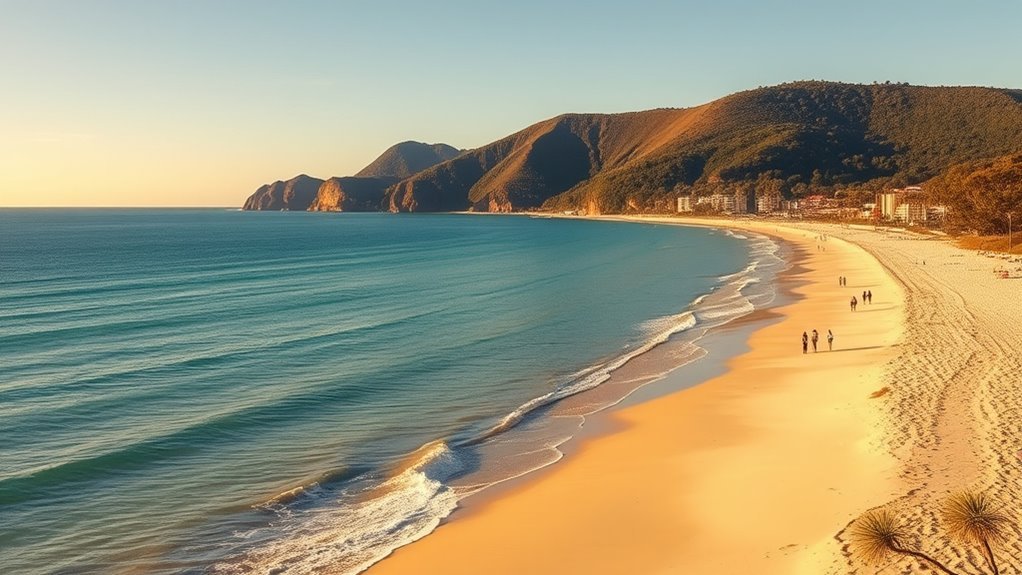
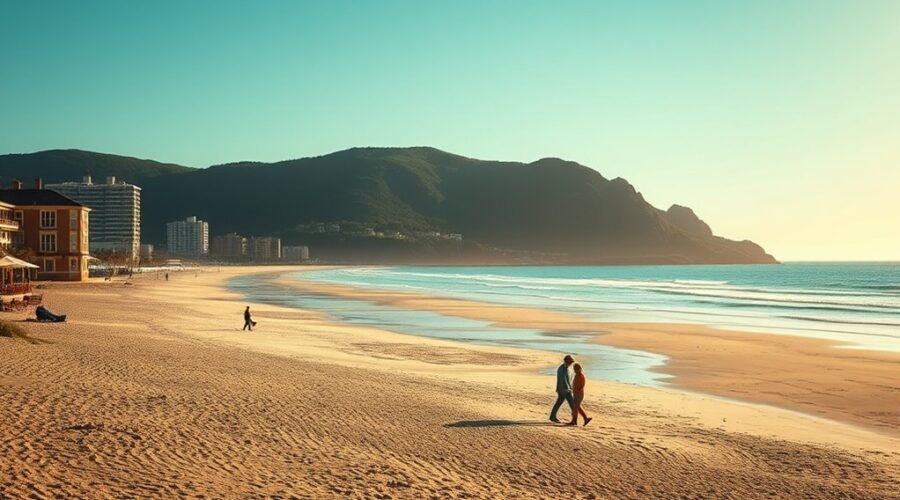
If you want the warmest, sunniest beach days with fewer crowds, plan your trip between December and March, when summer brings temperatures in the low to mid‑20s°C and long daylight for coastal walks and surf.
You’ll find freedom in early mornings on North Wollongong Beach, joining surfers chasing clean breaks during local surf competitions or watching the horizon glow at dusk.
Autumn (March–May) keeps mild weather and thins tourists, so you can roam escarpment trails, sip coffee in earthy laneways, and catch cultural pulses at intimate local festivals without the bustle.
Winter is quieter and cheaper; you’ll trade heat for dramatic headland winds and raw sea views that feel fiercely liberating.
Spring teases with blooming coastal heath and steadier seas—ideal if you want variable weather and fewer booking hassles.
Choose based on whether you crave high-energy beach life or serene exploration; each season hands you a different kind of freedom on Wollongong’s coastline.
How to Pick the Best Month: Beaches, Crowds, Budget
Now that you know how the seasons shape Wollongong’s feel, pick your month by weighing three clear priorities: beach conditions, crowd levels, and budget.
Choose summer if you crave warm surf, long days, and vibrant local friendly festivals—expect lively beaches and higher prices, but unrivaled evenings sampling local cuisine by the sea.
Opt for late spring or early autumn to balance warm water and thinner crowds; you’ll find freed-up parking, affordable stays, and quieter cafes where you can savor coastal flavors without rush.
If you’re chasing solitude and savings, winter brings dramatic skies, storm-watching, and low-season deals; beaches are raw and restorative, ideal for reflection and brisk walks.
Match your timing to experiences you value most: social nights and festivals, peaceful shoreline rituals, or cost-conscious exploration.
Wherever you land, plan around event calendars and weekday stays to maximize freedom, taste authentic local cuisine, and join local friendly festivals when they ignite the town.
Wollongong Weather at a Glance
You’ll notice Wollongong’s temperatures swing from mild winters to warm summers, giving you a clear seasonal range to plan around.
Rainfall is mostly patchy rather than relentless, with wetter months to watch for and drier stretches for beach days.
Strong coastal breezes also shape how warm or cool it actually feels, so pack layers and a windbreaker.
Seasonal Temperature Range
Although Wollongong sits just south of Sydney, its coastal position and nearby escarpment create milder temperatures year-round than you might expect.
You’ll experience gentle summers (22–26°C) that invite beach days and alfresco meals celebrating local cuisine.
Autumn cools to 15–21°C, a freeing season for exploring historical landmarks and trails where local flora turns subtle.
Winters are crisp but not harsh, usually 8–16°C—perfect for cozy cafes and cultural festivals without extreme cold.
Spring warms to 14–22°C, blooming with promise and bold color.
- Summer: warm, humid, easy to shed constraints and soak in sunlit freedom
- Autumn: cooling, clear skies, ideal for walking and reflection
- Winter: brisk, honest, intimate experiences
- Spring: renewing, fragrant, full of possibility
Rainfall Patterns
Because Wollongong sits where coastal winds meet the Illawarra Escarpment, rain patterns here are shaped by orographic lift—moist air rises, cools, and often dumps showers on the city and escarpment slopes.
You’ll notice rainfall trends that favor the cooler months, with late autumn to winter bringing more frequent, steady rains, while spring and summer swing between sudden downpours and dry spells.
That precipitation variability means you can chase freedom—pack layers and a compact rain jacket, plan flexible days, and embrace unexpected storms as part of the landscape.
Local microclimates create wetter gullies and drier coastal strips, so check short-term forecasts, expect quick changes, and let shifting skies become part of your Wollongong adventure.
Sea Breeze Effects
When coastal winds kick in during the warmer months, Wollongong’s sea breezes quickly reshape the day—cooling the shoreline, easing humidity, and often pushing cloud and showers inland toward the escarpment.
You’ll feel the air change, taste salt on your lips, and watch wind patterns stitch together sky and sea.
The breeze refreshes coastal flora, lifts morning fog, and can turn a sweltering afternoon into a liberated, picnic-ready moment.
- Expect a late-morning rise, then a steady onshore flow by afternoon.
- Use the cooler hours for walking cliff trails; winds are strongest near headlands.
- Bring layers—breezes can be brisk even after a hot day.
- Surf and kite enthusiasts find the afternoon winds ideal for play.
Read winds, adapt, and savor the freedom they bring.
Major Events and Busy Periods
Festivals and public holidays transform Wollongong into a lively, crowded place, so plan ahead if you want quieter streets or prime spots on the beach.
Festivals and public holidays turn Wollongong lively and crowded — plan ahead for quieter streets or prime beach spots
You’ll find cultural festivals and local markets pulsing through the city — from vibrant music and food events to weekend artisan stalls along the waterfront — and they draw crowds who relish shared freedom and expression.
Major sporting fixtures, university graduations and holiday weekends swell numbers, so book accommodation and transport early if you’re chasing convenience.
If you prefer solitude, target midweek stays outside school holidays or shoulder seasons when cafés are calm and coastal walks feel like yours.
Keep an eye on event calendars and community pages: they’ll tell you when traffic, parking and noise spike.
Embrace busy periods if you want to mingle and celebrate, but lean into quieter windows when you need space to breathe, connect with the sea, and move freely without crowds closing in.
Wollongong Costs by Month
If you want to budget smartly for a Wollongong trip, note that prices shift with the seasons and local rhythms: summer and major event weekends push up accommodation and eating-out costs, while late autumn and early spring often bring lower rates and quieter restaurants.
You’ll find predictable trends across local transport markets and accommodation options festivals trends that shape daily spending.
Plan so you can roam freely without overspending.
- Look for midweek stays to catch lower accommodation options and calmer dining scenes.
- Use local transport markets for cheap bus and train passes rather than taxis during peak times.
- Time your visit outside headline festivals to avoid surge pricing and packed venues.
- Hunt small guesthouses and shared rooms if you want freedom and savings without sacrificing character.
Track booking windows—early deals reward bold, liberated travelers.
When you align dates with quieter rhythms, you pay less and gain more space to explore Wollongong on your own terms.
Wollongong Month-by-Month: Weather, Crowds, Prices
As you plan your trip, you’ll want to scan Wollongong month by month to see how sun, rain and temperatures shift through the year.
Each season brings different crowd levels—from quiet winter beaches to lively summer weekends—so timing affects both your experience and costs.
Below you’ll find a concise breakdown of climate, typical visitor numbers, and what that means for prices and activities.
Month-By-Month Climate
Though Wollongong’s coastline feels inviting year-round, each month brings distinct weather, crowd levels, and price patterns you’ll want to match to your plans.
You’ll feel warm, ocean-salted summers (Dec–Feb) perfect for surf and late-night localultural festivals, while autumn (Mar–May) cools the air and sharpens colors for coastal hikes and savoring local cuisine.
Winter (Jun–Aug) is crisp, often blustery, with quiet beaches and lower costs if you crave solitude.
Spring (Sep–Nov) bursts with wildflowers, milder seas, and renewing energy as cafés reopen terraces.
- January–February: hot, humid, peak activity, beach culture.
- March–April: mild, clear skies, ideal for walking.
- May–August: cooler, wetter, budget-friendly stays.
- September–November: warming, breezy, vibrant blooms.
Seasonal Crowd Levels
When you plan your trip around Wollongong’s seasonal rhythms, you’ll find crowd levels shift as predictably as the tides: summer swells with sun‑seekers and surfers, autumn thins the beaches and fills walking trails with daytrippers, winter brings near‑empty promenades and cheaper rooms, and spring teems with weekend visitors drawn by wildflowers and milder weather.
You’ll choose summer for energy and beach culture, knowing queues and higher prices follow; autumn lets you move freely along clifftop paths and sample local cultural festivals without jostling.
Winter invites solitary mornings, long café conversations over local cuisine, and bargains on stays.
Spring balances blossoms and buzz—plan weekdays to avoid crowds.
Read events calendars, book strategically, and you’ll claim pockets of freedom amid Wollongong’s seasonal tides.
Best Months for Wollongong Beaches, Hikes, and Whale Watching
If you plan your trip around late spring to early autumn, you’ll get the best mix of warm, swim-friendly days, clear skies for coastal hikes, and the start/end of the whale-watching season. You’ll feel free on sandy stretches, move confidently along cliff-top trails, and time outings to spot migrating whales. Keep beach safety front of mind—rips ease in some bays, but currents can change fast. Learn local flags and lifeguard hours before you submerge.
Plan visits from late spring to early autumn for warm beach days, cliff hikes, whale watching—and always heed local beach safety.
- November–March: peak warmth for swimming, sun-soaked beaches, long evenings for coastal walks.
- April–May: cooler air, vivid foliage on headlands, quieter trails, good whale migration timing, beach safety reminders.
- August–September: early whale migration timing, crisp mornings, fewer crowds on popular hikes.
- June–July: brisk weather, dramatic seas for photographers, lower accommodation rates and bold, solitary coastal experiences.
Plan with respect for nature; timing your visit liberates you to explore safely and fully.
Who to Visit When: Recommendations by Trip Type and Budget
Because different seasons and activities suit different travelers, you can match the best time to visit Wollongong to your trip type and budget to get the most out of every day—whether you’re chasing surf, seeking solitude on coastal walks, or travelling with family on a shoestring.
If you’re a surfer or sun‑seeker, pick late spring to early autumn for warm water and lively beach culture; book weekdays to dodge crowds and save on midweek rates.
If you crave quiet, head there in shoulder seasons—autumn and early spring—for misty cliffs, empty paths and lower accommodation costs.
Families will love summer school holidays for splash‑ready beaches and family‑friendly attractions, but consider early December or late January for fewer tourists and better deals.
If you’re travelling on a budget, hunt for winter bargains: museums, cafés and coastal walks stay rewarding, and prices drop—this is the most budget‑friendly choice for liberated explorers wanting richness without excess spending.
Frequently Asked Questions
Are There Good Day Trips From Wollongong by Public Transport?
Yes — you can catch public transport for stunning coastal and escarpment day trips; you’ll ride scenic routes to Royal National Park, Stanwell Tops, and Wollongong’s beaches, freeing yourself to explore cliffs, trails, lookouts, and quiet seaside towns.
Is Wollongong Wheelchair- and Stroller-Friendly?
Yes — you’ll find Wollongong generally wheelchair- and stroller-friendly, with accessiblechairchair access at major beaches, transport hubs, ramps and lifts, plus stroller friendly routes along promenades and parks that invite independent, liberated exploration.
Where’s the Best Place to Swim Safely With Kids?
About 70% of Wollongong’s popular beaches are patrolled in summer; you’ll love North Wollongong Beach for family friendly beaches and lifeguarded swimming, where gentle waves, accessible paths, and wide sand free your kids to explore confidently.
Can I See Wildlife in Wollongong Year-Round?
Yes — you can see wildlife year-round; seasonal wildlife seasons and migratory patterns shift sightings, so you’ll spot whales in winter, migratory birds in spring, turtles in summer, and resilient shorebirds and native marsupials across liberating coastal trails.
Are There Local Food Markets and Specialty Shops?
Absolutely — you’ll find vibrant local markets and quirky specialty shops bursting with daring flavors, artisan crafts, and liberating finds; you’ll explore fresh produce stalls, gourmet stalls, vintage boutiques, and indie makers that fuel adventurous, freeing experiences.
Conclusion
Think of Wollongong as your own temperate Eden—visit in spring or early autumn when mild days invite beach walks, cliff-top hikes and clearer skies, crowds thin and prices ease. You’ll catch whales on calm horizons, vivid coastal blooms and cheaper mid-week stays. Pack a light rain jacket and plan outside school holidays to save more. Whether you seek surf, scenery or a quieter escape, those shoulder months deliver the sweetest balance of weather, cost and calm.