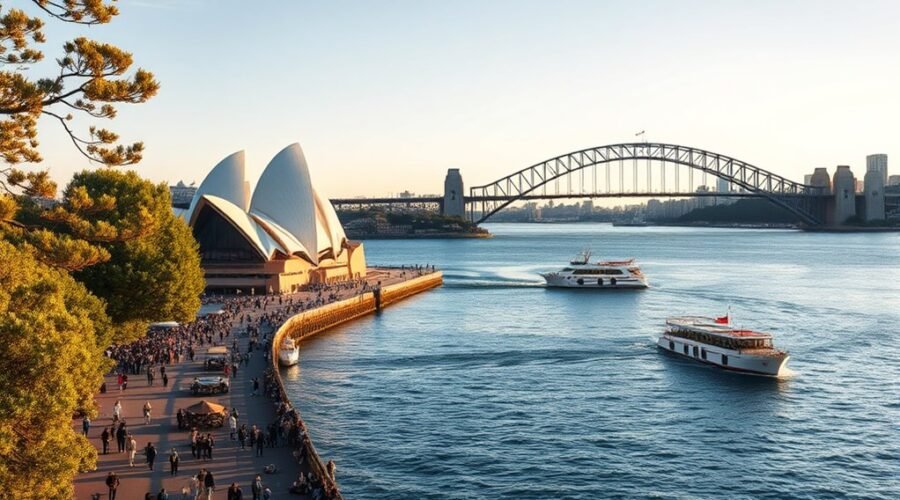
Think of Sydney as a tide—each season reveals something different. Summer brings warm beaches and busy waterfronts, while winter offers cooler walks, museums, and whale-watching opportunities. If you want mild weather, manageable crowds, and more flexibility with accommodation, spring and autumn are excellent places to start. Here’s how to choose the best time to visit Sydney based on weather, events, your budget, and the experiences you want.
Quick Answer
The best time to visit Sydney is generally September to November or March to May. These spring and autumn months offer comfortable weather for sightseeing, coastal walks, and outdoor dining. Visit from December to February for warmer beach days, or consider June to August for cooler city exploring and seasonal whale watching.
Key Takeaways
- Spring (September–November): Comfortable weather, blooming gardens, coastal walks, and outdoor dining make this a popular time for sightseeing.
- Autumn (March–May): Warm early-season days and cooler evenings provide a pleasant balance for city exploring and harbor activities.
- Summer (December–February): Choose this season for swimming, surfing, outdoor entertainment, and Sydney’s Christmas and New Year atmosphere.
- Winter (June–August): Cooler temperatures suit museums, neighborhood exploring, coastal walks, and whale watching.
- Budget planning: Compare accommodation across several dates. School holidays and major events can raise prices even outside summer.
- Getting around: Use an Opal card or eligible contactless payment method, travel outside peak periods when practical, and check current schedules before leaving.
When to Visit Sydney: Quick Answer
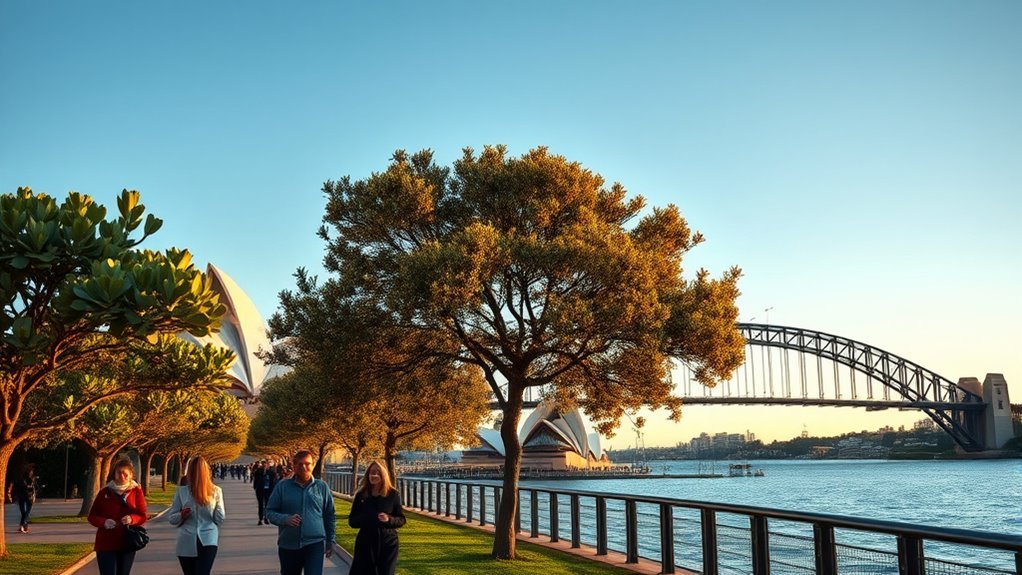
Wondering when to come to Sydney? Start with the shoulder seasons: September–November or March–May.
These months offer comfortable conditions for exploring the city, from Bondi’s coastal paths to the waterfront around Darling Harbour.
You may also find better accommodation value than during the Christmas and New Year rush, although prices depend on the dates you choose.
Use Sydney’s public transport network to move between neighborhoods without relying on taxis. Trains, buses, light rail, and ferries connect many popular attractions, making it possible to enjoy the city without hiring a car.
For a relaxed Sydney trip, combine spring or autumn weather with flexible accommodation dates and early starts at popular attractions.
Evenings are ideal for rooftop bars, intimate live-music venues, and unhurried meals. During the day, explore galleries, street murals, local markets, and cafés around Surry Hills, Newtown, and the city center.
If you prefer spontaneous ferry rides, coastal walks, and time to explore at your own pace, these seasons provide plenty of opportunities without making every day a race between attractions.
Sydney’s Seasons at a Glance: Weather, Crowds, and Costs
Sydney has four seasons, but its calendar is the reverse of the Northern Hemisphere. December is summer, and July is winter.
The city generally experiences warm summers and mild winters. According to Tourism Australia’s Sydney weather guide, average seasonal temperatures range from approximately 18.6–25.8°C in summer to 8.8–17°C in winter.
Each season offers a different balance of weather, visitor demand, and outdoor activities.
| Season | Weather, crowds, and travel value |
|---|---|
| Summer Dec–Feb |
Warm to hot weather, busy beaches, long daylight hours, and strong demand around Christmas and New Year. Ideal for swimming, surfing, and outdoor entertainment. |
| Autumn Mar–May |
Warm early-autumn days, cooler evenings, and comfortable walking conditions. Accommodation value varies around Easter and major events. |
| Winter Jun–Aug |
Cool mornings, shorter days, museums, neighborhood exploring, and whale watching. Some dates offer good accommodation value. |
| Spring Sep–Nov |
Mild to warm weather, flowering gardens, increasing daylight, and excellent conditions for coastal walks and outdoor dining. |
Choose summer if beach days and lively nightlife are your priorities. Pick autumn for relaxed sightseeing, winter for cultural attractions and wildlife, or spring for gardens and outdoor exploring.
Whatever the season, check the weather forecast before planning harbor cruises and coastal walks. Sydney can experience rain, strong winds, and changing temperatures throughout the year.
Summer in Sydney: Weather, Events, and Crowds
If you want sun, surf, and nonstop energy, Sydney’s summer runs from December through February.
Average temperatures are approximately 18.6–25.8°C, although individual days can become considerably hotter. Humidity, strong sunshine, and occasional storms are also part of summer.
Beaches from Bondi to Manly attract locals and visitors looking to swim, surf, or relax by the ocean.
Early mornings are ideal for coastal walks and beach photography. Later in the day, explore waterfront restaurants, outdoor cinema events, rooftop bars, and entertainment around the city.
December and January can be especially busy because of Australian summer school holidays, Christmas, and New Year’s Eve celebrations.
Summer Events and Experiences
- New Year’s Eve: Sydney Harbour’s fireworks celebrations attract substantial crowds and require advance planning.
- Beach activities: Bondi, Manly, and other patrolled beaches are popular for swimming and surf lessons.
- Outdoor entertainment: Summer is a popular season for open-air cinema, live music, and waterfront dining.
- Night markets: Check individual market schedules for seasonal evening events, food stalls, and artisan products.
Book accommodation well ahead if your trip includes Christmas or New Year’s Eve. Popular waterfront restaurants and ticketed events may also require reservations.
Warning: Sydney’s summer sun can be intense. Carry water, wear a hat and protective clothing, and use broad-spectrum SPF 30+ sunscreen. At ocean beaches, swim between the red and yellow flags when lifesavers are on duty. Never assume calm-looking water is free from rip currents.
For a more comfortable beach visit, aim for the morning or late afternoon rather than spending the hottest part of the day in direct sunlight.
Autumn in Sydney: Mild Weather and Savings
As summer eases off, Sydney settles into a pleasant season for walking, sightseeing, and outdoor dining.
Autumn runs from March to May, with average seasonal temperatures around 14.6–22.2°C. March can still feel warm, while May brings cooler mornings and evenings.
You can stroll coastal paths, sip coffee at a pavement café, and enjoy golden-hour light across the harbor without planning your entire day around summer heat.
Accommodation demand may ease on some dates after the summer holidays, but Easter, public holidays, and major events can still bring busy periods.
Things to Do in Autumn
- Enjoy waterfront dining and explore inner-city bistros.
- Visit weekend farmers’ markets for fresh produce and local food.
- Plan day trips to nearby bays, the Blue Mountains, or regional wine areas.
- Compare midweek accommodation prices with weekend rates.
- Explore the Royal Botanic Garden and harbor walking routes.
Autumn also marks the beginning of the whale migration period along the NSW coastline, with sightings possible from May.
Late May is particularly interesting for travelers who enjoy cultural events. Vivid Sydney, the city’s major festival of light, music, food, and ideas, typically takes place across late autumn and early winter.
Check the official event schedule before booking because dates and programming can change from year to year.
For many travelers, autumn offers a relaxed pace and comfortable conditions for exploring Sydney without paying for every peak-season extra.
Winter in Sydney: Quiet Attractions and Deals
Winter runs from June through August. Sydney’s mornings become cooler, evenings arrive earlier, and the harbor can feel brisk when the wind picks up.
Average seasonal temperatures are approximately 8.8–17°C. Snow in central Sydney is extremely rare, so you won’t need heavy snow gear for an ordinary city visit.
Winter is well suited to Opera House tours, museums, art galleries, coastal walks, and neighborhood exploring.
Spend a morning watching the sunlight reach the sandstone buildings of The Rocks, walk along the Bondi to Coogee coastline, then retreat to a warm gallery or café.
Some accommodation providers offer attractive winter rates, but prices can rise during major events and school holidays. Compare several dates rather than assuming every winter stay will be inexpensive.
Winter Whale Watching
One of Sydney’s seasonal highlights is whale watching.
According to NSW National Parks, whales can be seen along the NSW coastline between May and November during their annual migration.
Winter is a useful time to consider a guided whale-watching cruise or a visit to a coastal lookout.
Book wildlife tours with reputable operators and check sea conditions before departure. Sightings are never guaranteed, and rough water can affect schedules.
Winter Food and Culture
Explore the café culture of Surry Hills and Newtown, where you can find coffee shops, small restaurants, and places to linger over a meal.
Vivid Sydney may also overlap with early winter. Its illuminated landmarks and evening events create a different experience from the quieter daytime city.
Pack layers, a warm jacket, and a lightweight waterproof outer layer. Winter can include rainy days, so keep an indoor activity ready as a backup.
Spring in Sydney: Festivals and Outdoor Days
Spring arrives from September through November, bringing warmer weather, flowering gardens, and longer daylight hours.
Average temperatures range from approximately 11–23°C, making this a comfortable season for sightseeing and coastal walking.
Jacarandas often bring purple flowers to parts of the city in late spring, while wattles add bright yellow color to parks and gardens.
Spring is a wonderful time to combine Sydney’s flowering gardens, harbor walks, outdoor cafés, and coastal scenery.
Follow the city as it moves outdoors again. Explore Sydney’s parks, attend local festivals, enjoy rooftop music, or plan a picnic beside the harbor.
For a twilight picnic, pack a lightweight blanket, reusable cutlery, and a small battery-powered lamp. Choose a permitted picnic area and follow local park rules.
Spring Activities Worth Planning
- Royal Botanic Garden: Enjoy flowering plants, harbor scenery, and views toward the Sydney Opera House.
- Local street festivals: Look for food stalls, live music, and community art events.
- Waterfront promenades: Explore Circular Quay, Barangaroo, and Darling Harbour.
- Urban green spaces: Visit parks and picnic areas away from the busiest waterfront routes.
- Coastal hikes: Walk sections of the Bondi to Coogee route when conditions are suitable.
Spring can also be busy during school holidays and major events. Reserve accommodation early if your dates overlap with these periods.
For outdoor activities without the peak summer heat, spring is one of Sydney’s most appealing seasons.
How Crowds and Prices Change in Sydney by Month
Choosing the right month can make a noticeable difference to your travel budget and daily experience.
Hotel prices respond to demand, major events, school holidays, and room availability. Public transport fares follow published fare rules rather than seasonal tourism levels.
December and January are often busy around Christmas, New Year, and summer holidays. April and September can offer comfortable sightseeing weather, although Easter and school holidays may increase demand.
Winter may provide good accommodation opportunities outside major event periods.
| Month range | Crowd and price snapshot |
|---|---|
| Dec–Jan | High demand around Christmas, New Year, and summer holidays. Book accommodation and popular events early. |
| February | Warm beach weather continues. Compare dates after the main summer holiday period. |
| March | Warm early-autumn conditions suit beaches, harbor walks, and sightseeing. |
| April & September | Comfortable sightseeing weather. Check Easter and school-holiday dates before assuming accommodation will be cheaper. |
| May | Cooler weather, cultural activities, and the beginning of whale migration. Vivid Sydney can increase demand on event dates. |
| Jun–Aug | Cooler weather and opportunities for accommodation savings outside school holidays and major events. |
| October–November | Warmer spring weather, gardens, coastal activities, and increasing interest in outdoor attractions. |
For budget planning, compare hotel rates across several weekdays and weekends rather than relying on a single seasonal average.
Nightlife also changes with the seasons. Summer encourages outdoor gatherings and waterfront entertainment, while cooler months are well suited to small bars, restaurants, and indoor venues.
Individual admission charges and drink prices depend on the venue, not simply the month.
Plan Around School Holidays and Major Events
One of the most common Sydney travel mistakes is assuming that spring, autumn, or winter automatically means fewer visitors.
Australian school holidays and major events can create busy periods at any time of year.
For example, the NSW public-school calendar lists spring holidays from September 28 to October 9, 2026, and summer holidays beginning December 18, 2026, for the 2026–27 holiday period.
Check the NSW Department of Education calendar for the dates relevant to your trip.
Major Events to Consider
- Christmas and New Year: Expect strong demand for central accommodation and waterfront viewing areas.
- Vivid Sydney: Usually held across late autumn and early winter. Check the official program for confirmed dates.
- School holidays: Popular family attractions, beaches, and regional day-trip destinations may become busier.
- Public holidays: Opening hours, transport schedules, and demand can differ from ordinary weekdays.
In 2026, Vivid Sydney ran from May 22 through June 13. Check the official schedule for future editions instead of assuming the same dates will apply every year.
Note: Shoulder-season travel can offer excellent value, but major festivals and school holidays may create peak demand within those same months.
Best Season for Your Trip: Beaches, Festivals, Family, and Budget
Because Sydney changes character throughout the year, the best season depends on what you want to do.
Summer offers warm water and long evenings. Autumn provides comfortable harbor walks. Winter brings cultural experiences and whale watching, while spring is especially appealing for gardens and coastal hikes.
Best Time for Beaches and Swimming
December through February is the main summer beach season.
March can also provide pleasant swimming conditions, particularly during warmer periods.
Choose Bondi or Manly for popular beach experiences, but check current surf conditions and lifeguard patrol information before entering the water.
Best Time for Sightseeing and Coastal Walks
March–May and September–November offer a comfortable balance for exploring the Sydney Opera House, Circular Quay, the Royal Botanic Garden, and coastal walking routes.
Carry a light jacket and check the forecast before longer outdoor activities.
Best Time for Festivals
Summer offers outdoor entertainment and New Year’s celebrations.
Late autumn and early winter bring Vivid Sydney, while spring features gardens, local cultural events, and outdoor activities.
Choose your travel dates around a specific confirmed event rather than assuming every festival takes place during the same month each year.
Best Time for Family Travel
Families can enjoy Sydney throughout the year.
Summer suits beach activities, while autumn and spring offer comfortable conditions for parks, zoos, and outdoor sightseeing.
Winter provides opportunities for museums, indoor attractions, and wildlife experiences.
If traveling with children during school holidays, book family-friendly accommodation and popular activities early.
Best Time for Budget Travel
Winter and selected shoulder-season dates can offer accommodation savings compared with major summer holiday periods.
However, there is no universally cheapest month for every traveler.
Compare flights, accommodation, and activities together. A lower hotel rate may not save money if the flights are significantly more expensive.
For maximum flexibility, consider accommodation with a kitchen and use public transport for most city journeys.
Save Money and Avoid Crowds: Practical Tips
Traveling outside the busiest holiday dates is one of the easiest ways to make Sydney more comfortable and potentially more affordable.
Weekday mornings can be useful for popular attractions, coastal paths, and photography, although commuter routes may still be busy.
Use Public Transport Wisely
Sydney’s public transport network includes trains, metro services, buses, ferries, and light rail.
You can use an Adult Opal card or an eligible contactless debit or credit card and compatible payment device.
Transport for NSW states that contactless adult payments receive the same applicable Opal fare benefits, including eligible fare caps and discounts.
Use the same card or device when tapping on and off to ensure your trips are calculated correctly.
According to Transport for NSW, eligible metro, train, bus, and light rail journeys receive a 30% discount outside peak times and on specified travel days.
Ferry fares follow their own fare structure, so check the Trip Planner before assuming the same off-peak discount applies to every service.
Sydney Airport station access fees are also separate from standard daily and weekly travel caps.
Choose the Right Time for Popular Attractions
- Visit Bondi or Manly early when you want a more relaxed beach walk.
- Compare morning and afternoon availability for Opera House tours.
- Choose midweek tours when pricing and availability are favorable.
- Check ferry schedules before planning sunset trips.
- Book major events and popular restaurants in advance.
Look for Food and Accommodation Savings
Explore local food markets such as Sydney Fish Market, Glebe Markets, and Paddington Markets when they are operating.
These can be enjoyable places for fresh food, casual meals, and souvenirs, although discounts and end-of-day markdowns are not guaranteed.
Self-catering apartments and hostels with shared kitchens can help reduce dining expenses during longer stays.
For a simple meal with harbor views, pack a picnic and choose an appropriate public area.
Pro Tip: Before booking, compare the total cost of three nearby travel dates. Include flights, accommodation, cancellation conditions, and any major events happening during your stay. Moving your trip by a few days may offer more value than changing seasons entirely.
What to Pack for Sydney by Season
Sydney’s weather changes throughout the year, so a few versatile items will make your trip more comfortable.
- Summer: Lightweight clothing, swimwear, sunscreen, sunglasses, a hat, and a reusable water bottle.
- Autumn: Comfortable walking shoes, light layers, and a jacket for cooler evenings.
- Winter: A warm jacket, long trousers, comfortable shoes, and a waterproof outer layer.
- Spring: Light clothing, a jacket, sun protection, and comfortable walking shoes.
Carry sun protection throughout the year. Even cooler days can have significant ultraviolet exposure.
If you’re planning a whale-watching cruise or a long coastal walk, bring an additional wind-resistant layer.
Frequently Asked Questions
Do I Need a Car to Get Around Sydney?
No. Most visitors can explore central Sydney using trains, metro services, buses, ferries, and light rail. An Opal card or eligible contactless payment method makes travel convenient. Cycling and walking are also useful on suitable routes. A rental car may be worthwhile for some regional trips, but parking and traffic can make it less convenient for ordinary city sightseeing.
Are There Specific Neighborhoods Safe for Solo Travelers at Night?
The Rocks, Surry Hills, and Newtown offer popular dining and nightlife areas, but safety varies by street, time, and circumstances. Stay in well-lit areas, remain aware of your surroundings, and use established transport services when traveling late. Keep your phone charged and share your plans with someone you trust. Australia’s emergency number is 000.
What COVID-19 Entry or Health Requirements Apply Now?
Australia removed its COVID-19 vaccination declaration requirement for international arrivals on July 6, 2022. Travelers do not need to prove vaccination status under that former federal border requirement. However, visa rules and any applicable airline, cruise, or transit-country requirements still need to be checked before departure. Review official Australian Government travel information and your transport provider’s current policies.
Can I Swim at All Sydney Beaches Year-Round?
Some beaches remain accessible throughout the year, and experienced swimmers may enter the water during cooler months. However, swimming is not safe at every beach or on every day. Water temperatures fall in winter, patrol hours vary, and hazards such as rip currents and dangerous surf can occur year-round. Choose a patrolled beach, swim between the red and yellow flags, and follow lifeguard instructions. Check the Beachsafe website for current patrol information.
Are Fireworks or Special Events Restricted in Local Parks?
Yes. Fireworks in NSW are regulated and generally require an appropriate pyrotechnician’s licence or fireworks single-use licence. Organized displays also involve notification and local authority requirements. Large gatherings, amplified entertainment, and commercial activities may require separate council or park approval. Check the relevant council and SafeWork NSW fireworks guidance before planning an event.
What Is the Cheapest Month to Visit Sydney?
There is no guaranteed cheapest month. Some winter and shoulder-season dates offer good accommodation value, but major events, school holidays, and flight demand can change prices. Compare the total trip cost across several dates before booking.
Is Sydney Worth Visiting in Winter?
Yes. Winter offers comfortable opportunities for museums, galleries, neighborhood exploring, and coastal walks when the weather is suitable. It also overlaps with the whale migration season. Pack warm layers and plan an indoor alternative for rainy or windy days.
When Is the Best Time for Whale Watching in Sydney?
Whales migrate along the NSW coastline between approximately May and November. Winter is a popular time for whale-watching cruises and coastal lookout visits. Sightings depend on wildlife movement and sea conditions, so they cannot be guaranteed.
When Do Jacarandas Bloom in Sydney?
Jacarandas generally flower during spring, with displays often appearing around October and November. Flowering times vary with local conditions, so individual trees may bloom earlier or later.
How Many Days Should I Spend in Sydney?
Three to five days gives you time to explore the harbor, visit the Opera House area, enjoy a beach, and discover a few neighborhoods. Add extra days if you want longer coastal walks, museums, regional day trips, or a more relaxed pace.
Conclusion
The best time to visit Sydney depends on the experiences you want, but March–May and September–November offer a particularly appealing balance of comfortable weather and outdoor activities.
Choose summer for beaches, surfing, and lively waterfront entertainment. Visit in winter for museums, cozy cafés, coastal scenery, and whale-watching opportunities.
If you’re watching your budget, compare accommodation across several dates and check for school holidays and major events before booking. Prices can vary considerably even within the same season.
Pack for changing weather, use public transport, and start early when visiting popular attractions. With a little planning, you’ll have more time for harbor views, coastal walks, good food, and the Sydney experiences that matter most to you.
Sources
- Tourism Australia — Weather in Sydney — Seasonal temperatures, weather patterns, and packing guidance.
- NSW Government — Vivid Sydney 2026 — Verified festival timing and seasonal event information.
- Transport for NSW — Contactless Payments — Opal-compatible contactless travel and fare benefits.
- NSW Department of Education — School Calendars — Official school-holiday dates for travel planning.
- NSW National Parks — Beach Safety — Patrolled beaches, swimming flags, and ocean safety guidance.
- Australian Government Smartraveller — COVID-19 Border Restrictions Lifted — Official information about the removal of vaccination declaration requirements for international arrivals.