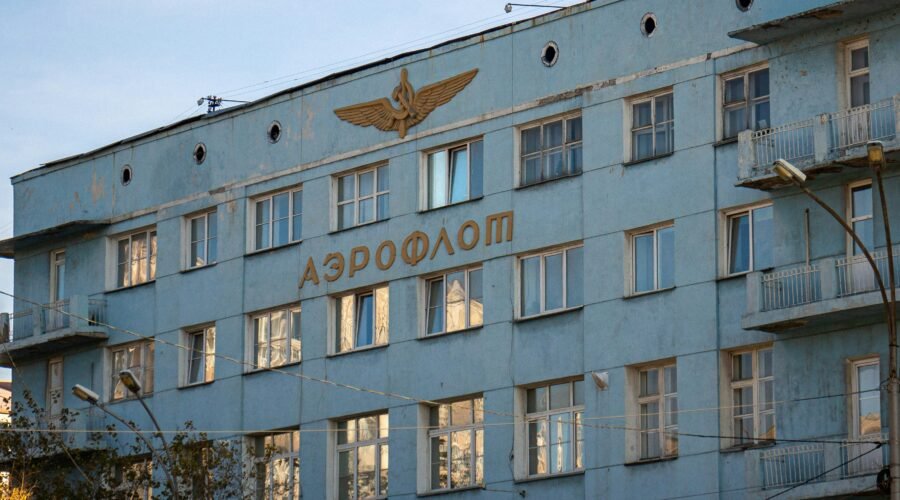
Thinking about a trip to Novosibirsk and wondering when’s the sweet spot to go? It really depends on what you’re after. If you want to experience the Siberian summer and enjoy outdoor activities, aim for June to August. If you don’t mind the chill and want fewer tourists and potentially lower prices, September to October or March to April could be good options. And if you’re all about embracing the extreme winter and seeing the city dusted in snow, December to February is your time, but be prepared for the cold! Let’s break down the weather, crowds, and costs a bit more to help you decide. Knowing the best time to visit Novosibirsk Russia helps you plan around weather, crowds, and budget.
Compare our seasonal guides to Berdsk, Novosibirsk Oblast and Lake Chany, Novosibirsk Oblast when choosing other stops in Novosibirsk Oblast.
Novosibirsk experiences a classic continental climate, meaning it has distinct seasons with significant temperature swings. It’s not a place for the faint of heart when it comes to winter, but the summers can be surprisingly pleasant.
Summer (June – August): The Warmest Months
This is when Novosibirsk truly comes alive outdoors. The days are long, and the temperatures are generally mild to warm, making it ideal for exploring the city and its surroundings.
June: A Gentle Start to Summer
June marks the beginning of summer, and while it’s generally warm, you might still catch some cooler days and evenings, especially earlier in the month. The snow has long melted, and nature is in full bloom.
- Average Temperatures: Daytime highs typically hover around 20-23°C (68-73°F), with evenings dropping to around 10-13°C (50-55°F).
- Sunshine: You can expect plenty of sunshine, with long daylight hours.
- Precipitation: Occasional rain showers are possible, but they’re usually not prolonged.
- Crowds: Tourist numbers start to pick up, but it’s not yet peak season.
- Costs: Prices for accommodation and flights are starting to rise but are generally more reasonable than in July or August.
July: The Peak of Summer Warmth
July is usually the warmest month in Novosibirsk. It’s perfect for enjoying the many parks, lakes, and rivers in and around the city. This is also when many local festivals and outdoor events take place.
- Average Temperatures: Daytime highs can reach 23-26°C (73-79°F), and sometimes even higher, with evenings around 13-16°C (55-61°F).
- Sunshine: Expect consistent sunshine and long, pleasant days.
- Precipitation: Thunderstorms are more common in July, but they often pass quickly.
- Crowds: This is the busiest tourist month. Expect more people at popular attractions.
- Costs: Accommodation and flight prices are at their highest during July. Booking in advance is highly recommended.
August: A Lingering Warmth
August is similar to July in terms of temperature, but you might start to notice a subtle shift towards autumn, especially towards the end of the month. The colors of nature begin to deepen.
- Average Temperatures: Daytime highs remain around 21-24°C (70-75°F), with evenings cooling to 11-14°C (52-57°F).
- Sunshine: Still plenty of sunny days to enjoy.
- Precipitation: Similar to July, with the possibility of afternoon showers.
- Crowds: Still quite busy, though slightly less so than July.
- Costs: Prices remain high, but you might find slightly better deals towards the very end of the month if you’re flexible.
Autumn (September – November): A Transition to Cold
Autumn in Novosibirsk is a beautiful, albeit brief, period of transition. The golden hues of the changing leaves are stunning, but the temperatures drop noticeably as winter approaches.
September: The Golden Season
September is often considered one of the most picturesque months in Novosibirsk. The weather is usually mild and crisp, and the autumn foliage creates a spectacular display.
- Average Temperatures: Daytime highs are around 15-18°C (59-64°F), with evenings dropping to 6-9°C (43-48°F).
- Sunshine: You’ll still get plenty of sunshine, but days are getting shorter.
- Precipitation: Rainfall increases, and it can become a bit drizzly.
- Crowds: Tourist numbers decrease significantly after August, making it a more peaceful time to visit.
- Costs: Prices for flights and accommodation start to fall, offering good value.
October: Embracing the Chill
October is when autumn really starts to bite. The leaves have mostly fallen, and the days become noticeably colder and shorter. Frost becomes more common.
- Average Temperatures: Daytime highs struggle to reach 10-13°C (50-55°F), and evenings can dip below freezing, around 0-3°C (32-37°F).
- Sunshine: Expect fewer sunny days, and more overcast skies.
- Precipitation: Rain is frequent, and there’s a chance of early snow flurries towards the end of the month.
- Crowds: Very few tourists. You’ll likely have many attractions to yourself.
- Costs: This is one of the cheapest times to visit, with significant discounts on accommodation and flights.
November: The Onset of Winter
November is unequivocally winter in Novosibirsk. The temperatures plummet, and snow becomes a regular feature. Outdoor activities become limited to winter sports.
- Average Temperatures: Daytime highs rarely get above freezing, hovering around -5 to -2°C (23-28°F), with nights dropping to -10 to -15°C (14-5°F).
- Sunshine: Very limited sunshine. Days are short and often grey.
- Precipitation: Snowfall is common, and the landscape starts to become white.
- Crowds: The absolute low season for tourism. You’ll encounter very few international visitors.
- Costs: Prices are at their lowest, but many tourist-focused services might have reduced hours or be closed.
Winter (December – February): The Siberian Deep Freeze
Winter in Novosibirsk is legendary for its extreme cold. If you’re coming during this time, you need to be prepared for serious sub-zero temperatures. However, it offers a unique and magical Siberian experience.
December: Festive but Frigid
December brings the full force of Siberian winter. The city is often covered in snow, and the festive atmosphere of the holiday season is present, albeit with very cold temperatures.
- Average Temperatures: Daytime highs are typically between -10 and -15°C (14-5°F), with nights dropping to a biting -18 to -23°C (0-10°F).
- Sunshine: Days are very short, and sunshine is a rare treat.
- Precipitation: Snowfall is common, and the snow cover is usually consistent.
- Crowds: Low season, with only those specifically seeking a winter wonderland experience visiting.
- Costs: Prices are low, except for the holiday week around New Year’s, when there can be a slight spike.
January: The Coldest Month
January is statistically the coldest month in Novosibirsk. The temperatures can be extreme, requiring proper winter gear and careful planning for any outdoor excursions.
- Average Temperatures: Daytime highs often hover around -15 to -20°C (5- -4°F), and nights can plummet to -25 to -30°C (-13 to -22°F) or even lower.
- Sunshine: Very limited. Days are extremely short.
- Precipitation: Snowfall continues, creating a pristine white landscape.
- Crowds: Still very low season. This is the time for dedicated winter enthusiasts.
- Costs: Generally very affordable, barring the brief New Year’s period.
February: Still Freezing, But Glimmers of Spring
February remains very cold, but as the month progresses, you might start to feel a very subtle shift. The days begin to lengthen slightly, offering a tiny bit more daylight.
- Average Temperatures: Daytime highs are still in the -10 to -15°C (14-5°F) range, with nights around -18 to -23°C (0-10°F).
- Sunshine: Slightly more daylight than January, but still very limited.
- Precipitation: Snowfall continues, and the snowpack is well-established.
- Crowds: Continues to be low season.
- Costs: Similar to January, prices remain low.
Spring (March – May): The Thaw and Reawakening
Spring in Novosibirsk is a gradual affair. It starts cold and often snowy, but slowly transforms into warmer, more pleasant weather.
March: The Lingering Winter
March is still very much a winter month in Novosibirsk. While the sun might feel a bit stronger, temperatures remain well below freezing, and snow is still prevalent.
- Average Temperatures: Daytime highs are around -5 to -2°C (23-28°F), with nights at -10 to -15°C (14-5°F).
- Sunshine: Days are getting longer, and there’s more sunshine than in mid-winter.
- Precipitation: Snowfall is still common, but you might also see thawing and icy conditions.
- Crowds: Still very low season.
- Costs: Prices are low, offering good value before the summer rush.
April: The Great Thaw
April is when the significant thawing begins. The snow melts, often creating muddy conditions, and the first signs of green start to appear. Temperatures gradually rise.
- Average Temperatures: Daytime highs can range from 5-10°C (41-50°F), with evenings still being cool, around 0-4°C (32-39°F).
- Sunshine: Increasing sunshine and noticeably longer days.
- Precipitation: Expect a mix of rain and lingering snow.
- Crowds: Still relatively uncrowded. Early spring visitors can find good deals.
- Costs: Prices start to creep up slightly but are still very reasonable.
May: Spring Blooms and Warmer Days
May is when Novosibirsk truly shakes off winter. The landscape bursts into life with green foliage and blooming flowers. Temperatures become much more agreeable.
- Average Temperatures: Daytime highs are a pleasant 15-18°C (59-64°F), with evenings around 7-10°C (45-50°F).
- Sunshine: Plenty of sunshine and long daylight hours.
- Precipitation: Rain showers are possible, but they’re usually not disruptive.
- Crowds: Tourist numbers begin to increase significantly, especially towards the end of the month.
- Costs: Prices start to rise as it approaches peak summer season. Booking ahead is a good idea.
Best Time To Visit Novosibirsk Russia: Crowd Levels: When to Go for Peace or Buzz
The number of tourists in Novosibirsk fluctuates significantly throughout the year, directly impacting the atmosphere and the availability of services.
Peak Tourist Season (July – August)
This is when the weather is at its best, and consequently, when most people choose to visit. You’ll find a livelier atmosphere, but also more competition for accommodation and attractions.
- What to Expect: Bustling city, full tour buses, more event options, and longer queues.
- Pros: Great weather for outdoor activities, vibrant atmosphere, most services fully operational.
- Cons: Higher prices, more crowded attractions, need to book accommodation and popular tours well in advance.
Shoulder Seasons (May – June & September – October)
These periods offer a good balance between pleasant weather and manageable crowds. You can enjoy many of the benefits of the peak season without the intense hustle and bustle.
- What to Expect: A relaxed pace, easier to get around, good weather for exploring, and a chance to see the city in different seasonal guits.
- Pros: Good weather, fewer crowds, more competitive pricing on accommodation and flights, a more authentic local feel.
- Cons: May still experience some unpredictable weather (late spring rain or early autumn chill), some seasonal activities might be winding down or not yet started.
Low Season (November – April)
This is when Novosibirsk truly embraces its winter character. The crowds thin out dramatically, offering a serene experience for those who don’t mind the cold.
- What to Expect: A quiet, almost deserted feel in many tourist spots, very few international visitors, and a focus on indoor activities or specific winter pursuits.
- Pros: Lowest prices for accommodation and flights, no queues at attractions, a unique and quiet Siberian experience.
- Cons: Extreme cold temperatures, very short daylight hours, many outdoor attractions may be closed or inaccessible, limited dining and entertainment options outside of the city center.
Cost Considerations: Budgeting for Your Trip

Your travel dates will have a substantial impact on your budget, particularly for flights and accommodation.
Most Expensive Months (July – August)
These are the months when demand is highest, leading to inflated prices across the board.
- Flights: Expect to pay the highest fares for flights into Tolmachevo Airport (OVB).
- Accommodation: Hotels and rental apartments will be at their peak pricing.
- Tours and Activities: Prices for guided tours and excursions might also be slightly higher due to demand.
Moderately Priced Months (May – June & September – October)
During the shoulder seasons, you can often find good deals as prices adjust to reflect the decreasing or increasing demand.
- Flights: Generally more reasonable than peak season.
- Accommodation: You can find good value for money, especially if you book in advance.
- Tours and Activities: Prices are typically standard, offering a good balance.
Cheapest Months (November – April)
This is the time to travel if you’re on a tight budget. The low demand for tourism translates into significant savings.
- Flights: Often the lowest fares of the year can be found during this period.
- Accommodation: Hotels and rentals are significantly discounted.
- Tours and Activities: While prices for specific activities might remain constant, you’ll benefit from the overall lower cost of living and services. However, be aware that some less popular tours might not operate during this time.
What to Pack: Dressing for the Siberian Elements

Packing appropriately is crucial for enjoying your time in Novosibirsk, regardless of the season. Siberian weather can be extreme, so smart layering is key.
Summer Essentials (June – August)
Even in summer, evenings can be cool, so be prepared for a range of temperatures.
- Clothing: Lightweight, breathable clothing for daytime (t-shirts, shorts, light trousers, dresses). A light jacket or sweater for evenings. A waterproof and windproof outer layer is always a good idea. Comfortable walking shoes are a must.
- Sun Protection: Sunglasses, a hat, and sunscreen are essential due to strong summer sun.
- Insect Repellent: Especially if you plan to spend time near water or in nature.
Autumn and Spring Packing (May – October)
These transitional seasons require a bit more flexibility in your packing.
- Clothing: Layers are your best friend. Think long-sleeved shirts, sweaters, fleeces, and a medium-weight jacket. Trousers are more practical than shorts. Waterproof and windproof outer layer. Sturdy, closed-toe shoes are recommended.
- Accessories: A scarf and gloves can be useful, especially in the evenings or on cooler days. An umbrella is advisable.
Winter Warrior Kit (November – April)
This is where proper winter gear becomes non-negotiable.
- Clothing: Think layers, layers, layers!
- Base Layer: Thermal underwear (long johns and long-sleeved tops).
- Mid Layer: Fleece jackets, wool sweaters.
- Outer Layer: A very warm, insulated, waterproof, and windproof winter coat is essential.
- Extremities:
- Headwear: A warm hat that covers your ears.
- Handwear: Insulated, waterproof gloves or mittens. Mittens are generally warmer.
- Footwear: Insulated, waterproof winter boots with good grip. Thick wool socks are a must.
- Accessories: A warm scarf or neck gaiter to protect your face and neck.
- Optional: Hand warmers and foot warmers can be a lifesaver. Consider lip balm and moisturizer to combat dry, cold air.
Activities and Events: Tailoring Your Visit
| Month | Weather | Crowds | Costs |
|---|---|---|---|
| January | Cold, snowy | Low | Low |
| April | Cool, occasional rain | Medium | Medium |
| July | Warm, occasional showers | High | High |
| October | Cool, cloudy | Low | Low |
The best time to visit Novosibirsk also depends on what you want to do and see. Certain activities are season-dependent.
Summer Activities (June – August)
Summertime is ideal for exploring the city’s outdoor offerings and vibrant cultural scene.
- Parks and Gardens: Stroll through the Central Park, visit the Novosibirsk Botanical Garden for a splash of color.
- River Cruises: Take a boat trip on the Ob River for scenic views.
- Outdoor Festivals: Many local festivals and concerts take place during the summer months. Keep an eye on local event listings.
- Day Trips: Explore the surrounding countryside, including lakes and forests.
Autumn and Spring Experiences (May – October)
These seasons are great for cultural exploration and enjoying the changing landscapes.
- Museums and Galleries: Novosibirsk has a rich cultural scene, with the Novosibirsk State Museum of Local Lore, the Novosibirsk State Art Museum, and the famous Novosibirsk Opera and Ballet Theatre. These are great indoor options for any weather.
- Architectural Tours: Explore the city’s diverse architecture, from Soviet-era buildings to modern structures.
- Observing Seasonal Changes: Witnessing the golden hues of autumn or the gradual awakening of spring can be a unique experience.
Winter Wonderland Pursuits (November – April)
If you brave the Siberian winter, you’ll discover a different kind of charm and unique activities.
- Ice Skating: Outdoor ice rinks often pop up in public squares.
- Skiing and Snowboarding: If you’re willing to venture a bit outside the city, there are opportunities for winter sports.
- Sleigh Rides: Experience a traditional Russian sleigh ride through the snow-covered landscape.
- Visiting the Opera and Ballet Theatre: A perfect indoor activity to escape the cold and experience world-class performances.
- Enjoying Cozy Cafes and Restaurants: Warm up with a hot drink and delicious local cuisine.
By considering these factors – weather, crowd levels, cost, packing needs, and available activities – you can pinpoint the perfect time for your adventure in Novosibirsk.
FAQs
1. What is the best time to visit Novosibirsk, Novosibirsk Oblast for favorable weather?
The best time to visit Novosibirsk, Novosibirsk Oblast for favorable weather is during the summer months of June to August, when the temperatures are mild and the city experiences the most sunshine.
2. When is the peak tourist season in Novosibirsk, Novosibirsk Oblast?
The peak tourist season in Novosibirsk, Novosibirsk Oblast is during the summer months of June to August, when the city experiences the highest number of visitors and the most crowded attractions.
3. What is the off-peak season in Novosibirsk, Novosibirsk Oblast?
The off-peak season in Novosibirsk, Novosibirsk Oblast is during the winter months of December to February, when the temperatures are cold and the city experiences fewer tourists.
4. When is the best time to visit Novosibirsk, Novosibirsk Oblast for lower costs?
The best time to visit Novosibirsk, Novosibirsk Oblast for lower costs is during the off-peak season of winter, when accommodation and travel expenses are generally lower.
5. What are the shoulder seasons in Novosibirsk, Novosibirsk Oblast?
The shoulder seasons in Novosibirsk, Novosibirsk Oblast are the spring months of April and May, and the fall months of September and October, when the weather is still pleasant and the city experiences fewer crowds compared to the peak summer season.