Phrae, Thailand, is a charming northern province often overlooked, which means it offers a more authentic Thai experience without the bustling crowds of its more famous neighbors. If you’re wondering when to pack your bags for this gem, the short answer is generally November to February. This window offers the most pleasant weather, making your exploration of temples, teakwood houses, and lush landscapes much more enjoyable. But let’s dive into the details, considering weather, crowds, and your budget to help you plan the perfect trip. Knowing the best time to visit Phrae Thailand helps you plan around weather, crowds, and budget.
Compare our seasonal guides to Ayutthaya, Thailand and Phitsanulok, Thailand when choosing other stops in Thailand.
1. Understanding Phrae’s Climate: A Year-Round Look
Phrae experiences a tropical savanna climate, which means distinct wet and dry seasons. Knowing what to expect weather-wise is crucial for packing smart and planning your activities.
1.1. The Cool and Dry Season: November to February
This is hands down the best time to visit Phrae.
- Weather: Expect comfortable temperatures, typically ranging from a pleasant 15°C (59°F) in the evenings to around 30°C (86°F) during the day. Humidity is low, and rainfall is minimal. The skies are generally clear and sunny, perfect for outdoor activities.
- Activities: This weather is ideal for exploring historical sites like Wat Phra That Cho Hae and Wat Luang, cycling through the countryside, or hiking in national parks like Doi Pha Klong. Outdoor markets are vibrant and comfortable to browse.
- Crowds: While considered peak season, “peak” in Phrae is very different from, say, Chiang Mai. You’ll encounter more local tourists and some foreign visitors, but it’s far from overcrowded. You’ll still find plenty of peace and quiet.
- Cost: Accommodation and tours might be slightly higher than the low season, but still very reasonable compared to more popular destinations in Thailand. Flights and bus tickets might see a slight increase around public holidays.
- Overall: If you prioritize comfortable weather for sightseeing and outdoor adventures, this is your sweet spot.
1.2. The Hot Season: March to May
Things start heating up significantly during these months.
- Weather: Temperatures soar, often reaching 35°C (95°F) and sometimes even climbing above 40°C (104°F). Humidity also starts to increase. Rain is still infrequent, but the air can feel dry and dusty.
- Activities: Morning activities are best. You’ll want to seek shade during the hottest parts of the day. Temples with air conditioning or attractions near water might offer some respite. Indoor museums or cooking classes could be good alternatives.
- Crowds: This is generally considered a shoulder season for foreign tourists. Local tourism might pick up around Thai New Year (Songkran) in April, which is a wet and wild affair. Otherwise, crowds are minimal.
- Cost: You might find some deals on accommodation as tourist numbers dip outside of Songkran. Flights and buses are typically at their standard rates.
- Overall: If you don’t mind the heat and are looking for fewer crowds and potentially better deals, this could work. Just be prepared to pace yourself and stay hydrated. Songkran can be a fun, unique experience if you’re up for the water fights.
1.3. The Rainy Season (Monsoon): June to October
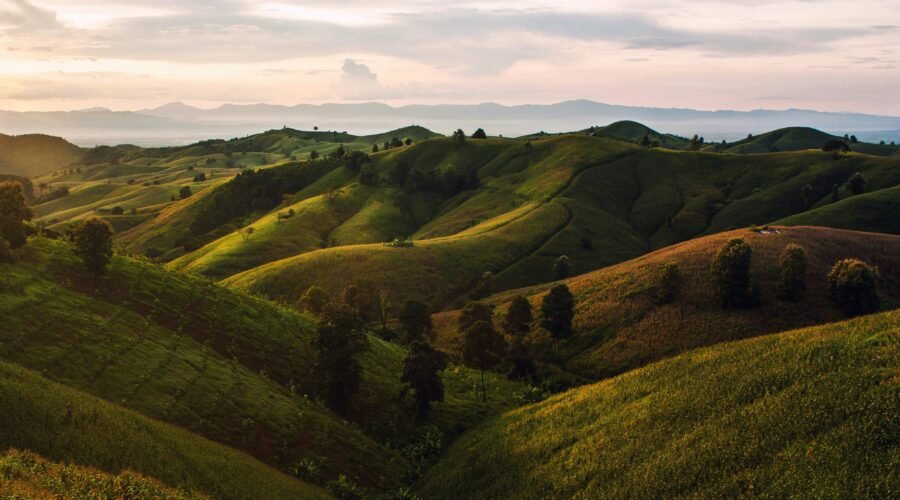
The landscape transforms into a lush green paradise during these months, but with regular rainfall.
- Weather: Temperatures cool down a bit from the hot season, typically ranging from 25°C (77°F) to 32°C (90°F). Humidity is high. You can expect daily rain showers, often heavy but usually not lasting all day. The rain typically comes in the afternoon, leaving mornings relatively clear.
- Activities: The rain can make some outdoor activities challenging. However, the lush greenery is stunning, and waterfalls are at their most impressive. Visits to indoor attractions like museums or cafes are a good fallback. Roads to some remote areas might be less accessible due to rain.
- Crowds: This is the low season for tourism in Phrae. You’ll find the fewest crowds, creating a very peaceful and authentic atmosphere.
- Cost: This is typically the cheapest time to visit. You’ll likely find excellent deals on accommodation and potentially some tours.
- Overall: If you appreciate lush landscapes, don’t mind getting wet, and are looking for the absolute lowest prices and fewest crowds, the rainy season has its charm. It’s a great time for photography of the vibrant countryside.
2. Navigating Crowds: When Phrae is Quietest (and Busiest)
Phrae isn’t known for being a major tourist hotspot, which is part of its appeal. However, understanding the subtle shifts in crowd levels can enhance your experience.
2.1. The Sweet Spot for Solitude: Rainy Season (June to October)
If you’re truly seeking an escape from crowds and want to experience Phrae at its most serene, the rainy season is your best bet.
- Foreign Tourists: You’ll encounter very few international visitors. Many travelers avoid the monsoon, missing out on the unique beauty it offers.
- Domestic Tourists: While some Thai tourists might visit on long weekends, it’s generally quiet.
- Experience: You’ll have temples, local markets, and even national parks largely to yourself. It’s an opportunity for deep immersion into local life without the usual tourist bustle.
- Considerations: Be aware that some smaller guesthouses or tour operators might have reduced hours or services during the lowest points of the off-season.
2.2. Mildly Busy, Still Manageable: Cool Season (November to February)
This period sees the highest number of visitors to Phrae, but don’t let that deter you.
- Foreign Tourists: More international visitors are present, but it’s still a fraction of what you’d find in Chiang Mai or Phuket. You’ll likely see a handful of European travelers, often on longer trips.
- Domestic Tourists: This is a popular time for Thais to travel, especially around New Year’s and other public holidays. You might find popular spots like Wat Phra That Cho Hae a bit livelier, particularly on weekends.
- Experience: Even with more visitors, Phrae maintains its tranquil charm. You might occasionally wait a few minutes for a photo opportunity at a popular spot, but queues are practically non-existent.
- Tips: If you’re visiting around major holidays, consider booking accommodation and any specific tours in advance.
2.3. Shoulder Season Ebbs and Flows: Hot Season (March to May)
Crowds during the hot season are a mixed bag, with distinct peaks and troughs.
- Foreign Tourists: Very few foreign visitors brave the heat, leading to low numbers.
- Domestic Tourists: Except for Songkran (Thai New Year in mid-April), domestic tourism is also relatively low. During Songkran, however, Phrae can get quite lively, especially in the town center where water fights are common.
- Experience: Outside of Songkran, you’ll find plenty of quiet. During Songkran, embrace the festivities – it’s a unique cultural experience, but expect crowds and a lot of water!
- Considerations: If you dislike crowds and loud festivities, avoid Songkran. If you love a good party and cultural immersion, it could be a highlight.
3. Budgeting Your Trip: When to Save and When to Splurge
Phrae is generally an affordable destination compared to many other parts of Thailand. Your travel dates can subtly impact your overall costs, especially for accommodation.
3.1. Best for Budget Travelers: Rainy Season (June to October)
If getting the most bang for your buck is your priority, the rainy season is your friend.
- Accommodation: This is when you’ll find the lowest prices for guesthouses and hotels. Many places offer discounts to attract the few tourists around. You can often secure comfortable, well-located rooms for incredibly low rates.
- Flights/Buses: Domestic flight prices to nearby airports (like Phrae itself, or Nan/Chiang Mai) tend to be at their lowest during this period, outside of any specific promotions. Bus tickets are generally stable.
- Tours/Activities: While fewer organized tours might be running, any individual bookings or private hires might be slightly more negotiable.
- Food: Local food prices remain consistent year-round – always affordable and delicious!
- Overall: Expect to pay significantly less for your stay, leaving more budget for food, local crafts, or perhaps a longer trip.
3.2. Mid-Range Costs, Good Value: Cool Season (November to February)
While not the absolute cheapest, the cool season still offers excellent value, especially considering the comfortable weather.
- Accommodation: Prices will be at their highest, but “highest” for Phrae is still quite reasonable. You might pay 20-30% more than in the rainy season for the same room. Booking in advance, especially around Christmas, New Year’s, or Chinese New Year, is advisable to secure your preferred spot and avoid price hikes.
- Flights/Buses: Domestic flights might see a slight increase, particularly if you book closer to your travel date or during peak holiday weeks. Bus tickets remain fairly consistent.
- Tours/Activities: Standard rates apply.
- Food: Consistent, affordable local prices.
- Overall: You’ll still find Phrae to be very budget-friendly during this time, but expect to pay a little more for your lodging. The improved weather often justifies the slight increase for many travelers.
3.3. Variable Costs: Hot Season (March to May)
The hot season presents a mixed bag for budget-conscious travelers.
- Accommodation: Outside of Songkran, accommodation prices can dip to rainy season levels or even lower, as fewer people are willing to endure the heat. However, during Songkran (mid-April), prices can spike dramatically due to increased domestic tourism.
- Flights/Buses: Generally standard rates, though there might be a small surge around Songkran.
- Tours/Activities: Standard rates. Some outdoor activities might be less popular due to the heat, potentially leading to fewer group tours running.
- Overall: If you avoid Songkran, you can find good deals. If you decide to visit during Songkran, budget for potentially higher accommodation costs and book well in advance.
4. Special Events and Considerations
Beyond just weather and typical tourist flows, certain events or unique situations might influence your decision.
4.1. Local Festivals and Celebrations
Phrae, like much of Thailand, has a rich cultural calendar.
- Songkran (Thai New Year – Mid-April): As mentioned, this is a nationwide water festival. In Phrae, the main town gets lively with water fights. It’s a joyous, if wet, celebration. If you’re here, participate! If you want a quiet trip, avoid this week.
- Loy Krathong (November): This beautiful festival of lights sees locals release decorative floats (krathongs) onto waterways, often accompanied by sky lanterns (Yi Peng). It’s a magical experience. The exact date varies each year based on the lunar calendar, usually falling in November. This coincides with the start of the cool season, making it a wonderful time to visit.
- Local Temple Fairs: Throughout the year, various temples will host local fairs, often with food stalls, games, and entertainment. These are rarely advertised internationally but offer a glimpse into local life. Ask your guesthouse owner if any are happening during your visit.
- Phrae International Bicycle Festival (Annually, usually Jan/Feb): If you’re a cycling enthusiast, this event brings together local and international riders for races and scenic rides through Phrae’s beautiful countryside. Check specific dates if this interests you.
4.2. Air Quality Concerns (Burning Season)
It’s important to acknowledge a less pleasant aspect of visiting Northern Thailand during a specific period.
- March and April: These months, coinciding with the hot season, can sometimes see issues with air quality due to agricultural burning in the region. Farmers burn crop stubble to clear fields, which can lead to hazy skies and elevated PM2.5 levels.
- Impact: For most healthy individuals, it’s usually just an inconvenience (hazy views, smoky smell). However, those with respiratory conditions might find it uncomfortable.
- Mitigation: Air quality can vary daily and depends on wind patterns. Websites like IQAir.com can provide real-time updates. If you’re sensitive, reconsider travel during these months or be prepared to use air purifiers in your accommodation and wear masks outdoors. This issue is not unique to Phrae but affects much of Northern Thailand.
4.3. Accessibility During Monsoon
While the rainy season offers great value, sometimes heavy downpours can affect travel.
- Road Conditions: Main roads are generally fine, but some unpaved or less-maintained roads, especially in national parks or remote areas, can become muddy or slippery.
- Public Transport: Buses usually run on schedule, but expect potential delays during very heavy rainfall.
- Activities: Hiking trails might be slippery, and some outdoor activities (like white water rafting, if offered) might be more intense or even canceled depending on water levels. Always check with local operators.
5. Making Your Decision: A Quick Recap
So, when’s the best time for your Phrae adventure?
5.1. For Ideal Weather & General Sightseeing: November to February
- Pros: Comfortable temperatures, low humidity, sunny skies, perfect for all activities.
- Cons: Slightly higher prices for accommodation, slightly more visitors (but still not crowded).
- Who it’s for: First-time visitors, those who prioritize comfort, families, and anyone looking for the most straightforward travel experience.
5.2. For Budget-Conscious & Authentic Experience: June to October
- Pros: Lowest prices, fewest crowds, lush green landscapes, impressive waterfalls.
- Cons: Daily rain showers, high humidity, some outdoor activities might be impacted.
- Who it’s for: Budget travelers, photographers, those who love nature and don’t mind rain, travelers seeking deep cultural immersion.
5.3. For Heat-Tolerant & Festival Enthusiasts: March to May
- Pros: Very few foreign tourists (except Songkran), potential for good deals (outside Songkran), Songkran festival is a unique experience.
- Cons: Intense heat, potential for poor air quality (haze), Songkran can be crowded and wet.
- Who it’s for: Adventurous travelers who can handle extreme heat, those specifically wanting to experience Songkran, budget travelers willing to compromise on weather for lower prices.
Ultimately, Phrae is a captivating destination regardless of when you visit. Each season offers a different facet of its charm. By considering your priorities – be it comfortable weather, solitude, or sticking to a strict budget – you can choose the time that aligns perfectly with your ideal travel experience. Enjoy your trip to this hidden gem!
Best Time To Visit Phrae Thailand: FAQs
1. What is the best time to visit Phrae, Thailand in terms of weather?
The best time to visit Phrae, Thailand is during the cool and dry season, which typically runs from November to February. During this time, the weather is pleasant with cooler temperatures and lower humidity, making it ideal for outdoor activities and sightseeing.
2. When is the peak tourist season in Phrae, Thailand?
The peak tourist season in Phrae, Thailand is during the cool and dry season from November to February. During this time, the city experiences an influx of tourists, so it’s advisable to book accommodations and activities in advance.
3. What is the off-peak season in Phrae, Thailand?
The off-peak season in Phrae, Thailand is during the hot and rainy season, which typically runs from March to May. During this time, the weather is hot and humid, and there may be occasional heavy rainfall. However, this period also offers the advantage of fewer crowds and lower costs for accommodations and activities.
4. What are the average costs of visiting Phrae, Thailand during the peak tourist season?
During the peak tourist season in Phrae, Thailand, the costs of accommodations, activities, and transportation may be higher due to the increased demand. It’s advisable to budget accordingly and book accommodations and activities in advance to secure the best prices.
5. Are there any festivals or events in Phrae, Thailand that travelers should consider when planning their visit?
One of the notable festivals in Phrae, Thailand is the Phrae Wa Silk Fair, which typically takes place in December. This festival showcases the local silk industry and features cultural performances, traditional crafts, and a variety of silk products for sale. Travelers interested in experiencing the local culture and traditions may consider planning their visit around this festival.