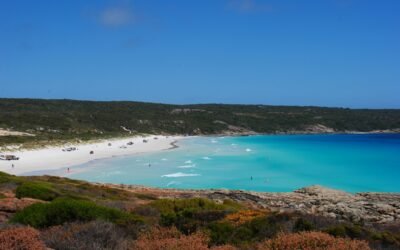
Planning a trip to South Australia’s coastal playground requires balancing diverse seasons, vast driving distances, and world-class wildlife spectacles. The best time to visit the Eyre Peninsula is during late spring (October to November) or early autumn (March to April), when mild temperatures, calm ocean conditions, and moderate crowd levels create ideal conditions for coastal exploration, seafood tastings, and national park hiking.
Quick Answer
The best overall time to visit the Eyre Peninsula is between October–November and March–April. These shoulder months deliver comfortable daytime temperatures (20°C to 25°C), low rainfall, active wildlife, and lower accommodation rates than the peak summer holiday period.
Key Takeaways
- Best Weather & Hiking: March to May and October to November provide pleasant daytime warmth without extreme summer heatwaves.
- Marine Wildlife & Whales: Southern Right Whales congregate at the Head of the Bight from June to September, while Giant Australian Cuttlefish gather near Whyalla from May to August.
- Beaches & Watersports: December to February offers the warmest ocean temperatures for swimming and surfing, though bookings must be made well in advance.
- Budget & Solitude: Winter (June to August) brings reduced accommodation pricing and quiet roads across coastal parks.
Eyre Peninsula Weather & Seasons
The Eyre Peninsula features a classic Mediterranean climate along its southern and western coasts, transitioning to semi-arid plains in the north near the Gawler Ranges. According to data from the Bureau of Meteorology, coastal hubs like Port Lincoln enjoy temperate maritime breezes, while inland destinations experience wider temperature swings.
Summer (December to February)
Summer brings hot, dry weather and long daylight hours across the peninsula. Coastal sea breezes frequently moderate daytime heat around Coffin Bay and Port Lincoln, though inland and northern sectors can exceed 40°C.
- Conditions: Average daily maximums range from 26°C to 32°C along the coast, with occasional high-heat spikes.
- Water Activities: Ocean temperatures peak around 19°C–21°C, making this the prime window for swimming, snorkelling, surfing, and boat charters.
- Bushfire Risk: Summer coincides with the declared Fire Danger Season. Travelers should monitor daily fire ratings and park alerts via the SA Country Fire Service.
Autumn (March to May)
Autumn offers stable, sunny days with lighter winds and cooling nights. It is widely considered by locals to be the most dependable season for regional road trips and camping.
- Conditions: Daily maximums sit comfortably between 20°C and 25°C in March and April, tapering to 18°C by late May.
- Calm Seas: Winds typically ease, producing glassy waters ideal for recreational fishing, kayaking, and coastal photography.
- Fewer Crowds: Post-Easter travel drops noticeably, opening up availability at prime beachfront campsites.
Winter (June to August)
Winter is the coolest and wettest time of year on the peninsula. While southern coastlines experience frequent ocean showers and brisk Antarctic winds, this season hosts the region’s premier marine wildlife aggregations.
- Conditions: Maximum temperatures average 15°C to 18°C, with crisp nights dropping to 7°C–9°C. Rainfall reaches its annual peak.
- Whale Migration: Southern Right Whales migrate to the sheltered waters of the Great Australian Bight to calve and nurse their young.
- Cuttlefish Phenomenon: Thousands of Giant Australian Cuttlefish gather in the shallow waters off Whyalla to breed.
Spring (September to November)
Spring sees the peninsula re-energised with warming temperatures, coastal wildflower blooms, and active native wildlife in protected conservation reserves.
- Conditions: Temperatures climb from 18°C in September to the mid-20s by November. Early spring can bring gusty coastal fronts.
- Flora and Fauna: Native blooms cover Lincoln National Park and Coffin Bay National Park, alongside active emus, kangaroos, and migratory sea birds.
- Outdoor Exploration: Excellent weather for long-distance trails, 4WD tracks, and sandboarding at the Lake Newland sand dunes.
| Month | Avg Temp (°C) | Rainfall Pattern | Crowd Level | Overall Cost |
|---|---|---|---|---|
| January | 16°C – 26°C | Very Low / Dry | Peak (High) | High |
| February | 16°C – 26°C | Very Low / Dry | Moderate–High | Moderate–High |
| March | 14°C – 24°C | Low | Moderate | Moderate |
| April | 12°C – 22°C | Moderate | Moderate (Easter Peak) | Moderate |
| May | 10°C – 19°C | Moderate Showers | Low | Low |
| June | 8°C – 16°C | Showery / Wet | Low (Whale hubs Busy) | Low |
| July | 7°C – 16°C | Showery / Wet | Low (Whale hubs Busy) | Low |
| August | 8°C – 16°C | Moderate Showers | Low | Low |
| September | 9°C – 19°C | Decreasing Showers | Moderate | Moderate |
| October | 11°C – 21°C | Low | Moderate | Moderate |
| November | 13°C – 24°C | Low / Dry | Moderate | Moderate |
| December | 15°C – 25°C | Very Low / Dry | Peak (Late Dec) | High |
Crowd Levels & Tourism Seasons
Travel volume across the Eyre Peninsula varies dramatically depending on Australian school holidays, long weekends, and seasonal wildlife migrations.
Peak Season (Mid-December to Late January & Easter)
Summer school holidays bring a surge of domestic tourists to coastal towns. Campgrounds in national parks and holiday parks in Port Lincoln, Streaky Bay, and Coffin Bay book out months in advance. Minimum-stay requirements are common for holiday home rentals.
Shoulder Seasons (February to April & October to November)
The shoulder windows provide the optimal balance between warm weather and manageable visitor numbers. Touring traffic flows smoothly, coastal lookouts remain peaceful, and securing bookings on chartered tours requires far less lead time.
Off-Peak Season (May to September)
Winter offers complete tranquility for travelers seeking solitude along rugged clifftops. While regional services and select charter operators run reduced timetables, major wildlife hubs—particularly the Head of the Bight visitor centre—remain active and structured for whale watchers.
Travel Costs & Budget Considerations
Understanding regional pricing structures helps maximize value on long-distance South Australian road trips.
Accommodation and Camping
- Peak Summer: Nightly rates for cabins and coastal hotels increase by 25% to 50%, with high occupancy in serviced caravan parks.
- National Park Camping: Campsite fees managed through National Parks and Wildlife Service South Australia remain flat year-round, making off-grid camping in Lincoln or Coffin Bay National Parks an economical choice across all seasons.
- Winter Deals: Off-peak winter promotions frequently lower rates for beachfront apartments and bed-and-breakfasts in regional hubs.
Tours and Activities
Flagship adventure activities maintain standard pricing year-round, though tour frequency changes seasonally:
- Great White Shark Cage Diving: Operates out of Port Lincoln across all seasons. Summer offers calmer sea conditions, whereas winter and spring often bring mature female sharks to the Neptune Islands.
- Australian Sea Lion Swims: Tours run regularly in Baird Bay and Port Lincoln, with calmer sea days during the shoulder and summer months.
- Oyster Farm Tours: Coffin Bay oyster experiences operate throughout the year, with prime plump Pacific Oysters available in winter/spring and Angasi oysters available in summer/autumn.
Pro Tip: Fuel stations can be far apart across the western and northern stretches of the Eyre Peninsula. When traveling between Ceduna and the Nullarbor or exploring the Gawler Ranges, plan refueling stops in advance and carry adequate drinking water.
Activities and Experiences by Season
Aligning trip dates with specific regional events and wildlife patterns ensures the best experience for your itinerary:
Summer Highlights (December to February)
- Beach Excursions: Swim at Greenly Beach, Memory Cove, or Almonta Beach under sunny skies.
- Offshore Charters: Excellent conditions for blue water game fishing (Kingfish, Tuna) and island cruising.
- Seafood Feasting: Savor freshly harvested seafood across the Seafood Frontier driving route.
Autumn Highlights (March to May)
- National Park Bushwalking: Hike the Investigator Trail in Lincoln National Park without intense summer heat.
- SALT Festival (April): Experience regional art, culture, and science showcases across Southern Eyre Peninsula towns.
- 4WD Coastal Expeditions: Traverse sand tracks and limestone cliffs in Coffin Bay with firm, cool sand conditions.
Winter Highlights (June to August)
- Southern Right Whale Watching: Stand on cliff-top viewing platforms at the Head of the Bight to witness mothers and newborn calves.
- Whyalla Cuttlefish Aggregation: Snorkel or dive in the Upper Spencer Gulf Marine Park to see thousands of breeding Giant Australian Cuttlefish.
- Cozy Coastal Retreats: Enjoy uncrowded boutique accommodations and winter dining in Port Lincoln and Streaky Bay.
Spring Highlights (September to November)
- Wildflower Viewing: Explore vast carpets of native acacia and coastal heathland blooms.
- Ceduna Oysterfest (October): Celebrate the regional harvest over the October long weekend with oyster shucking, food stalls, and entertainment.
- Gawler Ranges Safari: Venture inland to witness granite monoliths and vibrant red dirt country in comfortable temperatures.
Warning: Total Fire Bans are strictly enforced across the Eastern and Lower Eyre Peninsula during the warmer months. Always check local fire danger ratings before lighting campfires or driving in national parks.
Final Thoughts: Tailoring Your Trip
Every season on the Eyre Peninsula offers distinct advantages depending on your travel preferences:
- For Warm Waters & Beach Life: Choose December through February.
- For Hiking, Photography & Great Value: Choose March through May or October through November.
- For World-Class Marine Wildlife: Choose June through August for whales and cuttlefish.
Frequently Asked Questions
What is the best month to visit the Eyre Peninsula for good weather?
March, April, October, and November generally provide the most pleasant weather, featuring sunny days with daytime temperatures between 20°C and 25°C, gentle breezes, and low rainfall.
When is the peak tourist season on the Eyre Peninsula?
The peak tourist season runs from late December through January during the Australian summer school holidays, as well as over the Easter long weekend. During these periods, campsites and seaside accommodation should be booked well in advance.
When is the off-peak season on the Eyre Peninsula?
The off-peak season runs during the winter months from June to August. While coastal weather is cooler and more showery, this is the prime time for whale watching at the Head of the Bight and cuttlefish diving in Whyalla.
How do accommodation and tour prices change throughout the year?
Accommodation rates increase by 20% to 50% during peak summer holidays and Easter. Shoulder and winter periods offer significant savings on lodging. Major tour prices (such as shark cage diving and sea lion swims) remain largely stable across the year.
What major festivals and events happen on the Eyre Peninsula?
Notable regional events include the Ceduna Oysterfest held annually over the October long weekend, the SALT Festival in Southern Eyre Peninsula each April, and the biennial Eyre Peninsula Field Days in Cleve in August.
Sources
- South Australian Tourism Commission — Regional guides, event calendars, and travel planning data for the Eyre Peninsula.
- Bureau of Meteorology (BOM) Australia — Long-term regional climate records, average temperatures, and rainfall statistics across South Australia.
- National Parks and Wildlife Service South Australia — Seasonal campground access, trail information, and marine sanctuary guidelines for Lincoln and Coffin Bay National Parks.