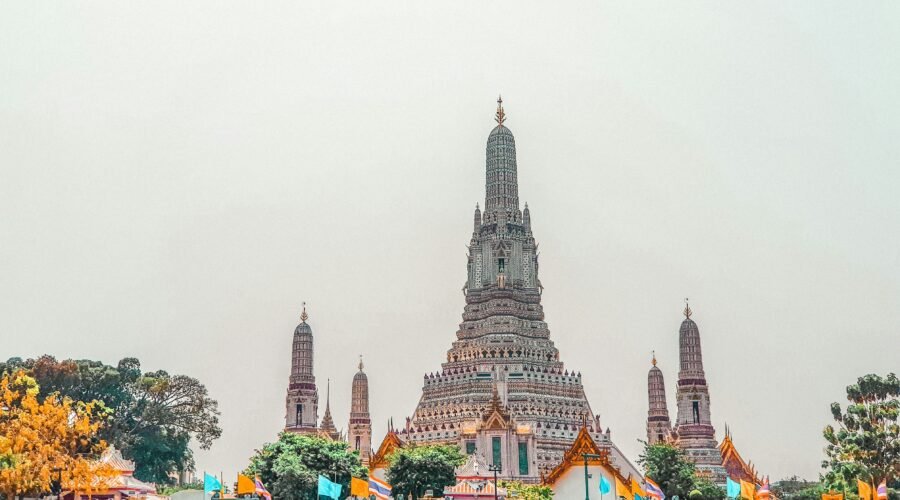
So, you’re wondering when’s the sweet spot for visiting Bangkok? It’s a fair question, and the short answer is: it depends on what you’re looking for. Bangkok is a city that hums year-round, but if you want to avoid the worst of the heat and rain, or snag some better deals, timing matters. We’ll break down the weather patterns, crowd levels, and how your wallet might feel depending on when you decide to jet off. Knowing the best time to visit Bangkok helps you plan around weather, crowds, and budget.
Bangkok doesn’t have the four distinct seasons we might be used to. Instead, it largely operates on a three-season cycle driven by monsoon patterns and temperature. Think of it as variations on a theme of warmth.
The Cool and Dry Season: Your Best Bet for Comfort
- When it is: Roughly from November to February.
- What to expect: This is generally considered the most pleasant time to visit if you’re sensitive to heat and humidity. Temperatures are at their lowest (though still warm by many standards, typically averaging in the high 70s to low 80s Fahrenheit / mid-20s Celsius). Humidity is also lower, making it feel much more comfortable for exploring.
- Why it’s great: You can wander the bustling markets, explore ornate temples, and enjoy rooftop bars without feeling like you’re melting. Evenings are particularly lovely.
- Potential downsides: Because it’s so pleasant, this is also peak tourist season. You’ll encounter more people at popular attractions.
The Hot Season: Embracing the Heat
- When it is: From March to May.
- What to expect: Get ready for the heat. Temperatures climb significantly, often reaching the high 90s Fahrenheit (around 35-40°C). The humidity also starts to creep up, making it feel even hotter.
- Why it might work: If you can handle the heat, this season can offer some advantages. You’ll find fewer crowds than in the cool season, and you might start to see some better deals on flights and accommodation as the peak season winds down. It’s also a great time to fully embrace air-conditioned malls and enjoy refreshing drinks.
- The flip side: Intense heat can limit outdoor activities during the day. Plan for early morning or late afternoon excursions. Staying hydrated is absolutely crucial.
The Rainy Season: Embracing the Downpour (and the Deals)
- When it is: From June to October.
- What to expect: This is when Bangkok gets its rain. It’s not usually a constant drizzle, but rather heavy, often short-lived downpours, typically in the afternoon or evening. Temperatures remain warm, usually in the 80s Fahrenheit (high 20s to low 30s Celsius), with high humidity.
- Why it’s a smart choice: This is Bangkok’s shoulder season and off-peak period. You’ll find the fewest crowds and, importantly, the best prices on flights and hotels. The rain often brings a welcome respite from the heat, and the city looks lush and green.
- Things to consider: You’ll need to be flexible with your itinerary and prepared for potential rain. Pack a good umbrella or lightweight rain jacket. Sometimes, heavy rain can cause localized flooding, but transport generally continues to operate.
Best Time To Visit Bangkok: Navigating Crowd Levels: When to Go for Peace or Buzz
Bangkok is a city that always has a pulse, but the intensity of that pulse varies significantly by the time of year. Understanding crowd levels can help you decide whether you prefer a more tranquil experience or want to dive headfirst into the bustling energy.
Peak Season Frenzy: November to February
- What it feels like: This is the prime time for tourists flocking to Bangkok. Major attractions like the Grand Palace, Wat Arun, and Chatuchak Weekend Market will be busy.
- Why it’s popular: The weather is undeniably the most comfortable, making it ideal for sightseeing and outdoor activities. Many Western travelers escape colder climates during this period.
- Tips for managing crowds:
- Book in advance: Accommodation and popular tours should be booked well ahead of time.
- Go early: Arrive at major sites right when they open to beat the biggest crowds.
- Explore less-visited areas: Venture beyond the absolute must-sees to discover quieter temples and neighborhoods.
- Utilize weekdays: If possible, plan visits to popular spots on weekdays rather than weekends.
Shoulder Season Serenity: March-April and September-October
- What it feels like: The crowds start to thin out as the intense heat (March-April) or the heaviest rains (September-October) begin. You’ll still find plenty of people, but it’s generally more manageable than peak season.
- Why it’s appealing: You get a good balance – the weather is still decent (though hot in March/April, and rain is possible), and you avoid the thickest tourist throngs.
- Best for: Travelers who want a good experience without the peak-season intensity.
Off-Peak Opportunities: May-August
- What it feels like: This is the period with the fewest international tourists. You’ll experience Bangkok with a more local feel, especially in more tourist-centric areas.
- Why it’s attractive: The lack of crowds can make for a more relaxed and authentic experience. It’s also when you’ll find the best deals.
- Embrace the weather: If you don’t mind the heat or occasional downpours, this can be a fantastic time to visit. Many attractions are still fully accessible, and the city’s vibrant nightlife is unaffected.
Budgeting Your Bangkok Trip: When Your Wallet Will Thank You

The cost of visiting Bangkok can fluctuate quite a bit depending on when you decide to travel. If you’re looking to stretch your baht, timing is definitely a key factor.
The Most Expensive Time: November to February
- Why it costs more: This is peak season for a reason – the weather is fantastic. Demand for flights and hotels skyrockets, leading to higher prices.
- What to expect for your money: You’ll be paying a premium for the most comfortable weather. This doesn’t mean Bangkok is prohibitively expensive, but your budget will likely stretch further during other times of the year.
- Tips for saving during peak season:
- Book flights and accommodation months in advance.
- Consider guesthouses or hostels if you’re on a tighter budget.
- Eat at local street food stalls and smaller restaurants instead of tourist-focused establishments.
- Utilize public transport like the BTS Skytrain and MRT subway, which are very affordable.
Mid-Range Costs: March-May and September-October
- What it costs: Prices start to moderate as you move into the shoulder seasons. You can still find good deals, but they won’t be as dramatic as in the off-peak period.
- Value for money: This is often a sweet spot for budget-conscious travelers who still want relatively good weather without the peak season prices.
- Look for deals: Keep an eye out for early bird specials or package deals, especially if booking a few months ahead.
The Bargain Hunter’s Paradise: June to August
- Why it’s cheapest: This is the rainy season, and fewer tourists mean lower demand. Airlines and hotels slash prices to attract visitors.
- What you get: You can often snag incredible deals on flights and accommodation, significantly reducing your overall trip cost. The money saved can be spent on amazing food, activities, or shopping.
- Maximizing savings:
- Be flexible with travel dates: Even shifting your dates by a week or two can sometimes yield better prices.
- Look for last-minute deals: While booking in advance is generally wise, sometimes you can find surprisingly good last-minute offers during the off-peak season.
- Embrace local experiences: This is the perfect time to indulge in street food and explore local markets without feeling the pinch.
Special Events and Festivals: Timing Your Visit for Excitement

Bangkok’s calendar is punctuated by vibrant festivals and events, some of which might strongly influence your decision on when to visit. These can offer unique cultural experiences, but they can also significantly impact crowds and prices.
Songkran: The Thai New Year Water Festival
- When: Typically April 13th-15th (though celebrations can extend).
- What it is: This is arguably Thailand’s most famous festival. It’s a nationwide water fight, a tradition symbolizing cleansing and renewal. Bangkok becomes a massive, joyous water battlefield.
- Pros of visiting: An incredibly fun and memorable experience. The city is alive with energy.
- Cons of visiting: It’s incredibly crowded and very hot. Everything is more expensive, and booking far in advance is essential. Be prepared to get soaked, even if you’re just walking down the street. Bring waterproof bags for your valuables.
Loy Krathong: Festival of Lights
- When: Usually in November (on the full moon of the 12th month of the Thai lunar calendar).
- What it is: People release krathongs (small, decorated rafts made of banana leaves and flowers) onto rivers and canals, adorned with candles and incense, to pay respects to the water spirits and release negativity.
- Pros of visiting: A visually stunning and peaceful festival. The sight of thousands of floating lanterns and krathongs is magical, especially at night.
- Cons of visiting: Crowds will be higher than usual, especially around popular waterfront areas like the Chao Phraya River. Prices might also see a slight increase.
Chinese New Year
- When: Varies according to the lunar calendar, usually in late January or February.
- What it is: Bangkok’s Chinatown (Yaowarat) erupts in a riot of color, sound, and delicious food. Red lanterns adorn the streets, dragon dances are performed, and the air is thick with the scent of celebratory foods.
- Pros of visiting: A fantastic opportunity to experience one of Bangkok’s most vibrant cultural districts at its liveliest. Amazing food experiences.
- Cons of visiting: Chinatown will be extremely crowded. Some smaller businesses might close for the holiday, but the main attractions and restaurants will be open and bustling.
Other Notable Events
- Makha Bucha: A Buddhist holiday typically in February or March, observed with temple visits and candlelit processions.
- Visakha Bucha: Another important Buddhist holiday, usually in May.
- Asanha Bucha and Khao Phansa: Marking the start of the Buddhist Rains Retreat, usually in July.
Consider these festivals when planning: If a specific festival is a draw for you, factor in the increased crowds and costs. If you prefer a more relaxed experience, try to avoid these dates.
Practical Considerations: Making the Most of Your Chosen Season
| Month | Weather | Crowds | Costs |
|---|---|---|---|
| January | Dry and cool | High | High |
| February | Dry and warm | High | High |
| March | Hot and dry | High | High |
| April | Hot and humid | Medium | Medium |
| May | Hot and humid | Low | Low |
| June | Rainy and humid | Low | Low |
| July | Rainy and humid | Low | Low |
| August | Rainy and humid | Low | Low |
| September | Rainy and humid | Low | Low |
| October | Rainy and cooler | Medium | Medium |
| November | Cool and dry | High | High |
| December | Cool and dry | High | High |
Once you’ve got a general idea of the best time for you, here are some practical tips to make your trip even smoother, no matter the season.
Packing for the Weather
- Cool and Dry (Nov-Feb): Lightweight, breathable clothing is still key. You might want a light jacket or shawl for cooler evenings, but heavy coats are unnecessary. Comfortable walking shoes are a must.
- Hot (Mar-May): Think very lightweight, loose-fitting clothing. Cotton and linen are your friends. Sun protection is paramount: wide-brimmed hats, sunglasses, and high SPF sunscreen. Lots of water bottles or a reusable one to refill.
- Rainy (Jun-Oct): Pack quick-drying clothes. A good, compact umbrella and a lightweight, packable rain jacket are essential. Waterproof sandals or shoes might be a good idea if you plan to do a lot of walking. Many people also carry a small, quick-dry towel.
Hydration and Health
- Always hydrate: This cannot be stressed enough, especially during the hot and rainy seasons. Drink bottled water or use a water filter if you’re concerned. Avoid excessive alcohol or caffeine, which can dehydrate you.
- Food safety: While street food is a highlight, be mindful. Choose stalls that are busy with locals, where food is cooked fresh in front of you. Avoid anything that looks like it’s been sitting out for a long time.
- Mosquito repellent: Especially important during the rainy season and in the evenings.
Transportation Tips
- BTS Skytrain and MRT Subway: These are your best friends for navigating Bangkok quickly and efficiently, especially during rush hour or when it’s hot or raining. They connect most major tourist areas.
- Taxis and Grab: Widely available. Always insist on using the meter for taxis, or book via Grab for upfront pricing and peace of mind.
- Tuk-tuks: More of a novelty for short distances. Negotiate the price before you get in, and be aware they can be pricier than taxis.
- Boats: The Chao Phraya Express Boat is a fantastic and affordable way to see the city from the river and reach many temples and attractions along its banks.
Staying Connected
- SIM cards: Buying a local SIM card at the airport or a convenience store is inexpensive and gives you data for maps, communication, and research on the go.
By considering these factors, you can tailor your Bangkok visit to match your preferences for weather, crowd tolerance, budget, and desired experiences, ensuring a fantastic trip no matter when you choose to go.
FAQs
1. What is the best time to visit Bangkok in terms of weather?
The best time to visit Bangkok in terms of weather is during the cool and dry season, which typically runs from November to February. During this time, temperatures are milder and there is less rainfall, making it more comfortable for outdoor activities.
2. When is the peak tourist season in Bangkok?
The peak tourist season in Bangkok is generally from November to March, coinciding with the cool and dry season. During this time, the city experiences an influx of tourists, leading to higher hotel rates and larger crowds at popular attractions.
3. When is the low season in Bangkok and how does it affect costs?
The low season in Bangkok is typically from April to October, when the city experiences higher temperatures and more rainfall. During this time, hotel rates are generally lower and there are fewer crowds at tourist attractions, making it a more budget-friendly time to visit.
4. What is the average temperature in Bangkok throughout the year?
The average temperature in Bangkok ranges from 25°C to 35°C (77°F to 95°F) throughout the year. However, temperatures can reach higher levels during the hot season from March to May.
5. What are some popular events and festivals in Bangkok that visitors should consider when planning their trip?
Some popular events and festivals in Bangkok include the Songkran Festival in April, Loy Krathong in November, and the Chinese New Year celebrations in January or February. These events offer visitors a unique cultural experience and are worth considering when planning a trip to Bangkok.