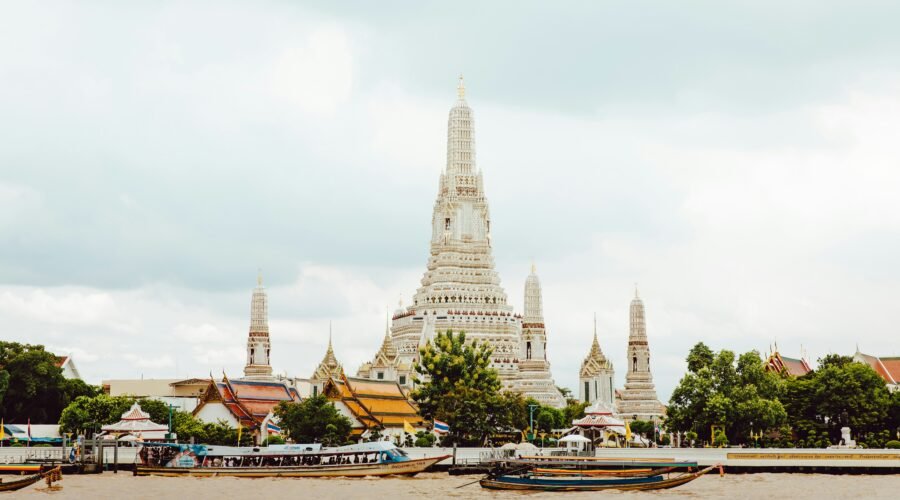
Bangkok is hot year-round, so the best time to visit depends on how you balance lower rainfall, heat, crowds, and price. For most first-time visitors, November to February is the easiest weather window. If lower prices and fewer tourists matter more, May to September can also work well as long as you are comfortable with frequent showers, high humidity, and occasional travel disruption after heavy rain.
Quick Answer
The best time to visit Bangkok for the most comfortable weather is generally November through February. Expect warm days, lower rainfall, and somewhat lower humidity, but also larger crowds and often higher hotel prices. For better value, consider May through September if you can handle tropical showers and occasional localized flooding.
Key Takeaways
- Best weather: November to February, although afternoon temperatures still commonly reach the low 30s°C.
- Hottest period: March and April, with April having an average maximum of about 35.7°C in Bangkok’s 1991–2020 climate normals.
- Rainy season: Roughly May to October; September is especially wet in Bangkok’s long-term climate data.
- Best chance for lower prices: May to September, outside major event dates, although actual flight and hotel rates vary.
- Festival travel: Songkran in April and Loy Krathong in November can create localized crowd and price spikes even outside the usual peak-season pattern.
Bangkok Weather by Season
Bangkok has a tropical climate shaped more by heat, humidity, and monsoon rainfall than by large seasonal temperature changes. The Thai Meteorological Department’s 1991–2020 climate normals show an annual mean temperature of about 28.9°C, with average monthly maximum temperatures staying above 32°C throughout the year.
Note: Bangkok’s “cool season” is cool only by local standards. Even in December and January, you should still expect warm afternoons and plan for sun and heat.
The Cooler, Drier Season: November to February
This is generally the easiest period for sightseeing because rainfall drops sharply and humidity is usually lower than during the wet season.
Average Temperatures and Humidity
According to Thai Meteorological Department normals, Bangkok’s average daily maximum ranges from about 32.3°C to 33.7°C from November through February. Average daily temperatures are lower, around the upper 20s°C. Relative humidity remains noticeable, but it is generally more comfortable than during the wettest months.
Sunshine and Rainfall
Rainfall is much lower in this period. Bangkok’s 1991–2020 normal rainfall is about 44.6 mm in November, 11.6 mm in December, 23.6 mm in January, and 21.4 mm in February. This makes outdoor sightseeing, markets, river trips, and temple visits easier to plan.
The Hot Season: March to April
Bangkok becomes increasingly hot before the southwest monsoon establishes itself. If you struggle with heat, April is one of the hardest months for long outdoor sightseeing days.
Peak Temperatures
March has an average maximum of about 34.7°C, while April rises to about 35.7°C in the Thai Meteorological Department’s long-term normals. Individual hot days can be hotter, and high humidity can make conditions feel more uncomfortable.
Thunderstorms Begin to Increase
Rainfall starts building during this transition. Bangkok’s normal rainfall rises from roughly 51 mm in March to 93 mm in April, and thunderstorms become more common as the wet season approaches.
Warning: April heat can make midday sightseeing exhausting. Schedule exposed outdoor attractions early, take regular air-conditioned breaks, and carry drinking water.
The Rainy Season: May to October
For Bangkok and Thailand’s Central Region, the rainy season is better described as roughly May through October rather than beginning in June or July. The Tourism Authority of Thailand describes a wet monsoon period, while Bangkok’s climate records show a clear rainfall increase beginning in May.
Rainfall Patterns and Intensity
Tropical rain often arrives in concentrated showers or thunderstorms rather than steady rain every hour of the day. However, timing is not perfectly predictable. May averages about 216.8 mm of rain in the long-term Bangkok record, while September averages about 335.9 mm and October about 288.7 mm.
Heavy storms can temporarily overwhelm drainage and cause localized street flooding. Leave extra travel time on very wet days and check the latest Thai Meteorological Department forecast before long cross-city journeys.
Temperatures and Humidity
Afternoon temperatures remain hot, generally averaging around 33–35°C early in the season and about 33°C later in the wet period. Humidity is high, so conditions can feel sticky even when cloud cover or rain lowers the temperature.
Pro Tip: During the wet season, build your day around flexible indoor stops such as malls, museums, cafes, and covered markets. A one-hour storm does not have to ruin the entire day if your itinerary is easy to rearrange.
If you like comparing destinations with the same weather, crowd, and cost framework, you can also read Best Time to Visit Casper, Wyoming: Weather, Crowds, and Costs.
Best Time to Visit Bangkok by Travel Style
- For the easiest sightseeing weather: Choose November through February.
- For fewer tourists and lower-price opportunities: Look at May through September and compare live hotel and airfare rates before booking.
- For Songkran: Travel in mid-April and prepare for extreme heat, water festivities, road congestion, and busy entertainment districts.
- For Loy Krathong: Visit around the full moon in November and check Bangkok’s current-year event locations before your trip.
- For travelers sensitive to air pollution: Do not choose dates based on temperature alone. Bangkok can experience elevated PM2.5 during the cooler, drier part of the year, so check current air-quality readings shortly before and during your stay.
Crowd Dynamics: When to Go for Peace and Quiet or a Livelier Atmosphere
Crowds can have a major effect on your Bangkok experience. Weather, school holidays, international travel demand, and major festivals all influence how busy particular areas feel.
Peak Tourist Period: November to February
The cooler, drier weather makes these months especially attractive to international visitors.
Busy Attractions and Lively Streets
Popular locations such as the Grand Palace, Wat Arun, major night markets, and shopping areas can be crowded, particularly on weekends and holidays. Visiting major sights soon after opening can help you avoid some of the day’s heaviest foot traffic.
Booking and Accommodation Considerations
Hotels in popular areas and convenient flight times may cost more when demand is strong. If you want a particular property or room category, booking earlier gives you more choice, although there is no single Bangkok-wide price rule.
Shoulder Periods: March-April and October
These months sit between Bangkok’s most comfortable and wettest periods, but they should not be treated as uniformly quiet.
Moderate Crowds with Important Exceptions
March can be less crowded than the core winter peak, while October begins the transition toward drier weather. April has a major exception: Songkran can make entertainment districts, transport routes, and festival areas extremely busy.
A Compromise for Flexible Travelers
If you are comfortable with stronger heat in March and April or more rain in October, these periods may offer a useful compromise between weather, crowds, and price.
Lower-Demand Period: May to September
This part of the wet season typically attracts fewer leisure visitors than the cooler months.
Quieter Attractions
Some major sites can feel calmer, especially outside weekends and public holidays. The trade-off is a greater chance that heavy rain will disrupt walking routes, river activities, or road travel.
More Flexible Sightseeing
A lower-crowd trip can be rewarding if you build flexibility into your schedule. Keep one or two indoor alternatives ready for afternoons when storms develop.
Cost Considerations: Your Budget and Bangkok’s Price Tag

Your travel dates can affect airfare and accommodation costs, but Bangkok does not have a fixed seasonal price schedule. Rates change according to demand, booking lead time, day of week, holidays, conferences, and individual hotel inventory.
Higher-Demand Pricing: November to February
Popular hotels and convenient flights are often more expensive during the cooler high-demand period, especially around Christmas, New Year, and other major travel dates.
Book for Choice, Not Just Price
Booking early can be useful if location, room type, or flight schedule matters to you. Last-minute deals sometimes appear, but relying on them during busy periods can leave you with fewer choices.
March-April and October
These months can produce good-value dates, but prices vary. Songkran is the major exception in April, when demand may increase around popular celebration areas and holiday travel dates.
Compare Flexible Dates
If your schedule allows it, compare several arrival and departure dates rather than assuming an entire month will be cheap. Shifting a trip by a few days can sometimes matter more than changing seasons.
May to September
Wet-season demand is often lower, and hotels may offer more competitive rates. However, discounts are not guaranteed, and international airfare follows its own demand patterns.
Look at Total Trip Value
A cheaper hotel is only a bargain if the location works for your plans. Staying near BTS or MRT can reduce the amount of time and money you spend sitting in road traffic.
Special Events and Festivals: Adding Another Dimension to Your Trip

Festival dates can be just as important as weather when choosing when to visit Bangkok. They can create memorable experiences but also change traffic, attraction access, crowds, and accommodation demand.
Thai New Year — Songkran: Mid-April
Songkran is Thailand’s traditional New Year celebration. The national holiday period centers on April 13–15, although major Bangkok programming can extend beyond those dates. The Tourism Authority of Thailand’s 2026 Maha Songkran World Water Festival in Bangkok ran April 11–15.
Water Celebrations
Large public water-play areas are one of the festival’s most visible features. Protect phones, passports, cameras, and other electronics in a waterproof pouch, and expect some routes to be slow or crowded.
Cultural Significance
Songkran is more than a water fight. It is Thai New Year and includes family gatherings, merit-making, respect for elders, temple activities, and traditional cleansing customs.
Loy Krathong: November
Loy Krathong is celebrated around the full moon of the 12th Thai lunar month, usually in November. People float decorated krathongs on rivers, canals, ponds, and other designated waterways.
Bangkok’s Waterside Celebrations
The Chao Phraya River and designated city venues can host celebrations, but locations and rules change from year to year. Check current Bangkok announcements shortly before visiting.
Do Not Assume Sky Lanterns Are Allowed
Sky lanterns are more strongly associated with northern Thailand’s Yi Peng celebrations and are regulated because of fire and aviation risks. The Civil Aviation Authority of Thailand publishes safety requirements for lantern releases, and Bangkok-managed Loy Krathong events have prohibited sky lanterns and fireworks at some city venues. Follow local rules rather than bringing or releasing your own lantern.
Other Local Festivals and Special Events
Bangkok’s event calendar changes every year, so checking current dates can reveal cultural performances, religious observances, exhibitions, food events, and major public ceremonies.
2026 Royal Barge Procession
If you are visiting in 2026, Bangkok has an unusually important event on November 6, 2026: the Royal Barge Procession for the Royal Kathin Ceremony on the Chao Phraya River. The Tourism Authority of Thailand has published details and rehearsal information. Expect viewing areas along the river to attract significant interest.
Temple Fairs, Art, and Cultural Events
Temple fairs, art exhibitions, concerts, and local cultural events take place throughout the year. Check official venue and tourism calendars once your travel dates are confirmed.
If you want another example of planning a trip around weather, crowds, and costs, see this guide to the best time to visit Humboldt, Saskatchewan.
Practical Tips for Every Season
The table below uses Thai Meteorological Department 1991–2020 normals for Bangkok Metropolis. Crowd and cost columns describe broad tendencies rather than guaranteed conditions.
| Month | Avg. High | Avg. Rainfall | Typical Crowds | Cost Tendency |
| January | 32.7°C | 23.6 mm | High | Often higher |
| February | 33.7°C | 21.4 mm | High | Often higher |
| March | 34.7°C | 51.0 mm | Medium | Mixed |
| April | 35.7°C | 93.3 mm | Medium; Songkran spike | Mixed; event spikes |
| May | 35.1°C | 216.8 mm | Lower | Often lower |
| June | 34.1°C | 198.5 mm | Lower | Often lower |
| July | 33.5°C | 189.7 mm | Lower | Often lower |
| August | 33.3°C | 227.1 mm | Lower to medium | Often lower |
| September | 33.2°C | 335.9 mm | Lower | Often lower |
| October | 33.0°C | 288.7 mm | Medium | Mixed |
| November | 33.1°C | 44.6 mm | High | Often higher |
| December | 32.3°C | 11.6 mm | High | Often higher |
Packing Essentials for Bangkok
Your packing list should reflect Bangkok’s heat as well as the season in which you travel.
Light, Breathable Clothing
Lightweight, breathable clothes are useful throughout the year. Quick-drying fabrics are particularly helpful in the rainy season.
Rain Gear — Especially May to October
Carry a compact umbrella or lightweight rain jacket in the wet season. A small waterproof pouch for your phone and documents is also useful during sudden storms.
Sun Protection
Pack sunscreen, sunglasses, and a hat if you will spend long periods outdoors. Bangkok’s tropical sun can be strong even when skies are hazy or partly cloudy.
Comfortable Walking Shoes
Choose shoes that remain comfortable after long sightseeing days. During the rainy season, footwear that dries quickly can be more practical than heavy shoes that stay wet.
Appropriate Clothing for Temples and the Grand Palace
Do not assume a scarf over a sleeveless top will satisfy every site’s rules. The Grand Palace’s official visitor information prohibits sleeveless shirts, short tops, short pants, mini skirts, and several types of tight or inappropriate clothing. A sleeved shirt with long trousers or an appropriately long skirt is a safer choice for major religious and royal sites.
Staying Cool and Hydrated
Heat management matters in every month, especially from March through May.
Drink Water Regularly
Carry drinking water and replace fluids regularly when you are walking outdoors. Bangkok’s Metropolitan Waterworks Authority reports WHO-based water-safety management for the municipal supply, but water quality at an individual tap can also depend on a building’s storage tanks and internal plumbing. Travelers who prefer a simple option can use sealed bottled water or reputable filtered-water refill services.
Use Air-Conditioned Breaks
Shopping malls, cafes, museums, rail stations, and indoor attractions provide useful breaks during the hottest part of the day.
Schedule Outdoor Activities Wisely
Plan exposed walking and temple visits for morning or later afternoon when possible, particularly in March and April.
Air Quality: A Dry-Season Planning Factor
Bangkok can experience elevated PM2.5 during the cooler and drier part of the year. The Bangkok Metropolitan Administration’s air-quality information describes seasonal pollution patterns, and the city issued PM2.5 warnings during early 2026.
If you are sensitive to air pollution, check Bangkok’s current air-quality readings shortly before outdoor exercise or long sightseeing days. Weather quality and air quality are not always the same thing: the driest, most comfortable months can sometimes have poorer particulate conditions than the rainy season.
Navigating Transportation
Bangkok has several rail and water-transport options that can reduce your reliance on congested roads.
BTS Skytrain and MRT
BTS and MRT are generally among the easiest ways to move between many major commercial, shopping, and sightseeing districts. Check current routes and fares on the official BTS route planner and Mass Rapid Transit Authority fare information.
Airport Rail Link
Travelers arriving at Suvarnabhumi Airport can use the Airport Rail Link toward central Bangkok, with interchange opportunities for other rail systems. It can be especially useful when road traffic is heavy.
Taxis and Ride-Hailing Apps
Street taxis are widely available. For a normal metered taxi journey, use the meter rather than accepting an unexplained inflated flat fare. Ride-hailing apps such as Grab display trip pricing in the app, although fares can change with demand.
Tuk-Tuks and Canal or River Boats
Tuk-tuks can be an enjoyable Bangkok experience, but agree on the fare before the trip. The Grand Palace’s own visitor information warns that short tuk-tuk trips can cost more than taxis if you are not comfortable bargaining. River and canal boats can also be useful transport rather than simply sightseeing attractions.
By balancing weather, rainfall, air quality, crowds, prices, and festival dates, you can choose a Bangkok travel period that fits your priorities. November through February remains the easiest all-around choice for many visitors, while the wet season can offer good value and fewer crowds for travelers who are comfortable building flexibility into each day.
Frequently Asked Questions
1. What is the best time to visit Bangkok for the weather?
November through February usually provides Bangkok’s easiest sightseeing weather because rainfall is much lower than in the monsoon season. It is still warm: average daytime maximums remain roughly 32–34°C.
2. When is the peak tourist season in Bangkok?
The busiest broad travel period is generally November through February because it combines lower rainfall with more comfortable humidity. Christmas, New Year, major events, and weekends can increase crowds further.
3. What is Bangkok’s shoulder season?
March, April, and October can function as shoulder periods, but conditions differ. March and April are hotter, while October can still be very wet. Songkran in mid-April is also a major exception because it can sharply increase crowds in festival areas.
4. When is the rainy season in Bangkok?
Bangkok’s rainy season is roughly May through October. Rainfall becomes much heavier from May onward, with September particularly wet in long-term climate records. Rain does not necessarily fall continuously all day, but heavy storms can cause temporary street flooding and traffic delays.
5. How does the cost of visiting Bangkok vary throughout the year?
Hotels and some flights are often more expensive during high-demand dates from November through February, while wet-season accommodation can be more competitive. Prices are not fixed by season, though, so compare live rates for your exact dates.
6. Is September a bad month to visit Bangkok?
Not necessarily, but it is one of Bangkok’s wettest months. It can suit travelers who prioritize fewer tourists and potentially better hotel value, provided they keep their itinerary flexible and allow extra time after heavy rain.
7. Should I visit Bangkok for Songkran or Loy Krathong?
Choose Songkran in April if you want energetic water celebrations and do not mind intense heat and crowds. Choose Loy Krathong in November if you prefer a more atmospheric waterside festival during generally easier weather.
8. Which month is usually driest in Bangkok?
December is the driest month in the Thai Meteorological Department’s 1991–2020 Bangkok Metropolis normals, averaging about 11.6 mm of rainfall. January and February are also relatively dry.
Sources
- Thai Meteorological Department — 1991–2020 Climatological Data — monthly Bangkok temperatures, humidity, rainfall, and rainy-day normals.
- Tourism Authority of Thailand — Climate & Weather — Thailand’s broad seasonal weather pattern.
- Bangkok Metropolitan Administration — PM2.5 information — Bangkok air-pollution sources and seasonal patterns.
- The Grand Palace — Practical Information — current visitor dress rules and transport guidance.
- Metropolitan Waterworks Authority — Water Quality — Bangkok municipal water-safety management and quality controls.
- Tourism Authority of Thailand — Maha Songkran World Water Festival 2026 and Royal Barge Procession 2026 — current Bangkok event dates and details.