

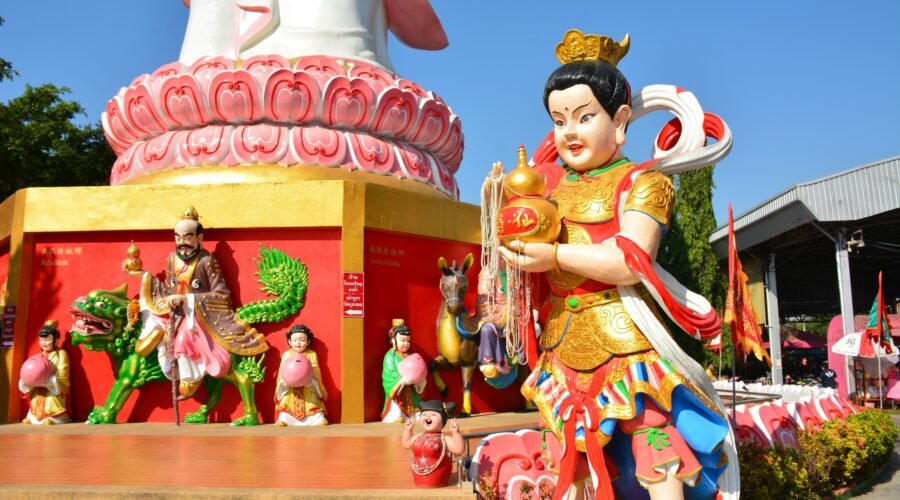
Chachoengsao, often affectionately called “The City of the Golden Temple” due to its magnificent Wat Sothon Wararam Worawihan, is a great destination for a quick getaway from Bangkok. If you’re wondering when to pack your bags for this charming province, the short answer is between November and February. This period offers the most pleasant weather, generally lower humidity, and a comfortable experience for exploring. Let’s dig a bit deeper into why this is the sweet spot, and what other times of the year might offer depending on your priorities.
1. The Sweet Spot: November to February (Cool and Dry Season)
This four-month window is generally considered the best time to visit Chachoengsao for most travelers. You’ll find the weather to be the most agreeable, making it perfect for sightseeing and outdoor activities.
1.1 Ideal Weather Conditions
During these months, Chachoengsao experiences its “cool and dry season.” Don’t let “cool” fool you into thinking it’s cold; temperatures typically hover around 25-30°C (77-86°F) during the day. This is a significant drop from the scorching heat of the hot season, and the humidity levels are noticeably lower.
- Comfortable for Exploration: Walking around temples like Wat Sothon Wararam Worawihan, exploring the vibrant Talad Baan Mai 100 Year Market, or enjoying a boat ride along the Bang Pakong River is much more pleasant when you’re not battling oppressive heat and humidity.
- Clear Skies: You’ll generally experience sunny days with clear blue skies, perfect for photography and enjoying the scenic beauty of the province. Rain is infrequent, and when it does occur, it’s usually light and short-lived.
1.2 Manageable Crowds
While Chachoengsao is a popular domestic destination, it doesn’t typically experience the overwhelming tourist numbers of more famous Thai provinces. However, the cool season does see a slight uptick in visitors.
- Weekends and Public Holidays: Expect larger crowds, especially at popular attractions like Wat Sothon and the 100-Year Market, during weekends and Thai public holidays within this period. If possible, try to visit on a weekday to enjoy a more tranquil experience.
- Foreign Tourists: While still not a primary destination for many international tourists, the comfortable weather does attract a few more foreign visitors during this time. The overall atmosphere remains genuinely Thai.
1.3 Reasonable Costs
Costs during the cool season generally remain stable and reasonable, though some accommodations might see a slight increase due to demand.
- Accommodation: Expect prices for guesthouses and hotels to be standard. Booking in advance, especially for popular spots, is always a good idea, particularly if you’re traveling during a long weekend or a holiday.
- Transportation: Local transportation costs (tuktuks, songthaews) are unlikely to fluctuate significantly.
- Food and Activities: Food prices at local markets and restaurants remain consistent. Entry fees for attractions, if any, are fixed.
2. The Shoulder Seasons: March to May (Hot Season) & October to November (Transition)
These periods represent a transition between the main seasons and offer different trade-offs.
2.1 March to May: The Hot Season
This is arguably the least comfortable time to visit Chachoengsao due to the intense heat.
- Scorching Temperatures: Expect daily temperatures to regularly exceed 35°C (95°F), often creeping into the low 40s°C (100°F+). Coupled with high humidity, it can feel sweltering.
- Lower Crowds: As a result of the heat, tourist numbers, especially domestic ones, tend to dip. If you’re heat-tolerant and prefer fewer people, this could be a consideration, but be prepared for the discomfort.
- Lower Costs (Slightly): Some smaller guesthouses might offer slightly discounted rates to attract visitors during this less popular period. Flights and inter-province bus tickets might also see minor dips.
- What to Do: If you do visit during this time, prioritize indoor activities, visit temples early in the morning or late afternoon, and spend afternoons in air-conditioned cafes or shopping centers. Hydration is key.
2.2 October to November: The Transition Season
This short window bridges the end of the rainy season and the beginning of the cool season.
- Improving Weather: You’ll notice temperatures gradually cooling down, and humidity levels starting to drop. While there might still be occasional rain showers, they are usually lighter and less frequent than in the peak rainy season.
- Green Landscapes: The landscape is lush and vibrant from the previous rains, which can be very picturesque.
- Moderate Crowds: Crowds are generally moderate, as people are starting to plan their travel for the upcoming cool season. You might find attractions to be less busy than in the peak cool months.
- Good Value: Accommodation and activity costs remain reasonable, offering good value before the slight increase in demand during the cool season.
3. The Green Season: June to September (Rainy Season)
Don’t dismiss the rainy season entirely. While it comes with its challenges, it also offers some unique advantages.
3.1 Intermittent Rain and Lush Scenery
- Regular Showers: Expect daily rain showers, often heavy, but usually not lasting all day. They tend to come in intense bursts, followed by clear periods.
- Vibrant Green: The entire province transforms into a lush, vibrant green. This is particularly beautiful if you appreciate nature and agricultural landscapes. The Bang Pakong River is full, and the rice fields are at their most verdant.
- Photography Opportunities: The overcast skies can offer softer, more diffused light, which can be excellent for certain types of photography. The post-rain atmosphere often feels fresh and clean.
3.2 Fewer Crowds and Potentially Lower Costs
- Significant Drop in Visitors: This is generally the least crowded time to visit Chachoengsao. Many tourists shy away from the rain, meaning you’ll have more space to yourself at popular sites.
- Accommodation Deals: You’re more likely to find discounted rates on accommodation, as hotels and guesthouses try to fill rooms during the off-peak season. This can be a great time for budget travelers.
- Flexibility: With fewer crowds, you might find more flexibility in booking tours or activities last minute.
3.3 Considerations for the Rainy Season
- Outdoor Activity Impact: Outdoor activities, especially those involving walking or exploring open markets, can be disrupted by heavy rain.
- Flooding Risk: While Chachoengsao is generally well-drained, very heavy or prolonged rainfall can occasionally lead to localized flooding, especially in low-lying areas or along the river. Check local news if there have been significant storm warnings.
- Transportation: Roads can be slippery, and visibility reduced during heavy downpours. Boat trips on the river might be less comfortable or occasionally postponed if the weather is particularly bad.
- What to Pack: A good quality umbrella, waterproof jacket, and comfortable, water-resistant shoes are essential.
4. Factors Influencing Your Visit: Specific Events & Personal Preferences
Beyond the general weather patterns, there are other elements that might sway your decision on when to visit Chachoengsao.
4.1 Local Festivals and Events
- Loy Krathong (November): This beautiful festival, where people release decorative floats onto water bodies, is celebrated nationwide, and Chachoengsao’s river-front location makes it a particularly charming place to witness it. It usually falls in November.
- Chinese New Year (January/February): Chachoengsao has a significant Chinese-Thai population, and Chinese New Year is celebrated with enthusiasm, especially in areas around Chinese temples and markets. Dates vary yearly.
- Temple Fairs: Throughout the year, various temples host local fairs, often with food stalls, games, and performances. These are usually advertised locally and can offer a glimpse into authentic Thai culture.
- Wat Sothon Annual Festival (November/December): The most famous temple, Wat Sothon, often holds a large annual festival around this time, attracting thousands of pilgrims and offering a vibrant cultural experience.
4.2 Your Travel Style and Budget
- Budget Travelers: The rainy season (June-September) often provides the best deals on accommodation and potentially fewer crowds, making your baht stretch further.
- Comfort-Seekers: The cool season (November-February) is your best bet for pleasant weather and comfortable exploration, though you might pay standard rates.
- Photography Enthusiasts: The cool season offers clear skies, while the rainy season provides lush greenery and dramatic cloud formations. The hot season is generally the least ideal due to harsh light.
- Foodies: Food is available year-round, but exploring outdoor markets is more comfortable in the cool season.
5. Practical Tips for Any Season
Regardless of when you decide to visit, keep these practical tips in mind for a smooth trip to Chachoengsao.
5.1 What to Pack
- Lightweight Clothing: Thailand is a tropical country. Light, breathable fabrics like cotton or linen are best.
- Sun Protection: Sunscreen, a hat, and sunglasses are essential year-round, even on cloudy days.
- Comfortable Walking Shoes: You’ll be doing a fair bit of walking, especially at temples and markets.
- Modest Attire for Temples: Remember to cover your shoulders and knees when visiting temples.
- Rain Gear (June-October): An umbrella and a light rain jacket are highly recommended.
5.2 Getting Around
- From Bangkok: Chachoengsao is easily accessible from Bangkok by train, minivan, or bus. Minivans are often the quickest and most direct.
- Within Chachoengsao: Songthaews (converted pickup trucks acting as shared taxis) are a common way to get around. Tuktuks are available in town. For longer distances or more flexibility, consider renting a car or hiring a private driver for the day.
- Grab/Bolt: Ride-hailing apps are available and can be convenient for shorter distances.
5.3 Stay Hydrated
- Drink plenty of water, especially during the hot season and when exploring outdoors. Bottled water is readily available.
5.4 Embrace the Local Experience
- Chachoengsao is less touristy than some other Thai provinces. Be open to trying local foods, engaging with locals (even with a language barrier), and exploring off-the-beaten-path areas.
Ultimately, Chachoengsao offers something in every season. While the cool and dry months of November to February provide the most comfortable experience for general sightseeing, other times of the year can suit specific preferences, whether you’re chasing budget deals, unique festivals, or simply fewer crowds. Plan according to what matters most to you, and you’re sure to have a memorable trip to this delightful “City of the Golden Temple.”
Best Time To Visit Chachoengsao: FAQs
1. What is the best time to visit Chachoengsao, Thailand?
The best time to visit Chachoengsao is during the cool and dry season, which runs from November to February. During this time, the weather is pleasant and there are fewer crowds.
2. What is the weather like in Chachoengsao throughout the year?
Chachoengsao experiences a tropical climate with three main seasons: hot and dry (March to May), rainy (June to October), and cool and dry (November to February). The average temperature ranges from 25°C to 35°C.
3. When is the peak tourist season in Chachoengsao?
The peak tourist season in Chachoengsao is during the cool and dry season from November to February. During this time, the weather is ideal for outdoor activities and sightseeing, resulting in higher tourist numbers.
4. When is the off-peak season in Chachoengsao?
The off-peak season in Chachoengsao is during the hot and rainy season from March to October. During this time, the weather can be hot and humid, and there may be occasional heavy rainfall.
5. How does the cost of visiting Chachoengsao vary throughout the year?
The cost of visiting Chachoengsao is generally higher during the peak tourist season from November to February, as accommodation and tour prices may increase. During the off-peak season from March to October, prices may be lower due to decreased demand.




[…] a wider trip plan, see our Chachoengsao seasonal […]