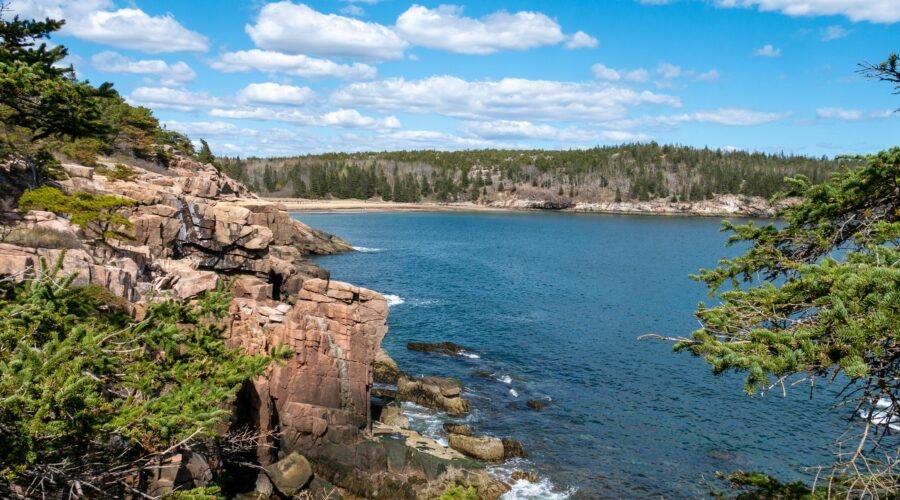
Planning a trip to Maine requires balancing weather, seasonal closures, and fluctuating crowds. Choosing the right month shapes your entire experience, whether your priority is paddling along foggy coastal harbors, hiking granite peaks in Acadia National Park, or enjoying fresh lobster rolls at a dockside pound.
Quick Answer
The best time to visit Maine is between late June and early October. For warm-weather ocean adventures and bustling coastal towns, visit in July and August. For vibrant fall foliage, crisp hiking conditions, and lighter crowds, visit from mid-September through mid-October.
Key Takeaways
- Peak Summer (July–August): Warmest air and water temperatures, full ferry schedules, all seasonal lobster shacks open, but lodging rates and crowds are at their highest.
- Peak Foliage (Late September–Mid-October): World-class autumn colors start in northern Maine in late September and peak along the coast by mid-October.
- Shoulder Season (May–June & September): Excellent balance of manageable crowds, moderate hotel rates, and pleasant sightseeing temperatures.
- Winter & Early Spring (November–April): Ideal for budget travelers and ski enthusiasts at Sugarloaf or Sunday River, though many coastal businesses close for the season.
Maine Weather & Seasons: Month-by-Month Breakdown
Maine spans over 33,000 square miles, meaning seasonal transitions vary significantly between the southern sandy beaches, the rocky MidCoast, the western mountain ranges, and the remote North Woods.
Summer: July to August (Peak Season)
Summer is the classic Maine travel season. The state comes fully alive with ocean breezes, open-air lobster shacks, sailing regattas, and long daylight hours.
- Weather: Daytime highs average 75°F to 85°F (24°C–29°C) inland, with coastal areas moderated by cool sea breezes hover around 70°F to 78°F (21°C–26°C). Ocean water temperatures peak at 60°F to 65°F (15°C–18°C) along southern beaches like Ogunquit and Old Orchard, while DownEast waters remain cold at 50°F to 55°F (10°C–13°C).
- Crowds & Pricing: Highest of the year. Tourist corridors along Route 1, Bar Harbor, Boothbay Harbor, and Kennebunkport operate at maximum capacity. Hotels and vacation rentals demand peak rates and often require multi-night minimum stays.
- Best For: Swimming, whale watching, island ferry trips, sailing excursions, and enjoying seasonal seafood shacks.
Warning: Vehicle reservations are mandatory for driving up Cadillac Summit Road in Acadia National Park during peak summer and fall foliage months. Book your timed-entry tickets well in advance via Recreation.gov.
Early Fall: September to October (Foliage & Prime Hiking)
Many experienced travelers consider September and early October the single best window to visit the Pine Tree State. Humidity drops, summer traffic thins out after Labor Day, and the deciduous canopy turns brilliant shades of amber, crimson, and gold.
- Weather: September brings daytime highs in the high 60s and low 70s Fahrenheit (19°C–22°C) with crisp evenings. October cools down to daytime highs in the 50s and low 60s Fahrenheit (10°C–16°C), with overnight frosts becoming frequent inland.
- Crowds & Pricing: Mid-September experiences a welcome drop in family travel as schools resume. Tourism surges again for “leaf peeping” on late September and early October weekends before declining steeply by late October.
- Best For: Scenic drives, mountain hiking, landscape photography, harvest festivals, apple picking, and enjoying sweeter “hard-shell” fall lobster.
Pro Tip: Foliage colors peak in northern Maine (Aroostook County and Moosehead Lake) during the last week of September. The coastal areas, including Camden and Acadia National Park, peak later, typically between October 10 and October 20.
“September in Maine offers the ideal climate: warm, golden afternoon sun on the harbors paired with brisk evening air that warrants a classic wool sweater.”
Late Spring: May to June (Shoulder Season & Reopening)
Late spring marks the state’s awakening from winter slumber. Coastal towns begin scrubbing storefronts, painting boats, and setting lobster traps as seasonal restaurants reopen their doors.
- Weather: Highly variable. May highs range from 55°F to 65°F (13°C–18°C), while June brings comfortable highs in the upper 60s and 70s Fahrenheit (20°C–24°C). Ocean fog (“sea smoke”) is frequent as warm air passes over chilled coastal waters.
- Crowds & Pricing: Moderate. Lodging deals are abundant through early June. You can explore iconic sights like the Portland Head Light and Acadia’s Ocean Path without summer congestion.
- Best For: Budget-conscious travelers, birdwatchers catching spring migrations, wild whitewater rafting on the Kennebec and Penobscot rivers, and uncrowded coastal strolls.
Note: Inland wooded areas and western mountain valleys experience black fly season from mid-May through mid-June. Coastal peninsulas and offshore islands experience far fewer bugs due to consistent ocean breezes.
Winter: December to February (Snow Sports & Coastal Solitude)
Winter in Maine brings deep snowpacks to the interior highlands and crisp, stark beauty to the Atlantic coastline.
- Weather: Cold and snowy. Inland and mountain regions regularly see daytime temperatures in the 20s Fahrenheit (-6°C to -2°C), with sub-zero nights. Coastal areas stay slightly milder, with highs in the upper 20s to low 30s Fahrenheit (-3°C to 1°C).
- Crowds & Pricing: Coastal tourist hubs become quiet winter villages with rock-bottom hotel rates. Meanwhile, major ski resorts like Sugarloaf, Sunday River, and Saddleback operate at peak winter capacity on weekends and holiday breaks.
- Best For: Downhill skiing, snowboarding, cross-country skiing, snowmobiling on the Interconnected Trail System (ITS), cozy bed-and-breakfast retreats, and winter food tours in Portland.
Early Spring: March to April (Mud Season & Maple Syrup)
Early spring is a quiet transitional period locally known as “mud season.” Snow thaws create muddy backroads and high-elevation trail restrictions, but late March also brings Maine Maple Sunday, when sugarhouses open their doors to celebrate the annual maple harvest.
- Weather: Temperatures fluctuate between freezing and the low 50s Fahrenheit (0°C–11°C). Expect frequent rain, melting snow, and brisk winds.
- Crowds & Pricing: Very low tourist density outside of spring skiing weekends. Many seasonal seaside restaurants and boat tour operators remain closed until May.
- Best For: Visiting working sugar shacks, quiet culinary exploration in Portland’s award-winning dining scene, and low-cost lodging.
When to Visit Maine Based on Your Specific Travel Goals
Because Maine offers distinct geographical microclimates and seasonal activities, your ideal travel window depends on what you want to do.
For Fall Foliage and Scenic Road Trips
To view peak autumn color, target the window between September 25 and October 20. Time your route based on elevation and latitude:
- Late September to Early October: Explore the Rangeley Lakes Scenic Byway, Moosehead Lake, and Baxter State Park.
- Mid-October: Travel the coastal Route 1 corridor, Acadia National Park, and Camden Hills State Park.
For Eating Fresh Lobster
While fresh lobster is harvested year-round, the primary harvesting season runs from late June through late October. Between July and September, Maine lobsters shed their old armor and grow new shells (“new-shell” or “soft-shell” lobster). These lobsters feature sweet, tender meat that is easy to crack by hand at oceanside lobster pounds.
For Hiking and Outdoor Adventure
The optimal window for hiking mountain trails is July through early October. High-elevation trails in Baxter State Park (including Mount Katahdin) often remain closed through late May or early June to prevent trail erosion and protect fragile alpine flora. By July, trails dry out, bugs subside, and mountain summits offer clear views.
For Wildlife Spotting: Puffins, Whales, and Moose
- Atlantic Puffins: Nest on offshore islands (such as Eastern Egg Rock, Seal Island, and Petit Manan) from mid-May through August. Specialized boat charters run from Boothbay Harbor, New Harbor, and Bar Harbor.
- Whale Watching: Humpback, finback, and minke whales feed in the Gulf of Maine from June through October.
- Moose Watching: Peak viewing occurs in early morning and dusk during May and June, as well as during the autumn breeding rut in September and October around Moosehead Lake and Millinocket.
Essential Travel Considerations for Maine
1. Advance Reservations in Peak Windows
For trips scheduled in July, August, or peak foliage weekends (late September to mid-October), book accommodations 4 to 9 months in advance. Popular coastal campgrounds, seaside boutique inns, and waterfront rental properties fill up rapidly.
2. Coastal vs. Inland Microclimates
Pack layers regardless of when you visit. While summer afternoons in interior towns like Bangor or Bethel can reach 85°F (29°C), an evening harbor cruise on Casco Bay or Frenchman Bay can drop into the 50s Fahrenheit (10°C–15°C) within minutes once the fog rolls in.
3. Tick and Insect Precautions
Tick activity peaks in spring (April–June) and autumn (September–November) in tall grasses and coastal brush. When hiking or exploring coastal woodlands, use EPA-registered insect repellent with DEET or Picaridin, wear light-colored clothing to spot ticks easily, and perform thorough tick checks at the end of each day.
Frequently Asked Questions
What is the best month to visit Maine for good weather?
July and August offer the most consistent warm and sunny weather, with average daytime highs ranging from 75°F to 85°F (24°C–29°C). If you prefer cooler, crisp conditions with lower humidity, September is widely considered the best month overall.
When is peak tourist season in Maine?
Peak tourist season runs from late June through Labor Day weekend in early September, with a secondary peak during the first two weeks of October for fall foliage. During these periods, popular hubs such as Bar Harbor, Portland, and Kennebunkport see heavy traffic and peak lodging rates.
What is the shoulder season in Maine and when does it occur?
Maine has two distinct shoulder seasons: spring (May to early June) and autumn (mid-September to late October). Traveling during these months provides comfortable temperatures, lower hotel prices, and significantly smaller crowds at popular landmarks.
When is the best time to visit Maine on a budget?
The most affordable months to visit are November through April (excluding ski resort base villages on holiday weekends). For travelers wanting warmer weather on a budget, late May, early June, and late October offer substantial lodging discounts before and after peak seasonal rates.
Is winter a good time to visit Maine?
Winter is an excellent time to visit if you enjoy outdoor winter sports such as downhill skiing, snowshoeing, and snowmobiling in the western mountains and northern highlands. However, many coastal gift shops, seasonal seafood shacks, and boat tour operators close from November through April.
Final Thoughts on Timing Your Maine Getaway
Every season in Maine delivers a distinct regional identity. If your dream vacation involves swimming along sandy beaches, taking whale watching cruises, and indulging in roadside lobster shacks, focus your plans on July and August. If you value cool hiking days, world-class foliage photography, and vibrant autumn festivals, book between mid-September and mid-October. Whichever window you select, packing versatile layers and reserving popular national park activities in advance will ensure a smooth New England adventure.
Sources
- Maine Office of Tourism — Official statewide travel planning resources, seasonal event schedules, and regional highlights.
- National Park Service: Acadia National Park — Operating seasons, Park Loop Road access schedules, and Cadillac Mountain vehicle reservation guidelines.
- Maine Department of Agriculture, Conservation and Forestry — Annual statewide fall foliage tracking reports and peak color progression zones.
- National Weather Service (NOAA) — Historical seasonal climate data, coastal ocean temperatures, and regional weather tracking across Maine.