Planning your Bar Harbor trip around weather, crowds, and cost is key to a great experience. Generally, the sweet spot for a balance of good weather and manageable crowds without breaking the bank is late May to early June, or early to mid-September. These periods offer comfortable temperatures, most attractions open, and fewer people compared to the peak summer months.
Picking the right time of year for your Bar Harbor adventure can make all the difference. It’s a seasonal destination, and your experience can range from bustling and vibrant to quiet and reflective depending on when you visit.
1.1. Peak Season: July & August
Imagine Bar Harbor at its liveliest! That’s July and August. These are the warmest months, perfect for swimming, boating, and all sorts of outdoor activities. But with that peak warmth comes peak crowds.
- Weather: Expect average daytime temperatures in the high 70s to low 80s Fahrenheit (24-28°C), with evenings cooling down pleasantly. It’s generally sunny, but like any coastal area, rain showers can happen.
- Crowds: Bar Harbor and Acadia National Park are absolutely packed during this time. Expect lines for popular trails, full parking lots, and reservations being a must for most restaurants. Downtown Bar Harbor will be buzzing with people.
- Cost: This is the most expensive time to visit. Accommodation prices are at their highest, and some activities might see a slight price increase due to demand. Flight and car rental prices are also elevated.
- Best for: Families with kids on summer break, those who love a vibrant, energetic atmosphere, and anyone who wants to experience Bar Harbor at its most active.
1.2. Shoulder Seasons: May, Early June & September, Early October
These are often the unsung heroes of Bar Harbor travel. If you’re looking for a balance of good weather and fewer people, the shoulder seasons are your best bet.
- Weather:
- Late May/Early June: Daytime temperatures are typically in the 60s Fahrenheit (15-20°C), sometimes climbing into the low 70s, making it perfect for hiking and exploring. Nights are crisp. Some days can still be a bit chilly or foggy, especially in early May.
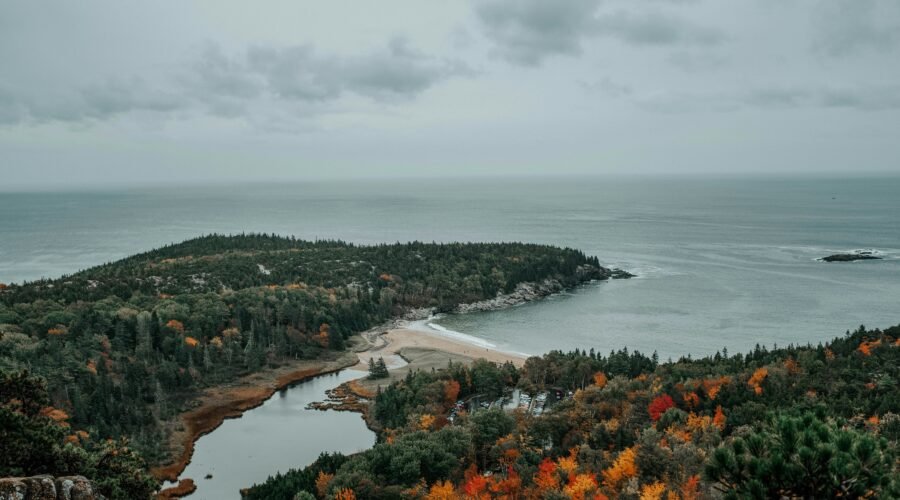
- September/Early October: This is arguably the most beautiful time. Daytime temperatures are comfortably in the 60s and 70s Fahrenheit (15-24°C), with crisp, cool evenings. The leaves start changing, offering stunning fall foliage, usually peaking in early to mid-October.
- Crowds: Significantly fewer people than in peak summer. You’ll still see visitors, but parking is easier to find, trails are less congested, and restaurants are more accessible. September, in particular, sees a noticeable drop-off in crowds after Labor Day.
- Cost: Accommodation prices start to drop compared to peak season, offering better value. Some activities might be slightly cheaper or offer shoulder-season rates.
- Best for: Hikers, photographers (especially for fall foliage), couples, and anyone seeking a more relaxed yet still active trip without the intense summer crowds. Many businesses are still fully operational.
1.3. Off-Season: Late October to April
This is when Bar Harbor truly quiets down. Many businesses close for the winter, and Acadia National Park has limited access.
- Weather:
- Late October/November: Cooler temperatures, often in the 40s and 50s Fahrenheit (4-10°C). Increasingly likelihood of rain and wind. Fall foliage can extend into early November, but many leaves will have dropped.
- Winter (December-March): Cold, snowy, and often icy. Temperatures are typically below freezing, sometimes dipping well below zero. Many park roads are closed to vehicles but open for cross-country skiing and snowshoeing.
- Spring (April/Early May): Still chilly, with temperatures in the 40s and 50s Fahrenheit (4-15°C). Snow melt can make trails muddy. Many businesses are still closed or just beginning to open up for the season.
- Crowds: Minimal to non-existent. You might feel like you have the place to yourself.
- Cost: The absolute cheapest time to visit. Accommodation options are very limited, but what’s available will be at its lowest rates. Flights and car rentals are also at their lowest.
- Best for: True solitude seekers, winter sports enthusiasts (cross-country skiing, snowshoeing), budget travelers who don’t mind limited services, or those who want to see a very different, rugged side of Maine. Be prepared for closures and plan accordingly.
If you’re planning a trip to Bar Harbor, Maine, understanding the best time to visit can greatly enhance your experience. For more insights on travel considerations, including weather patterns, crowd levels, and cost factors, you might find this related article helpful: Cookie Policy. This resource can provide additional context on planning your visit and ensuring a memorable stay in this beautiful coastal town.
2. Navigating Acadia National Park
Acadia is the star of the show. Understanding its dynamics, especially regarding accessibility and crowd management, is crucial for an enjoyable visit.
2.1. Park Loop Road Access
The iconic Park Loop Road is your gateway to many of Acadia’s highlights.
- Peak Season Strategy: During July and August, the entire 27-mile loop is open, but be prepared for heavy traffic and full parking lots, especially at popular spots like Jordan Pond House, Cadillac Mountain, and Sand Beach. Consider using the free Island Explorer shuttle. Reservations are often required for Cadillac Mountain summit vehicle access.
- Shoulder Season Strategy: Early June and September offer the best of both worlds. The full road is open, traffic is lighter, and parking is more manageable. You might still need to scope out parking at peak times but generally it’s easier.
- Off-Season Limitations: From December 1st to April 14th, certain sections of Park Loop Road, including the section past Sieur de Monts and Jordan Pond, close to vehicles. The remaining sections are still accessible but may be unplowed. This is great for cross-country skiing and snowshoeing.
2.2. Cadillac Mountain Reservations
A recent and important change for peak season visitors.
- Peak Season Requirement: From late May to late October, vehicle reservations are required to drive up Cadillac Mountain Road. These are released in two batches: 90 days in advance and then a limited number 2 days in advance. They are time-specific and sell out quickly.
- Shoulder Season: Reservations typically end in mid-October when the main season winds down. Verify the exact dates on the NPS website before your trip.
- Off-Season: No reservations needed when the road is fully accessible in the off-season. However, the road may be closed to private vehicles due to snow and ice.
2.3. Island Explorer Shuttle
Your best friend for avoiding traffic and parking headaches.
- Operating Season: The Island Explorer runs from late June through Columbus Day (mid-October). It connects Bar Harbor with various points in Acadia, including popular trailheads, Jordan Pond, and Northeast Harbor.
- Benefits: It’s free, environmentally friendly, and saves you the stress of finding parking, especially during peak season. It also allows you to do one-way hikes without worrying about getting back to your car.
- Tips: Check the schedules and routes online. Some routes are more frequent than others. Be aware that the shuttles can still get crowded in July and August.
3. Accommodation Planning & Budgeting

Where you stay and how much you spend on it will significantly impact your overall trip cost.
3.1. Types of Accommodation
Bar Harbor offers a range of options, from luxurious to rustic.
- Hotels & Motels: Predominate in downtown Bar Harbor, offering convenience to shops, restaurants, and the waterfront. Expect higher prices, especially in peak season. Some are historic, others more modern.
- Inns & B&Bs: A charming option, often with unique character and personalized service. Many are located just outside the busiest downtown core but still within walking distance.
- Vacation Rentals (Airbnb/VRBO): Great for families or longer stays, offering kitchens and more space. These are found both in Bar Harbor and surrounding towns like Southwest Harbor or Northeast Harbor, which can be quieter and more affordable. Book well in advance.
- Campgrounds:
- Acadia National Park Campgrounds: Seawall (near Southwest Harbor) and Blackwoods (near Bar Harbor) are the two main campgrounds. Reservations are essential and open 6 months in advance; they sell out within minutes for peak dates.
- Private Campgrounds: Several private campgrounds exist just outside the park and Bar Harbor. These offer more amenities and can be a good backup if park campgrounds are full.
3.2. Cost Variations by Season
Your wallet will feel different depending on your travel dates.
- Peak Season (July/August): Expect hotel rooms to start well over $300-$500+ per night. Vacation rentals will also be at their premium. Camping is the most budget-friendly option, but spots are limited.
- Shoulder Seasons (May, Early June, September, Early October): Prices generally drop by 20-40% compared to peak season. You can find quality hotel rooms for $150-$300/night. Vacation rentals also become more affordable. This is a sweet spot for value.
- Off-Season (Late October-April): Very limited options, but what’s available will be at its lowest rates, potentially under $100-$150/night for a basic room. Many places close completely.
3.3. Dining & Activity Costs
Beyond lodging, consider your daily spending.
- Dining: Bar Harbor has everything from casual lobster shacks to upscale dining.
- Casual: Expect $15-$30 per person for a lobster roll, burger, or pizza.
- Mid-Range: $30-$60 per person for a sit-down dinner.
- Fine Dining: $60+ per person.
- Saving Tip: Pack lunches for hikes (sandwich and snacks) and consider having some meals in your accommodation if you have a kitchen. Grocery stores in Bar Harbor can be pricier; consider stocking up in Ellsworth on your way in if driving.
- Activities:
- Acadia National Park Entrance Fee: Currently $30 per vehicle for 7 days. You can buy this online or at visitor centers. Required during the main season.
- Boat Tours: Whale watching, lighthouse tours, nature cruises typically range from $50-$100+ per person. Book in advance, especially for popular times.
- Kayaking/Canoeing: Rentals usually $30-$60 for a few hours. Guided tours will be more.
- Bike Rentals: Around $30-$50 for a full day.
- Saving Tip: Many of Acadia’s best activities (hiking, walking carriage roads, exploring the tide pools) are free once you’ve paid the park entrance fee. Look for free ranger programs too.
4. Packing Essentials for Bar Harbor

No matter when you go, being prepared for Maine’s unpredictable coastal weather is key.
4.1. Layering is Your Friend
This cannot be stressed enough for Bar Harbor, even in summer.
- Versatile Clothing: Pack layers: t-shirts, long-sleeved shirts, a fleece or sweater, and a waterproof/windproof outer shell. Even in August, evenings can be chilly, and if a fog rolls in, temperatures can drop significantly.
- Fabrics: Opt for moisture-wicking materials for base layers if you plan to hike. Avoid cotton for active wear.
4.2. Footwear
Your feet will thank you for this.
- Hiking Boots/Shoes: Essential if you plan to hit any of Acadia’s trails, even the easier ones. Trails can be rocky, rooty, and wet.
- Comfortable Walking Shoes: For exploring downtown Bar Harbor, carriage roads, and flatter paths.
- Waterproof Shoes/Sandals: Useful for tide pooling or if you plan any water activities.
4.3. Gear & Accessories
Don’t forget the little things that make a big difference.
- Rain Gear: A waterproof jacket is non-negotiable, and rain pants are a good idea if you anticipate serious hiking in wet weather.
- Daypack: For carrying water, snacks, extra layers, and your camera on hikes.
- Water Bottle/Hydration Pack: Stay hydrated, especially on trails.
- Sun Protection: Sunscreen, sunglasses, and a wide-brimmed hat are critical, even on cloudy days, due to sun reflection off the water and granite.
- Insect Repellent: Especially important in late spring and early summer for mosquitoes and black flies, particularly in wooded areas.
- Headlamp/Flashlight: Useful for early morning/late evening hikes, stargazing, or if you’re camping.
- Camera & Binoculars: For capturing Acadia’s beauty and spotting wildlife.
- Maps & Navigation: Download offline maps for Acadia National Park (Google Maps, AllTrails, NPS app) as cell service can be spotty. Pick up a physical map at the visitor center.
If you’re planning a trip to Bar Harbor, Maine, understanding the best time to visit is crucial for maximizing your experience. For insights on how weather, crowds, and costs can influence your travel plans, you might find it helpful to read a related article that delves deeper into these factors. This resource can provide you with valuable tips to ensure your visit aligns with your preferences. To learn more, check out this informative piece on traveling to Bar Harbor.
5. Getting Around Bar Harbor & Beyond
| Month | Weather | Crowds | Costs |
|---|---|---|---|
| June | Mild and pleasant | Moderate | High |
| July | Warm and sunny | High | High |
| August | Warm and sunny | High | High |
| September | Mild and pleasant | Moderate | High |
| October | Cool and crisp | Low | Low |
Transportation plays a role in both convenience and cost.
5.1. Car Rental
Often the most flexible option for exploring the broader Mount Desert Island.
- Necessity: A car gives you the freedom to explore all corners of Acadia National Park, visit towns like Northeast Harbor or Southwest Harbor, and easily access specific trailheads.
- Parking: Can be a challenge in Bar Harbor downtown and at popular Acadia spots during peak season. Be prepared to scope out spots or arrive very early/late.
- Cost Implications: Factor in rental fees (which can be substantial in peak season), gas, and potentially parking fees in some areas.
5.2. Bikes
An excellent way to explore Acadia’s carriage roads.
- Carriage Roads: Over 45 miles of historic, gravel carriage roads are perfect for biking. They are car-free and offer stunning scenery.
- Rentals: Available in Bar Harbor and near some park entrances.
- Cost Factor: Renting bikes for a day or two can be a fun activity. If you bring your own, it’s free!
5.3. Walking
Downtown Bar Harbor is very walkable.
- Village Exploration: Shops, restaurants, the waterfront, and the Shore Path are all easily accessible on foot from most downtown accommodations.
- Bar Island Walk: A unique experience at low tide, check tide charts!
5.4. Island Explorer Shuttle (Revisited)
As mentioned, this free service is fantastic.
- Strategic Use: Combine it with walking or biking to minimize car usage. Park your car once and use the shuttle for the rest of the day.
By considering these aspects – timing your visit, understanding park logistics, planning your accommodation and daily spend, and packing intelligently – you’re well on your way to crafting a memorable and perfectly tailored trip to Bar Harbor and Acadia National Park. Enjoy the planning, and even more, enjoy the majestic beauty of coastal Maine!
FAQs
1. What is the best time to visit Bar Harbor, Maine for good weather?
The best time to visit Bar Harbor, Maine for good weather is during the summer months, from June to August. This is when the temperatures are warm and the days are long, making it ideal for outdoor activities.
2. When is the peak tourist season in Bar Harbor, Maine?
The peak tourist season in Bar Harbor, Maine is during the summer months, from June to August. During this time, the town experiences the highest number of visitors and the most crowded conditions.
3. What is the off-peak season in Bar Harbor, Maine?
The off-peak season in Bar Harbor, Maine is during the fall months, from September to October. This is when the crowds start to thin out, the weather is still pleasant, and the fall foliage is at its peak.
4. When is the best time to visit Bar Harbor, Maine to avoid crowds?
The best time to visit Bar Harbor, Maine to avoid crowds is during the shoulder seasons of spring (April to May) and fall (September to October). During these times, the weather is still pleasant, but the crowds are much smaller compared to the peak summer months.
5. What is the most cost-effective time to visit Bar Harbor, Maine?
The most cost-effective time to visit Bar Harbor, Maine is during the off-peak seasons of spring (April to May) and fall (September to October). During these times, accommodations and activities are often more affordable compared to the peak summer months.