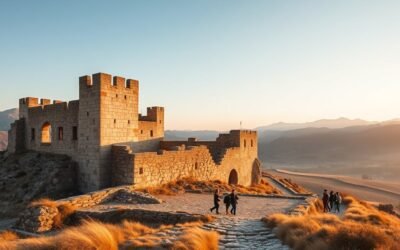
Planning a trip to Musabeyli in Kilis requires navigating southeastern Anatolia’s distinct seasonal swings—from scorching, arid summer afternoons to crisp, wet winter mornings. Timing your visit correctly ensures pleasant weather for outdoor exploration, better travel rates, and access to local culinary traditions.
Quick Answer
The best time to visit Musabeyli, Kilis is during the shoulder months of April to May and September to October. During these windows, daytime temperatures range comfortably between 18°C and 26°C (64°F–79°F), avoiding peak summer heat exceeding 36°C while offering optimal conditions for walking village trails, visiting historical landmarks, and enjoying seasonal olive and grape harvests.
Key Takeaways
- Prime Visiting Windows: April–May brings green rolling hills and wildflowers, while September–October coincides with regional olive and grape harvests.
- Summer Realities: July and August frequently surpass 35–38°C (95–100°F), making midday outdoor activity difficult.
- Winter Conditions: November through March brings regular rainfall, chilly daytime highs (6–12°C), and near-freezing nights.
- Cost & Crowd Savings: Spring and autumn shoulder seasons offer 15–35% lower accommodation rates compared to regional summer peaks.
- Logistics: Musabeyli is best accessed by flying into Gaziantep Airport (GZT), followed by regional minibuses (dolmuş) or a rental car from Kilis city center.
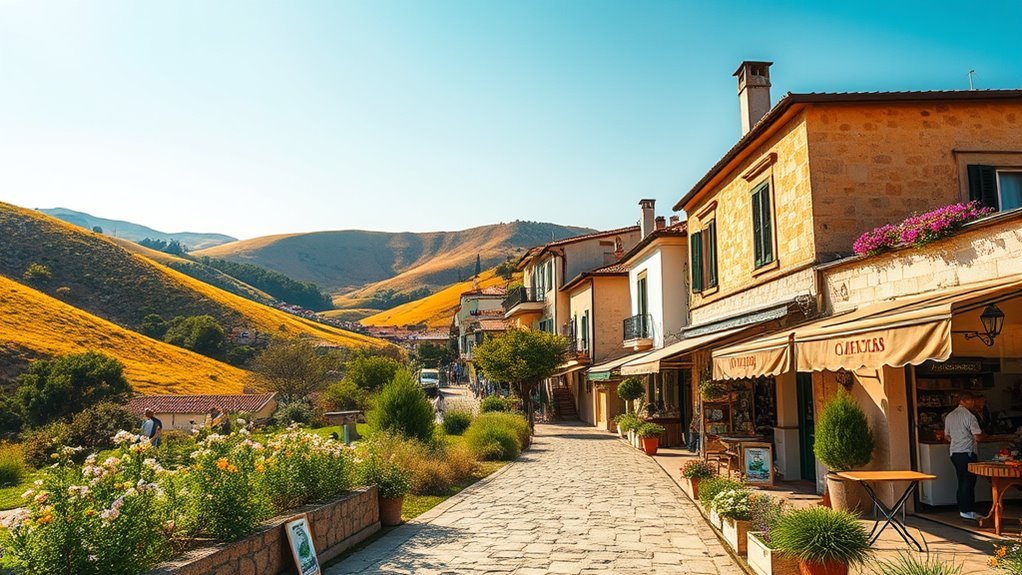
Musabeyli’s Climate Year‑Round: What to Expect
Musabeyli sits in a transitional climatic zone between the Mediterranean basin and the continental steppe of southeastern Turkey. This geographical position creates marked seasonal contrasts: hot, dry summers dominated by clear skies, and cool, rainy winters with occasional frosty mornings.
Precipitation is heavily concentrated from late November through March, whereas the summer months experience near-zero rainfall. Humidity remains relatively low throughout the year, meaning high summer heat feels dry rather than muggy, while spring and autumn deliver crisp mornings and pleasantly warm afternoons.
Seasonal Temperature Ranges
Understanding the seasonal temperature arc helps travelers pack correctly and plan daily itineraries around outdoor comfort:
- Spring (April–May): Daytime highs average 18–25°C (64–77°F), with night lows dropping to 8–13°C (46–55°F). Ideal for outdoor sightseeing and countryside walks.
- Summer (June–August): Daytime highs regularly climb to 34–39°C (93–102°F), with intense midday sun and night temperatures settling around 20–23°C (68–73°F).
- Autumn (September–November): September and October retain comfortable warmth at 22–28°C (72–82°F), before November drops sharply to 14–17°C (57–63°F).
- Winter (December–March): Daytime temperatures hover between 6–11°C (43–52°F), while nighttime temperatures frequently dip near freezing (0–4°C / 32–39°F).
Rainfall and Humidity
Precipitation patterns in Kilis province are distinctly Mediterranean. The rainy season starts in late autumn, peaks between December and February (averaging 70–90 mm per month), and tapers off significantly by mid-May. Brief convective thunderstorms occur in April, but they rarely disrupt travel for more than an hour or two.
Summers are almost completely arid, with July and August typically receiving less than 5 mm of total rainfall. Packing a lightweight waterproof shell is recommended from November through April, while high-SPF sunscreen and wide-brimmed hats are mandatory from June through September.
Best Months to Visit
For the best balance of pleasant temperatures, manageable daylight hours, and active local village life, target late April through May or mid-September through October. These periods avoid the dehydrating heat of midsummer while allowing full access to hiking routes, historical landmarks, and agricultural harvests.
Monthly Snapshot: Temperatures, Rain, and What That Means
The table below summarizes monthly climate data and travel conditions based on regional records from the Turkish State Meteorological Service (MGM):
| Month | Avg High | Avg Low | Rainfall | Travel Verdict |
|---|---|---|---|---|
| January | 8°C (46°F) | 1°C (34°F) | 85 mm | Cold, wet; lowest hotel prices. |
| February | 10°C (50°F) | 2°C (36°F) | 75 mm | Chilly and damp; quiet village pace. |
| March | 14°C (57°F) | 5°C (41°F) | 65 mm | Early spring thaw; occasional showers. |
| April | 19°C (66°F) | 9°C (48°F) | 45 mm | Great: Green hills and comfortable days. |
| May | 25°C (77°F) | 14°C (57°F) | 25 mm | Optimal: Warm, mostly dry, long daylight. |
| June | 31°C (88°F) | 19°C (66°F) | 5 mm | Hot and sunny; early morning touring needed. |
| July | 35°C (95°F) | 22°C (72°F) | 1 mm | Very hot; midday sightseeing discouraged. |
| August | 36°C (97°F) | 23°C (73°F) | 1 mm | Peak heat; stay hydrated, plan shaded stops. |
| September | 31°C (88°F) | 18°C (64°F) | 6 mm | Great: Cooling weather; grape harvest begins. |
| October | 24°C (75°F) | 13°C (55°F) | 30 mm | Optimal: Olive harvest season; pleasant air. |
| November | 16°C (61°F) | 7°C (45°F) | 55 mm | Crisp autumn transition; rain increases. |
| December | 10°C (50°F) | 3°C (37°F) | 85 mm | Cold, frequent rain; short daylight hours. |
Peak Summer (Jun–Aug) in Musabeyli: Heat, Crowds, and Prices
Summer in Musabeyli brings prolonged sunshine, with July and August temperatures regularly exceeding 35°C (95°F). The intense sun alters the rhythm of rural life: local markets and agricultural work start at dawn, while streets and outdoor squares quiet down significantly between 12:00 PM and 5:00 PM.
Evenings come alive after sunset when families gather at outdoor tea gardens (çay bahçesi) and kebab restaurants. Accommodation prices in the wider Kilis and Gaziantep area see modest increases during summer weekends due to domestic travel and family visits.
Warning: Southeastern Anatolian summer heat carries a high UV index and low humidity. If visiting between late June and August, schedule open-air visits (such as walking around Ravanda Castle) before 10:00 AM or after 5:30 PM, carry at least 2 liters of water per person, and wear broad-spectrum sun protection.
Shoulder Seasons (Apr–May, Sep–Oct): Why They Work Best
The shoulder seasons represent the most practical, cost-effective, and scenic time to explore Musabeyli and surrounding Kilis province.
Milder Temperatures for Exploring
Spring (April–May) blankets the countryside with green grasses and wild poppies, offering daytime temperatures around 19–25°C. Autumn (September–October) cools down from the summer peak to comfortable averages in the mid-20s°C, creating ideal walking conditions for exploring hillside orchards, ancient stone settlements, and regional historic routes without heat stress.
Fewer Tourists, Easier Access
Because Musabeyli is primarily a rural district, traveling in April–May or September–October allows visitors to experience local life without competing with domestic summer vacation crowds. Regional minibuses run reliably, local restaurants offer unhurried service, and historical sites allow quiet exploration.
Lower Travel Costs
Shoulder seasons offer notable discounts across regional flights into Gaziantep (GZT), hotel bookings in Kilis city center, and vehicle rentals. Booking midweek stays in April, May, September, or October yields the best value.
| Booking Category | Typical Savings vs. Peak Summer | Practical Advantage |
|---|---|---|
| Regional Flights (GZT) | 20–40% | Lower fares from Istanbul and Ankara hubs. |
| Hotels & Guesthouses | 15–35% | Greater room availability and flexible cancellation. |
| Car Rentals | 15–30% | More vehicle options available at Gaziantep Airport. |
| Dining & Local Markets | Standard Local Pricing | Access to fresh seasonal olive oil and grape molasses. |
Pro Tip: Visit in late October to witness the annual olive harvest. Kilis is renowned for its endemic Kilis Yağlık olive, known for its high oil content. Local pressing mills and village cooperatives are active during this time, providing an authentic look at regional olive oil production.
Winter in Musabeyli (Nov–Mar): Cold, Quiet, and Low-Season Savings
Winter in Musabeyli is characterized by chilly air, regular rainfall, and occasional light snowfall on surrounding hills. Daytime highs average 6–11°C, with overnight lows occasionally dropping below freezing.
While outdoor activities require heavy coats and waterproof footwear, winter travel offers genuine tranquility and the lowest lodging rates of the year. It is also the ideal season to enjoy hearty regional dishes such as Kilis Tava (spiced minced meat baked in a tray) and warm soups in local village eateries.
Seasonal Trade‑Offs: Weather, Crowds, Events, and Availability
Choosing your travel window involves balancing climate comfort with local agricultural cycles and pricing:
Weather Versus Comfort
- Spring: Lush scenery, mild temperatures, occasional light rain; excellent for hiking and photography.
- Summer: Very hot, intense sun, dry; suited only for early morning excursions and evening dining.
- Autumn: Moderate temperatures, harvest activity, clear skies; best overall balance for all traveler types.
- Winter: Cold, wet, short daylight hours; best for budget-conscious travelers seeking quiet countryside escapes.
Crowds and Accommodation Availability
Because Musabeyli does not experience mass international tourism, accommodation availability is stable year-round. Most visitors base themselves in Kilis city center (approximately 20–25 km southeast) or Gaziantep (approximately 65 km northeast), where boutique stone mansions and standard business hotels operate continuously.
“Visiting Kilis in October pairs comfortable 24°C days with the bustling rhythm of the traditional olive and grape harvests.”
Budget Planning: Finding the Best Rates on Lodging and Dining
To maximize your travel budget in Musabeyli and Kilis province:
- Travel Midweek in Shoulder Seasons: Hotel rates in Kilis city center drop by 15–25% between Tuesday and Thursday compared to weekend stays.
- Dine at Traditional Lokantas: Family-run casual restaurants (esnaf lokantası) provide wholesome regional stews, flatbreads, and grilled meats at fixed local prices.
- Book Flights Early: For travel during October harvest weeks or April spring breaks, reserve flights to Gaziantep Airport at least 3–4 weeks in advance.
- Use Public Transit for City-to-Town Legs: Regular municipal minibuses (dolmuş) connect Kilis center with Musabeyli for minimal fares.
Traveler Profiles: Who Should Visit When
- Families with Children: Visit in May or October when temperatures are moderate, allowing comfortable outdoor walks without midsummer heat exhaustion.
- Budget Travelers & Backpackers: Target November or March for the lowest regional transport and accommodation rates.
- Photographers & Nature Enthusiasts: Plan for late April to mid-May to capture green rolling hills, wildflowers, and dynamic spring skies.
- Culinary & Cultural Travelers: Visit in September or October to experience fresh olive pressing, grape molasses (pekmez) making, and autumn harvest traditions.
Practical Travel Tips: Packing, Transit, and Cultural Etiquette
Preparing for regional customs and varying weather ensures a smooth trip to Musabeyli:
Note: Musabeyli is a traditional rural district. When visiting village centers, mosques, and family-run agricultural sites, dress modestly (covering shoulders and knees) to respect local cultural norms.
- Packing Strategy: Bring versatile layers. For spring and autumn, pack a breathable windbreaker, walking shoes with good traction for uneven terrain, and a light fleece for cool evenings.
- Transit Connections: The easiest route is flying into Gaziantep Airport (GZT), taking an airport shuttle to Kilis city center, and catching a local dolmuş or rental car to Musabeyli.
- Hydration & Water: Always drink bottled or filtered water rather than municipal tap water in rural districts.
Frequently Asked Questions
Are there any local festivals in Musabeyli not tied to seasons?
Most cultural events in Musabeyli and wider Kilis province revolve around agricultural cycles, notably the autumn olive and grape harvests in October and November. Smaller municipal cultural and crafts gatherings occur in spring and summer, but schedules vary year by year based on local municipal announcements.
Is public transport available from Kilis to Musabeyli year-round?
Yes. Local minibuses (dolmuş) run daily between the central bus terminal in Kilis and Musabeyli. Services operate on daytime schedules, with higher frequency during morning and late-afternoon commute hours.
Are there guided historical tours in Musabeyli?
Formal, scheduled group tours within Musabeyli itself are limited due to its rural nature. However, regional tour operators based in Gaziantep and Kilis offer private day excursions covering historical points of interest such as Ravanda Castle. Independent travel via rental car is also straightforward.
Can travelers with mobility issues access main sites in Musabeyli?
Accessibility can be challenging. Village centers and historical sites often have uneven stone pathways, gravel roads, and gentle incline steps without dedicated ramps. Travelers with mobility limitations should arrange private transport and check specific site access beforehand.
Is tap water safe to drink in Musabeyli?
It is best to avoid drinking tap water directly in rural districts like Musabeyli. Stick to sealed bottled water or use a reliable purification system for drinking and brushing teeth to prevent travel-related stomach upset.
Conclusion
Visiting Musabeyli between April and May or September and October offers the ideal combination of mild 18–26°C temperatures, clear skies, and manageable crowds. These shoulder windows allow you to explore rural landscapes, historic castle viewpoints, and local agricultural traditions comfortably while saving 15–35% on regional lodging and transport. Pack versatile layers, sturdy footwear, and a light jacket to enjoy an authentic and relaxed journey through Kilis province.
Sources
- Turkish State Meteorological Service (MGM) — Official climate averages, precipitation records, and seasonal temperature data for Kilis province.
- GoTürkiye (Official Tourism Portal of Turkey) — Regional travel guidelines, culinary heritage, and southeastern Anatolia seasonal overview.
- Kilis Governorship (Kilis Valiliği) — Administrative and district infrastructure data for Musabeyli.