

New Hampshire changes dramatically through the year, so the best season depends on whether you want fall foliage, warm lake days, skiing, hiking, or lower travel costs. This guide compares weather, crowd peaks, seasonal costs, major travel dates, and the experiences each part of the year does best.
Quick Answer
For the best balance of weather, crowds, and cost, visit New Hampshire in early to mid-September or from late May into early June. September is the stronger all-around choice because summer crowds ease before peak foliage traffic arrives. Late spring is quieter, but muddy trails and black flies can make some mountain areas less comfortable.
Last checked: October 5, 2026. Dates and figures were verified against official sources.
Key Takeaways
- July and August are best for swimming, boating, beaches, and the widest range of warm-weather attractions, but they also bring heavy summer demand.
- Fall color normally reaches northern New Hampshire first, then moves through the White Mountains and into southern and coastal areas during October.
- April, early May, and November are among the quietest periods, although seasonal attractions may have limited hours or be closed.
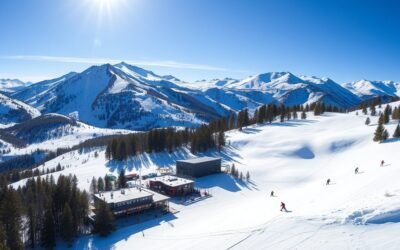
- January through March is the main window for skiing and snow-based trips in the mountains.
- Late spring looks attractive on paper, but black flies can be significant from May into June, especially in northern and higher-elevation areas.
Best Time to Visit New Hampshire by Month
For most general sightseeing trips, September offers the easiest mix of comfortable temperatures and manageable crowds. July and August suit lake vacations, October is the foliage specialist’s choice, and midwinter is best if skiing is the reason for your trip.
The temperature figures below use NOAA/NWS 1991–2020 climate normals for Concord Municipal Airport. Concord is a useful planning baseline, but the White Mountains and far northern New Hampshire are generally colder, especially at elevation.
| Month | Concord normal high / low | Crowd and cost pressure | Best for / busy timing |
|---|---|---|---|
| January | 31.6°F / 12.9°F | Moderate overall; high around ski areas on weekends | Skiing, snowboarding, snowshoeing; Martin Luther King Jr. Day is January 18, 2027 |
| February | 34.8°F / 14.7°F | High at winter resorts during weekends and school-holiday periods | Reliable winter recreation; Washington’s Birthday is February 15, 2027 |
| March | 43.6°F / 23.3°F | Moderate in ski areas; low elsewhere | Late-season skiing and maple-sugaring trips |
| April | 57.5°F / 33.3°F | Low | Waterfalls, quiet towns, off-season stays; expect mud and lingering mountain snow |
| May | 69.3°F / 44.1°F | Low to moderate | Spring scenery and lower-elevation hiking; Memorial Day is May 31, 2027 |
| June | 77.8°F / 53.7°F | Moderate; locally high in the Lakes Region | Hiking, lakes and long days; Laconia Motorcycle Week runs June 12–20, 2027 |
| July | 83.0°F / 59.2°F | High | Swimming, boating, beaches and family attractions; Independence Day is observed July 5, 2027 |
| August | 81.7°F / 57.2°F | High | Lake vacations, camping, beaches and full summer schedules |
| September | 73.7°F / 49.0°F | Moderate after Labor Day; rising late in the month | Best all-around weather; Labor Day is September 6 and NH Highland Games are September 17–19, 2027 |
| October | 60.9°F / 37.8°F | Very high in peak-foliage areas | Leaf peeping and crisp-weather hiking; October 11, 2027 is a federal holiday |
| November | 48.4°F / 28.7°F | Low outside Thanksgiving | Quiet town trips and off-season value; Thanksgiving is November 25, 2027 |
| December | 37.1°F / 19.5°F | Moderate to high near ski areas and holidays | Early ski trips and holiday getaways; Christmas is observed December 24, 2027 |
The holiday dates above come from the U.S. Office of Personnel Management’s 2027 federal holiday schedule. A federal holiday does not guarantee every attraction will be crowded, but long weekends can increase road traffic and lodging demand.
Spring in New Hampshire: March Through May
Spring is best for quieter sightseeing, waterfalls, maple season, and travelers who do not mind changeable conditions. March can still look and feel like winter in the mountains, while May is much milder in the valleys.
Spring Weather and Trail Conditions
Concord’s normal high rises from 43.6°F in March to 69.3°F in May. Higher terrain warms more slowly, so a sunny town forecast does not mean mountain trails are snow-free.
Melting snow also means wet ground, swollen streams, and muddy trails. That makes spring excellent for waterfall viewing but less predictable for high-elevation hiking.
Black Flies Are the Main Late-Spring Trade-Off
Late May and early June have comfortable temperatures, but insects can affect the experience. According to the University of New Hampshire Extension’s black-fly guidance, an important biting species is usually active in southern New Hampshire from early or mid-May through the end of May.
In northern New Hampshire, it tends to emerge from late May into early June and can remain abundant through June, sometimes longer at higher elevations. If you are very sensitive to biting insects, September is usually the safer all-around choice.
Spring Crowds and Costs
April generally has some of the year’s lightest leisure traffic. May becomes busier as attractions reopen and Memorial Day approaches, but it normally remains less intense than midsummer or peak-foliage weekends.
Accommodation demand is also generally softer outside holiday weekends. The trade-off is that some seasonal attractions, tours, campgrounds, and food businesses may not yet be operating on their full summer schedules.
Best Things to Do in Spring
- Maple season: March is a classic time for sugarhouse visits and maple-focused events.
- Waterfalls: Snowmelt can make cascades especially powerful.
- Lower-elevation hikes: Choose trails that are dry enough to handle foot traffic without damaging the surface.
- Town exploring: Portsmouth, Concord, Keene, and small mountain towns are easier to enjoy before summer and foliage crowds build.
- Scenic drives: Valley roads provide mountain views even when higher trails still have winter conditions.
Spring suits you if: you value quiet roads, lower demand, waterfalls, maple experiences, and flexible plans more than perfect trail conditions.
Summer in New Hampshire: June Through August
Summer is the best season for lakes, beaches, camping, long hikes, and the widest choice of open attractions. It is also one of the busiest periods, especially in July and August.
Summer Weather
At Concord, normal highs are 77.8°F in June, 83.0°F in July, and 81.7°F in August. June generally feels milder, while July and August bring the warmest lake and beach weather.
Mountain weather can still differ sharply from valley conditions. Even on warm days, exposed summits can be much cooler and windier than the trailhead.
Summer Crowds and Busy Dates
June is usually easier than July and August, but specific events can create sharp local crowd spikes. The official Laconia Motorcycle Week calendar lists the 104th rally for June 12–20, 2027, so expect unusually strong traffic and accommodation demand around Laconia, Weirs Beach, and the Lakes Region during that period.
July and August bring family vacations, beach traffic, lake rentals, and busy trailhead parking. Holiday periods add another layer of demand, particularly around Independence Day.
Summer Costs
Lodging demand is strong near Lake Winnipesaukee, the White Mountains, and the Seacoast. Last-minute choices can become limited on weekends, so summer rewards travelers who reserve high-demand accommodation earlier.
Not every outdoor day needs to be expensive. Scenic driving, town walks, and many hiking routes have no attraction admission, although individual parks and parking areas can charge fees.
Best Things to Do in Summer
- Lake days: Swim, boat, kayak, or paddle on Lake Winnipesaukee, Squam Lake, and Lake Sunapee.
- Hiking: Summer offers the broadest access to mountain routes, although temporary closures and weather hazards are always possible.
- Seacoast beaches: Hampton and the surrounding coast are at their most active.
- Camping: Most seasonal campgrounds and facilities operate during the warm-weather season.
- Scenic drives: The Kancamagus Highway and Franconia Notch are rewarding even without fall color.
- Family attractions: Theme parks, historic sites, scenic rides, and outdoor attractions generally operate on their fullest schedules.
Summer suits you if: you want warm water, long daylight, a full attraction calendar, and the greatest choice of outdoor activities.
Fall in New Hampshire: September Through November
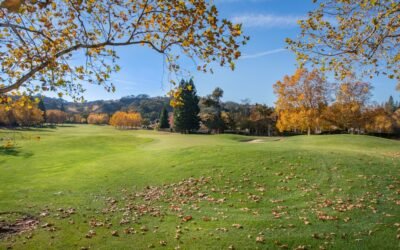
Fall is the best time to visit New Hampshire if foliage is your main goal. September begins with mild weather, October brings the main leaf-peeping rush, and November becomes quiet after most leaves have dropped.
When Does New Hampshire Fall Foliage Peak?
The timing changes with elevation and weather, so the whole state does not peak at once. The official Visit NH foliage tracker says peak color typically begins in the Great North Woods during the last week of September.
The White Mountains usually reach their best color during the first two weeks of October. Southern and coastal New Hampshire often see their strongest color during the second half of October.
That north-to-south progression is useful if your dates are fixed. If northern foliage is already past peak, moving south can extend your chances of seeing strong color.
Fall Weather
September is especially comfortable for outdoor travel, with Concord normals of 73.7°F by day and 49.0°F at night. October is cooler at 60.9°F and 37.8°F, while November drops to 48.4°F and 28.7°F.
Higher mountain elevations can see frost, strong wind, or even early snow before valleys do. Daylight also shortens quickly as the season progresses.
Fall Crowds and Major Dates
Early September becomes noticeably quieter after Labor Day, making it one of the strongest windows for hiking and road trips. Crowds then build again as foliage develops.
The 2027 New Hampshire Highland Games & Festival is scheduled for September 17–19 at Loon Mountain Resort in Lincoln. That event falls near the start of the mountain foliage season and adds demand in an already popular White Mountains destination.
Peak-foliage weekends in October can produce full trailhead lots, slow scenic-road traffic, and limited accommodation. The October 11, 2027 federal holiday also creates a long-weekend travel period during the normal foliage window.
Best Fall Activities
- Foliage drives: The Kancamagus Highway, Franconia Notch, Route 112, and smaller back roads provide varied scenery.
- Hiking: Cooler temperatures are comfortable, but wet leaves can make rocky trails slippery.
- Apple picking: Orchards and farm stands are a classic September and October activity.
- Farmers markets and harvest stops: Fall produce and seasonal foods add an easy break to road trips.
- Scenic lifts: Some ski areas operate fall sightseeing rides, but schedules vary by resort.
Note: Do not plan a foliage trip around the Cannon Mountain Aerial Tramway. The Cannon Mountain Aerial Tramway is currently closed and retired while a third-generation replacement is being developed.
Fall suits you if: foliage, cool hiking weather, orchards, and scenic road trips matter more than avoiding every crowd.
Winter in New Hampshire: December Through February
Winter is the right season for skiing, snowboarding, snowshoeing, and a snow-covered mountain getaway. Outside ski destinations and holiday periods, many parts of the state can feel surprisingly quiet.
Winter Weather
Concord’s normal high falls to 37.1°F in December, 31.6°F in January, and 34.8°F in February. Nights normally drop well below freezing.
The mountains are colder, snowier, and windier. March is technically spring in this guide, but mountain ski conditions can continue well into that month.
Winter Crowds and Costs
Crowds concentrate around alpine resorts, Nordic centers, snow-tubing areas, and winter holiday weekends. January and February weekend lodging near major ski areas can be much more competitive than accommodation in towns away from the mountains.
Midweek winter stays and non-ski destinations tend to be quieter. November and early December can also offer low demand, although snow coverage and attraction openings are less certain early in the season.
Best Things to Do in Winter
- Downhill skiing and snowboarding: The White Mountains have several major alpine areas.
- Cross-country skiing: Nordic centers and groomed trail systems operate in snowy regions.
- Snowshoeing: A good option when you want a slower-paced winter day.
- Ice skating: Outdoor rinks are available in various towns when conditions allow.
- Winter town trips: Portsmouth, North Conway, Lincoln, and other destinations offer restaurants, shops, and indoor breaks between outdoor activities.
Winter suits you if: snow is part of the attraction rather than a travel inconvenience.
Which Season Is Best for Your Trip?
Your ideal timing becomes much clearer once you decide what the trip is actually for. The windows below preserve the best parts of each season while highlighting their main trade-offs.
| Trip goal | Best time | Why |
|---|---|---|
| Best overall weather | Early to mid-September | Warm days, cool nights, lower humidity, and lighter crowds after Labor Day |
| Avoiding crowds | April, early May, or November | Tourism demand is low, although weather and seasonal closures are less predictable |
| Budget travel | April–early May and November–early December | Lower demand generally improves accommodation choice outside holiday weekends |
| Fall foliage | Late September through the second half of October | Color normally starts in the north and progresses south through October |
| Winter sports | January through March | This is the core period for skiing and other snow-based activities in the mountains |
| Lake activities | July and August | The warmest weather favors swimming, boating, kayaking, and beach days |
How Much Should You Expect to Spend on Attractions?
The season affects lodging far more than it affects fixed public-park admission. Summer and foliage weekends create the strongest accommodation demand, while shoulder periods usually give you more choice.
For a useful baseline, the current New Hampshire State Parks fee schedule lists standard day-use admission at $4 for adults and $2 for ages 6–11. Selected high-use parks charge $5 for adults.
Hampton Beach State Park South, Monadnock State Park, and Wallis Sands State Park list a $15 per-vehicle charge. Flume Gorge lists admission of $18 for adults and $16 for youth ages 6–11. Children age 5 and under are free at the listed day-use parks.
Those figures make it possible to build low-cost days around scenic drives, hiking, beaches, and town visits while reserving more of your budget for accommodation, food, and paid attractions.
Frequently Asked Questions
What is the best time to visit New Hampshire for favorable weather?
Early to mid-September offers the best overall weather for many travelers. Concord’s normal September high is 73.7°F, nights are cool, and summer humidity and vacation traffic begin to ease before the heaviest peak-foliage crowds arrive.
When is the best time to visit New Hampshire to avoid crowds?
April, early May, and November are among the quietest periods. The trade-off is cooler or wetter weather, muddy spring trails, and reduced operating schedules at some seasonal attractions.
What is the most cost-effective time to visit New Hampshire?
April through early May and November through early December are usually the strongest budget windows outside holiday weekends. Lower tourism demand generally means more lodging choice than midsummer or peak-foliage weekends.
When is peak tourist season in New Hampshire?
New Hampshire has two major peak periods: summer vacation season, especially July and August, and fall foliage weekends from late September through October. Ski towns also become busy on winter weekends and holiday periods.
When is peak fall foliage in New Hampshire?
Peak foliage normally begins in the Great North Woods during the last week of September, reaches the White Mountains in the first two weeks of October, and moves into southern and coastal areas during the second half of October.
Is March winter or spring in New Hampshire?
March is calendar spring in this guide, but mountain conditions can still be very wintry. Skiing often continues, snow remains at elevation, and trails may have ice or deep snow even while lower valleys begin to thaw.
What activities are best in each season?
Spring is best for maple season, waterfalls, and quiet sightseeing; summer for lakes, beaches, hiking, and camping; fall for foliage, orchards, and scenic drives; and winter for skiing, snowboarding, snowshoeing, and snowy mountain getaways.
To learn more about the people behind our travel content, visit our meet our team page. You can also read our editorial policy.
Sources
- NOAA/National Weather Service — Concord Monthly Normals: 1991–2020 monthly temperature normals used in the weather table.
- U.S. Office of Personnel Management — Federal Holidays: 2027 federal holiday dates used to identify potential long-weekend travel periods.
- University of New Hampshire Extension — Black Flies: spring and early-summer black-fly timing.
- Laconia Motorcycle Week: June 12–20, 2027 rally dates.
- Visit New Hampshire — Foliage Tracker: typical north-to-south foliage progression and peak windows.
- NHSCOT — New Hampshire Highland Games & Festival: September 17–19, 2027 event dates.
- New Hampshire State Parks — Parking & Entry Fees: current day-use, parking, and Flume Gorge admission figures.
- New Hampshire State Parks — Cannon Mountain Aerial Tramway: current tram closure and replacement status.

[…] If you’re comparing how weather, crowds, and seasonal costs affect other trips, you can also read Best Time to Visit Karahalli, Usak: Weather, Crowds, and Costs and this guide to the best time to visit New Hampshire. […]