

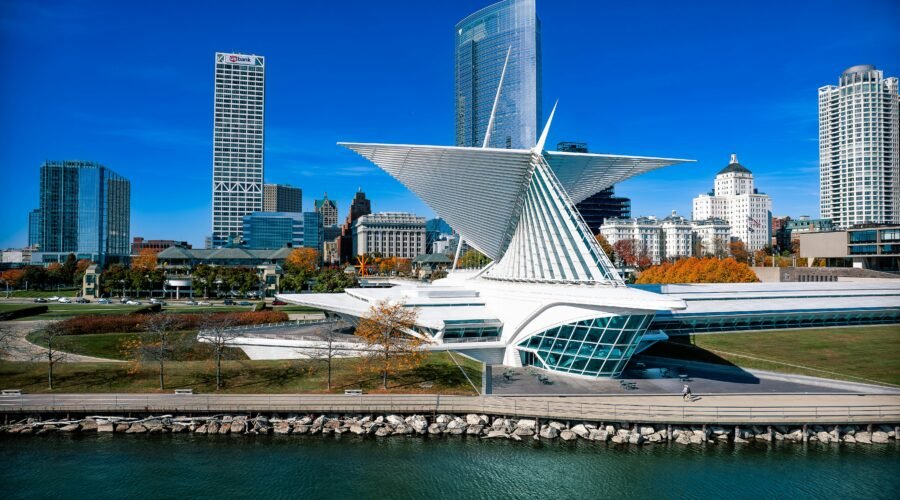
Milwaukee has something to offer year-round, but the sweet spot for a visit, balancing good weather, manageable crowds, and reasonable costs, is definitely late spring (May-early June) or early fall (September-early October). You’ll get pleasant temperatures, fewer huge festivals cramming the streets, and decent prices on accommodation and flights compared to the peak summer season. Let’s dig into the details.
Understanding Milwaukee’s weather patterns is key to planning your trip. The Great Lakes have a significant impact, making for distinct seasons, some more agreeable than others.
1.1 Summer (June-August): The Peak, But Be Prepared
Summer in Milwaukee, particularly from mid-July to mid-August, is when the city truly comes alive. It’s warm, often hot and humid, and the lake provides a refreshing breeze – sometimes.
- Average Temperatures: Expect daily highs in the upper 70s to low 80s Fahrenheit (25-29°C), with overnight lows in the mid-60s (18-20°C). Humidity can make it feel warmer, especially inland.
- Rainfall: Summer can bring thunderstorms, sometimes severe. They tend to be fast-moving, though, so don’t expect days of continuous rain.
- Sunshine: Long daylight hours mean plenty of opportunities to explore.
- What to Pack: Light, breathable clothing is a must. Shorts, t-shirts, and sundresses are standard. Don’t forget a light rain jacket or umbrella and maybe a sweater for cooler evenings by the lake. Comfortable walking shoes are always a good idea.
1.2 Fall (September-November): Crisp Air and Fewer Crowds
Early fall is hands down one of the best times to visit. The air is crisp, the humidity drops, and the leaves start to change, painting the city in beautiful hues.
- Average Temperatures: September sees highs in the upper 60s (18-20°C) and lows in the 50s (10-15°C). By October, highs are in the 50s (10-15°C) and lows in the 40s (4-9°C). November often brings a significant chill, with highs in the 40s (4-9°C) and lows near freezing.
- Rainfall: Moderate, becoming a bit wetter in late fall.
- Sunshine: Still plenty of sun in early fall, decreasing as winter approaches.
- Highlight: The fall foliage in parks like Lake Park or along the Milwaukee River is stunning.
- What to Pack: Layers are your best friend. A light jacket or sweater for September, progressing to a warmer coat, hats, and scarves by late October/November.
1.3 Winter (December-February): A Chilly Beauty
Milwaukee winters are no joke. It’s cold, snowy, and often windy, especially by the lake. If you’re into winter sports or don’t mind bundling up, it can be a unique experience.
- Average Temperatures: Daily highs are typically in the 20s to low 30s Fahrenheit (-6 to 0°C), with overnight lows often in the teens or even single digits (-12 to -7°C).
- Snowfall: Milwaukee gets a significant amount of snow, averaging around 40-50 inches annually. Snowfall can be heavy, but the city is generally good at snow removal on major roads.
- Highlight: Holiday lights, cozy indoor breweries, and ice skating.
- What to Pack: Seriously warm clothing. A heavy winter coat, waterproof boots, gloves, hats, scarves, and thermal layers are essential.
1.4 Spring (March-May): Thawing Out and Blooming
Spring in Milwaukee is a transition. March can still feel very much like winter, but by May, the city starts to bloom, and outdoor activities become enjoyable again.
- Average Temperatures: March is still cold, with highs in the 30s-40s (0-9°C). April warms up to 50s-60s (10-15°C) for highs, and May sees lovely highs in the 60s-70s (15-25°C).
- Rainfall: Typically the wettest season, with a mix of rain and sometimes late-season snow in March and early April.
- Highlight: The city shakes off its winter blues. Tulip displays and budding trees are beautiful.
- What to Pack: Layers are crucial. A medium-weight coat, sweaters, and waterproof footwear. By May, you can start incorporating lighter jackets and maybe even shorts on warmer days.
For those planning a trip to Milwaukee, Wisconsin, understanding the best time to visit is crucial for maximizing enjoyment while minimizing costs and crowds. To further enhance your travel experience, you might find it helpful to read our related article on Travel Tips for Exploring Milwaukee, which provides insights into local attractions, seasonal events, and budget-friendly options that can help you make the most of your visit.
2. Navigating the Crowds: When Milwaukee is Bustling vs. Peaceful
Crowd levels in Milwaukee are largely driven by weather and, more significantly, by the city’s robust festival scene. Being aware of major events will help you decide if you want to be in the thick of it or avoid the throngs.
2.1 Peak Season Crowds (Summer)
Summer is without a doubt Milwaukee’s busiest time. This is when the city truly shines, but everyone knows it.
- Festivals Galore: From June through August, it feels like there’s a festival every weekend, culminating in the massive Summerfest (the “World’s Largest Music Festival”). PrideFest, Polish Fest, German Fest, Irish Fest, Festa Italiana, Mexican Fiesta, and Brady Street Festival are just a few.
- Popular Attractions: Expect longer lines and more people at key attractions like the Milwaukee Art Museum, Harley-Davidson Museum, Milwaukee Public Market, and breweries.
- Lakefront: The lakefront path, Bradford Beach, and Lakeshore State Park are packed on sunny days.
- Restaurants & Bars: Even weekday evenings can be busy, especially in popular neighborhoods like the Historic Third Ward or Brady Street.
- Who it’s for: If you thrive on energy, love live music, and don’t mind crowds, summer is for you.
2.2 Shoulder Season Sweetness (Late Spring & Early Fall)
This is the sweet spot for avoiding the biggest crowds while still enjoying fantastic weather.
- Late Spring (May-Early June): Before the major summer festivals kick off (Summerfest is usually late June/early July), May and early June offer pleasant temperatures without the overwhelming crowds. You’ll still find some smaller, local events, but not the huge international festivals.
- Early Fall (September-Early October): After the summer festival circuit winds down, September and early October bring a more relaxed vibe. The weather is often gorgeous, and while there are still events (like Oktoberfest celebrations, smaller art fairs, or harvest festivals), they typically don’t draw the same magnitude of tourists as the peak summer events.
- Benefit: Easier to get reservations at popular restaurants, shorter wait times at attractions, and a generally more relaxed pace.
- Who it’s for: Visitors looking for a balance of good weather and manageable crowds.
2.3 Off-Peak Calm (Late Fall, Winter & Early Spring)
If tranquility is what you’re after, these seasons offer the quietest experience.
- Late Fall (Late October-November): As the chill sets in, outdoor crowds thin out dramatically. You’ll primarily encounter locals going about their daily lives.
- Winter (December-March): This is the quietest time for tourism. Attractions are less crowded, and you’ll find the city’s indoor gems, like museums, breweries, and distilleries, to be more intimate. The only exception might be around the holidays (Christmas Eve/Day, New Year’s) or during special events like the Milwaukee Holiday Lights Festival.
- Early Spring (March-April): Before the city fully thaws, crowds are still minimal. This is a great time for budget travelers or those who prefer a less bustling atmosphere.
- Benefit: Much more personal experiences, often better deals on accommodation, and a chance to see Milwaukee like a local.
- Who it’s for: Budget travelers, those who prefer cultural immersion without the tourist crush, or visitors interested in winter activities.
3. The Money Talk: When Your Wallet Takes a Breather (or a Hit)

Your travel budget can fluctuate wildly depending on when you choose to visit Milwaukee. Here’s a breakdown.
3.1 Peak Season Expenses (Summer)
Expect to pay a premium during the busy summer months. Demand is high, so prices follow suit.
- Accommodation: Hotels, especially those downtown or near the lakefront, can be significantly more expensive. Booking well in advance is crucial, and even then, you’ll see higher rates. Airbnb/VRBO prices also surge.
- Flights: Airfares into Milwaukee Mitchell International Airport (MKE) tend to be highest during the summer, especially for weekend travel.
- Activities & Dining: While many attractions have fixed prices, special events and festivals often have entry fees, and food/drinks at these events can add up quickly. Some restaurants might also have “festival pricing” or require reservations further in advance.
- Transportation: Rental car prices can be higher, and ride-share services might see surge pricing around major events.
- Who it’s for: If budget isn’t your primary concern and you want to experience the full vibrancy of Milwaukee’s summer, this is your time.
3.2 Shoulder Season Sweet Spots (Late Spring & Early Fall)
This is where you’ll find the best balance of cost and experience.
- Accommodation: Hotel prices are generally more reasonable than in summer, but not as low as in winter. You can often find good deals, especially if you book a few weeks out.
- Flights: Airfares begin to dip slightly from summer highs, offering better value without completely plummeting.
- Activities & Dining: Standard pricing for attractions. Restaurants are easier to get into, potentially offering early bird specials or other deals.
- Benefit: You can usually find comfortable accommodation and flights without breaking the bank, while still enjoying excellent weather and plenty to do.
- Who it’s for: Most travelers looking for good value without sacrificing experience.
3.3 Off-Peak Bargains (Late Fall, Winter, & Early Spring)
If saving money is your top priority, these colder months are your best bet.
- Accommodation: This is when you’ll find the deepest discounts on hotels and short-term rentals. Many places offer significant reductions to attract guests during the slower season.
- Flights: Airfares are typically at their lowest, especially if you avoid holiday travel periods. You might even find some incredible deals from major airlines.
- Activities & Dining: Most attractions maintain their standard pricing, but you might find special winter deals or packages. Restaurants are less busy, potentially offering more promotions.
- Benefit: Your travel dollar goes much further during these months. You can often splurge on a nicer hotel or more meals out than you could in summer.
- Who it’s for: Budget-conscious travelers, those looking for a quiet getaway, or visitors mainly interested in indoor attractions like museums and breweries.
4. Unveiling Milwaukee’s Annual Event Calendar: What’s On When

Milwaukee’s event schedule significantly influences crowd levels and, to some extent, costs. Deciding if you want to participate in or avoid these events is crucial.
4.1 Summer Festivals (June-August)
This is Milwaukee’s prime festival season, drawing huge crowds.
- Summerfest (Late June – Early July): The “World’s Largest Music Festival” is a huge draw, spanning multiple days with hundreds of acts. It’s a massive party, but brings significant crowds and higher prices to the city.
- Ethnic Festivals: Throughout the summer, Milwaukee celebrates its diverse heritage with festivals like Polish Fest, German Fest, Festa Italiana, Irish Fest, and Mexican Fiesta. These are lively, family-friendly events with food, music, and cultural performances.
- Bastille Days (July): A French-themed street festival in the Cathedral Square area.
- Brady Street Festival (July/August): A popular street festival known for its eclectic vibe, live music, and diverse vendors.
- Milwaukee Air & Water Show (July): A spectacular display over Lake Michigan.
4.2 Fall Fun (September-November)
Fewer massive festivals, but still plenty of unique events.
- Milwaukee Film Festival (October): A highly regarded film festival showcasing a diverse range of independent and international films.
- Gallery Night & Day (October): A popular event where art galleries and studios across the city open their doors.
- Harvest Festivals & Oktoberfest Celebrations: Various community events celebrating the fall harvest and German beer culture.
- Doors Open Milwaukee (September): An architectural event where many buildings not usually open to the public throw open their doors for tours.
4.3 Winter Warm-Ups (December-February)
Embrace the chill with a focus on holiday cheer and indoor activities.
- Milwaukee Holiday Lights Festival (November-January): Downtown Milwaukee is transformed with dazzling light displays.
- Christmas in the Ward (November/December): Festivities, caroling, and market in the Historic Third Ward.
- Winter Beer Festivals: Various local breweries and venues host winter-themed beer events.
- Ice Skating: The Slice of Ice rink in Red Arrow Park is a popular winter attraction.
4.4 Spring Awakening (March-May)
Shaking off winter and looking forward to warmer days.
- St. Patrick’s Day Parade (March): A lively parade and celebrations across the city.
- Milwaukee RiverKeeper Cleanup (April): A major volunteer event, but can sometimes coincide with other eco-focused festivals.
- Milwaukee Marathon (April): Draws a good number of participants and spectators.
- Spring Gallery Night & Day (April): Another chance to explore the city’s art scene.
- Asian Moon Festival (May): Celebrates Asian cultures with food, music, and performances.
If you’re planning a trip to Milwaukee, Wisconsin, understanding the best time to visit can greatly enhance your experience. Factors such as weather, crowds, and costs play a significant role in determining when to go. For more insights on travel planning, you might find this related article on travel tips particularly helpful, as it offers valuable information that complements your exploration of Milwaukee’s seasonal attractions.
5. Tailoring Your Trip: Recommendations Based on Your Priorities
| Month | Weather | Crowds | Costs |
|---|---|---|---|
| June | Warm and sunny | High | High |
| July | Warm and humid | High | High |
| August | Warm and humid | High | High |
| September | Mild and pleasant | Medium | Medium |
| October | Cool and crisp | Low | Low |
Now that we’ve covered the nuances, let’s break down the best times to visit based on what matters most to you.
5.1 For the Weather-Conscious Traveler
Late May – Early June or September – Early October. These periods offer the most consistently pleasant temperatures, low humidity, and beautiful natural scenery without the oppressive heat of mid-summer. You’ll be able to enjoy walking tours, lakefront activities, and outdoor dining comfortably.
5.2 For the Festival Enthusiast (Embrace the Buzz!)
July – August, specifically during Summerfest or the major ethnic festivals. If your primary goal is to experience Milwaukee’s vibrant festival scene, revel in live music, and mingle with huge crowds, then summer is your season. Be prepared for higher costs and book everything well in advance.
5.3 For the Budget-Minded Explorer
November – April (excluding major holidays like Christmas/New Year’s). If saving money on flights and accommodation is your top priority, winter and early spring offer the best deals. Don’t underestimate the charm of Milwaukee in the colder months – think cozy breweries, world-class museums with fewer people, and festive holiday lights.
5.4 For Those Seeking a Balanced Experience (Our Top Pick!)
Late May – Early June or September. This is Milwaukee’s “sweet spot.” You get:
- Pleasant Weather: Warm enough for outdoor activities, but rarely sweltering.
- Manageable Crowds: Before or after the peak summer festival season, allowing for easier navigation and less waiting.
- Reasonable Costs: Better deals on flights and hotels than in the peak summer.
- Still Plenty to Do: While not the biggest festivals, there are still events, farmers markets, and all attractions are open and accessible.
5.5 For Avoiding Crowds and a More Local Vibe
Late October – November or March – Early April. These transitional periods, just before the full cold sets in or as spring slowly arrives, offer a very relaxed atmosphere. You’ll encounter mostly locals, have museums and restaurants mostly to yourself, and get a more authentic feel for the city’s day-to-day life, albeit with cooler weather.
Ultimately, Milwaukee is a fantastic city with character in every season. Your best time to visit really depends on what kind of trip you envision. Whether you’re chasing the sun and festivals or seeking cozy corners and artistic pursuits, a little planning will ensure your Milwaukee adventure is unforgettable.
FAQs
What is the best time to visit Milwaukee, Wisconsin for good weather?
The best time to visit Milwaukee for good weather is during the summer months, from June to August. During this time, the weather is warm and pleasant, with average temperatures ranging from 70-80°F.
When is the peak tourist season in Milwaukee, Wisconsin?
The peak tourist season in Milwaukee is during the summer months, from June to August. This is when the city experiences the highest number of visitors and the most crowded attractions.
What is the off-peak season in Milwaukee, Wisconsin?
The off-peak season in Milwaukee is during the winter months, from December to February. During this time, the city experiences colder temperatures and fewer tourists, making it a quieter time to visit.
When is the best time to visit Milwaukee to avoid crowds?
The best time to visit Milwaukee to avoid crowds is during the shoulder seasons of spring (March to May) and fall (September to November). During these times, the weather is still pleasant, but there are fewer tourists, making it easier to explore the city’s attractions.
What is the most cost-effective time to visit Milwaukee, Wisconsin?
The most cost-effective time to visit Milwaukee is during the off-peak seasons of winter (December to February) and early spring (March to May). During these times, you can find lower hotel rates and fewer crowds, making it a more budget-friendly option for travelers.

[…] If you enjoy comparing how seasons affect very different destinations, the same weather-crowds-costs approach is used in this guide to the best time to visit Milwaukee, Wisconsin. […]
[…] If you’re comparing Campania with a very different city break, you can also read Best Time to Visit Milwaukee, Wisconsin: Weather, Crowds, and Costs. […]