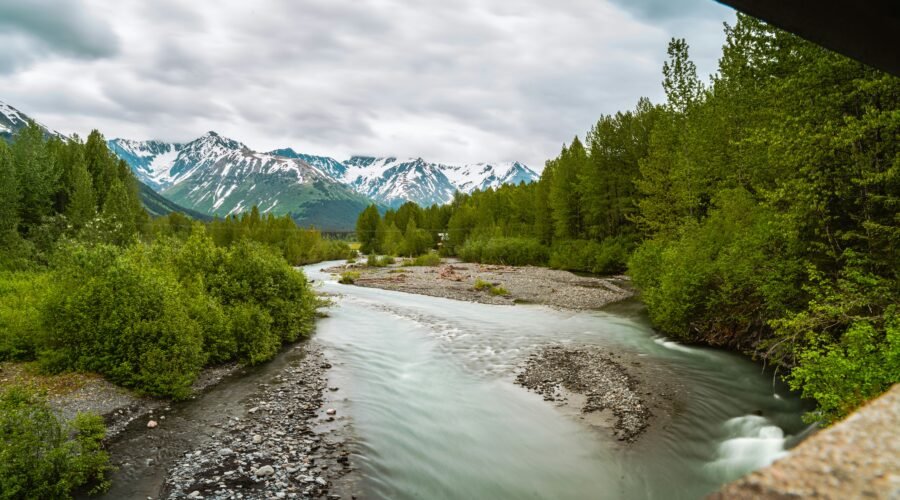
So, you’re thinking about heading to Anchorage, Alaska? That’s fantastic! It’s a place that really captures the spirit of the Last Frontier, offering a blend of rugged nature and a surprisingly vibrant city scene. A common question we get is: “When’s the best time to go to Anchorage?” The short answer is that it really depends on what you’re looking for. Each season has its own unique appeal, along with different weather patterns, tourist crowds, and price tags. This guide is designed to walk you through all of that, so you can plan a trip that’s perfect for you. We’ll break down the weather, when to expect more (or fewer) people, and what you can expect to spend, making your Anchorage adventure as smooth and enjoyable as possible.
When people think of Alaska, images of snow and ice often come to mind, and while that’s certainly part of it, Anchorage’s weather is more varied than you might expect. It experiences four distinct seasons, each with its own character. Knowing what to pack and what to anticipate will make a huge difference in your comfort and overall enjoyment.
Summer: The Sweet Spot for Most
This is generally considered the prime time to visit Anchorage, and for good reason. The days are incredibly long, often with sunlight stretching into the late evening, giving you ample opportunity to explore.
Daytime Temperatures
You’re looking at average highs in the comfortable 60s Fahrenheit (around 16-21°C). Occasionally, you might even hit the 70s (21-26°C) on a particularly warm day. It’s generally pleasant for outdoor activities, but it’s always wise to layer.
Evening and Nighttime Temperatures
Evenings cool down considerably. Expect temperatures to drop into the 40s and 50s Fahrenheit (4-15°C) after sunset. This means a warm jacket or fleece is essential, even in July.
Precipitation
While not as wet as some coastal cities, Anchorage does get its share of rain during the summer. It’s often more of a drizzle or passing showers rather than all-day downpours, but it’s wise to pack a waterproof jacket and perhaps even waterproof pants. Some days can be surprisingly dry and sunny, while others can be quite overcast and damp.
Fall: A Colorful Transition
If you enjoy cooler temperatures and stunning autumn foliage, fall in Anchorage is a real treat. It’s a transition period, offering a different kind of beauty.
September’s Charm
September still offers relatively mild weather, with daytime highs often in the 50s Fahrenheit (10-15°C). The colors are at their peak, and the air is crisp and clean. This month can be a sweet spot for those who dislike the peak summer heat.
The Chill Sets In
As October and November progress, temperatures steadily drop. Daytime highs can hover in the 30s Fahrenheit (0-4°C), and nighttime temperatures will dip below freezing. Snowfall becomes more common, especially by late October.
Shorter Days Emerge
The most significant change is the shortening daylight hours. By November, you’ll notice a definite decrease in sunlight, which is a stark contrast to the long summer days.
Winter: The Quiet Beauty and Adventures
Winter is when Anchorage truly transforms into a snowy wonderland. It’s a season for different kinds of activities and a much quieter atmosphere, generally speaking.
Deep Freezes and Snowfall
Daily average temperatures in mid-winter (December-February) are typically in the single digits Fahrenheit, often well below 0°F (-18°C), and can plummet even further. Snowfall is abundant, creating a white blanket over the city and surrounding landscape.
The Northern Lights Potential
While not a guarantee, winter is your best bet for witnessing the Aurora Borealis. Clear, dark nights increase your chances, though you’ll need to venture away from city lights for the best viewing.
Snow Sports Galore
This is the season for skiing, snowboarding, snowshoeing, and dog sledding. The infrastructure for these activities is well-established.
Spring: The Melt and Reawakening
Spring in Anchorage is a gradual affair, marked by the melting of snow and the return of green. It can be a bit muddy and unpredictable.
The Thaw Begins
March and April are still very much winter months, with snow and cold. However, you’ll start to see signs of the thaw, with ice melting and some areas becoming slushy.
Unpredictable Weather
Expect a mix of snow, rain, and even some sunny days. Temperatures are slowly warming but can still be quite chilly. May sees more consistent warming, with highs inching into the 50s Fahrenheit (10-15°C) by the end of the month.
The Return of Nature
As things warm up, you’ll start to see more wildlife and the landscape begins to reawaken. Bird migrations are a noticeable feature of spring.
If you’re planning a trip to Anchorage, Alaska, it’s essential to consider not only the best time to visit but also how to make the most of your experience. For more insights on travel tips, local attractions, and seasonal activities, check out this related article on travel planning at Lele Tours. This resource provides valuable information that can help you navigate the unique offerings of Anchorage throughout the year.
Navigating Anchorage’s Crowds: When to Go for Peace (or Buzz)
The time of year you choose to visit Anchorage will have a significant impact on how many other people you encounter. If you prefer a more laid-back experience, timing is everything.
Summer: The Peak Season Rush
From late May through August, Anchorage is at its busiest. This is when most people can travel, and the long daylight hours are a huge draw.
July and August: The Busiest Months
These two months see the highest influx of tourists. Expect popular attractions, restaurants, and tour operators to be well-booked. If you’re planning to visit during this time, book your accommodations and any must-do activities well in advance.
Memorial Day Weekend and Labor Day Weekend
These holiday weekends unofficially mark the beginning and end of the summer tourist season, so surrounding weeks will likely be busy.
Shoulder Seasons: The Savvy Traveler’s Choice
For a great balance of decent weather and fewer crowds, consider visiting during the shoulder seasons.
Late May and Early June
The summer season is just beginning. The daylight is already long, but the crowds haven’t fully arrived yet. The weather can be a bit more unpredictable, but it’s generally mild and comfortable. You’ll find more availability and potentially better prices.
September
This is arguably the best shoulder month. The summer crowds have dispersed, the fall colors are starting to emerge, and the weather is usually still quite pleasant. There’s a noticeable dip in visitor numbers compared to July and August.
Winter: The Off-Season Embrace
From November through March, Anchorage is in its off-season. This is when you’ll encounter the fewest tourists, making it ideal for a quiet, local-feeling experience.
Holiday Season: A Slight Bump
There’s a slight increase in visitors around the Christmas and New Year holidays, as people come for winter activities and the festive atmosphere. However, it’s a far cry from summer crowds.
January and February: The Quietest Months
These are typically the slowest months for tourism, offering the most peaceful experience. If your primary goal is to see the Northern Lights and enjoy winter sports without too many people around, this is your window.
Budgeting Your Anchorage Adventure: From Shoestring to Splurge

The cost of visiting Anchorage can vary dramatically depending on when you go and how you choose to travel. Being aware of these factors can help you plan a trip that fits your budget.
Summer: The Most Expensive Time
As the peak season for tourism, summer commands the highest prices for flights, accommodation, and popular tours and activities.
Flights
Expect to pay the most for airline tickets if you’re flying in during June, July, or August. Prices can surge significantly, especially if booked last minute.
Accommodation
Hotels, motels, and vacation rentals will be at their priciest during the summer months. Booking several months in advance is highly recommended to secure a decent rate and availability.
Activities and Tours
Popular tours, such as glacier cruises, wildlife viewing excursions, and guided hikes, will also have their highest prices during the summer. It’s wise to pre-book these as well, as they can sell out.
Shoulder Seasons: Finding Better Value
The shoulder seasons offer a sweet spot for budget-conscious travelers. You can often find reduced prices without sacrificing too much in terms of weather or experience.
Flights and Accommodation
You’ll notice a decline in flight and hotel prices in May, early June, and September compared to the peak summer months. This can lead to significant savings.
Activity Pricing
Some tour operators may offer slightly lower prices during the shoulder seasons, or you might find better availability at last season’s prices.
Winter: The Most Budget-Friendly Option (Mostly)
Generally speaking, winter is the most affordable time to visit Anchorage. However, there are a few caveats.
Flights
Flight prices can be surprisingly low during the winter, especially outside of the holiday period.
Accommodation
Hotels and rentals are considerably cheaper in winter. You can often find some great deals.
Activity Pricing
The cost of winter-specific activities like dog sledding tours, Northern Lights tours, and ski resort access will still be a factor. While accommodation is cheaper, the specialized activities can still add up. If your sole focus is on saving money and you’re not set on summer activities, winter is likely your best bet for affordability.
Essential Packing List: Dressing for the Alaskan Elements

Anchorage weather can be fickle, so packing smart is crucial. Layering is your best friend, almost regardless of the season.
The Base Layer: Moisture-Wicking Comfort
- Synthetic or Merino Wool Tops and Bottoms: These help wick sweat away from your skin, keeping you dry and warm. Avoid cotton, as it holds moisture and can make you feel cold.
The Mid Layer: Insulation is Key
- Fleece Jacket or Vest: Provides excellent warmth without being too bulky.
- Insulated Jacket (Down or Synthetic): Crucial for colder months and even cool summer evenings.
The Outer Layer: Protection from the Elements
- Waterproof and Windproof Jacket (with a Hood): Absolutely essential. Look for something breathable so you don’t overheat.
- Waterproof Pants: Highly recommended, especially if you plan on hiking or spending extended time outdoors in potentially wet conditions.
Footwear: Comfort and Traction
- Waterproof Hiking Boots: Well broken-in boots with good ankle support and traction are vital for exploring.
- Warm, Wool Socks: Bring plenty of pairs.
- Comfortable Walking Shoes: For city exploration, though waterproof options are always a good idea.
- Insulated Boots (for Winter): If visiting in winter, you’ll need dedicated snow boots that are warm and waterproof.
Headwear and Handwear: Don’t Forget These!
| Month | Weather | Crowds | Costs |
|---|---|---|---|
| June | Mild temperatures, long days | Peak tourist season, crowded | High costs for accommodation |
| July | Warmest month, occasional rain | Peak tourist season, crowded | High costs for accommodation |
| August | Mild temperatures, decreasing daylight | Peak tourist season, crowded | High costs for accommodation |
| September | Cooler temperatures, fall foliage | Decreasing crowds | Lower costs for accommodation |
- Warm Hat (Beanie): Essential for retaining body heat.
- Gloves or Mittens: Waterproof and insulated ones are best for colder weather.
- Scarf or Neck Gaiter: Protects your face and neck from wind.
Other Necessities
- Sunscreen and Sunglasses: Even on cloudy days, the sun’s rays can be strong, especially with reflection off snow.
- Insect Repellent: Especially important during the summer months, as mosquitoes can be prevalent.
- Reusable Water Bottle: Stay hydrated.
- Camera and Extra Batteries: You’ll want to capture the stunning scenery.
- Small Backpack: For day trips and carrying essentials.
- Binoculars: For wildlife spotting.
If you’re planning a trip to Anchorage, Alaska, understanding the best time to visit can greatly enhance your experience. Factors such as weather, crowds, and costs play a significant role in your travel plans. For more insights on how to make the most of your travel decisions, you might find it helpful to read about our review process in this related article, which explains how we evaluate various travel options to ensure you have the best adventure possible.
Must-Do Activities: Experiencing Anchorage’s Best
Anchorage offers a unique mix of urban amenities and access to incredible wilderness. Whether you’re an outdoor enthusiast or a culture seeker, there’s something for everyone.
Exploring the City and Its Surroundings
- Coastal Trail: This paved multi-use trail offers stunning views of the Cook Inlet, the Chugach Mountains, and local wildlife. It’s perfect for walking, biking, or even rollerblading. You can access it from several points in the city.
- Downtown Anchorage: Wander through the shops, art galleries, and restaurants. Visit the Anchorage Museum for a deep dive into Alaskan history, art, and culture. The Alaska Native Heritage Center is also a must-visit to learn about the indigenous cultures of Alaska.
- Scenic Flightseeing Tours: For a truly unforgettable experience, take a flightseeing tour over the Chugach Mountains or over glaciers and fjords. This offers a perspective on Alaska’s vastness that you can’t get from the ground.
Venturing into the Wilderness
- Chugach State Park: Just a short drive from the city, this park is a gateway to incredible hiking, backpacking, and wildlife viewing. The Flattop Mountain hike is a popular choice for its panoramic views.
- Portage Glacier Cruise (near Whittier): While a bit of a day trip, a cruise to Portage Glacier is a classic Alaskan experience. You’ll witness calving glaciers and potentially see marine wildlife.
- Wildlife Viewing: Keep an eye out for moose, Dall sheep, bears, and various bird species. The Alaska Wildlife Conservation Center is a fantastic place to see Alaskan animals up close in a natural setting, especially if your wildlife sightings in the wild are limited.
- Day Trip to the Alaska Wildlife Conservation Center: This center provides a safe haven for injured or orphaned animals and educates the public about Alaskan wildlife.
Winter Specific Adventures
- Dog Sledding: Experience the thrill of dog sledding, whether as a passenger on a recreational tour or in a more hands-on, introductory lesson.
- Skiing and Snowshoeing: With abundant snow, Anchorage and its surrounding areas offer excellent opportunities for cross-country skiing and snowshoeing. Many local parks have groomed trails.
- Searching for the Aurora Borealis: Take a guided tour away from city lights for the best chance to witness the Northern Lights. While not guaranteed, the winter months offer the highest probability.
By considering the weather, crowd levels, and your budget, you can tailor your Anchorage visit to create the perfect Alaskan adventure. Embrace the unpredictability, pack wisely, and get ready for an experience that’s truly one of a kind.
FAQs
1. What is the best time to visit Anchorage, Alaska for favorable weather?
The best time to visit Anchorage, Alaska for favorable weather is during the summer months, from mid-June to mid-August. This is when the temperatures are the warmest, with average highs in the 60s and 70s Fahrenheit, and the days are the longest, providing ample daylight for outdoor activities.
2. When is the peak tourist season in Anchorage, Alaska?
The peak tourist season in Anchorage, Alaska is during the summer months, from mid-June to mid-August. This is when the city experiences the highest number of visitors due to the favorable weather and the abundance of outdoor activities and events.
3. What is the shoulder season in Anchorage, Alaska and when does it occur?
The shoulder season in Anchorage, Alaska occurs during the spring (April to mid-June) and fall (September to October) months. During these times, the weather is still relatively mild, and there are fewer crowds, making it a good time to visit for those looking to avoid peak tourist season.
4. When is the best time to visit Anchorage, Alaska to save on costs?
The best time to visit Anchorage, Alaska to save on costs is during the shoulder seasons in the spring (April to mid-June) and fall (September to October). During these times, accommodations and activities may be more affordable compared to the peak summer months.
5. What is the winter like in Anchorage, Alaska and is it a good time to visit?
The winter in Anchorage, Alaska is cold and snowy, with average temperatures ranging from the teens to the 20s Fahrenheit. While winter offers unique activities such as skiing and the chance to see the Northern Lights, it may not be the best time to visit for those who are not accustomed to cold weather.