

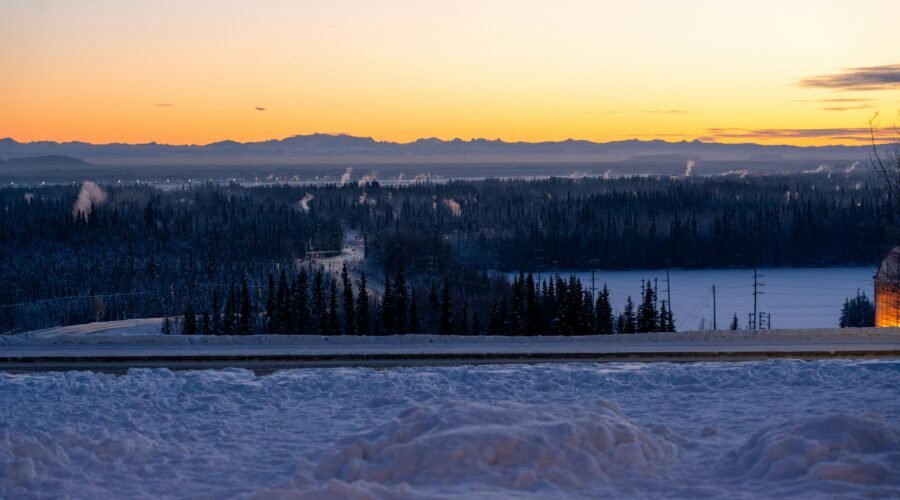
So, you’re wondering how to make the most of a trip to Fairbanks, Alaska? The short answer is: embrace the seasons, prepare for extremes, and prioritize outdoor experiences balanced with unique local culture. This guide will walk you through the practicalities and highlights to help you plan an unforgettable adventure in the Golden Heart City.
Fairbanks is a city of distinct seasons, each offering a completely different experience. Your ideal travel time really depends on what you want to see and do.
A. Winter Wonderland (October – March)
This is prime time for aurora viewing, but it comes with serious cold. We’re talking temperatures that regularly dip below -20°F (-29°C), and sometimes much lower.
- Aurora Borealis: The main draw for many. Dark skies and long nights provide the best opportunities. Aim for new moon phases for optimal viewing conditions.
- Winter Activities: Think dog sledding, ice sculpting, snowmachining (snowmobiling), and cross-country skiing. There are plenty of guided tours available.
- What to Pack: This is non-negotiable. Layers, and lots of them. A high-quality parka, insulated boots (rated for -40°F or lower), thermal base layers, wool socks, hats, gloves, and hand/foot warmers are essential. Seriously, don’t skimp on winter gear.
- Daylight Hours: Very short. In December, you might only get 3-4 hours of twilight. Embrace it; it adds to the mystique.
B. Midnight Sun Magic (May – August)
Summer in Fairbanks is a complete contrast to winter. Endless daylight and surprisingly warm temperatures make for a different kind of adventure.
- Midnight Sun: Experience 24-hour daylight around the summer solstice (late June). It can mess with your sleep schedule, so an eye mask is a good idea.
- Summer Activities: Fishing, hiking, river cruises, and exploring Alaska’s interior. National parks like Denali are much more accessible during this time.
- What to Pack: Layers are still key, but for different reasons. Expect temperatures from 50-70°F (10-21°C), but it can get chilly in the evenings or on cloudy days. Bring rain gear, mosquito repellent (they can be fierce), and good hiking shoes.
- Wildlife Viewing: Summer offers better chances to spot moose, caribou, and bears.
C. Shoulder Seasons (April & September)
These months offer a transition and can be a good option for those looking for fewer crowds and potentially lower prices.
- April: Snowmelt begins, but winter activities might still be possible early in the month. Aurora viewing less reliable as nights shorten.
- September: Fall colors burst, and aurora viewing becomes more consistent again as nights lengthen. Temperatures are crisp.
If you’re planning a trip to Fairbanks, Alaska, you might find it helpful to read our related article on the best times to explore the stunning landscapes and unique attractions of this northern city. In addition to discussing the weather, crowds, and costs, the article provides insights into local events and activities that can enhance your visit. For more detailed information, check out our comprehensive guide at Lele Tours.
2. Getting There and Getting Around Fairbanks
Fairbanks isn’t exactly a bustling metropolis, but it’s well-connected for an interior Alaskan city.
A. Arriving in Fairbanks
- Fairbanks International Airport (FAI): This is your main gateway. It’s serviced by major airlines like Alaska Airlines and Delta, with seasonal connections.
- Rental Cars: Highly recommended, especially if you plan to explore outside the immediate city center or chase the aurora. Book well in advance, especially for winter (4WD is a good idea).
- Alaska Railroad: You can reach Fairbanks by train from Anchorage or Denali during the summer months. It’s a scenic journey, but slower.
B. Navigating Fairbanks
- By Car: Easiest way to get around. Fairbanks is spread out, and public transportation is limited. Remember winter driving conditions can be challenging with ice and snow. Always plug in your car overnight in winter if it’s equipped for it, or you might not start it in the morning.
- Taxis/Ride-Shares: Available but can be pricey, especially for longer distances or late-night aurora chases.
- Public Bus System (METRO): While it exists, coverage is not extensive, and routes/schedules might not align with typical tourist activities. Generally not a practical option for visitors.
- Walking/Biking: Possible in summer for exploring downtown or designated trails, but impractical for covering larger areas or in winter.
3. Top Things to Do in Fairbanks

Fairbanks offers a unique blend of natural wonders and cultural experiences. Here are some must-dos:
A. Chasing the Northern Lights (Aurora Borealis)
This is often the primary reason people visit Fairbanks in winter.
- Prime Viewing Locations: Head away from city lights. Chena Hot Springs Road (numerous pull-offs), Creamer’s Field Migratory Waterfowl Refuge (parking lot), and Cleary Summit are popular spots.
- Guided Tours: Many operators offer aurora tours, often including transport, warm shelters, and hot drinks. This is a great option if you don’t have a car or want expert guidance.
- Aurora Forecasts: Check the University of Alaska Fairbanks Geophysical Institute’s (UAF GI) aurora forecast regularly. Kp-Index of 3 or higher offers good chances.
- Patience is Key: The aurora is a natural phenomenon, not a guaranteed show. Be prepared to wait, sometimes for several hours.
B. Embracing Winter Activities
Beyond the aurora, Fairbanks truly comes alive in winter.
- Dog Sledding: Experience Alaska’s state sport. Many kennels offer tours, from short rides to multi-day expeditions.
- Ice Art Park (World Ice Art Championships): If visiting around March, this is a phenomenal display of intricate ice sculptures.
- Snowmachining (Snowmobiling): Another exhilarating way to explore the vast snowy landscapes.
- Cross-Country Skiing/Snowshoeing: Miles of groomed trails can be found at locations like Birch Hill Recreation Area or Chena Lakes Recreation Area.
C. Exploring Local Culture and History
Fairbanks has a rich history tied to the gold rush and early Alaskan pioneering.
- Fountainhead Antique Auto Museum: Home to an incredible collection of vintage automobiles and fashion – surprisingly captivating, even for non-car enthusiasts.
- University of Alaska Museum of the North: Excellent exhibits on Alaskan natural history, art, and diverse cultures. A great place to learn about the state before or after your adventures.
- Pioneer Park (Alaskanland): A living history park (seasonal operation) with historical buildings, a sternwheeler boat, and various shops.
- Gold Dredge 8: Learn about the gold rush era and even try your hand at gold panning (seasonal).
- Trans-Alaska Pipeline Viewpoint: Get a close look at this engineering marvel. There’s an interpretive display.
D. Summer Adventures in the Interior
When the snow melts, Fairbanks becomes a hub for exploring the vast interior.
- Riverboat Discovery: A multi-hour sternwheeler cruise on the Chena and Tanana Rivers, offering insights into local culture and wildlife.
- Access to Denali National Park: Fairbanks is a common starting point for trips to Denali. You can book bus tours or independent adventures into the park (advance reservations highly recommended).
- Hiking and Biking: Trails abound. The Angel Rocks Trail (near Chena Hot Springs) offers great views, or explore the trails around the UAF campus.
- Fishing: Salmon and arctic grayling are popular catches in local rivers and lakes. Consider a guided fishing trip.
4. Where to Eat and Drink

Fairbanks might not be a culinary epicenter, but it has some solid options, with a focus on local ingredients and hearty fare.
A. Casual and Local Favorites
- The Crepery: Fantastic sweet and savory crepes, great for breakfast or lunch. Often has a line, but worth the wait.
- Pump House Restaurant & Saloon: Housed in a historic gold dredge building, offering a classic Alaskan menu – steaks, seafood, and a lively atmosphere.
- Thai House (specifically the North branch): Consistently rated as some of the best Thai food in Alaska. Perfect for warming up in winter.
- Midnight Sun Brewing Company: While technically in Anchorage, Fairbanks has some good local breweries to explore. Try HooDoo Brewing Company for local craft beers.
- Locally Caught Seafood: Look for restaurants featuring fresh Alaskan salmon, halibut, and crab, especially in the summer.
B. Fine Dining and Special Occasions
- The Turtle Club: Known for its prime rib and steak, typically a more upscale, traditional steakhouse experience.
- Lavelle’s Bistro: Upscale American cuisine with a focus on fresh, seasonal ingredients and an extensive wine list. Reservations are a good idea.
C. Grocery Stores and Local Markets
- Fred Meyer/Safeway: Standard large grocery stores for stocking up on essentials if you’re staying in accommodations with a kitchen.
- Farmers Markets: In summer, check out local farmers markets for fresh produce and local goods.
If you’re planning a trip to Fairbanks, Alaska, you might also find it helpful to read about the best travel tips for experiencing the Northern Lights. This related article provides insights on how to maximize your chances of witnessing this breathtaking natural phenomenon while visiting Fairbanks. For more information, you can check out the article here: best travel tips.
5. Practical Tips for Visitors
| Month | Weather | Crowds | Costs |
|---|---|---|---|
| June | Mild temperatures, long days | Peak tourist season, crowded | High costs for accommodations |
| July | Warmest month, lots of daylight | Peak tourist season, crowded | High costs for accommodations |
| August | Mild temperatures, decreasing daylight | Peak tourist season, crowded | High costs for accommodations |
| September | Cooling temperatures, fall foliage | Decreasing crowds | Lower costs for accommodations |
A little preparation goes a long way when visiting Interior Alaska.
A. Accommodation Advice
- Book in Advance: Especially critical during aurora season (winter) and peak summer. Options can be limited.
- Hotels: Many chain hotels are available (SpringHill Suites, Hampton Inn, etc.).
- Local Inns/B&Bs: Offer a more personal touch and often great local insights. Look for places slightly outside the city for better aurora viewing opportunities.
- Airbnb/VRBO: Good options, especially for longer stays or groups, offering kitchen facilities.
B. Staying Safe in the Alaskan Wild
- Wildlife Awareness: Be aware of moose, particularly in winter (they can be aggressive if harassed), and bears in summer. Make noise on trails, carry bear spray in summer.
- Weather Preparedness: Understand that weather can change rapidly. Hypothermia is a real risk in winter if not properly dressed.
- Aurora Chasing Safety: If self-driving to aurora spots, let someone know your plans. Stick to main roads. Cell service can be spotty outside city limits.
- Winter Driving: Very slow down. Black ice is common. Keep a winter emergency kit in your car (blankets, shovel, snacks, jumper cables).
C. General Travel Tips
- Tipping: Standard North American tipping practices apply (15-20% for good service).
- Cell Service: Generally good in Fairbanks and along major highways, but can become unreliable on remote roads or in national parks.
- Souvenirs: Look for Alaskan-made goods. Items with local jade, gold, or native Alaskan art are popular.
- Patience: Things sometimes operate on “Alaska time.” Embrace a slightly slower pace.
Fairbanks offers a truly distinct Alaskan adventure, whether you’re chasing the dancing lights of winter or basking in the endless sun of summer. With these practical tips and insights, you’re well on your way to planning an incredible trip to the heart of Alaska.
FAQs
1. What is the best time to visit Fairbanks, Alaska for favorable weather?
The best time to visit Fairbanks, Alaska for favorable weather is during the summer months, from late May to early September. This is when the temperatures are milder, and the days are longer, allowing for more outdoor activities and sightseeing.
2. When is the peak tourist season in Fairbanks, Alaska?
The peak tourist season in Fairbanks, Alaska is during the summer months, from late June to early August. This is when the city experiences the highest number of visitors, and popular attractions and accommodations may be more crowded.
3. What is the shoulder season in Fairbanks, Alaska?
The shoulder season in Fairbanks, Alaska is during the spring (late April to early May) and fall (late August to early September). During these times, the weather is still favorable, and there are fewer crowds, making it a good time to visit for those looking to avoid peak tourist season.
4. When is the best time to visit Fairbanks, Alaska to save on costs?
The best time to visit Fairbanks, Alaska to save on costs is during the shoulder seasons of spring and fall. During these times, accommodations and attractions may offer lower prices, and there may be deals on flights and tours.
5. What is the winter like in Fairbanks, Alaska and is it a good time to visit?
The winter in Fairbanks, Alaska is extremely cold, with temperatures often dropping well below freezing. While it is not the most popular time to visit due to the harsh weather conditions, it can be a unique experience for those interested in winter activities such as dog sledding, ice fishing, and viewing the northern lights.

[…] travel conditions in other destinations as part of a wider trip-planning project, you can also read The Ultimate Guide to Visiting Fairbanks, Alaska and this guide to the best time to visit the Muradiye Waterfalls in Van, […]