- **So, When Is the Best Time to Visit Fayetteville, AR?**
Look, if you want the short answer without wading through a bunch of details, it boils down to this: fall (September-October) is generally your sweet spot. You get pleasant weather, stunning foliage, and while there’s a buzz, it’s not usually overwhelming. Spring (April-May) is a close second, offering greenery and comfortable temps. The other seasons have their merits and drawbacks, which we’ll dive into. But if you’re aiming for the most universally enjoyable experience, aim for autumn.
- Spring in Fayetteville: Alive and Blooming
Springtime in Fayetteville is a refreshing change after a typically mild winter. The city starts to shed its subdued tones and bursts into vibrant greens and colorful blooms. It’s a fantastic time to be outdoors without the intense heat of summer or the chill of winter.
- Weather Perks:
- Mild Temperatures: Expect comfortable highs generally ranging from the 60s to low 70s Fahrenheit (15-23°C). Nights are cool but not freezing, usually in the 40s and 50s (4-15°C). This makes it perfect for walking the town square, hitting the trails, or enjoying an outdoor patio.
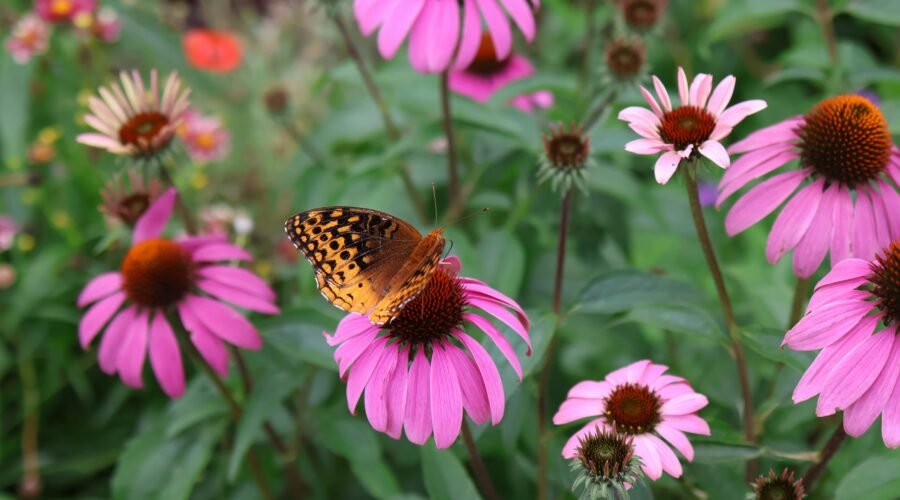
- Blooming Scenery: The natural beauty is definitely ramped up. Trees are leafing out, wildflowers are popping up everywhere, and the botanical gardens are a sight to behold.
- Variable Rain: While generally pleasant, spring can bring its share of rain showers. It’s not usually an all-day wash-out, but packing an umbrella or light rain jacket is a smart move. Thunderstorms can also be a feature, particularly later in the spring.
- Crowd Considerations:
- University Buzz: The University of Arkansas is in full swing, so expect a lively atmosphere around campus and the downtown area. Weekday crowds are more spread out, but game days or special university events can draw larger numbers.
- Spring Break & Graduation: These periods, typically in March and May respectively, will see an uptick in visitors. If you’re looking for absolute solitude, these might be times to avoid. However, if you enjoy the energy, it’s a fun time to be around.
- Early Festival Season: Some smaller local festivals and farmers’ markets start to pop up, adding to the local charm without overwhelming the city.
- Cost Implications:
- Moderate Accommodation: Hotel prices will be a bit higher than the dead of winter or mid-summer slumps, but generally not at their peak. Booking a few weeks in advance is usually sufficient for good options.
- Activity Costs: Most outdoor activities like hiking or exploring parks are free. Dining and entertainment costs are standard, with no significant seasonal inflation unless there’s a major event coinciding with your visit.
- Summer in Fayetteville: Hot and Happening
Summer in Fayetteville is a time of vibrant activity, with warm weather encouraging outdoor pursuits. If you don’t mind the heat, there’s plenty to do, especially if you’re keen on watersports or enjoying long evenings.
- Weather Perks (and Challenges):
- Ample Sunshine: You can count on plenty of sunny days, perfect for lake activities, swimming, or just soaking up some vitamin D.
- High Temperatures & Humidity: Be prepared for heat. Daily highs often climb into the 80s and 90s Fahrenheit (27-35°C), and sometimes push higher. Humidity can make it feel even warmer. This means planning outdoor activities for mornings or evenings, and staying hydrated is crucial.
- Occasional Thunderstorms: Summers can also bring strong afternoon or evening thunderstorms, which provide a break from the heat but can be intense.
- Crowd Considerations:
- Seasonal Tourists: Families on summer vacation, particularly those heading to nearby lakes like Beaver Lake or checking out regional attractions, will contribute to larger crowds.
- University Downtime (Mostly): While the university campus is quieter with fewer students, summer camps, conferences, and some summer academic programs mean it’s not entirely deserted. The typical student rush isn’t as pronounced.
- Peak Outdoor Activity: Trails, parks, and especially bodies of water tend to be busier. If you’re planning a paddleboarding trip or a hike, consider going earlier in the day to beat both the heat and some of the crowds.
- Cost Implications:
- Variable Accommodation: Hotel prices can be a mixed bag. Mid-week might see slightly lower rates, but weekends, particularly holiday weekends (like July 4th) or during specific summer events, will see increases. Vacation rentals around the lakes or resort areas will be at their peak.
- Higher Demand for Certain Activities: Things like boat rentals, guided tours, or entrance fees to water parks might see stronger demand, so booking ahead is wise. Eating out generally remains consistent unless there’s a special event.
- Fall in Fayetteville: The Golden Ticket
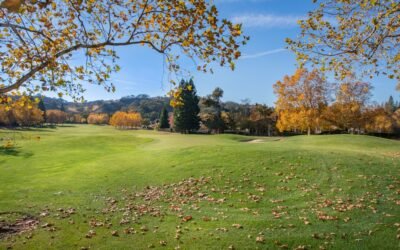
As mentioned, fall is often considered the prime time to visit Fayetteville. The weather turns absolutely glorious, the scenery is breathtaking, and there’s a palpable energy in the air, particularly with the return of university life.
- Weather Perks:
- Perfect Temperatures: This is where Fayetteville truly shines. Daytime highs generally range from the mid-60s to mid-70s Fahrenheit (18-24°C), with crisp, cool evenings in the 40s and 50s (4-15°C). It’s ideal for just about any outdoor activity you can imagine, from hiking to patio dining.
- Stunning Foliage: The Ozarks explode with fall colors, typically peaking from late October into early November. This draws visitors specifically for leaf-peeping, and sights like Devil’s Den State Park become even more picturesque.
- Lower Humidity: The oppressive summer humidity usually gives way to drier, more comfortable air, making outdoor exploration much more pleasant.
- Crowd Considerations:
- Peak University & Football Season: This is a big one. University of Arkansas football game days mean the city transforms. Hotels book up, restaurants are packed, and traffic can be heavier. If you’re coming for a specific game, book everything well in advance. If you’re trying to avoid the crowds, plan your visit around game schedules.
- Fall Foliage Tourists: People come from all over to see the leaves, so popular scenic drives and hiking spots will be busier than other times of the year.
- Festivals and Events: Fall is a popular time for local festivals, craft fairs, and outdoor markets, adding to the lively atmosphere.
- Cost Implications:
- Highest Accommodation Rates: This is undeniably the most expensive time for hotels and vacation rentals, especially on weekends coinciding with football games or major university events. Booking months in advance is highly recommended if you have specific dates in mind.
- Increased Demand for Popular Experiences: Restaurant reservations might be harder to come by, and some popular activities might see slightly higher pricing or require advance booking due to demand.
- Gasoline: For those driving in for foliage tours, gas prices are a standard consideration regardless of season, but your overall travel budget will likely be higher due to lodging.
- Winter in Fayetteville: Quiet and Cozy
Winter brings a quieter, more subdued Fayetteville. While it’s not a major snow destination, the temperatures drop, and the pace slows down. It’s a good time for a more relaxed visit, especially if you enjoy indoor activities or don’t mind bundling up.
- Weather Perks (and Challenges):
- Cool & Crisp Air: Temperatures typically range from the 30s to 50s Fahrenheit (0-10°C) during the day, with nights often dipping below freezing. It’s brisk but generally manageable with warm layers.
- Potential for Snow/Ice: While not an everyday occurrence, Fayetteville does get occasional snowfall or ice storms. These can make travel tricky for a day or two, but they also transform the landscape into a beautiful, winter wonderland. Check forecasts if driving.
- Cloudier Days: Expect more gray days compared to the sunnier spring and fall. However, crisp, clear winter days are still common and beautiful.
- Crowd Considerations:
- Lowest Crowds: This is generally the least crowded time in Fayetteville. The university is quieter during winter break, and fewer tourists are flocking to the outdoors. If peace and quiet are your priority, this is your season.
- Holiday Buzz (Briefly): The weeks leading up to Christmas and New Year’s will see a small uptick in local events and family visitors, but it’s not the same as peak season.
- Indoor Focus: Crowds shift to indoor venues – museums, art galleries, coffee shops, and restaurants – but even these aren’t typically overwhelming.
- Cost Implications:
- Lowest Accommodation Rates: Barring the brief holiday period, hotel prices are at their most affordable during the winter months. You can often snag some great deals, especially mid-week.
- Deals & Specials: Some restaurants or attractions might offer winter specials to attract locals during the slower season.
- University-Driven Lulls: During university breaks (late December through January), the local economy for bars, restaurants, and entertainment venues might slow, and you might find more availability and possibly better deals.
- Beyond the Seasons: Key Factors to Consider
While the general seasonal overview gives you a good starting point, a few other elements can significantly impact your Fayetteville experience, regardless of the month you visit.
- Arkansas Razorback Sports:
- Football is King: Seriously, we can’t stress this enough. If you’re coming during the fall, check the University of Arkansas Razorbacks football schedule. Home game weekends mean higher prices, booked-out hotels, restaurant waits, and heavy traffic. If you’re a fan, it’s an electric atmosphere. If you’re not, plan around it. Even if you aren’t attending the game, the energy surrounding it can be fun, but prepare for the logistics.
- Other Sports: Basketball (winter) and baseball (spring) also draw crowds, but generally not on the same scale as football. Still, if there’s a big conference game or tournament, it can affect availability and prices, especially close to campus.
- Major Festivals and Events:
- Walton Arts Center & Cultural Events: Throughout the year, the Walton Arts Center hosts a variety of performances, Broadway tours, and concerts. Check their calendar for events that might coincide with your visit, as these can draw attendees.
- Bikes, Blues & BBQ (Historically): While this long-standing motorcycle rally is no longer held in Fayetteville, it’s a reminder to always check for any large-scale events that might have moved or emerged. Always a good idea to do a quick search for “Fayetteville events [your travel month]” before booking.
- Local Festivals: Fayetteville has a vibrant festival scene, from small-town agricultural fairs to film festivals and music events. These can be charming, but also mean more people in certain areas.
- Vacation Rentals vs. Hotels:
- Flexibility & Cost: During peak seasons (fall, summer weekends), vacation rentals (Airbnb, Vrbo) can sometimes offer better value or more space, especially for groups or families. However, they can also fluctuate wildly in price. Hotels might be more consistent, especially outside of major event weekends.
- Location Matters: Decide if you want to be close to the buzzing Dickson Street area, near the university, or perhaps on the outskirts for quieter access to nature. This will impact both cost and convenience.
- Driving & Parking:
- Downtown & Dickson Street: Parking can be a puzzle, especially on busy evenings or during events. Metered street parking and paid lots are available. Consider walking or using ride-shares if you’re staying nearby.
- Game Day Gridlock: On Razorback football game days, traffic can be significantly heavier around the stadium and main arteries into town. Plan extra time or consider alternative routes.
- Packing for Whatever Season:
- Layer Up (Always): Even in summer, evenings can cool down. In spring and fall, temperatures can swing wildly from morning to afternoon. Layers are your friend.
- Comfortable Shoes: Fayetteville is a walkable city with plenty of trails. You’ll be glad you brought footwear suitable for exploring.
- Rain Gear: As noted, rain showers can pop up in any season, though less so in the height of summer or depth of winter. A light rain jacket or umbrella is rarely a bad idea.
Ultimately, the ‘best’ time to visit Fayetteville really depends on what you’re looking for. Want foliage, perfect weather, and exhilarating game-day energy (and higher costs)? Fall is your pick. Prefer blooming gardens, pleasant temps, and slightly fewer crowds? Spring. Don’t mind the heat for lake access and summer fun? Summer. Or, seeking solitude and a budget-friendly trip? Winter might surprise you. Each season offers a unique glimpse into this charming corner of the Ozarks.
FAQs
1. What is the best time of year to visit Fayetteville, Arkansas?
The best time to visit Fayetteville, Arkansas is during the spring and fall seasons. Spring offers mild temperatures and blooming flowers, while fall provides beautiful foliage and comfortable weather.
2. What is the weather like in Fayetteville, Arkansas throughout the year?
Fayetteville, Arkansas experiences hot and humid summers, mild and pleasant springs, cool and colorful falls, and cold winters with occasional snowfall.
3. When are the peak tourist seasons in Fayetteville, Arkansas?
The peak tourist seasons in Fayetteville, Arkansas are during the spring and fall, when the weather is most pleasant and outdoor activities are popular. Summer also sees an influx of tourists due to school vacations.
4. What are the crowds like in Fayetteville, Arkansas during different times of the year?
Crowds are generally larger during the spring and summer months, especially around popular attractions and events. Fall and winter tend to be less crowded, offering a more relaxed experience for visitors.
5. How do costs vary for visiting Fayetteville, Arkansas throughout the year?
Costs for visiting Fayetteville, Arkansas can vary throughout the year. Accommodation and activity prices may be higher during peak tourist seasons, while off-peak times may offer more affordable options. It’s recommended to plan and book in advance for the best deals.