By 2027, reef-safe sunscreen options will have become broader, but not all will offer the same balance of protection, skin comfort, and environmental care. Some formulas will stand out for beach days, while others may suit sensitive skin or post-sun recovery better. The challenge is knowing which ones actually deliver. A closer look at the top eight reveals a few unexpected differences.
MANDA Reef Safe SPF 50 Sunscreen Paste 40g
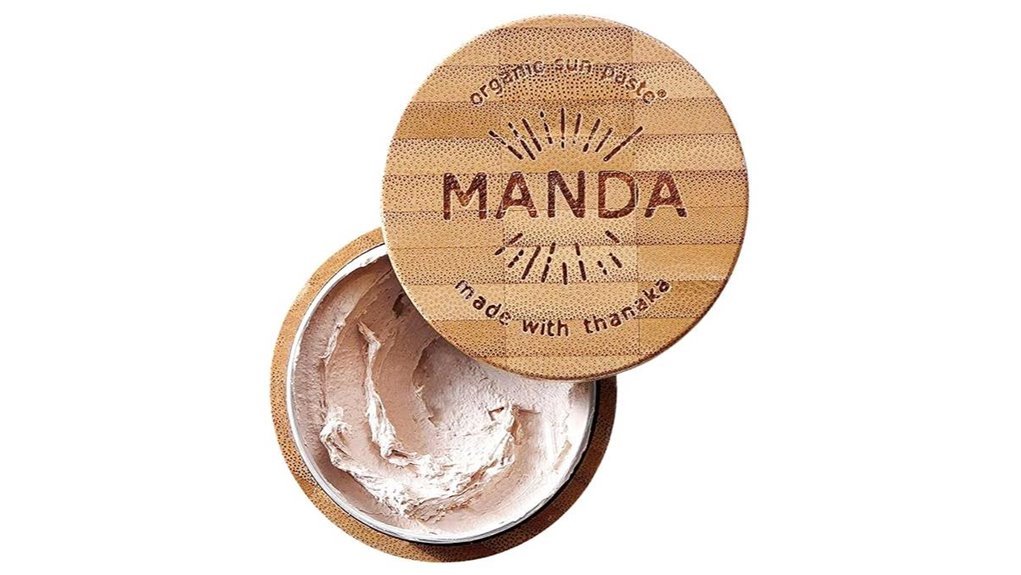
MANDA Reef Safe SPF 50 Sunscreen Paste 40g is a strong choice for beachgoers who want durable, high-protection coverage in a travel-friendly format. Its waterproof, sweat-proof paste uses 20% non-nano zinc oxide for UVA and UVB defense, while the thick formula leaves a visible layer that signals coverage. Certified organic ingredients include coconut oil, beeswax, cocoa butter, Thanaka, cacao powder, shea butter, and cinnamon oil. Thanaka adds antioxidant, antibacterial, and skin-calming benefits. Packaged in a reusable bamboo jar, it supports low-waste, on-the-go sun care.
Best For: Beachgoers, travelers, and outdoor enthusiasts who want a waterproof, reef-safe SPF 50 sunscreen with long-lasting, high-protection coverage in a portable, eco-friendly format.
Pros:
- Provides strong SPF 50 UVA/UVB protection with 20% non-nano zinc oxide.
- Waterproof, sweat-proof, and designed to stay effective during prolonged sun exposure.
- Comes in a reusable bamboo jar and uses certified organic ingredients.
Cons:
- Thick paste formula can feel heavy and may be harder to spread evenly.
- Visible white layer may not appeal to users who prefer a more sheer sunscreen.
- Small 40g size may run out quickly with frequent reapplication.
Kokua Sun Care After Sun Serum with Aloe Vera
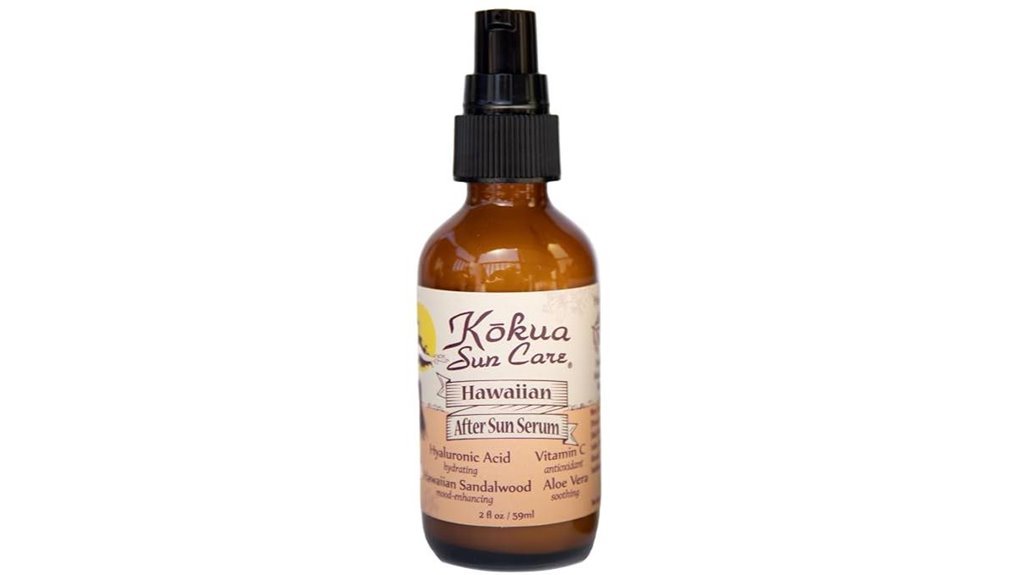
Kokua Sun Care After Sun Serum with Aloe Vera suits beachgoers needing fast, reef-safe skin recovery. This 2oz serum combines organic aloe vera, hyaluronic acid, Vitamin C, and sandalwood to cool, hydrate, and restore skin after sun exposure. Hawaiian-grown kukui nut oil and macadamia oil help revitalize skin stressed by wind or daily wear. The lightweight formula absorbs quickly without a greasy finish, functioning as an after-sun lotion, daily moisturizer, makeup primer, or healing serum for face and body. It is 100% plant-based, cruelty-free, biodegradable, toxin-free, and made in the USA.
Best For: Beachgoers and anyone needing a fast-absorbing, reef-safe after-sun serum that hydrates, soothes, and multitasks as a daily moisturizer or makeup primer.
Pros:
- Cools and hydrates skin quickly with aloe vera and hyaluronic acid.
- Versatile formula works as an after-sun lotion, moisturizer, primer, or healing serum.
- Plant-based, cruelty-free, biodegradable, and made in the USA.
Cons:
- 2oz size may run out quickly with frequent face and body use.
- Light sandalwood scent may not suit everyone.
- Primarily focused on post-sun care, so it may not replace a richer moisturizer for very dry skin.
Tinted Reef Safe Organic Mineral Sunscreen
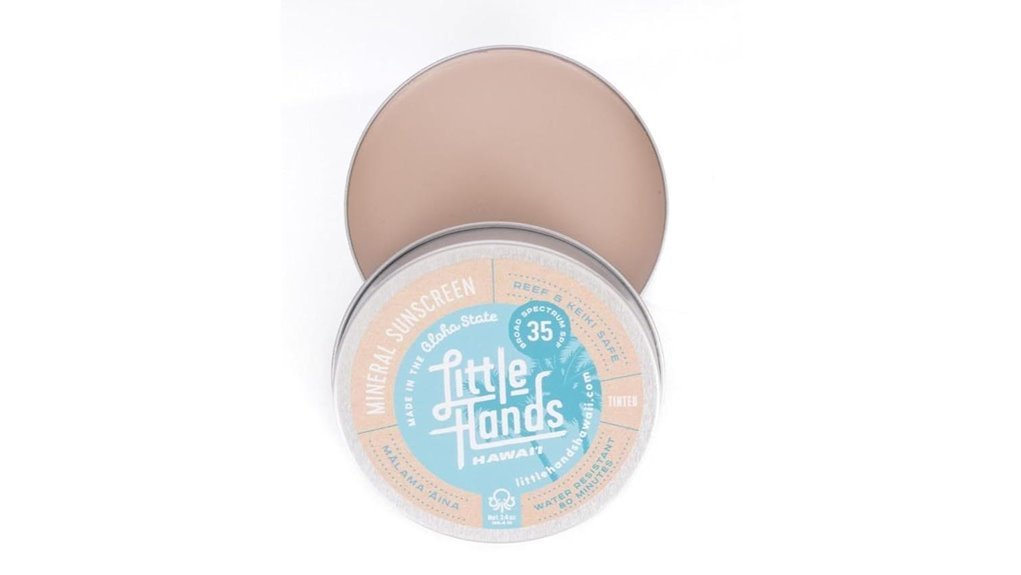
Little Hands Hawaii’s tinted mineral sunscreen suits families seeking strong, reef-safe beach protection. This creamy face-and-body formula delivers SPF 35+ broad-spectrum UVA/UVB coverage and resists water during active days outdoors. Its 23% non-nano zinc oxide helps shield skin without harmful chemicals or preservatives, while Hawaiian-sourced sunflower oil, jojoba oil, kokum butter, beeswax, vitamin E, and frankincense add nourishment. It is designed for sensitive skin, does not sting eyes, and should be applied generously, rubbed in, and reapplied after 80 minutes or swimming. Compostable and recyclable packaging supports its eco-minded approach.
Best For: Families, beachgoers, and eco-conscious users looking for a tinted, reef-safe mineral sunscreen with strong SPF 35+ protection and ingredients gentle enough for sensitive skin.
Pros:
- Reef-safe, non-nano zinc oxide formula with broad-spectrum UVA/UVB protection
- Suitable for sensitive skin and does not sting eyes
- Eco-friendly packaging that is compostable or recyclable
Cons:
- Tinted formula may not suit every skin tone
- Can leave a whitening effect if not rubbed in well
- Must be reapplied after 80 minutes or after swimming/sweating for best protection
Badger Mineral Baby Sunscreen Cream, Non Toxic Sunscreen, SPF 40, 2.9 fl oz
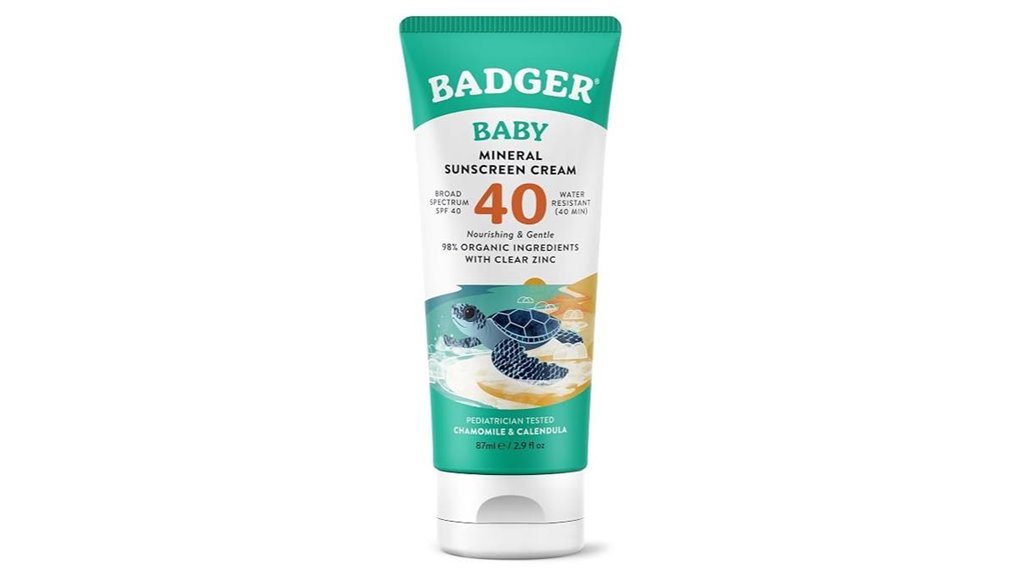
Badger Mineral Baby Sunscreen Cream suits newborns and sensitive-skin beachgoers needing gentle SPF 40 protection. This 2.9 fl oz non-toxic mineral cream is 98% organic and contains only seven ingredients, including non-nano zinc oxide, organic sunflower oil, and chamomile. Pediatrician tested and hypoallergenic, it avoids harsh chemicals and synthetic fragrances, making it appropriate for delicate skin. Its reef-safe, biodegradable formula supports eco-conscious outdoor use. The cream offers 40-minute water resistance; applying thin layers and warming it in hands can reduce white cast. Reapplication every 40 minutes helps maintain broad-spectrum coverage, and it can also function as a nourishing baby lotion.
Best For: Newborns, babies, and people with sensitive skin who want a gentle, reef-safe mineral sunscreen with SPF 40 for beach and outdoor use.
Pros:
- 98% organic formula with only seven ingredients, including non-nano zinc oxide, organic sunflower oil, and chamomile
- Hypoallergenic, pediatrician tested, and free of harsh chemicals and synthetic fragrances
- Reef-safe, biodegradable, and offers 40-minute water resistance with broad-spectrum protection
Cons:
- May leave a white cast, especially if not warmed in the hands and applied thinly
- Water resistance lasts only 40 minutes, so frequent reapplication is needed
- Small 2.9 fl oz size may not be ideal for extended trips or frequent use
MANDA Natural Mineral Sunscreen SPF 50 Reef Safe
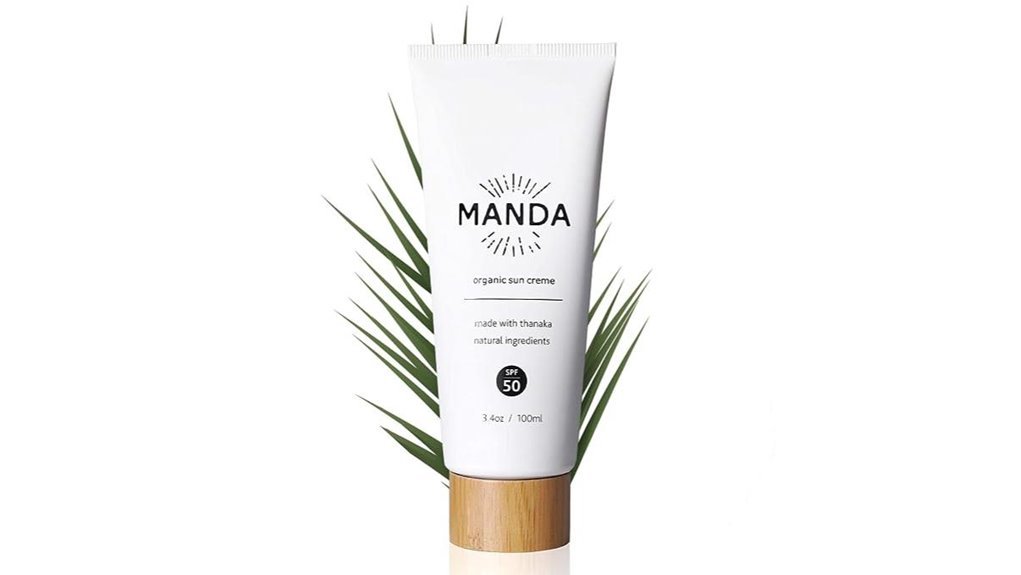
MANDA Natural Mineral Sunscreen SPF 50 suits beachgoers seeking strong reef-safe mineral protection. This organic formula uses zinc oxide as its primary mineral filter, delivering broad-spectrum SPF 50 coverage for face and body. Thanaka adds antioxidant support and is valued for regenerative properties, while the chemical-free composition is designed for sensitive skin. The sunscreen is intended for harsh sun and extended outdoor use, helping maintain hydration and reduce burn risk. Packaged in a sugar-cane bio-plastic tube, it reflects a sustainability focus and is fully recyclable. Apply generously before exposure for best protection.
Best For: Beachgoers and outdoor adventurers seeking a strong, reef-safe mineral sunscreen with sensitive-skin-friendly ingredients and broad-spectrum SPF 50 protection.
Pros:
- Mineral-based formula with zinc oxide for broad-spectrum SPF 50 coverage
- Includes thanaka for antioxidant and regenerative support
- Reef-safe, chemical-free, and packaged in 100% recyclable sugar-cane bio-plastic
Cons:
- May leave a mineral sunscreen cast on some skin tones
- Needs generous reapplication during extended sun exposure
- Small 3.4 oz size may run out quickly with frequent body use
Kokua Sun Care Reef Safe Mineral Sunscreen SPF 50
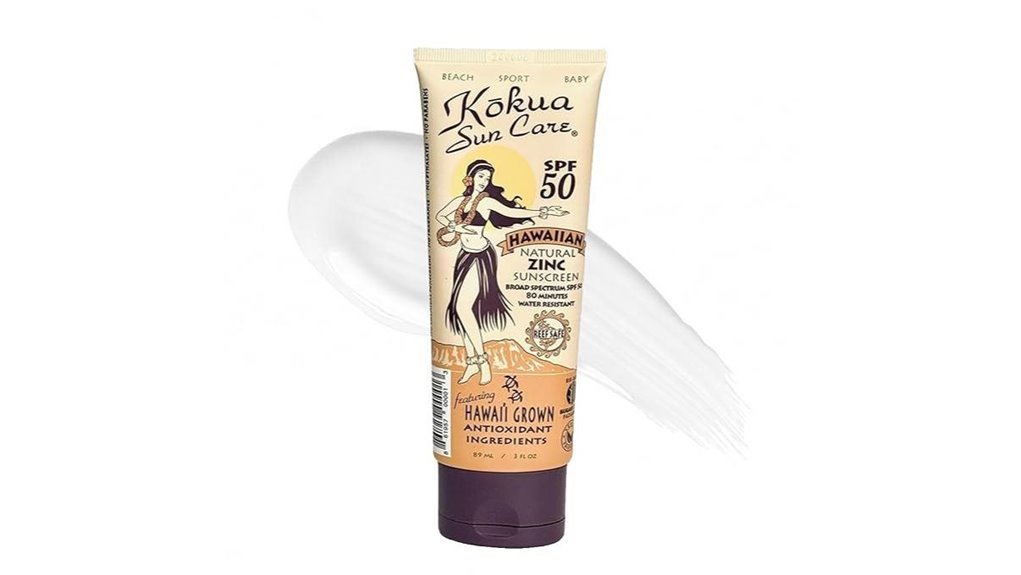
Kokua Sun Care’s SPF 50 mineral sunscreen suits swimmers, surfers, and families needing reliable reef-safe protection. Its 25% non-nano zinc oxide provides broad-spectrum UVA and UVB coverage through a physical barrier, while the 80-minute water resistance supports long sessions in surf, hikes, and beach heat. The formula aims to blend clearly, avoiding a heavy white cast, and the 3 oz size travels easily. Kukui nut oil, macadamia nut oil, spirulina, and noni add hydration. Fragrance-free, non-comedogenic, baby-safe, and free of oxybenzone, octinoxate, and octocrylene, it aligns with marine-conscious sun care.
Best For: Swimmers, surfers, hikers, and families looking for reef-safe, mineral SPF 50 sun protection that’s gentle on sensitive skin and water-resistant for outdoor adventures.
Pros:
- 25% non-nano zinc oxide offers broad-spectrum UVA/UVB protection with a physical barrier.
- 80-minute water resistance makes it well-suited for beach days, surfing, and sweating outdoors.
- Fragrance-free, baby-safe, non-comedogenic formula with hydrating ingredients like kukui nut oil and macadamia nut oil.
Cons:
- 3 oz size may run out quickly with frequent use or for larger families.
- Mineral sunscreens can still leave some residue or require more effort to rub in on certain skin tones.
- Higher SPF and specialty reef-safe formula may come at a premium price compared with basic sunscreens.
Badger Organic After Sun Balm, Blue Tansy & Lavender, Sunburn Relief, 2 oz
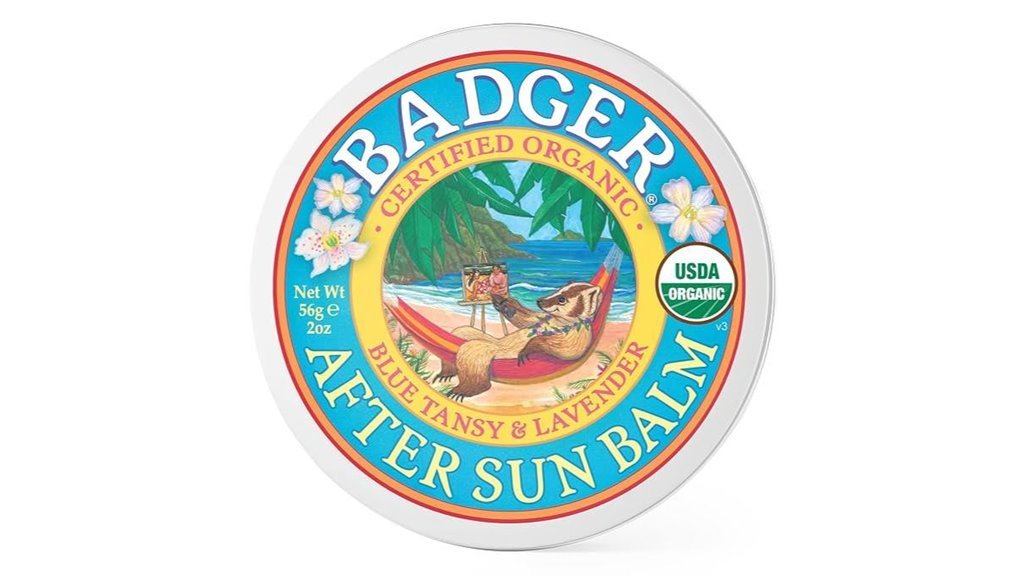
Ideal for beachgoers needing post-sun moisture, this USDA Certified Organic balm soothes dry, tight skin. Badger Organic After Sun Balm blends organic extra virgin olive oil, jojoba oil, cocoa butter, and shea butter to restore hydration after sun, wind, salt, and sand exposure. Organic lavender and Moroccan blue tansy oils add a calming tropical scent while supporting a cooling feel. The 2 oz formula avoids artificial fragrances, dyes, parabens, GMOs, and harsh chemicals. It is certified gluten-free, cruelty-free, and designed with botanical ingredients that support skin balance and a healthier planet.
Best For: Beachgoers and outdoor enthusiasts who want a USDA Certified Organic after-sun balm to soothe, moisturize, and restore dry skin after sun, wind, salt, and sand exposure.
Pros:
- Made with organic extra virgin olive oil, jojoba oil, cocoa butter, and shea butter for rich hydration.
- Contains organic lavender and Moroccan blue tansy oils for a calming tropical scent and cooling feel.
- Free from artificial fragrances, dyes, parabens, GMOs, and harsh chemicals; also gluten-free and cruelty-free.
Cons:
- The 2 oz size may run out quickly with frequent use.
- Balm texture may feel heavy or greasy for some users.
- Scented with essential oils, which may not suit those sensitive to fragrance.
Protekt SPF30 Zinc Oxide Sunscreen Stick for Sensitive Skin
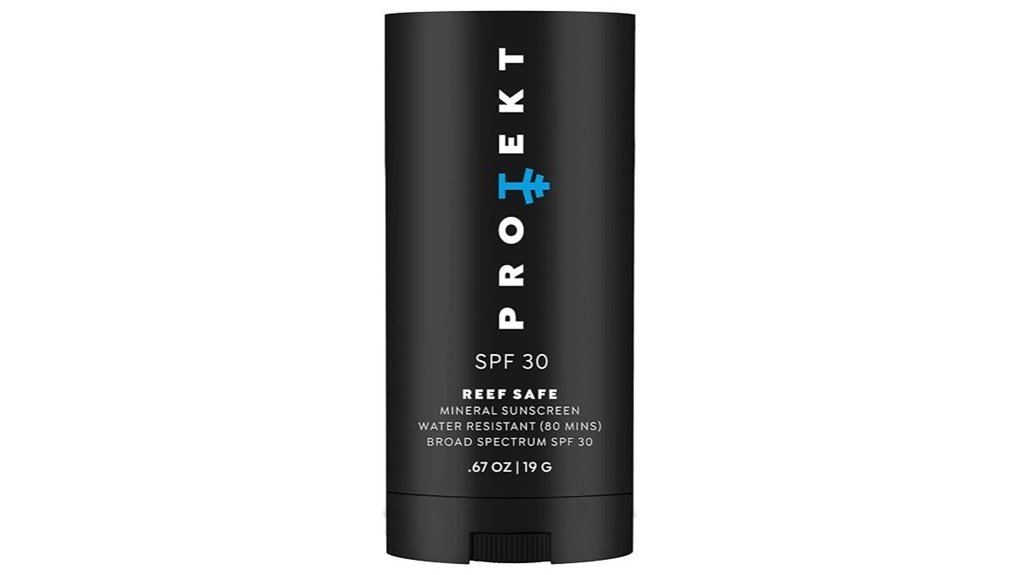
Protekt SPF30 Zinc Oxide Sunscreen Stick suits sensitive skin with its gentle, non-nano zinc oxide formula. This 0.67-ounce clear stick provides broad-spectrum UVA and UVB protection and remains water-resistant for up to 80 minutes. Its portable design makes application simple for travel, family outings, and quick reapplication on the beach. Free from parabens and harmful additives, it is intended for all skin types and tones with a lower risk of rashes or irritation. The formula also moisturizes while protecting, reflecting the brand’s testing standards and reef-safe focus.
Best For: People with sensitive skin who want a portable, reef-safe mineral sunscreen stick for everyday and outdoor use.
Pros:
- Broad-spectrum SPF 30 protection against UVA and UVB rays
- Gentle non-nano zinc oxide formula with low risk of irritation
- Water-resistant for up to 80 minutes and easy to apply on the go
Cons:
- SPF 30 may be lower than some users want for extended sun exposure
- Stick format may feel less convenient for full-body coverage
- 0.67 oz size may run out quickly with frequent use
Factors to Consider When Choosing Reef-Safe Sunscreens 2026 for Beach and Outdoor Use
When choosing reef-safe sunscreens for beach and outdoor use in 2026, attention should center on reef-safe ingredients, broad spectrum protection, and the right SPF strength. Water resistance is also important for extended exposure to sun and surf, while skin sensitivity can help narrow options for those with reactive skin. Together, these factors guide a product that supports both personal protection and environmental care.
Reef-Safe Ingredients
Reef-safe ingredients matter most when selecting a beach sunscreen because the formula should protect skin without introducing known reef-damaging chemicals into marine environments. The most common mineral actives are non-nano zinc oxide and titanium dioxide, chosen because they reduce potential harm to coral and other marine life. Ingredients such as oxybenzone and octinoxate should be avoided, as they are linked to coral bleaching and restricted in many coastal areas. Clear reef-friendly or reef-safe labels can help identify formulas that exclude these substances. Many options also rely on organic and biodegradable components, supporting lower environmental impact. A well-designed product balances skin protection with sustainable sourcing, keeping the formula aligned with beach use and aquatic ecosystem stewardship.
SPF Strength
SPF strength is a key measure of how well a sunscreen filters UVB rays, with higher ratings offering slightly greater protection; for example, SPF 30 blocks about 97% of UVB rays, while SPF 50 blocks about 98%. For beach and outdoor use, a broad-spectrum formula is preferable because it helps protect against both UVA and UVB exposure. The American Academy of Dermatology recommends at least SPF 30 for prolonged time in direct sun. Higher SPF numbers can be useful, but they should not create complacency, since application amount and timing matter greatly. Sunscreen should be applied evenly and reapplied every two hours to preserve effectiveness. Choosing an appropriate SPF supports dependable sun protection without implying that stronger numbers eliminate the need for careful use.
Water Resistance
Water resistance is another key factor to weigh after SPF strength, especially for beach days, swimming, and long hours outdoors. It shows how well a sunscreen keeps working when exposed to water or sweat, with many formulas offering 40 to 80 minutes of protection before reapplication is needed. Broad-spectrum water-resistant options are especially useful outdoors because they help defend against both UVA and UVB rays during prolonged exposure. Their rating is based on tests that mimic real-life conditions, which helps determine how often reapplication should occur. For beachgoers, this feature reduces the risk of sunburn and skin damage from water and sand. Many reef-safe sunscreens now combine water resistance with environmentally safer ingredients, supporting both reliable coverage and ocean-friendly use.
Skin Sensitivity
Skin sensitivity can differ widely from one person to another, making ingredient selection an important part of choosing a reef-safe sunscreen for beach and outdoor use. For individuals prone to irritation, products labeled for sensitive skin are often preferable, since they are designed to reduce discomfort. Non-nano zinc oxide is commonly favored because it is gentle on reactive skin and less likely to trigger irritation than many chemical filters. Hypoallergenic formulas further lower the chance of allergic responses, while dermatologist-tested options provide added reassurance. Before regular use, a small patch test can help reveal redness, itching, or other reactions. Careful selection allows sensitive users to find a reef-safe sunscreen that feels comfortable during long days outside without unnecessary skin stress.
Broad Spectrum Protection
Broad spectrum protection is a key factor when selecting a reef-safe sunscreen for beach and outdoor use because it helps defend against both UVA and UVB rays. UVA rays penetrate deeply, contributing to premature aging and lasting skin damage, while UVB rays affect the skin’s surface, causing sunburn and playing a role in skin cancer. A true broad spectrum formula uses active ingredients that block or absorb both types of radiation. SPF can indicate UVB defense, but it should be paired with proven UVA protection for fuller coverage. For reliable outdoor use, the sunscreen should be reapplied regularly, especially after swimming, sweating, or towel drying, to preserve protection during prolonged sun exposure and active beach or trail conditions.
Eco-Friendly Packaging
Eco-friendly packaging has become an important consideration in reef-safe sunscreen selection, with many brands using biodegradable, compostable, or recyclable materials to reduce environmental impact. Reusable containers, including bamboo jars and sugar-cane-based bioplastics, further support sustainability by lowering reliance on conventional plastic. This packaging trend reflects concern about plastic pollution and its harm to marine ecosystems and wildlife. It also appeals to consumers who favor products aligned with environmental responsibility. Some manufacturers reduce material use through streamlined designs that still protect product quality and integrity. In reef-safe sunscreen choices, packaging matters alongside ingredient safety because it can lessen waste across the product lifecycle. Evaluating these options helps identify brands that combine sun protection with a more responsible environmental footprint.
Application Ease
Beyond packaging choices, ease of use also shapes how practical a reef-safe sunscreen will be at the beach or on the move. Convenient applicators, such as sticks and tubes, reduce mess and speed up coverage, especially when hands are sandy or damp. Creamy or gel textures are often easier to spread evenly and may help limit white cast, which can improve confidence in daily use. Water-resistant formulas add reliability for swimming, sweating, and other outdoor activity, keeping protection in place longer. Travel-sized options can also make reapplication simpler, since compact packs fit easily into bags or pockets. Quick-drying formulas further streamline routines by cutting waiting time before clothing, towels, or gear are used, making the sunscreen more efficient overall.
After-Sun Care
After sun exposure, proper after-sun care helps soothe skin, preserve hydration, and reduce peeling. In reef-safe sunscreen selection, after-sun support matters because UV exposure can leave skin dry, tight, and irritated. Formulas with aloe vera and hyaluronic acid offer quick calming relief while restoring moisture. Balms and serums containing coconut or jojoba oil can further replenish the skin barrier and ease discomfort. Antioxidants are also valuable, since they help defend against additional environmental stressors during recovery. Consistent use of after-sun products can support healing, limit flaking, and lower the chance of longer-term damage. For beach and outdoor use, this step complements sunscreen protection by helping skin recover efficiently after exposure.
Frequently Asked Questions
What Ingredients Should Reef-Safe Sunscreens Always Avoid?
Reef-safe sunscreens should always avoid oxybenzone and octinoxate, along with octocrylene, homosalate, and PABA. They should also skip nanoparticle contamination concerns, added fragrance, and unnecessary preservatives that can harm marine ecosystems.
How Often Should Reef-Safe Sunscreen Be Reapplied Outdoors?
Like clockwork, reef-safe sunscreen should be reapplied every two hours outdoors, and immediately after swimming, sweating, or toweling off. More frequent application may be needed under intense sun, ensuring consistent protection throughout the day.
Are Reef-Safe Sunscreens Effective During Swimming and Sweating?
Yes, reef-safe sunscreens can remain effective during swimming and sweating, but only when labeled water-resistant and reapplied as directed. Their performance depends on application thickness, activity duration, and proper reapplication after water exposure.
Can Reef-Safe Sunscreen Work for Sensitive or Acne-Prone Skin?
Yes, reef-safe sunscreen can suit sensitive or acne-prone skin when it uses mineral filters like zinc oxide or titanium dioxide, fragrance-free formulas, and noncomedogenic ingredients. Patch testing remains advisable before regular use.
Do Reef-Safe Sunscreens Leave a White Cast on Skin?
Yes, many reef-safe sunscreens can leave a white cast, especially mineral formulas with zinc oxide or titanium dioxide. Newer tinted or micronized versions reduce it, though finish varies by brand, skin tone, and application.
Conclusion
Overall, reef-safe sunscreens in 2027 offer a strong balance of skin protection and environmental responsibility. MANDA, Kokua, and Badger stand out for their mineral formulas, sensitive-skin support, and recovery benefits. One striking statistic is that many consumers now prefer reef-safe products at nearly double the rate seen just a few years ago, signaling a major shift toward eco-conscious sun care. As beach seasons grow longer, these safer options are becoming the new standard.