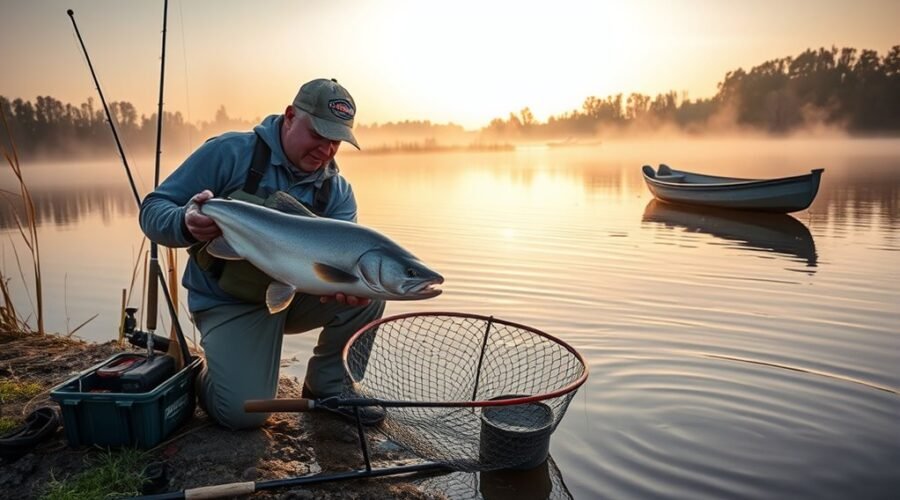
Catfish fishing in 2027 still depends on a few reliable tactics, but results often come down to the details anglers overlook. Slip sinker rigs, scent-heavy bait, deeper summer waters, and changing weather all play a role. The right line, hooks, and swivels can matter just as much as technique. What separates an average setup from one that consistently works is not always obvious.
Extreme Braid Moss Green Braided Fishing Line
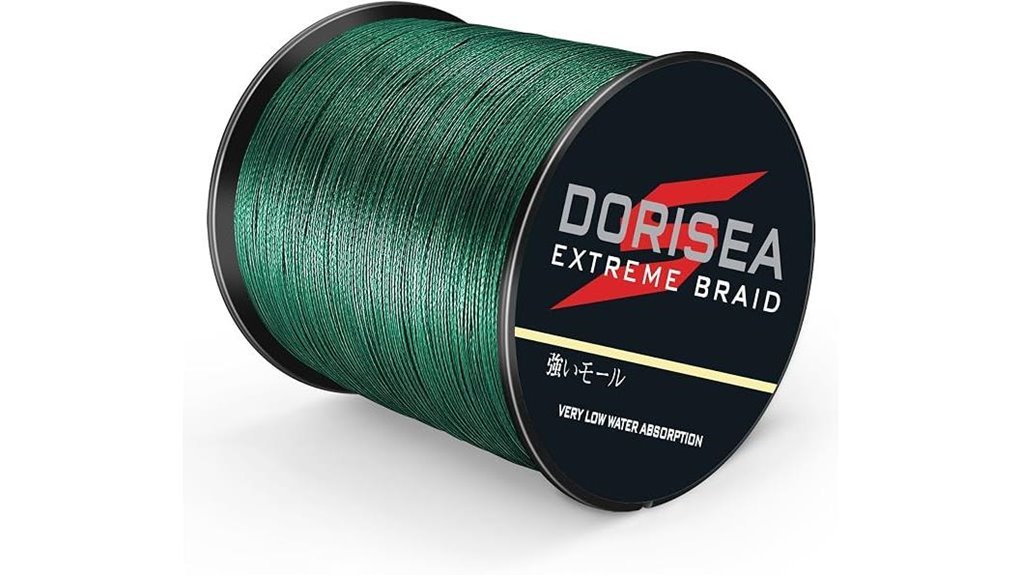
The Extreme Braid 100% PE Moss Green Braided Fishing Line is a strong choice for catfish anglers who need reliable sensitivity and abrasion resistance. Built from four strands of UHMWPE, it combines near zero stretch with a thin diameter, helping detect subtle strikes and improving casting control. Its low memory supports smooth handling, while the strong knot performance adds security under load. The moss green coating helps reduce visibility in water and resists fading. Offered in lengths from 109 to 2187 yards and strengths from 6 to 550 lb, it suits freshwater, saltwater, and ice fishing applications.
Best For: Catfish anglers and other freshwater or saltwater fishermen who want a highly sensitive, abrasion-resistant braided line with low stretch and strong knot security.
Pros:
- Ultra-sensitive with near zero stretch for detecting light bites
- Strong four-strand UHMWPE construction with solid abrasion resistance
- Low memory and thin diameter for smoother casting and handling
Cons:
- Braided line can be more visible than some fluorocarbon options in clear water
- Moss green may not be ideal for every fishing environment
- Very wide strength and length options can make choosing the right spool a bit confusing
50 Pack Fishing Swivel Snap Barrel Tackle Accessories
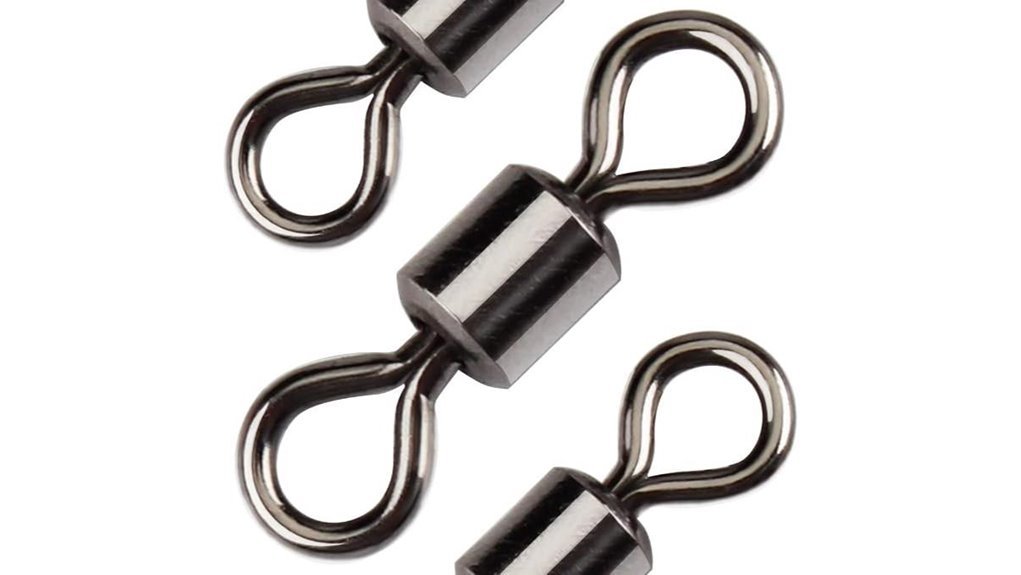
Built for heavy-duty rigs, these 50-pack swivel snap barrel accessories suit anglers chasing strong catfish. Each unit uses stainless steel with black nickel plating, giving the tackle strong corrosion and abrasion resistance. The rolling barrel design promotes smooth rotation, helping reduce line twist and breakage during hard runs. With a #5 test rating of 72 pounds, the snap swivels support demanding leader traces and rig setups. They also perform well in bass fishing, freshwater, saltwater, and offshore applications, making the pack a practical, durable choice.
Best For: Anglers who need durable, heavy-duty swivel snap barrel tackle for catfish, bass, freshwater, saltwater, or offshore fishing.
Pros:
- Stainless steel construction with black nickel plating for strong corrosion and abrasion resistance
- Smooth rolling barrel design helps reduce line twist and breakage
- 50-pack with a #5 test rating of 72 lbs is suitable for demanding rigs and leader traces
Cons:
- May be more than casual anglers need for light-duty fishing
- The #5 size may not suit every rig or target species
- Best performance is geared toward heavier setups rather than ultra-light applications
KastKing Premium Monofilament Fishing Line, Abrasion Resistant & Low Memory
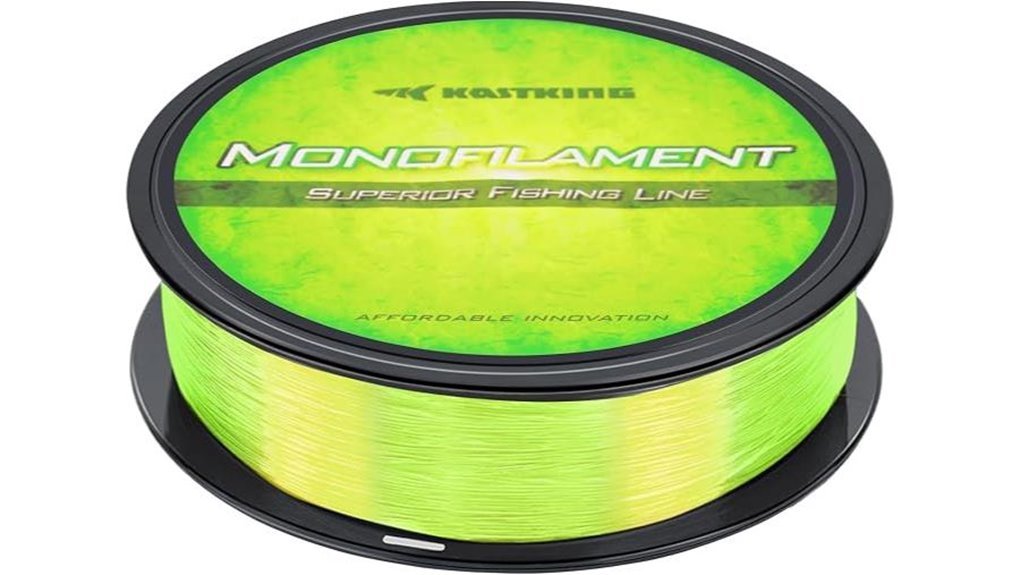
KastKing Premium Monofilament Fishing Line suits anglers needing abrasion resistance and low memory for catfish fishing. Made from durable nylon, it offers 30-pound breaking strength and dependable knot holding for high-action rigs. Its abrasion resistance helps it endure rocks, submerged timber, and heavy vegetation. The low-memory design, using Paralleled Roll Track technology, reduces coil and tangles for smoother casting and better reel capacity. A clear option improves stealth in transparent water, while other colors fit changing conditions. The 1800-foot spool supports long trips, and its versatility works in freshwater and inshore saltwater setups.
Best For: Anglers who want a durable, low-memory monofilament line for catfish and other high-action fishing in freshwater or inshore saltwater.
Pros:
- Excellent abrasion resistance for rocks, timber, and heavy vegetation
- Low-memory design helps reduce coils and tangles for smoother casting
- 1800-foot spool provides plenty of line for long fishing trips
Cons:
- Monofilament may not offer the same sensitivity as some braided or fluorocarbon lines
- 30-pound strength may be more line than needed for light tackle fishing
- Clear and color options can be less specialized than purpose-built premium lines for certain techniques
Berkley PowerBait Catfish Bait Chunks Fishing Dough Bait
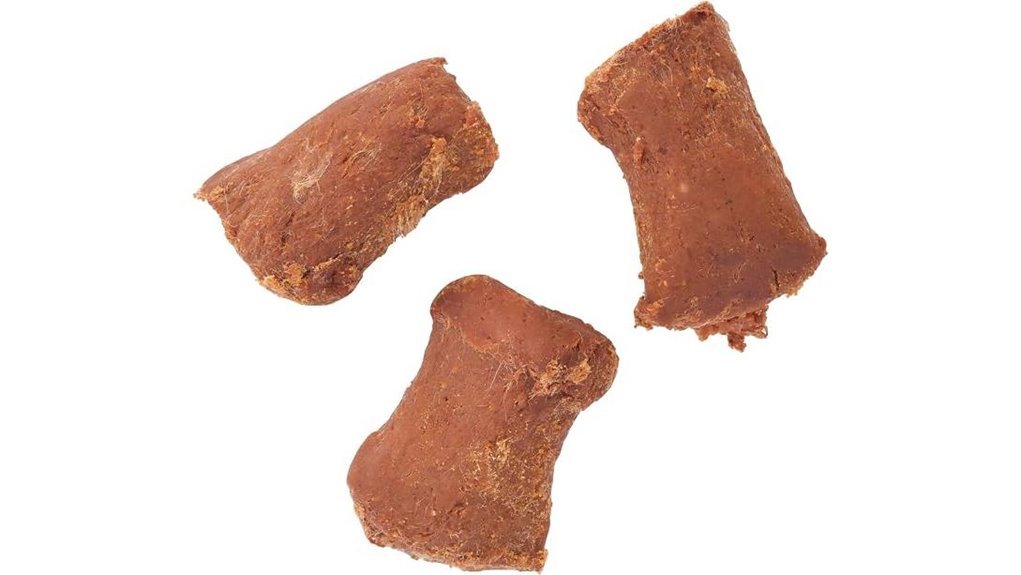
Berkley PowerBait Catfish Bait Chunks Fishing Dough Bait suits anglers who want quick, reliable rigging. Its preformed chunks simplify setup, making it useful for novice anglers learning efficient presentation and for experienced anglers seeking speed on the bank. Berkley’s exclusive PowerBait formula, refined over 30 years, is built around a strong scent and flavor profile intended to draw catfish in varied conditions. The brand’s long reputation for innovation supports its appeal. As a punch bait, it offers dependable handling and a practical option when consistent performance matters most.
Best For: Novice and experienced catfish anglers who want quick, reliable rigging and a proven bait formula.
Pros:
- Preformed chunks make setup fast and easy.
- Strong PowerBait scent and flavor are designed to attract catfish.
- Backed by Berkley’s long-standing reputation for innovation and quality.
Cons:
- May not be ideal for anglers who prefer making their own bait.
- Punch bait can be messy to handle compared with cleaner alternatives.
- Effectiveness may vary depending on water and fishing conditions.
YOTO Stainless Steel Fishing Leaders with Swivels Snaps
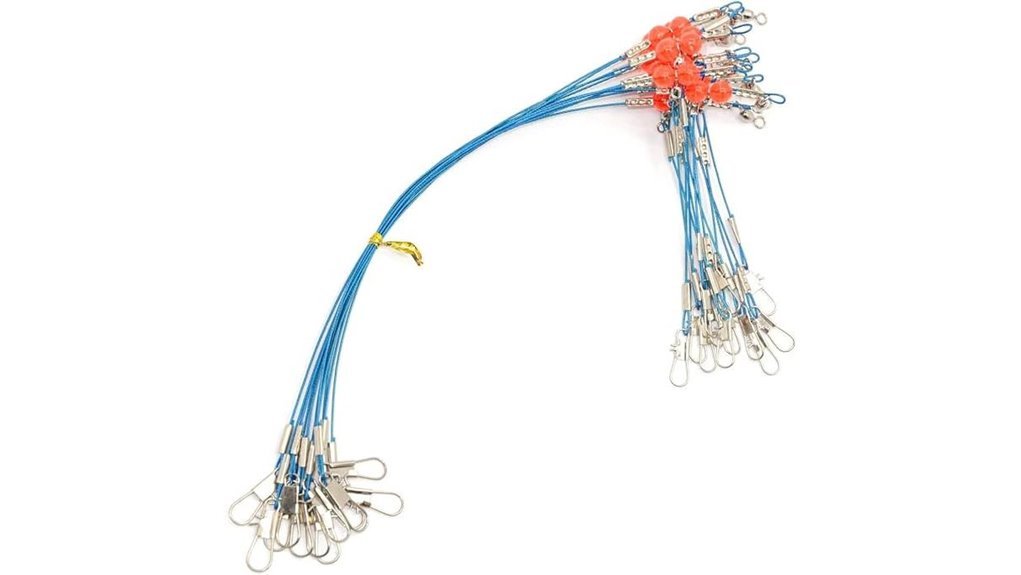
YOTO’s stainless steel leader rig suits anglers chasing catfish in rough water. Built for saltwater and freshwater use, it relies on 100% stainless steel with a nylon coat that helps resist rust and wear. The main leader tests to 90 lb, while the arm leader rates at 56 lb. Its double hook layout includes swivels, snap, and beads, and the swivels help prevent twisted wires. This setup fits bottom fishing and surf fishing, where strong, dependable terminal tackle matters. It can also handle bass, pike, salmon, trout, herring, carp, and other hard-fighting species.
Best For: Anglers who need a durable stainless steel leader rig for bottom fishing, surf fishing, and targeting strong freshwater or saltwater species like catfish, bass, pike, and salmon.
Pros:
- 100% stainless steel construction with a nylon coat for improved rust and wear resistance
- Swivels help prevent twisted wires, making the double hook setup more dependable
- Strong leader ratings suit tough fishing conditions and hard-fighting fish
Cons:
- May be overkill for light tackle or small fish
- Double hook rig may not suit every fishing style or local regulation
- Heavier terminal tackle can be less subtle in clear or very calm water
Circle Hooks for Saltwater and Freshwater Fishing
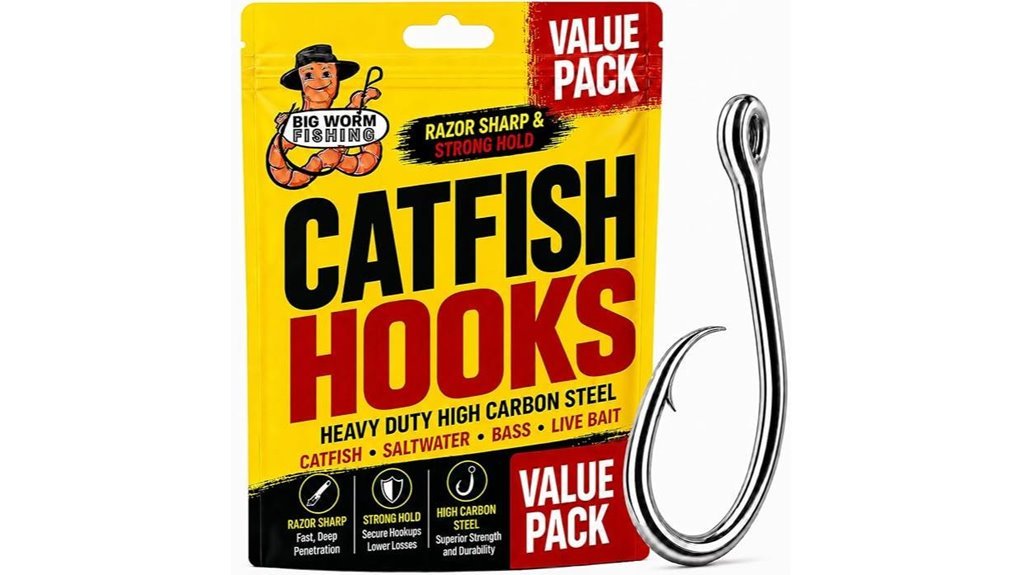
Circle hooks suit anglers targeting catfish in both saltwater and freshwater. The Big Worm Fishing assortment includes 15 carbon steel and stainless steel hooks in 5/0, 6/0, and 8/0 sizes, with five of each. Their needle points and strong construction support reliable hookups for catfish, bass, trout, tuna, carp, sheepshead, and shark. The kit fits catfishing, lake fishing, and bulk tackle needs. Compact enough for tackle boxes, it also works with pliers and bobbers. Positive feedback emphasizes durability, versatility, and steady performance across varied fishing environments.
Best For: Anglers who want a compact, versatile circle-hook assortment for catfishing, bass, trout, tuna, and other saltwater or freshwater fishing needs.
Pros:
- Includes 15 strong carbon steel/stainless steel circle hooks in three useful sizes: 5/0, 6/0, and 8/0.
- Works well for both saltwater and freshwater fishing, making it a flexible all-around kit.
- Needle-point design and sturdy construction help support reliable hookups and durability.
Cons:
- Only three hook sizes are included, so it may not cover anglers needing a wider range.
- Best suited to circle-hook fishing styles, which may not fit every technique.
- The assortment is relatively small for anglers who go through hooks quickly on frequent trips.
Factors to Consider When Choosing How to Catch Catfish: 4 Proven Methods and Essential Gear
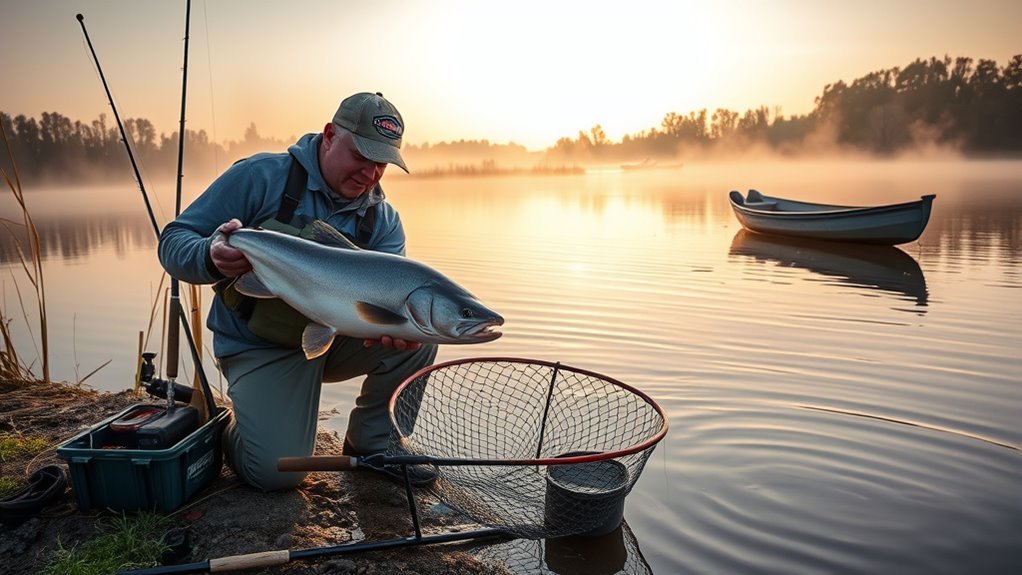
Choosing how to catch catfish depends on the species, because channel, blue, and flathead catfish often respond differently to gear and bait. Water conditions also matter, since depth, current, and clarity can influence bait selection, rig type, and hook size. The most effective approach matches these factors with the right method and essential gear.
Catfish Species
Catfish species vary widely, and that difference matters when choosing how to catch them. Channel catfish are common in rivers and lakes across North America, and their size, often reaching 50 pounds, makes them a dependable target for many anglers. Flathead catfish are different: they favor warmer water and often hunt live prey, so methods that match that feeding style can improve results. Blue catfish present another challenge because they are the largest North American catfish, frequently topping 100 pounds and often holding in deep sections of large rivers and reservoirs. Recognizing these species-specific habits allows anglers to choose bait, tackle, and technique more effectively. Matching the approach to the fish increases efficiency and raises the chances of success.
Water Conditions
Water conditions strongly influence where catfish feed and how well they respond to bait. Warm water between 70°F and 85°F usually increases activity, making catches more likely. Murky water can also help because catfish depend heavily on scent rather than sight, and reduced visibility often improves feeding. Oxygen levels matter as well; cooler water with higher oxygen content tends to attract more fish, especially at dawn and dusk. Seasonal shifts change their location: in spring, catfish often move into shallow spawning areas, while summer heat pushes them toward deeper, cooler water. Overcast skies and light rain can further encourage feeding, since these conditions often make catfish more active and easier to locate.
Bait Selection
Once catfish are located in favorable water, bait becomes the next major factor in getting bites. Effective choices usually include dough bait, live bait, or cut bait, since each releases scent and flavor that catfish can detect readily. Strong-smelling options often perform best because catfish rely heavily on smell while feeding near the bottom. Baits infused with oils or bold flavors can improve results when fish are cautious. Preformed dough baits in chunks or balls offer convenience and quick use, especially for anglers who want simple preparation. Products such as Berkley PowerBait add a specialized formula that can boost dough bait appeal. Matching bait to natural food sources in the environment further improves the chance of convincing bottom-feeding catfish to strike.
Rig Type
Selecting the right rig type can make a major difference in catfishing success because different setups are better suited to specific depths, currents, and feeding habits. A slip sinker rig is often chosen when free bait movement is needed, while a bobber rig keeps bait suspended at a chosen depth. Matching rig weight to current and depth helps place bait in the feeding zone rather than letting it drift out of reach. Strong leaders, including stainless steel options, add durability and reduce break-offs when larger catfish surge away. Circle hooks are commonly paired with these rigs because they help secure fish efficiently. The best rig is the one that aligns with habitat, water movement, and the targeted catfish’s behavior.
Hook Size
Hook size plays a major role in catfishing success, especially when targeting larger species that can handle bigger bait and require a stronger hold. In many cases, hooks in the 5/0 to 8/0 range provide the size needed for solid penetration and a secure grip on heavier fish. Larger hooks also support bulky bait, which can be useful because catfish often respond to substantial food sources. Circle hooks are often preferred since they tend to set in the corner of the mouth, helping reduce deep hooking and improving catch-and-release outcomes. The hook should be matched to the target species and the line setup so the entire presentation works together efficiently.
Line Strength
Line strength is a key part of catfishing success, with most anglers choosing lines in the 20- to 50-pound test range to handle the fish’s size and power. This range gives enough strength for steady pressure during the fight while still allowing practical casting and control. Braided line is often favored because its low stretch improves sensitivity and helps detect subtle bites quickly. Monofilament can also work well, since its stretch provides shock absorption when a catfish makes a sudden run, reducing breakage. Heavier line becomes especially important in heavy cover or around structure, where fish can wrap or dig in. Matching line strength to the species targeted helps guarantee the tackle can manage the fish’s weight and fighting ability.
Leader Material
After line strength is matched to the fish and the cover, leader material becomes the next key choice for keeping catfish pinned and gear intact. Stainless steel is often preferred because it resists corrosion and holds up in both saltwater and freshwater, making it dependable across conditions. A high-test leader, such as one paired with a 90 lb main line, helps absorb the force of larger catfish without snapping. Nylon-coated leaders add abrasion resistance in rocky or snag-heavy areas, extending service life. Heavy-duty leader material also helps reduce twist and breakage when circle hooks are used. At the same time, the leader diameter should stay slim enough for stealth in clear water while still delivering the strength needed for secure retrieval.
Swivel Use
Swivels play a critical role in catfish rigs by reducing line twist, which helps retrieval stay smooth and lowers the risk of breakage during casts or hard runs. Rolling barrel swivels are often preferred for heavy-duty catfish setups because they connect the main line to the leader while preserving rig strength. Their design supports both freshwater and saltwater use, giving anglers flexibility across different waters. Stainless steel swivels with corrosion-resistant plating are especially valuable, since they withstand harsh conditions and last longer under repeated pressure. They also speed up tackle adjustments by allowing quick rig changes without retying knots. Used correctly, swivels improve efficiency, protect terminal tackle, and help maintain a balanced, dependable catfish presentation from cast to landing.
Frequently Asked Questions
What Time of Day Do Catfish Feed Most Actively?
Catfish feed most actively at night, especially after dusk and before dawn, when darkness, cooler water, and lower pressure make them roam. Overcast days and low-light periods can also increase feeding activity.
Which Water Temperatures Are Best for Catfish Fishing?
Like a furnace finding its sweet spot, catfish fishing often peaks between 70 and 85°F. In cooler water, activity slows; in warmer, oxygen drops. Anglers generally favor stable mid-70s temperatures for consistent bites.
How Do I Find Catfish in Muddy Water?
Catfish in muddy water are usually found near channels, creek mouths, drop-offs, submerged timber, and calmer eddies where food collects. Using scent baits and fishing low near the bottom often improves detection and hookups.
What Bait Works Best for Trophy-Sized Catfish?
Fresh cut bait, especially shad or bluegill, often works best for trophy-sized catfish. Strong scents draw big fish from distance. Chicken liver, nightcrawlers, and prepared stink baits can also produce quality bites.
Do Catfish Bite Better in Rivers or Lakes?
Like a courier choosing roads, catfish usually bite better in rivers where current carries food and scent. Yet lakes can excel too, especially near drop-offs, channels, and submerged structure when conditions turn favorable.
Conclusion
Ultimately, the best way to catch catfish in 2027 combines proven tactics and dependable gear. Slip sinker rigs, strong-smelling baits, deeper summer waters, and fishing on cloudy or rainy days work together like pieces of the same puzzle. Some may think success depends only on luck, but the right line, swivels, leaders, and circle hooks turn guesswork into consistency, helping anglers picture a simple path from cast to catch.