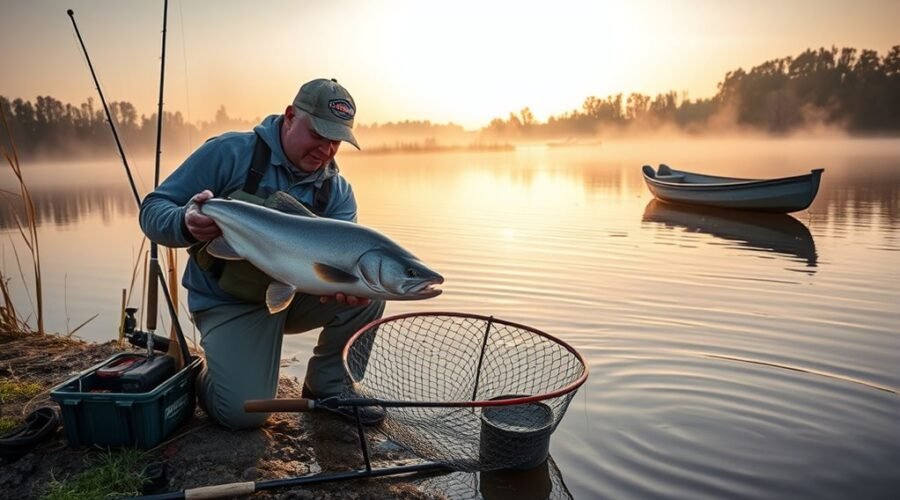
Learning how to catch catfish starts with understanding where they feed, choosing the right bait, and keeping that bait in the feeding zone. Whether you’re fishing from a riverbank, a dock, or a boat, a few proven methods can help you target channel, blue, and flathead catfish more effectively. This guide explains four practical fishing methods, how to set up your gear, and what to change when the fish aren’t biting.
Quick Answer
To catch catfish, start with a baited slip-sinker rig near a channel edge or other cover. Use cut fish for blue catfish, prepared bait or worms for channel catfish, and legal live bait for flatheads. Try float fishing for suspended fish or drift fishing across open flats. Match your hook, line, and sinker to the conditions.
Key Takeaways
- Bottom fishing, float fishing, drift fishing, and fishing around cover are four practical ways to target catfish.
- Match your bait to the species: prepared bait and worms for channel cats, fresh cut bait for blues, and live prey for flatheads.
- Look for channel edges, current breaks, submerged timber, flats, and places where food collects.
- Circle hooks work best with steady pressure rather than a hard hookset.
- Change your location or presentation when conditions change instead of relying on one rig all day.
At a Glance
| Time Required | About 10–20 minutes to prepare a simple rig; fishing time varies. |
| Difficulty | Beginner to intermediate, depending on the method and water conditions. |
| Tools Needed | Rod, reel, fishing line, hooks, sinkers, swivels, leader material, bait, pliers, and landing net. Add a float for suspended presentations. |
| Cost | Varies by rod, reel, tackle, bait, and required fishing permit. Existing general-purpose fishing equipment can often be used. |
Four Proven Methods for Catching Catfish
Different methods work in different situations. A bottom rig is a useful starting point for beginners, but suspended bait and moving presentations can be more effective when fish are feeding away from the bottom.
Method 1: Bottom Fishing With a Slip-Sinker Rig
A slip-sinker rig is one of the most practical ways to catch catfish from shore or an anchored boat. It holds bait near the bottom while allowing line to move through the sinker.
Best conditions: Riverbanks, channel edges, deeper pools, and lake bottoms where catfish travel or feed.
How to set it up:
- Thread an egg sinker or another suitable sliding sinker onto your main line.
- Add a small protective bead if needed to keep the sinker from striking the knot.
- Tie the main line to a sturdy barrel swivel.
- Attach approximately 12–24 inches of abrasion-resistant leader material to the other side of the swivel. Adjust the length to suit current and cover.
- Tie on a hook that matches your bait and target species.
- Add your bait, cast toward a promising feeding area, and allow the sinker to settle.
- Reel in excess slack while leaving enough flexibility for the fish to take the bait.
Fresh cut bait is useful when targeting blue catfish. Nightcrawlers, chicken liver, and prepared bait are practical options for channel catfish. Legal live bait can be effective for flatheads.
According to Take Me Fishing’s catfish guide, slip rigs are useful for presenting bait near the bottom with relatively little resistance.
Pro Tip: Use just enough sinker weight to keep the bait in your chosen area. Too little weight allows unwanted drifting; excessive weight makes casting and presentation less practical.
Method 2: Float Fishing for Suspended Catfish
Catfish do not always feed directly on the bottom. A float rig suspends bait at a chosen depth and can help keep it above weeds, rocks, or submerged debris.
Best conditions: Shallow flats, pond edges, flooded vegetation, and locations where fish are feeding above the bottom.
How to set it up:
- Place a suitable float on the main line. A slip float is useful when fishing deeper water.
- Add a float stop and bead if the float design requires them.
- Attach the hook and enough split shot or other suitable weight to balance the float.
- Adjust the depth so the bait hangs near the level where fish are feeding.
- Cast beside cover or along a drop-off and watch for the float to move or disappear.
For channel catfish, start with worms or small pieces of cut bait. When targeting flatheads, use an appropriate live baitfish only where local regulations permit it.
A slip float is especially helpful when you need to change depth without rebuilding the entire rig.
Method 3: Drift Fishing Across Flats and Channel Edges
Drift fishing covers more water than waiting in one place. Instead of leaving bait at a single location, the boat moves slowly while the bait passes through potential feeding areas.
Best conditions: Large lakes, reservoirs, broad flats, and river channels with manageable current.
How to do it:
- Identify a flat, channel edge, or other area likely to hold feeding catfish.
- Rig a suitable sinker and leader so the bait travels near the intended depth.
- Use fresh cut bait when targeting blue catfish.
- Allow the boat to move slowly while maintaining control over the presentation.
- Adjust line length as depth changes to reduce dragging and snagging.
- Repeat productive drifts rather than continuing through water with no signs of activity.
A three-way rig is another useful option for moving presentations because it separates the sinker from the baited leader.
The Missouri Department of Conservation describes drifting as an established technique for targeting blue catfish in large rivers.
Warning: Drift fishing requires attention to boat traffic, current, changing weather, and underwater hazards. Wear an appropriate life jacket, keep the boat under control, and avoid unsafe water near dams and restricted areas.
Method 4: Fishing Around Timber, Rocks, and Current Breaks
Catfish often use submerged structure and changes in current to find food while conserving energy. This makes cover-oriented fishing useful from both shore and boat.
Best conditions: Submerged logs, rock piles, undercut banks, creek mouths, channel bends, and the calmer water beside stronger current.
How to fish these areas:
- Identify visible cover or use a depth finder to locate submerged structure.
- Position yourself so the bait can reach the edge of the cover.
- Use a bottom rig or float rig based on the depth and snag risk.
- Cast beside the structure rather than directly into the heaviest snags.
- Maintain enough line control to guide a hooked fish away from obstacles.
- If one location produces no activity, test another edge, depth, or nearby current break.
Flathead catfish are particularly associated with woody cover and sheltered areas. Blue catfish often use channel breaks and current seams, while channel catfish can be found in slower water, backwaters, and shallower feeding areas.
Essential Catfish Gear and Bait
The following products cover the main fishing-line, terminal-tackle, and bait categories discussed in this guide. Choose each component according to the size of the fish, your fishing method, and the strength of the complete rig.
Affiliate disclosure: This article contains Amazon affiliate links. We may earn a commission from qualifying purchases made through these links.
Extreme Braid Moss Green Braided Fishing Line
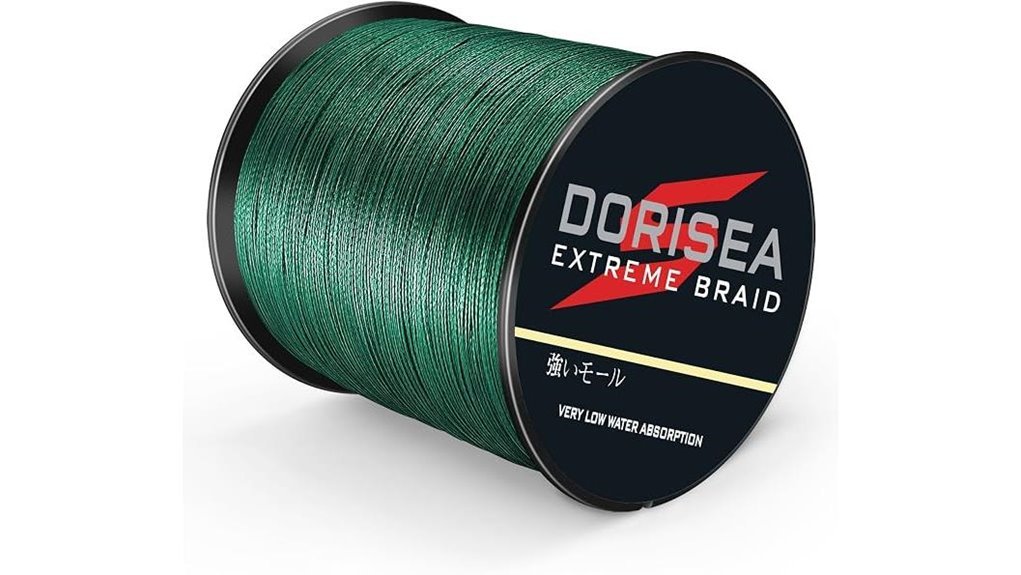
Dorisea Extreme Braid Moss Green Fishing Line uses a four-strand polyethylene braid designed for strength, low stretch, and bite detection. Its relatively thin diameter can help with line capacity and casting, while the moss green finish provides a less conspicuous appearance in some water conditions.
Braided line is useful when fishing around cover or when you need to detect subtle movement at a distance. However, it is not invisible underwater, and its limited stretch means drag adjustment and rod control are important.
The product family includes multiple strengths and lengths. The linked listing is associated with a 70 lb, 109-yard moss green variant, so the broader advertised range should not be confused with the contents of one spool.
Best For: Catfish anglers who prefer low-stretch braided main line for bottom fishing and fishing near structure.
Pros:
- Low stretch helps transmit bites and bottom contact.
- Four-strand polyethylene construction provides a strong main-line option.
- Thin diameter can help with line capacity.
Cons:
- Limited stretch offers less shock absorption than monofilament.
- Visible braid may be less suitable for some clear-water presentations.
- Line strength and spool length vary by selected version.
50 Pack Fishing Swivel Snap Barrel Tackle Accessories
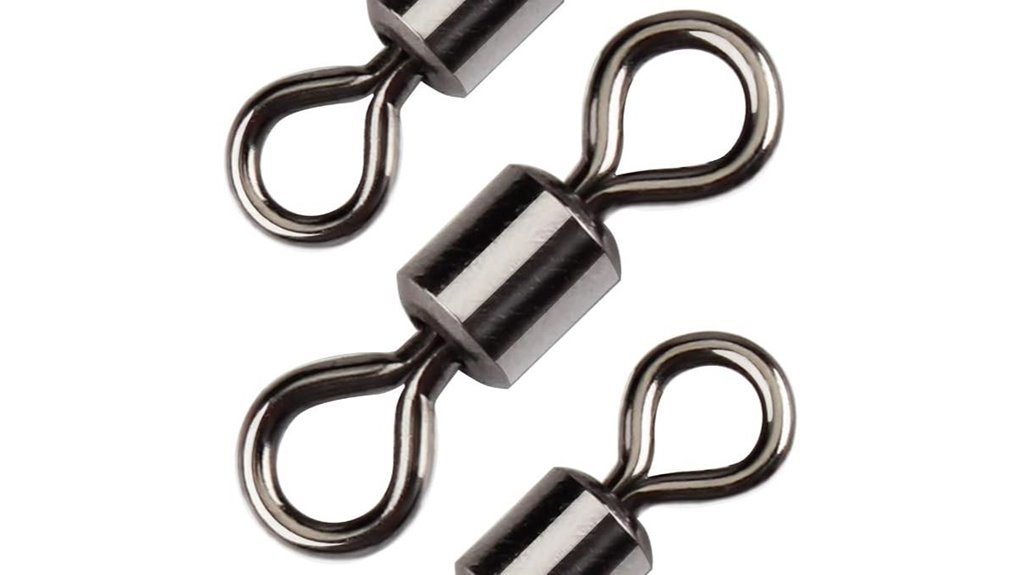
These rolling barrel snap swivels provide a practical way to connect fishing components and reduce line twist.
The listed construction uses stainless steel with black nickel plating. The advertised #5 version has a 72 lb test rating, although this should be treated as the seller’s specification rather than an independently tested breaking strength.
A swivel is particularly useful between the main line and leader on a slip-sinker rig. The snap allows quicker tackle changes, but every additional connection introduces another possible failure point.
Best For: Anglers who want convenient connections for heavier freshwater or saltwater fishing rigs.
Pros:
- Rolling swivel design helps reduce line twist.
- Snap connection makes some rig changes easier.
- The 50-piece pack provides spare terminal tackle.
Cons:
- The snap can open or fail if overloaded or damaged.
- A large swivel may be unnecessary on lighter rigs.
- The rated strength of the complete setup depends on every component and knot.
KastKing Premium Monofilament Fishing Line, Abrasion Resistant & Low Memory
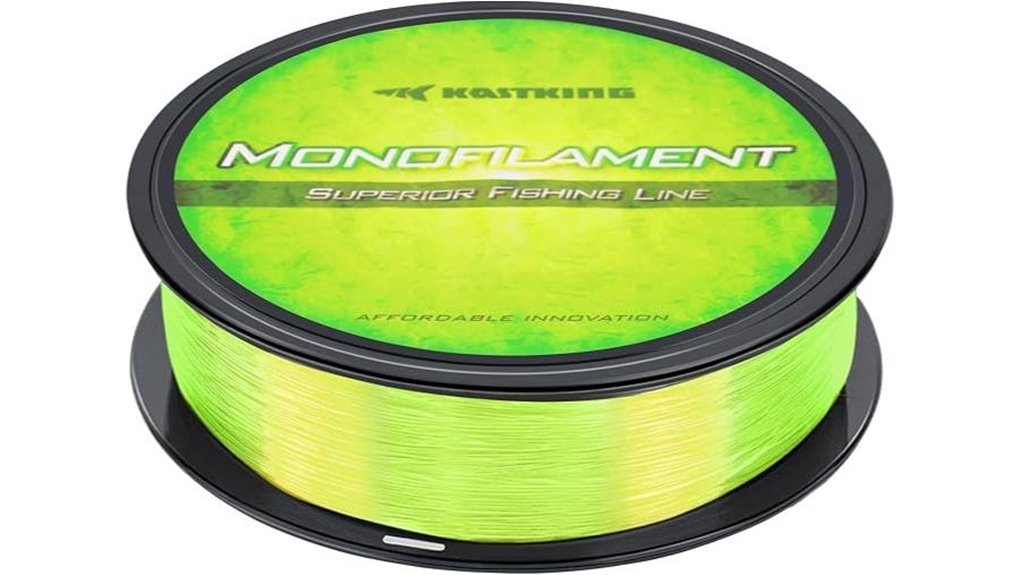
KastKing Premium Monofilament Fishing Line is a nylon option for anglers who want a balance of strength, handling, and shock absorption.
Its Paralleled Roll Track technology is designed to reduce line memory and improve spool handling. The manufacturer also describes the line as abrasion-resistant and suitable for freshwater and saltwater use.
The linked 30 lb, 600-yard version is identified as Sunrise Yellow. Clear and other colors belong to separate product options.
Monofilament stretches more than braid, which can help absorb sudden pulls during a fight. It also makes useful leader material for many catfish rigs.
Best For: Anglers who prefer monofilament main line or need a practical leader material for bottom fishing.
Pros:
- Stretch provides some shock absorption.
- Manufacturer-described low-memory construction supports easier handling.
- The linked 600-yard spool provides a substantial amount of line.
Cons:
- Greater stretch reduces sensitivity compared with braid.
- Monofilament can develop coils over time.
- The linked yellow variant is more visible than clear line in some conditions.
Berkley PowerBait Catfish Bait Chunks Fishing Dough Bait
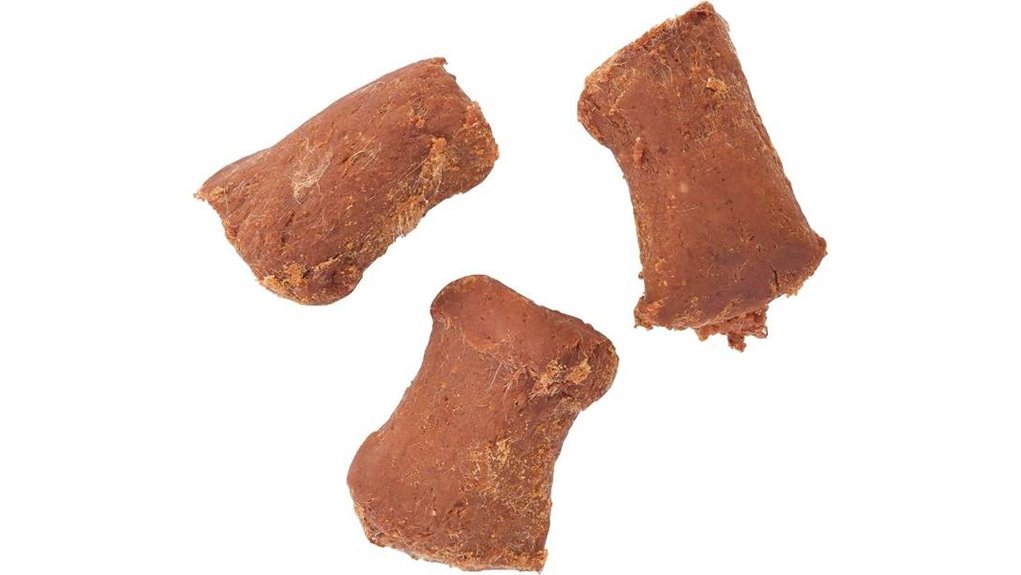
Berkley PowerBait Catfish Bait Chunks are preformed prepared baits designed for quick rigging. Their scent and flavor formulation offers a convenient alternative to handling fresh cut bait or preparing homemade mixtures.
Berkley offers several scent options, including chicken liver, blood, cheese, and cut-shad formulations.
Prepared bait is particularly useful when targeting channel catfish in ponds, lakes, and slower river sections. It can produce bites from other catfish as well, but it should not replace fresh cut bait or live bait in every situation.
Best For: Beginners and experienced anglers who want a convenient prepared bait for channel catfish.
Pros:
- Preformed chunks simplify bait preparation.
- Available in multiple scent formulations.
- Useful for simple bank-fishing setups.
Cons:
- Effectiveness varies with species and water conditions.
- Soft bait can be pulled off the hook.
- Fresh natural bait may be more suitable for some trophy-catfish presentations.
YOTO Stainless Steel Fishing Leaders with Swivels Snaps
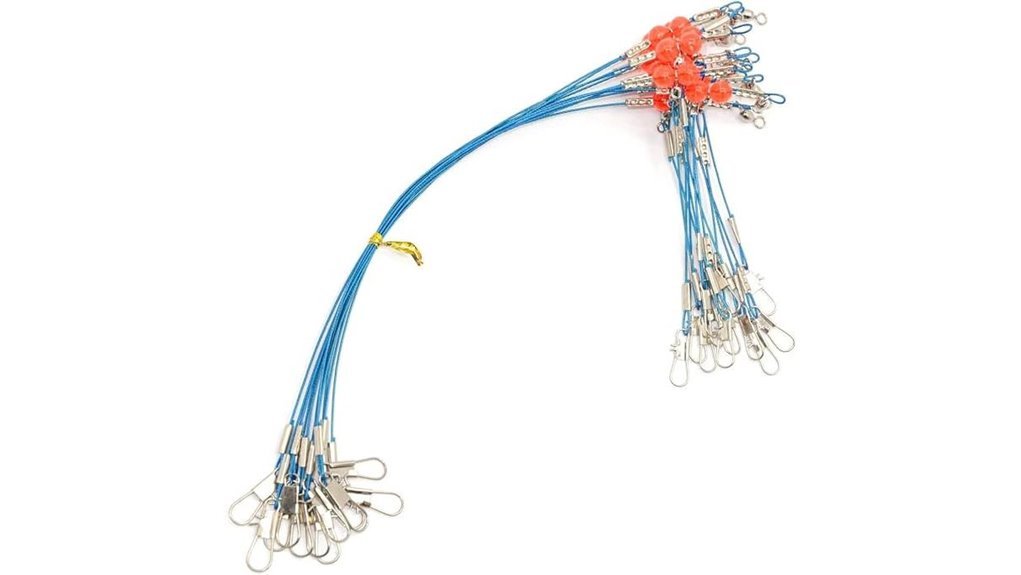
YOTO stainless steel leaders are designed for situations where a wire leader and multiple terminal connections are useful.
The nylon-coated wire construction provides resistance to wear and corrosion. Available configurations include swivels, snaps, beads, and multiple leader arms.
The supplied product description advertises a 90 lb main leader and a 56 lb arm leader. These are seller-stated specifications, not independent strength measurements.
Wire leaders can be useful in certain rough-water or mixed-species situations. However, ordinary monofilament leaders are often more suitable for dedicated catfish rigs because they provide a more flexible bait presentation.
Best For: Anglers who need a wire leader for specialized bottom-fishing or mixed-species applications.
Pros:
- Nylon-coated stainless steel construction.
- Integrated swivels and snaps simplify some rig changes.
- Multiple-arm configurations can support specialized presentations.
Cons:
- Wire is stiffer than monofilament.
- Multiple hooks are not allowed under every fishing regulation.
- Heavy hardware may be unnecessary for ordinary channel-catfish fishing.
Circle Hooks for Saltwater and Freshwater Fishing
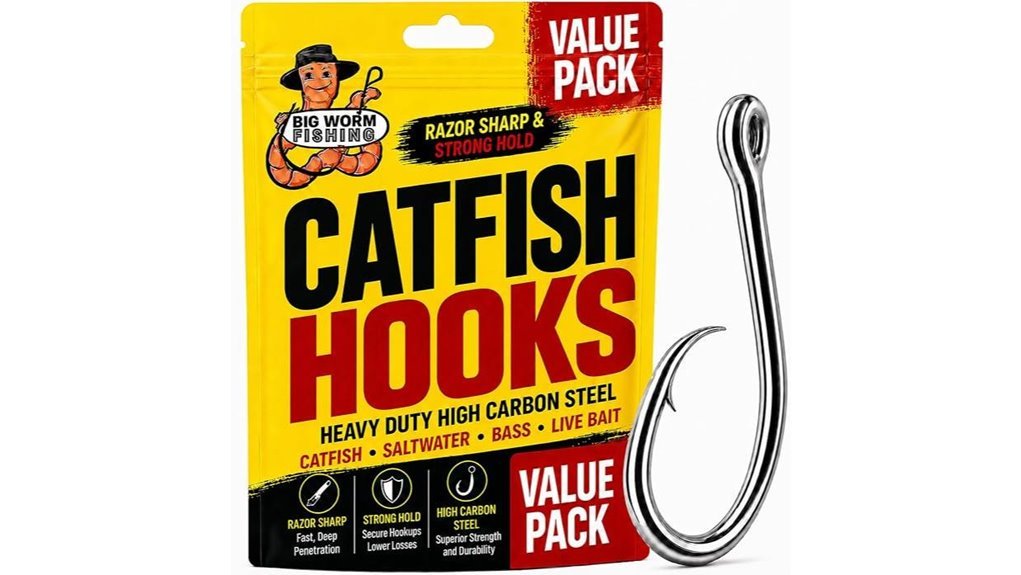
The linked Big Worm Fishing assortment is advertised as a 120-hook kit containing eight sizes: 1, 1/0, 2/0, 3/0, 4/0, 5/0, 6/0, and 8/0, with 15 hooks of each size.
The seller describes carbon steel construction and markets the assortment for freshwater and saltwater fishing.
For catfish, hook size should match the bait and the target fish. Smaller hooks can work with worms and modest bait pieces, while larger hooks provide room for bulkier cut bait or legal live bait.
Circle hooks are useful because they tend to catch near the mouth when properly used. Instead of striking hard, allow the rod to load and reel steadily.
Best For: Anglers who want a range of hook sizes for different bait presentations and fish sizes.
Pros:
- Eight advertised sizes provide flexibility.
- 120-hook pack offers spare tackle.
- Includes larger sizes suitable for many catfish applications.
Cons:
- Not every hook size is suitable for every catfish rig.
- Hook shape and gap must match the bait presentation.
- Carbon steel hooks require proper drying and storage to limit corrosion.
Factors to Consider When Choosing How to Catch Catfish
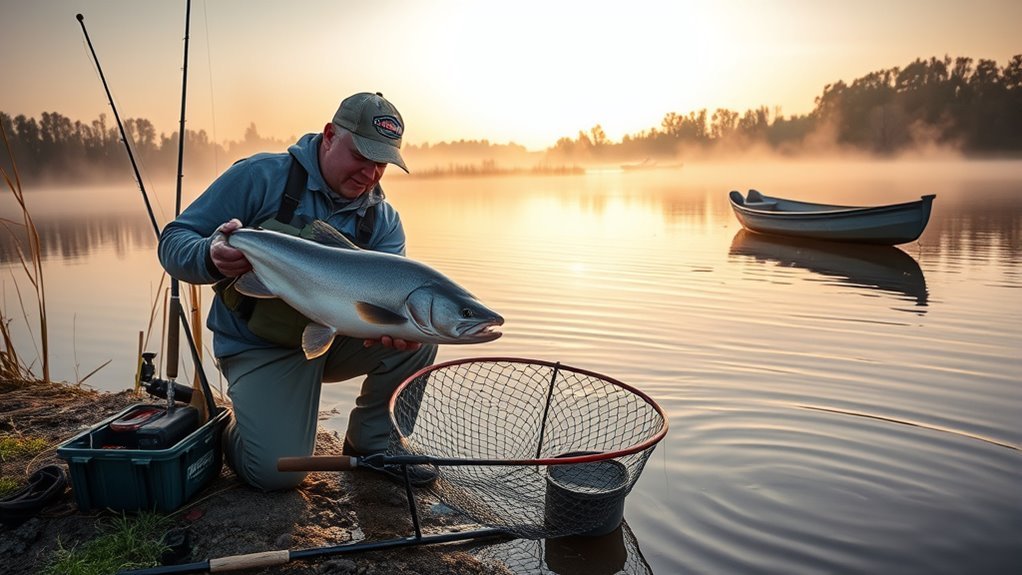
Choosing how to catch catfish depends on the species, depth, current, bait, and available cover. A setup that works well for channel catfish in a small pond may not be suitable for targeting a large blue catfish in a strong river current.
Catfish Species
The three major North American species discussed in this guide have different feeding habits and preferred habitats.
- Channel catfish: Found in rivers, lakes, and ponds. They accept a wide variety of food, including worms, prepared bait, insects, and small fish.
- Blue catfish: Often associated with large rivers and reservoirs. Fresh cut fish, especially shad where available and legal, is a useful bait choice.
- Flathead catfish: Often associated with woody cover, sheltered water, and live prey. Fishing around cover during lower-light periods can be productive.
These are starting points rather than fixed rules. Each species can change its feeding location as conditions shift.
Water Conditions
Water temperature, current, clarity, and dissolved oxygen influence catfish activity.
Warm conditions can increase feeding activity, but extremely warm, poorly oxygenated water may be less productive. There is no single temperature range that guarantees good fishing for every catfish species.
Murky water does not prevent catfish from finding food. Their senses help them locate prey when visibility is limited, making scent-producing bait useful in many muddy-water situations.
In rivers, look for current breaks where food can collect. In lakes, investigate channel edges, points, flats, and submerged structure.
Cloud cover and light rain can create useful feeding conditions, but heavy rain and rising water can also produce dangerous currents and unstable banks.
Bait Selection
Choosing the right bait is one of the simplest ways to improve your presentation.
| Target Species | Useful Bait Choices |
| Channel catfish | Nightcrawlers, chicken liver, prepared bait, and small cut bait. |
| Blue catfish | Fresh cut shad or other permitted baitfish. |
| Flathead catfish | Live baitfish and other permitted live prey. |
When using cut bait, use pieces large enough to stay on the hook while leaving the hook point and gap clear.
When using prepared dough bait, select a hook or bait holder that keeps the bait secure during casting.
Note: Rules for collecting, transporting, and using live baitfish vary by location. Never release unused baitfish into the water, and do not move bait or bait-bucket water between water bodies.
Rig Type
A slip-sinker rig is a practical choice when the goal is to hold bait near the bottom.
A float rig keeps bait at a selected depth and can reduce contact with weeds and bottom debris. Drift and three-way rigs help cover larger areas while keeping bait near the target depth.
Match the rig to the location:
- Quiet bottom: Slip-sinker rig.
- Suspended feeding: Float rig.
- Open flats: Drift rig.
- Heavy cover: A controlled bottom or suspended presentation with suitable tackle.
When fishing current, adjust the weight until the bait remains in the intended area.
Hook Size
Hooks in the 5/0 to 8/0 range are commonly used for larger catfish presentations, but smaller hooks can be appropriate when targeting smaller fish with worms or modest bait pieces.
Choose hook size based on bait thickness, target species, and the hook’s actual gap rather than relying on the number alone.
Circle hooks often catch fish near the corner of the mouth. When using one, allow the line to tighten and begin reeling instead of making a powerful upward hookset.
Line Strength
Line strength depends on the expected fish size, current, cover, and fishing method.
A 20–50 lb main line is a practical starting range for many catfish setups. Heavy-current and trophy-fishing applications may call for stronger tackle, while smaller channel catfish can be caught with lighter gear.
Braided line provides low stretch and sensitivity. Monofilament provides additional stretch and shock absorption.
Inspect your line regularly for fraying, cuts, damaged knots, and abrasion from rocks or timber.
Leader Material
Monofilament is a common leader choice for catfish because it provides flexibility, manageable knot tying, and useful abrasion resistance.
Heavy monofilament can be particularly useful when fishing around rough structure.
Stainless steel leaders offer resistance to cutting and wear but are generally stiffer. They are more appropriate for specialized situations than as a universal replacement for monofilament.
Match leader strength to the rest of the rig, and inspect connections after catching a fish or recovering from a snag.
Swivel Use
A barrel swivel connects the main line and leader while helping reduce line twist.
Choose a swivel with an appropriate strength rating for the rig. Examine its rings, barrel, and snap for bending, corrosion, or damage.
A swivel cannot compensate for a weak knot or damaged fishing line. The entire rig must be strong enough for the intended fishing conditions.
Where and When to Fish for Catfish
Catfish Fishing by Season
Spring: Rising temperatures can bring catfish toward shallower areas and spawning habitat. Investigate shoreline cover, channel edges, and areas where warmer water meets deeper water.
Summer: Fish can use deeper, cooler, or better-oxygenated areas during hot conditions. They may also move onto shallow flats to feed, especially when food is abundant.
Fall: Follow baitfish and investigate channel edges, points, and feeding flats as water temperatures decline.
Winter: Catfish can still be caught. Slower presentations near deeper holes and suitable winter habitat may be productive, particularly when targeting blue catfish.
River Versus Lake Fishing
Rivers offer moving water that can carry food and scent along current seams and channel edges.
Lakes and reservoirs provide productive flats, creek channels, submerged structure, and depth changes.
Neither environment guarantees better fishing. The more useful question is whether you can find active catfish and present bait where they are feeding.
What to Do When Catfish Are Not Biting
When your setup produces no bites, make controlled changes rather than repeatedly casting into the same unproductive area.
- Check the bait: Replace washed-out, damaged, or missing bait.
- Change depth: Fish closer to the bottom or suspend bait higher.
- Try another location: Move from a flat to a channel edge, current break, or nearby structure.
- Adjust sinker weight: Use enough weight to maintain your presentation without excessive dragging.
- Inspect the rig: Check knots, hook points, leader material, and swivels.
- Change bait size or type: Match the presentation to the species and available natural food.
- Review the conditions: Sudden weather, water-level, or current changes can alter feeding locations.
If your hook keeps snagging, shorten the leader, suspend the bait slightly above the bottom, or cast along the edge of cover instead of directly into it.
If fish are biting without getting hooked, check that the hook gap is not blocked by oversized bait.
Catfish Fishing Safety and Responsible Handling
Safe fishing protects both anglers and fish.
- Check your fishing permit requirements and current local rules before fishing.
- Confirm legal bait species, hook limits, size limits, and harvest limits.
- Wear an appropriate life jacket when fishing from a boat.
- Use caution on slippery banks and around fast current.
- Keep pliers, a landing net, and a suitable cutting tool available.
- Be careful around the sharp dorsal and pectoral fin spines of catfish.
- Use wet hands or a suitable rubberized landing net when handling fish for release.
- Support large fish horizontally rather than lifting them by the jaw alone.
- Keep released fish out of the water for as little time as practical.
For additional guidance, see the Take Me Fishing catch-and-release instructions.
Frequently Asked Questions
What Time of Day Do Catfish Feed Most Actively?
Dusk, dawn, and nighttime are productive periods for many catfish, especially flatheads. However, catfish also feed during daylight. Blue catfish can be active on shallow flats during warm daytime conditions, so location and food availability matter as much as the clock.
Which Water Temperatures Are Best for Catfish Fishing?
There is no single ideal temperature for every catfish species. Spring fishing can be productive as temperatures rise through the 50s and 60s°F, while warmer conditions can support active summer feeding. Consider species, season, dissolved oxygen, and baitfish location rather than relying on one temperature range.
How Do I Find Catfish in Muddy Water?
Look near channel edges, creek mouths, submerged timber, drop-offs, and calmer water beside current. Catfish can locate food in low-visibility water, so fresh cut bait, worms, and suitable prepared bait are useful options. Keep the bait near the depth where fish are feeding.
What Bait Works Best for Trophy-Sized Catfish?
Fresh cut fish, such as shad where available and legal, is a common choice for large blue catfish. Flatheads often respond to live baitfish. Match the bait to the species and local regulations, and use a hook with enough exposed gap for reliable penetration.
Do Catfish Bite Better in Rivers or Lakes?
Both rivers and lakes can provide excellent catfish fishing. In rivers, focus on current breaks, deeper pools, and channel structure. In lakes, investigate flats, creek channels, points, and submerged timber. Success depends more on locating feeding fish than on choosing one water type.
How Long Should I Wait Before Moving to Another Fishing Spot?
About 20–30 minutes without a bite is a reasonable point to reassess an active bait presentation. Check the bait first, then change depth or location if necessary. This is a practical guideline, not a fixed rule; cold water and slow feeding conditions may require more patience.
What Size Circle Hook Should I Use for Catfish?
The correct size depends on bait and target fish. Smaller hooks work with smaller bait, while 5/0–8/0 hooks are commonly used for larger catfish presentations. Leave the hook point and gap exposed, and reel steadily rather than making a hard hookset.
Conclusion
The best way to catch catfish is to match your method, bait, and tackle to the fish and the water. Start with a slip-sinker rig when fishing near the bottom, use a float when fish are suspended, and try drift fishing when you need to cover larger areas. Around timber and current breaks, focus on accurate bait placement and line control.
Strong fishing line, suitable leaders, dependable swivels, and appropriately sized hooks all help create a reliable setup. But location and bait presentation remain just as important as the equipment.
For a simple starting approach, target a promising channel edge with a bottom rig and species-appropriate bait. Adjust your depth, location, or presentation when conditions change.
Sources
- Missouri Department of Conservation — Catfish: Tips for Fishing — Species-specific habitat, feeding behavior, and bait selection.
- Missouri Department of Conservation — Big River Catfishing — River habitat, bottom rigs, drifting techniques, tackle, and bait.
- Take Me Fishing — How to Catch Catfish — Rig selection and fishing techniques.
- Berkley — PowerBait Catfish Bait Chunks — Manufacturer product description and bait formulations.
- KastKing — Premium Monofilament Fishing Line — Manufacturer information on line construction and handling characteristics.
- Take Me Fishing — How to Release a Fish — Fish handling and responsible catch-and-release practices.