

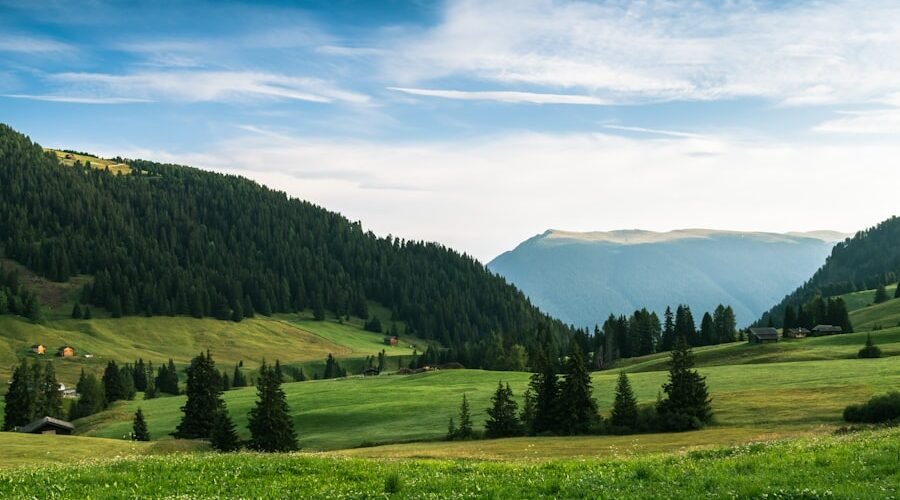
Deciding when to visit Düzce, Turkey, really boils down to what you’re hoping for from your trip. If pleasant weather and manageable crowds are your top priorities, then the shoulder seasons of spring (April to May) and autumn (September to October) hit that sweet spot. These months generally offer comfortable temperatures for exploring without the peak summer heat or the bustling crowds of the school holidays.
- Understanding Düzce’s Climate: What to Expect Seasonally
Düzce, nestled in the Black Sea region, experiences a distinct climate shaped by its geography. It’s characterized by warm, humid summers and cool, wet winters. Understanding these patterns is key to picking the best time for your visit, as it impacts everything from what you pack to the activities you can enjoy. The closer you get, the more precise you can be about your travel dates.
- Summer (June-August): The Warmest, Most Popular Months
Summers in Düzce are undeniably warm, often bordering on hot, with plenty of sunshine. This is when the region comes alive with tourists, both domestic and international. It’s perfect if you enjoy lively atmospheres and aren’t bothered by higher temperatures, but it also means higher prices and more people at popular attractions.
- Average Temperatures: Expect daytime highs to frequently reach into the high 20s and low 30s Celsius (around 80-90°F). Nights offer some relief, but it can still feel quite balmy.
- Precipitation: While sunny, summer can still see occasional thunderstorms, especially in the late afternoon. These are usually short-lived but can be intense.
- Daylight Hours: You’ll have generous amounts of daylight, making it ideal for maximizing your sightseeing time.
- Activities: This is prime time for outdoor adventures, visiting natural parks, enjoying coastal areas if you venture towards the Black Sea coast, and experiencing local festivals.
- Autumn (September-October): A Pleasant Transition
As summer fades, Düzce transforms into a beautiful canvas of changing colors. Autumn is often lauded as one of the best times to visit due to its milder weather and fewer crowds. It’s a fantastic period for those who prefer comfortable exploration and a more relaxed pace.
- Average Temperatures: September still holds onto some of that summer warmth, with highs in the mid-to-high 20s Celsius. By October, temperatures begin to cool, with average highs settling in the mid-to-low 20s Celsius, dropping into the teens by late October. Nights become crisper.
- Precipitation: Rainfall starts to increase as autumn progresses, but it’s generally not persistent. You might experience some rainy days, so packing layers and waterproofs is a good idea.
- Scenery: The deciduous forests surrounding Düzce put on a spectacular show with vibrant reds, oranges, and yellows. This is a photographer’s paradise.
- Activities: Hiking, visiting historical sites, enjoying local cuisine in cozy settings, and wine tasting (if applicable to the region’s produce) are all excellent options.
- Winter (November-March): Cooler, Quieter, and Wetter
Winters in Düzce are cool to cold and generally wet. If you’re looking for a quiet escape, fewer tourists, and don’t mind bundling up, this season can offer a different kind of charm. Snowfall is possible, especially in higher elevations, which can bring a serene beauty.
- Average Temperatures: Daytime highs typically range from 5°C to 12°C (40°F to 55°F). Frost is common, and temperatures can dip below freezing at night.
- Precipitation: This is the wettest season, with frequent rain and occasional snow. If snow is your aim, you might need to check local ski resort conditions if any are nearby.
- Scenery: The landscape takes on a muted, serene quality. It’s a good time for introspection and enjoying indoor pursuits.
- Activities: While outdoor activities are limited by the weather, it’s a good time to explore local markets, museums (if any), and enjoy the warmth of local cafes and restaurants.
- Spring (April-May): Nature’s Reawakening
Spring heralds the return of warmth and lush greenery to Düzce. Like autumn, it’s a prime shoulder season offering a great balance of pleasant weather and manageable visitor numbers. The landscape bursts into a vibrant display of new life.
- Average Temperatures: April can still be a bit cool, with highs in the low 20s Celsius. May reliably brings warmer temperatures, with highs climbing into the mid-to-high 20s Celsius. Nights are cool but rarely cold.
- Precipitation: Spring can be a mixed bag weather-wise, with periods of sunshine interspersed with rainy spells. Be prepared for changeable conditions.
- Scenery: Wildflowers bloom, forests turn a vibrant green, and the overall atmosphere is fresh and invigorating.
- Activities: Ideal for hiking, exploring waterfalls, visiting national parks before the summer heat sets in, and enjoying outdoor cafes.
- Navigating Düzce’s Crowds: When to Go for Peace and Quiet
The number of tourists visiting Düzce can significantly impact your experience. If you prefer to wander without feeling like you’re part of a parade, timing your visit is crucial. Generally, avoiding school holidays and major national festivals will lead to a more serene trip.
- Peak Tourist Season (July-August): This is when Düzce, especially if it’s near popular summer destinations, will see its highest influx of visitors. Expect busy attractions, longer queues, and a more buzzing atmosphere in towns and villages. If you don’t mind the hustle and bustle, this period offers a lively experience.
- Shoulder Seasons (April-May & September-October): The Sweet Spot
These are arguably the best times for crowd-averse travelers. The weather is usually excellent for sightseeing, and while there are still tourists, they are far fewer than in the peak summer months. You can explore sites at a leisurely pace, enjoy restaurant seating without a long wait, and get better photos of landscapes without crowds in the background.
- Off-Peak Season (November-March): For True Solitude
If your definition of a trip involves genuine quiet and a chance to see Düzce as locals do, then the winter months are your best bet. You’ll encounter very few international tourists, and even domestic tourism will be significantly lower. This can be a very peaceful and introspective time to visit, though you’ll need to be prepared for cooler, wetter weather and potentially some closures of seasonal businesses.
- Local Festivals and Holidays: An Important Consideration
Beyond typical tourist seasons, be aware of major Turkish national holidays and local festivals. During these times, domestic travel spikes, and accommodation can fill up quickly, even outside of summer. Research Düzce’s specific festival calendar to ensure you’re either embracing the local celebrations or actively avoiding them if you seek quiet. Some important national holidays to consider are Ramadan Bayram (Eid al-Fitr) and Kurban Bayram (Eid al-Adha), which can lead to widespread travel amongst Turkish families.
- Budgeting Your Düzce Adventure: Cost Considerations by Season
Your travel budget can also be a significant factor in deciding when to visit Düzce. Like most destinations, prices for flights, accommodation, and even some activities fluctuate throughout the year based on demand.
- Peak Season (July-August): The Most Expensive Time
When crowds are at their highest, so are prices. You’ll likely find flight tickets and hotel rates are at their most expensive during these months. Rental cars might also be pricier and in higher demand. If budget is a primary concern, it’s wise to avoid this period.
- Shoulder Seasons (April-May & September-October): Value for Money
These periods offer a fantastic balance between enjoyable weather and more reasonable prices. You can often find good deals on flights and accommodation compared to the summer peak. While not as cheap as the off-season, you’re getting excellent value for your money, as you’re not sacrificing comfort or good weather.
- Off-Peak Season (November-March): The Most Budget-Friendly
If you’re looking to stretch your travel funds, the winter months are your prime opportunity. Accommodation prices can drop significantly, and you might snag some great flight deals. Be aware, however, that some establishments might have reduced operating hours or even close for the season, so it’s worth checking in advance. Also, consider that some activities might be weather-dependent.
- Last-Minute Deals and Booking in Advance:
While seasonality plays a big role, sometimes you can find last-minute deals, especially if you’re flexible with your travel dates and book directly with smaller hotels or guesthouses. Conversely, for peak travel periods, booking your flights and accommodation well in advance is crucial to secure your preferred options and potentially better prices.
- The Best Time for Outdoor Activities and Nature Exploration
Düzce is blessed with a natural beauty that begs to be explored. From lush forests to potential hiking trails, the weather profoundly impacts how enjoyable these outdoor pursuits will be.
- Spring (April-May): Blooming Beauty and Moderate Hikes
This is a spectacular time for nature lovers. The landscape is coming alive with vibrant greenery and wildflowers. Temperatures are generally mild and comfortable for hiking, making it ideal for exploring parks and forests without the intense heat of summer. The air is fresh, and the scenery is at its most picturesque as everything reawakens.
- Autumn (September-October): Golden Hues and Perfect Hiking
Autumn arguably offers the most perfect conditions for outdoor activities. The weather is crisp and cool, with sunny days that are ideal for long hikes. The forests are ablaze with a stunning array of autumnal colors – reds, oranges, and yellows – creating a breathtaking backdrop for any outdoor adventure. It’s also a great time for photography.
- Summer (June-August): Water Activities and Early Morning/Late Evening Exploration
While summers can be hot, they are excellent for water-based activities if you venture towards the coast. For hiking and exploring natural parks, it’s best to plan your excursions for the cooler parts of the day – early mornings or late afternoons. Many natural areas remain stunning, but you’ll need to stay hydrated and prepared for the heat.
- Winter (November-March): Serene Landscapes and Limited Accessibility
Winter offers a different kind of natural beauty – a quiet, often snow-dusted landscape. However, outdoor activities are significantly limited by the cold and increased rainfall. Trails might be muddy or inaccessible due to snow, and the days are shorter. If you’re keen on a winter wonderland experience, carefully check conditions and be prepared for tougher conditions.
- When to Visit Düzce for Cultural Experiences and Local Life
To truly immerse yourself in Düzce’s local culture and everyday life, consider visiting outside of the main tourist rushes. This allows for more genuine interactions and a less curated experience.
- Shoulder Seasons (April-May & September-October): Authentic Encounters
During these transitional periods, you’ll find a better balance between tourist activity and local life. Towns and villages will feel more lived-in, and you’re more likely to encounter locals going about their daily routines. This is a great time to explore local markets, dine in less tourist-centric restaurants, and soak in the true atmosphere of the region.
- Off-Peak Season (November-March): A Glimpse into Local Rhythms
Visiting during the quieter winter months offers a unique perspective on Düzce’s authentic rhythm. You’ll witness how communities function when tourism is low, providing a more intimate understanding of the local culture. Be prepared for fewer open establishments, especially those catering solely to tourists, and focus on experiencing regional cuisine and historical sites that remain open year-round.
- Avoiding Major Holidays for True Immersion:
While national holidays can be fascinating, they also mean significant domestic travel and a focus on family gatherings. If your goal is to observe and participate in everyday local life, it might be better to visit just before or just after these major holiday periods. This allows you to see the normal flow of things without the disruption of widespread travel.
- Local Events and Festivals: Strategic Timing
Researching Düzce’s local calendar for specific events – local fairs, craft markets, or smaller cultural gatherings – can offer wonderful opportunities for authentic experiences. These are often held at various times of the year and can provide a concentrated dose of local culture, food, and traditions, even outside of the peak tourist season.
- Making the Final Decision: What’s Your Priority?
Ultimately, the “best” time to visit Düzce is subjective and depends entirely on your personal preferences and priorities. By weighing the factors of weather, crowd levels, and cost, you can pinpoint the ideal window for your trip.
- If your top priority is perfect weather for outdoor activities and you don’t mind a moderate number of people: Aim for the shoulder seasons of April to May or September to October. These months offer a delightful climate for exploration and stunning scenery without the intense heat and peak crowds of summer.
- If you’re on a tighter budget and prefer quiet exploration: Consider the off-peak winter months (November to March). While the weather will be cooler and wetter, you’ll find the most affordable prices and the fewest tourists, allowing for a more serene and authentic experience. Just be prepared with appropriate gear and check opening times for attractions.
- If you enjoy a lively atmosphere, warm weather, and have flexible plans: Summer (June to August) can be a good option. Just be prepared for higher prices, larger crowds, and the need to manage the heat by planning early morning or late afternoon activities.
- Your Düzce Experience: Think about what truly matters to you. Do you crave sunshine for beach days and lively evenings? Or do you prefer the crisp air of autumn for hiking and the quiet of winter for reflection? Identifying your core travel desires will guide you to the perfect time to discover all that Düzce has to offer.
FAQs
1. What is the best time to visit Düzce, Turkey in terms of weather?
The best time to visit Düzce, Turkey is during the spring (April to June) and the fall (September to November) when the weather is mild and pleasant. Summers can be hot and dry, while winters can be cold and rainy.
2. When is the peak tourist season in Düzce, Turkey?
The peak tourist season in Düzce, Turkey is during the summer months of July and August when the weather is hot and dry. This is also when the crowds are at their highest and prices for accommodations and activities are at their peak.
3. When is the off-peak tourist season in Düzce, Turkey?
The off-peak tourist season in Düzce, Turkey is during the winter months of December to February when the weather is cold and rainy. This is also when the crowds are at their lowest and prices for accommodations and activities are at their lowest.
4. What are the average costs of visiting Düzce, Turkey during the peak tourist season?
During the peak tourist season in Düzce, Turkey, the average costs for accommodations, dining, and activities are higher compared to the off-peak season. It is advisable to book accommodations and activities in advance to secure better prices.
5. What are the average costs of visiting Düzce, Turkey during the off-peak tourist season?
During the off-peak tourist season in Düzce, Turkey, the average costs for accommodations, dining, and activities are lower compared to the peak season. It is also a good time to find deals and discounts on accommodations and activities.

[…] of comparing travel seasons using weather, crowd, and cost factors, the existing guide to the best time to visit Düzce covers the same planning approach for a different […]