

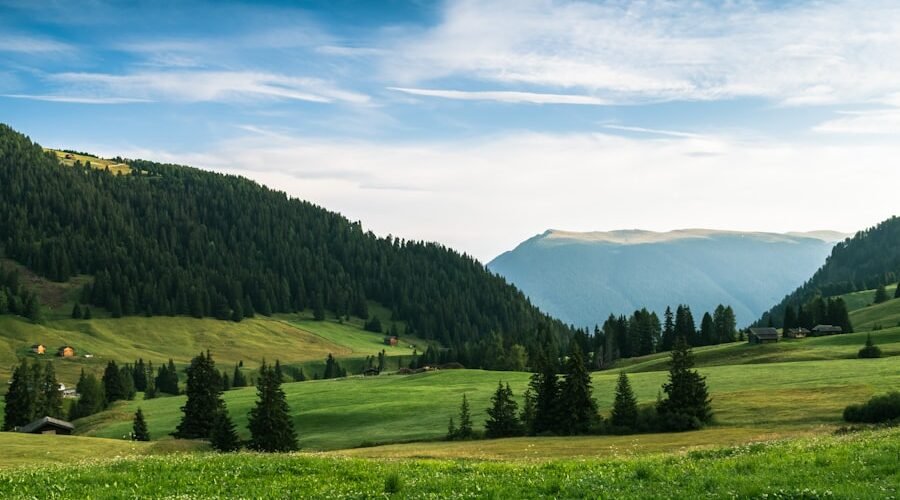
Planning a trip to Düzce, Turkey? The best time to visit depends on whether you want to explore waterfalls, hike through green forests, relax on the Black Sea coast, or enjoy a quieter getaway. For a comfortable mix of weather and outdoor activities, April to May and September to October are useful travel windows. Summer suits beach trips, while winter offers a different, quieter experience.
Quick Answer
The best time to visit Düzce, Turkey, is generally April to May or September to October. These months offer comfortable conditions for sightseeing, hiking, and exploring waterfalls. Choose July or August for a summer beach trip to Akçakoca, or visit during winter if you prefer a quieter getaway and don’t mind colder, wetter weather.
Key Takeaways
- For comfortable sightseeing: Consider April, May, September, or October.
- For Black Sea beaches: July and August offer the warmest average daytime conditions.
- For waterfalls and forests: Spring brings fresh greenery, while autumn offers changing foliage.
- For fewer visitors: Consider dates outside summer holidays and major national holidays.
- For your budget: Compare accommodation prices for your exact dates rather than assuming one season is always cheapest.
Understanding Düzce’s Climate: What to Expect Seasonally
Düzce lies in northwestern Turkey’s Western Black Sea region. Its climate combines warm summers, cool winters, regular rainfall, and seasonal changes in humidity.
Conditions also vary across the province. Düzce city, the coastal district of Akçakoca, and higher mountain plateaus may experience different temperatures, wind, and precipitation on the same day.
According to the Turkish Meteorological General Directorate’s official Düzce climate statistics, summer has the highest average daytime temperatures, while late autumn and winter generally bring more rainy days.
Düzce Weather by Month
The following table uses official historical observations covering 1959–2025. Temperatures represent average daytime highs, not daily maximum records. Rainy-day figures are rounded for easy comparison.
| Month | Average High | Average Rainy Days |
|---|---|---|
| January | 8.5°C / 47°F | 15 |
| February | 10.5°C / 51°F | 13 |
| March | 13.8°C / 57°F | 14 |
| April | 19.0°C / 66°F | 12 |
| May | 23.4°C / 74°F | 12 |
| June | 27.2°C / 81°F | 10 |
| July | 29.2°C / 85°F | 6 |
| August | 29.3°C / 85°F | 6 |
| September | 26.1°C / 79°F | 8 |
| October | 20.9°C / 70°F | 11 |
| November | 15.8°C / 60°F | 12 |
| December | 10.5°C / 51°F | 15 |
Important: These are historical averages for Düzce, not a forecast for your travel dates. Check the latest weather information before planning outdoor activities.
Summer (June–August): Warm Weather and Outdoor Adventures
Summer is the warmest part of the year in Düzce. July and August have average daytime highs close to 29°C (85°F), although individual days can be considerably hotter.
This season suits travelers who enjoy sunshine, outdoor activities, and trips to the Black Sea coast.
- Temperatures: June averages approximately 27°C, while July and August average around 29°C during the day.
- Rainfall: Summer is relatively drier than winter, but rain and thunderstorms remain possible.
- Daylight: Longer days provide more time for sightseeing and outdoor excursions.
- Activities: Coastal visits, picnics, forest walks, and trips to mountain plateaus.
Akçakoca, Düzce’s coastal district, is particularly relevant to summer travelers. Its beaches, fishing harbor, coastal scenery, and historical attractions offer a different experience from the inland city.
Summer holidays can increase demand for accommodation in popular coastal areas. Compare prices and reserve your preferred property in advance when traveling during busy periods.
Autumn (September–October): Comfortable Exploration and Changing Colors
Autumn offers a useful balance between warmth and cooler outdoor conditions.
September retains much of the summer warmth, with an average daytime high of approximately 26°C (79°F). October is noticeably cooler, averaging around 21°C (70°F).
As the season progresses, the surrounding forests begin changing color, making autumn attractive for hiking and landscape photography.
- Temperatures: September remains warm, while October is better suited to travelers who prefer cooler conditions.
- Rainfall: Rainy days become more frequent as autumn progresses.
- Scenery: Forests develop seasonal shades of yellow, orange, and brown.
- Activities: Hiking, waterfall visits, photography, historical sightseeing, and exploring local restaurants.
Güzeldere Waterfall and the surrounding woodland are worthwhile places to consider during autumn. The viewing areas and forest environment provide opportunities for photography and nature walks.
Bring a waterproof outer layer, particularly for October visits.
Winter (November–March): Cooler Weather and Quieter Travel
The period from November through March includes late autumn, core winter, and early spring. Conditions vary considerably across these months.
December, January, and February are generally the coldest part of the year. January has an average daytime high of approximately 8.5°C (47°F), while nighttime temperatures can approach or fall below freezing.
Rain is common, and snow is possible, particularly in higher areas.
- Temperatures: Expect cool or cold conditions, with lower temperatures at higher elevations.
- Precipitation: Rain is more frequent than during the summer months.
- Scenery: Forests, waterfalls, and mountain landscapes take on a different winter appearance.
- Activities: Local food, historical sightseeing, cafés, markets, and carefully planned nature excursions.
Winter can be appealing if you prefer a quieter atmosphere and do not need warm weather.
However, rural roads, trails, and outdoor facilities may be affected by snow, ice, heavy rainfall, or seasonal operating schedules.
If you hope to see snow, check the forecast for the specific mountain or plateau you intend to visit. Snow in higher areas does not guarantee snowfall in Düzce city.
Spring (April–May): Fresh Greenery and Waterfalls
Spring brings warmer temperatures and renewed greenery to the region.
April averages approximately 19°C (66°F) during the day. May becomes warmer, with an average high of about 23.4°C (74°F).
These temperatures often make walking and sightseeing comfortable, although rain remains an important consideration.
- Temperatures: April is generally mild, while May is noticeably warmer.
- Rainfall: Expect a combination of sunny periods and rainy days.
- Scenery: Forests become green, wildflowers appear, and streams and waterfalls form part of the spring landscape.
- Activities: Waterfall visits, forest walks, photography, and exploring nature parks.
Consider visiting Güzeldere Waterfall, Samandere Waterfall, or Aydınpınar Waterfalls. These are documented attractions in Düzce’s official tourism information.
Pro Tip: For a spring waterfall trip, check the forecast and local access conditions before leaving. Rain can make the scenery impressive, but it can also leave paths and viewing areas slippery.
Navigating Düzce’s Crowds: When to Go for Peace and Quiet
Visitor numbers can affect the atmosphere of your trip, particularly in coastal areas and popular natural attractions.
However, crowd levels vary by location, weekend, school holiday, and special event. There is no single visitor pattern that applies equally to every part of Düzce.
Summer Holiday Period: June–August
Summer is an important period for domestic leisure travel, especially in destinations with beaches and outdoor recreation.
Akçakoca may be busier during summer weekends and school holidays. Popular waterfalls and picnic areas can also attract day visitors.
If you enjoy a lively atmosphere, summer can be a suitable choice. If you prefer quieter surroundings, consider weekday visits and early morning excursions.
Shoulder Seasons: April–May and September–October
Spring and autumn are useful alternatives to the main summer holiday period.
These months offer opportunities for sightseeing and outdoor activities without relying on the hottest part of the year.
Visitor numbers are not guaranteed to be low, particularly on weekends and public holidays, but traveling outside major holiday periods may provide a more relaxed experience.
Off-Peak Travel: November–March
Winter and the surrounding cooler months can suit visitors looking for a slower-paced trip.
Some attractions may be quieter, although opening hours and access conditions can vary.
Before booking, confirm that your chosen accommodation, restaurant, and outdoor attractions will be operating during your travel dates.
Turkish National Holidays and Local Festivals
Major Turkish holidays can affect transport demand, accommodation availability, and visitor numbers.
Two important religious holidays are Ramadan Bayramı (Eid al-Fitr) and Kurban Bayramı (Eid al-Adha). Their Gregorian calendar dates change each year.
Other public holidays, such as Republic Day on October 29, can also influence travel plans.
Check the official Turkish public holiday calendar when arranging your trip. The calendar should be checked for the specific year you intend to travel.
For local events and destination information, consult the Düzce Provincial Directorate of Culture and Tourism.
Budgeting Your Düzce Adventure: Cost Considerations by Season
Your travel budget is another important factor when deciding when to visit Düzce.
Accommodation, transport, and activity costs can change with demand, booking time, location, and property type.
Rather than assuming that one month will always be cheapest, compare actual prices for your preferred dates.
Summer: Plan Ahead for Popular Dates
Summer holidays and weekends may increase demand for accommodation in coastal destinations such as Akçakoca.
If you have fixed dates, booking early can give you more accommodation choices.
Compare hotels, guesthouses, and other suitable properties. Also check cancellation rules, parking availability, and the distance from your planned attractions.
Spring and Autumn: Compare Shoulder-Season Options
April, May, September, and October can offer a useful combination of comfortable weather and accommodation choices.
Rates may be more attractive on some dates than during busy summer periods, but this is not guaranteed.
Compare weekday and weekend prices, and check whether public holidays overlap with your trip.
Winter: Consider the Full Cost of the Trip
Winter may offer opportunities to find accommodation deals, particularly when demand is lower.
However, the cheapest room does not always mean the cheapest overall trip.
Consider transport, heating, available activities, and whether weather conditions could affect your plans.
If you intend to visit remote natural attractions, include the cost of suitable transport in your budget.
Last-Minute Deals Versus Booking in Advance
Flexible travelers can compare last-minute availability, while travelers with fixed dates may benefit from reserving accommodation earlier.
Check the complete price rather than only the advertised nightly rate.
- Compare the total accommodation cost for your stay.
- Check cancellation and payment conditions.
- Consider parking and local transport expenses.
- Compare weekday and weekend availability.
- Confirm whether breakfast or other services are included.
Note: Seasonal accommodation and transport prices change. No fixed daily budget or guaranteed cheapest month can be established without checking current offers for your actual travel dates.
The Best Time for Outdoor Activities and Nature Exploration
Düzce offers more than pleasant weather. Its waterfalls, forests, lakes, mountain plateaus, historical attractions, and Black Sea coastline make it suitable for several types of trips.
The ideal season depends on what you want to do.
Spring: Waterfalls and Moderate Hikes
April and May are useful months for visitors interested in forests, waterfalls, and nature photography.
The region’s documented attractions include:
- Güzeldere Waterfall Nature Park: Known for its forest setting, walking areas, and waterfall views.
- Samandere Waterfall Natural Monument: Features waterfalls, rocky formations, and a distinctive stream environment.
- Aydınpınar Waterfalls Nature Park: Contains a series of waterfalls and surrounding woodland.
- Efteni Lake: Offers opportunities to appreciate the area’s lake and wetland landscape.
These destinations provide more specific options than simply searching for general hiking trails around Düzce.
Choose routes that match your fitness level, and check trail conditions after heavy rain.
Autumn: Forest Walks and Landscape Photography
September and October can be attractive months for longer outdoor excursions.
The cooler weather makes walking more comfortable for travelers who dislike summer heat.
Forest areas around Güzeldere and the surrounding countryside are worth considering for seasonal photography.
October is particularly relevant if your main interest is autumn foliage, although the timing of color changes varies with local conditions.
Summer: Beaches, Plateaus, and Water Activities
Summer provides opportunities for both coastal recreation and inland nature trips.
Akçakoca is the main coastal destination to consider. Its Black Sea beaches, fishing harbor, and historical surroundings offer several ways to spend a summer day.
Visitors who prefer mountain scenery can consider Düzce’s plateaus, including Topuk Plateau and its lake.
The province also offers rafting on the Melen River near Dokuzdeğirmen. The official tourism authority identifies the area as a rafting destination.
Rafting availability and suitability depend on river conditions, operator schedules, and the experience required for the activity.
For hiking, choose cooler parts of the day, carry drinking water, and avoid strenuous activity during unusually hot weather.
Winter: Scenic Landscapes and Limited Accessibility
Winter can bring snow to elevated areas and create a different atmosphere in the surrounding forests.
However, outdoor access may become more difficult because of rain, snow, ice, or muddy paths.
Choose shorter, accessible excursions when conditions are uncertain. Do not assume that mountain roads or remote trails will remain suitable for ordinary vehicles.
Warning: Heavy rain can create dangerous conditions near streams, waterfalls, and mountain roads. Avoid entering fast-moving water or crossing flooded roads. Check official weather forecasts and warnings before hiking, rafting, or visiting remote natural attractions.
For current conditions, use the official Düzce weather forecast.
When to Visit Düzce for Cultural Experiences and Local Life
Nature is a major attraction, but Düzce also offers opportunities to explore historical sites, local food, markets, and everyday life.
You do not need to visit during a festival to enjoy the region’s culture.
Spring and Autumn: Comfortable Cultural Sightseeing
April, May, September, and October are useful months for combining outdoor sightseeing with time in towns and villages.
One historical destination is Prusias ad Hypium, the ancient city associated with present-day Konuralp.
Its surviving archaeological remains provide an alternative to the region’s natural attractions.
You can combine historical sightseeing with local restaurants, markets, and short excursions into the surrounding countryside.
Winter: Exploring Local Rhythms
Winter offers opportunities to experience Düzce beyond its summer leisure activities.
Spend time in local cafés, explore regional food, and visit historical places that are open during your stay.
Indoor activities are particularly useful on rainy days.
Check opening hours before traveling to museums, archaeological attractions, or smaller establishments.
Avoiding Major Holidays for Everyday Experiences
National holidays can be interesting cultural occasions, but they may also change normal opening hours and travel patterns.
If your goal is to experience ordinary daily life, consider dates immediately before or after major holiday periods.
If you prefer celebrations and special events, research the relevant dates and plan your accommodation accordingly.
Local Events and Festivals
Local fairs, markets, cultural activities, and seasonal gatherings can provide opportunities to learn about regional traditions.
Event dates and schedules can change, so avoid planning an entire trip around an unconfirmed event.
The official provincial tourism website is a useful starting point for information about Düzce’s attractions and cultural offerings.
Making the Final Decision: What’s Your Priority?
There is no single travel month that will suit everyone. The right choice depends on the activities you want, your weather preferences, and how much flexibility you have.
If You Want Comfortable Weather for Outdoor Activities
Consider April to May or September to October.
Spring offers green forests and waterfall excursions, while autumn provides cooler conditions and seasonal foliage.
May and September are particularly useful starting points for travelers who prefer warmer daytime weather without choosing the hottest part of summer.
If You Prefer Quiet Exploration and a Flexible Budget
Consider November through March, while recognizing that these months bring colder and wetter conditions.
Check accommodation availability, operating hours, and weather forecasts before making plans.
Winter works better when your itinerary includes indoor alternatives rather than depending entirely on hiking or remote attractions.
If You Enjoy Warm Weather and a Lively Atmosphere
June through August is worth considering, particularly if you want to visit Akçakoca and spend time near the Black Sea.
Plan outdoor activities around the heat, carry water, and reserve accommodation early for popular holiday dates.
Match Your Accommodation to Your Activities
Where you stay can be as important as the month you choose.
- Düzce city: Consider it for urban amenities, local restaurants, and trips to surrounding attractions.
- Akçakoca: Consider it when your main interest is the coast, beaches, and seaside atmosphere.
- Rural and nature-focused accommodation: Consider it for a quieter setting near forests or outdoor recreation areas.
Check driving distances and transport arrangements before reserving accommodation. Some natural attractions are outside the city center.
What to Pack for Each Season
- Spring: Comfortable walking shoes, light layers, and a waterproof jacket.
- Summer: Lightweight clothing, sun protection, drinking water, and suitable footwear for outdoor activities.
- Autumn: Layers, a rain jacket, and shoes suitable for potentially wet paths.
- Winter: Warm clothing, waterproof footwear, and additional protection for cold or elevated areas.
Whatever season you choose, check the forecast shortly before departure. Historical monthly averages are useful for selecting travel dates, but they cannot predict the weather during your individual trip.
Frequently Asked Questions
1. What is the best time to visit Düzce, Turkey, in terms of weather?
April to May and September to October generally offer comfortable conditions for sightseeing and outdoor activities. May averages approximately 23.4°C (74°F) during the day, while September averages 26.1°C (79°F). Rain remains possible throughout the year.
2. When is the peak tourist season in Düzce, Turkey?
Summer holidays, particularly July and August, are important periods for coastal leisure travel. Akçakoca and popular outdoor attractions may be busier during weekends and holidays. Visitor numbers vary by destination and date, so book ahead when traveling during popular periods.
3. When is the off-peak tourist season in Düzce, Turkey?
November through March is a useful period to consider for quieter travel. December, January, and February are colder and generally wetter, so visitors should prepare for changing weather and confirm the availability of seasonal attractions.
4. What are the average costs of visiting Düzce during peak season?
There is no reliable fixed average that applies to every traveler. Accommodation and transport costs depend on your travel dates, property type, booking time, and location. Compare current total prices and reserve early if you need accommodation during summer holidays.
5. What are the average costs of visiting Düzce during the off-peak season?
Off-peak accommodation deals may be available, but rates vary. Compare the complete cost of your stay, including transport and any seasonal requirements. A lower nightly rate does not necessarily mean a cheaper overall trip.
6. What is the best time to visit Düzce’s waterfalls?
Spring and autumn are useful periods for visiting Güzeldere, Samandere, and Aydınpınar Waterfalls. Spring offers fresh greenery, while autumn provides changing forest colors. Always check the forecast and local access conditions, especially after heavy rain.
7. Which months are suitable for a beach holiday in Akçakoca?
July and August offer the warmest average daytime conditions in the region. These months are useful for planning a summer coastal trip, although actual swimming conditions depend on sea temperature, weather, waves, and local safety guidance.
8. Does it rain a lot in Düzce?
Rain occurs throughout the year. According to official historical statistics, July and August average approximately six rainy days each, while December and January average about 15. Pack according to the season and check the latest forecast before outdoor excursions.
Sources
- Turkish Meteorological General Directorate — Düzce Climate Statistics — Official historical monthly temperatures, rainfall, and rainy-day observations covering 1959–2025.
- Düzce Provincial Directorate of Culture and Tourism — Official information about waterfalls, Akçakoca, Efteni Lake, rafting, mountain plateaus, and historical attractions.
- Presidency of Religious Affairs — Official Turkish Public Holiday Calendar — Verified religious and national holiday dates for 2026.
- Turkish Meteorological General Directorate — Düzce Weather Forecast — Current weather forecasts and information for travel planning.



[…] of comparing travel seasons using weather, crowd, and cost factors, the existing guide to the best time to visit Düzce covers the same planning approach for a different […]