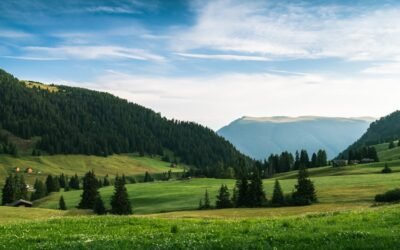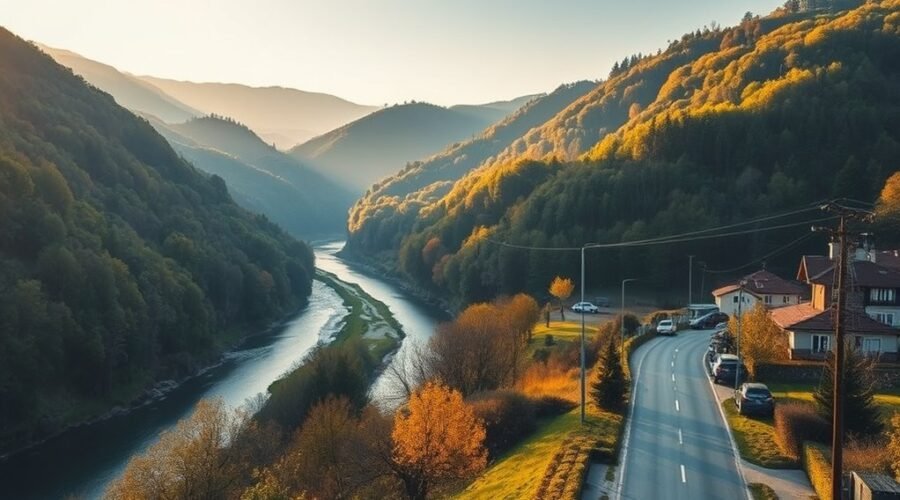
Yığılca is a forest-rich district of Düzce where your experience changes noticeably with the season. Late spring and early autumn are usually the easiest periods for hiking and sightseeing, while midsummer favors lake activities and winter requires more flexible road and trail planning. The best dates depend on whether you care most about comfortable weather, forest scenery, water activities, quiet trails, or price.
Quick Answer
For most travelers, late May through June and September through early October offer the best balance in Yığılca: comfortable hiking weather, green or colorful forests, and less summer heat. July and August suit lake activities, while winter is better for flexible travelers prepared for cold, shorter days, and changing road or trail conditions.
Key Takeaways
- Late May–June: A strong choice for green forests, waterfalls, hiking, and long daylight without the hottest summer temperatures.
- September–early October: Excellent for hiking and photography as summer heat eases and autumn conditions begin.
- July–August: The warmest period and a good time to consider documented water activities at Hasanlar Dam Lake.
- Late autumn–winter: Cooler, wetter, and less predictable for outdoor access; check weather, roads, and local trail conditions before setting out.
- Costs: Yığılca does not have a reliable official month-by-month lodging-price index, so compare your exact dates instead of assuming a particular month is always cheapest.
Best Time to Visit Yığılca: Quick Answer and Why
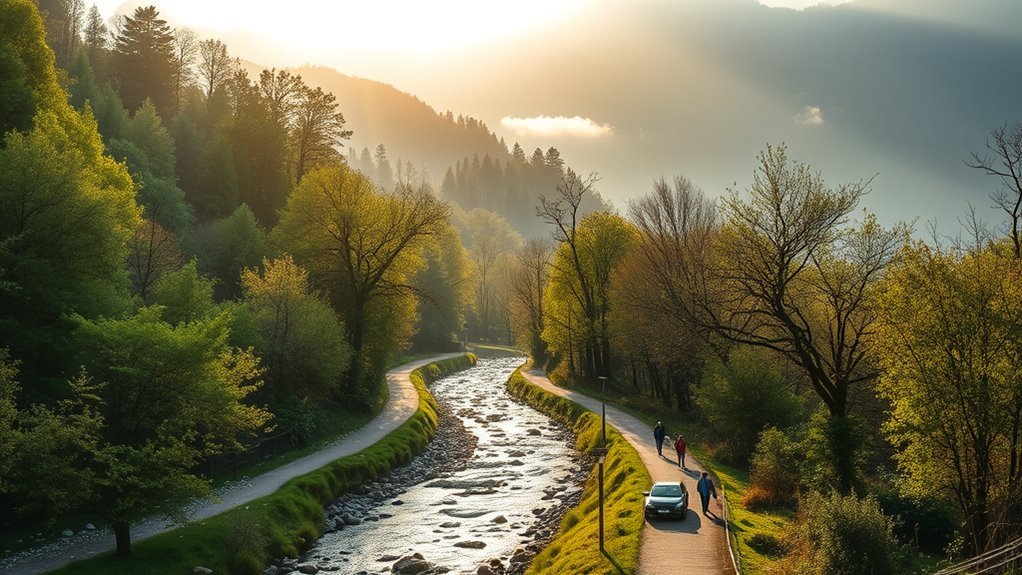
If you want to spend most of your trip outdoors, late May through June and September through early October are the most balanced periods. They avoid the coldest part of the year and much of the July–August heat while still giving you useful daylight for hiking, photography, lake visits, caves, and waterfalls.
Yığılca is especially suited to nature-focused trips. The Düzce İl Kültür ve Turizm Müdürlüğü describes the district as roughly 65% forested and lists Hasanlar Dam Lake, waterfalls, caves, Geyiklibel Canyon Nature Park, and nearby Yedigöller National Park among its main attractions.
There is no single perfect month, however. A warm-weather traveler may prefer July or August, while a photographer may prefer autumn and someone who values green landscapes and flowing water may favor late spring.
Pro Tip: If your schedule is flexible, compare a weekday stay in late May, June, September, or early October. You may get comfortable outdoor conditions without depending on peak-summer heat, but always compare actual room inventory and rates for your dates.
Yığılca Weather by Month: A Practical Regional Baseline
Yığılca does not have the same publicly presented long-term climate table on the national meteorological website as Düzce city, so the most defensible planning baseline is the Turkish State Meteorological Service’s 1991–2020 Düzce climate normals. Yığılca’s elevation, forests, valleys, and local terrain can make conditions cooler, wetter, or more changeable than the city-level numbers suggest.
| Month | Average High | Average Low | Average Rainy Days |
| January | 8.7°C | 0.8°C | 15.0 |
| February | 11.2°C | 1.5°C | 14.47 |
| March | 14.3°C | 3.7°C | 14.33 |
| April | 19.3°C | 7.1°C | 12.60 |
| May | 23.9°C | 11.5°C | 12.70 |
| June | 27.5°C | 15.2°C | 10.57 |
| July | 29.7°C | 17.4°C | 6.70 |
| August | 30.0°C | 17.8°C | 6.17 |
| September | 26.5°C | 13.9°C | 8.90 |
| October | 21.5°C | 10.3°C | 12.0 |
| November | 15.9°C | 5.3°C | 11.60 |
| December | 10.3°C | 2.3°C | 16.07 |
Note: These figures are Düzce regional climate normals, not a forecast for Yığılca. Check the current forecast immediately before hiking, visiting a canyon, or driving on rural roads.
Spring (Apr–Jun): Trails, Blooms, and Best Months
Spring changes quickly. April is mild but still relatively wet, while May and June bring warmer afternoons and more useful daylight for outdoor exploration. Forest vegetation becomes greener, streams and waterfalls can be visually rewarding, and temperatures are generally easier for longer walks than in midsummer.
May and June are particularly good all-round choices. Düzce’s regional climate normals show average daytime highs rising from 23.9°C in May to 27.5°C in June, although Yığılca’s forested and elevated areas may feel cooler.
This is a useful season for combining forest walks with places such as Geyiklibel Canyon Nature Park, where the official tourism authority lists nature walking, photography, picnicking, fishing, canyon climbing, and cycling among possible activities.
Spring rain can leave paths muddy or slippery. Wear footwear with good grip, carry a light waterproof layer, and avoid assuming that every side trail or canyon route will be suitable after heavy rain.
Summer (Jul–Aug): Lake Activities and Warm-Weather Tips
July and August are the warmest months in the regional climate record. Average highs for Düzce reach about 29.7°C in July and 30.0°C in August, while the average number of rainy days drops compared with spring and winter.
That makes summer useful for activities around Hasanlar Dam Lake. The official tourism page identifies canoeing, sailing, rowing, water bicycles, and recreational fishing among suitable activities at the lake.
- Hike early: Start longer walks in the morning when possible instead of relying on the hottest part of the afternoon.
- Protect yourself from sun: Carry water, sunscreen, and a hat even when much of your route is forested.
- Confirm water activities: The lake is suitable for several sports, but equipment rental, guides, and organized sessions can vary, so confirm availability before building your day around them.
Summer can also work well for Sarıkaya Cave, waterfalls, forest drives, and photography, but individual sites may have temporary access restrictions or weather-related limitations.
Autumn (Sep–Nov): Foliage, Mild Weather, and Photo Spots
September is one of Yığılca’s strongest travel months. Regional average highs remain around 26.5°C, but conditions are cooler than July and August. October becomes noticeably cooler and wetter, while November begins to feel much closer to winter.
Autumn is particularly appealing for forest photography. Yığılca’s wooded landscapes and the forests around Geyiklibel Canyon give you a mix of deciduous and evergreen vegetation, although the exact timing and intensity of autumn color varies each year with temperature, rainfall, elevation, and wind.
Colorful Forest Trails
Instead of chasing an exact foliage date, use weather forecasts and recent local photos to judge conditions. Late September through October is the broad period to consider, but color can arrive earlier or later in individual valleys.
- Choose established forest and nature routes rather than unmarked shortcuts.
- Expect fallen leaves to hide wet rocks, roots, and uneven ground.
- Carry a light waterproof jacket because rainfall becomes more frequent again toward October and November.
Crisp Mountain Air
Cooler autumn mornings can make longer walks more comfortable, particularly after summer heat has eased. Conditions can change quickly between sunny open areas, wooded valleys, and higher terrain, so layers work better than a single heavy garment.
If your plan includes a canyon, waterfall, or remote forest route, avoid treating a pleasant forecast in Düzce city as proof that the entire Yığılca area will stay dry.
Scenic Photo Vistas
For photography, forests, waterfalls, Hasanlar Dam Lake, and Geyiklibel Canyon provide more defensible targets than vague “secret viewpoints.” Early and late light can be attractive, but choose legal, established access points and allow enough daylight to return safely.
- Forests: Look for changing leaves mixed with evergreen areas.
- Hasanlar Dam Lake: Use shoreline and elevated perspectives where public access is permitted.
- Geyiklibel Canyon: Combine woodland, water, and canyon scenery while respecting current site conditions.
Winter (Dec–Mar): Road Access, Trail Status, and Cold-Weather Tips
Winter is Yığılca’s least predictable season for outdoor itineraries. Düzce’s regional normals show average January highs around 8.7°C and lows around 0.8°C, with December through March also having relatively frequent rainy days. At higher or sheltered locations around Yığılca, snow, frost, and ice may occur even when lower areas are easier to reach.
Do not rely on a fixed snow-clearing timetable or assume that a forest path will be walkable. Road work, snowfall, ice, fallen branches, water levels, and local closures can all change access.
Warning: Before a winter drive or remote hike, check the Turkish State Meteorological Service forecast and the General Directorate of Highways road notices. Do not enter a canyon, cave approach, or isolated forest road solely because it was accessible on a previous visit.
Pack warm layers, waterproof footwear, a charged phone, offline navigation, food and water, and equipment appropriate to the forecast. If snow or ice is expected, your vehicle should also be equipped for the legal and practical winter-driving conditions you may encounter.
Crowds & Costs for Yığılca: Lower-Demand Periods and Quiet Trails
Yığılca is not a destination with a dependable public month-by-month lodging-rate index, so claims that one season is always the “cheapest” would be misleading. Prices depend on the small amount of available inventory, day of week, holidays, local demand, and how far ahead you book.
As a practical strategy, compare midweek dates in spring and autumn with summer weekends and holiday periods. Cooler months may also have fewer leisure visitors, but that can come with reduced activity availability or more weather risk.
Off-Peak Savings
You can improve your chances of finding better value without relying on an unverified “cheap season”:
- Compare the same room across several nearby dates. A one- or two-day shift can matter more than the month itself.
- Check weekday stays. Nature destinations often attract more leisure traffic on weekends.
- Use flexible or refundable reservations when weather could affect your itinerary.
- Budget for transport. Remote attractions may require a private vehicle or locally arranged transport even if accommodation itself is inexpensive.
Quiet Hiking Seasons
If quieter walking matters more than maximum warmth, consider late spring weekdays or September–October weekdays. You can often avoid the hottest period while still retaining reasonable daylight.
Late autumn and winter can feel quieter, but the tradeoff is shorter days, wetter ground, colder temperatures, and less predictable access. Do not choose an isolated season purely for solitude if your planned route depends on good trail or road conditions.
Best Months by Activity
| Priority | Good Time to Consider | Why |
| General sightseeing | Late May–June, September–early October | Balanced temperatures for mixed outdoor plans |
| Hiking | May–June, September–October | Avoids much of the midsummer heat and deepest winter uncertainty |
| Hasanlar Lake activities | June–September | Warmer conditions; confirm current operator/equipment availability |
| Forest photography | May–June or late September–October | Fresh spring greenery or changing autumn foliage |
| Cooler, quieter trip | April, October–November | Lower temperatures, with a greater chance of rain and muddy conditions |
| Winter scenery | December–March when conditions cooperate | Cold-season atmosphere, but road and trail plans must remain flexible |
What to See in Yığılca
Your choice of season becomes easier when you plan around real attractions rather than generic “river” or “mountain” experiences.
- Hasanlar Dam Lake: The official tourism authority lists canoeing, sailing, rowing, water bicycles, fishing, and nature activities.
- Sarıkaya Cave: Located near Sarıkaya village, this protected cave has a documented total length of 717 meters. Check current visitor access before traveling specifically for the cave.
- Geyiklibel Canyon Nature Park: A forested canyon area with streams, small waterfalls and pools, and documented opportunities for walking, photography, picnicking, fishing, cycling, and canyon activities.
- Waterfalls and caves: The official Yığılca tourism overview also identifies Saklıkent, Yoğunpelit and Mengen waterfalls and Gökçeağaç Cave among the district’s natural attractions.
- Yedigöller National Park: The official Yığılca tourism page places the district about 35 km from Yedigöller, making Yığılca useful in a wider Western Black Sea nature itinerary.
Getting to Yığılca and Road Planning
According to the Düzce İl Kültür ve Turizm Müdürlüğü transport information, Yığılca is about 36 km from Düzce city. Düzce itself is connected to the D-100 highway and the TEM/Anatolian motorway corridor.
The final approach to nature attractions can be more important than the distance to Yığılca town. Waterfalls, caves, canyon areas, villages, and forest routes may involve smaller roads where construction, rain, ice, or local conditions matter.
Check your route on the day of travel rather than relying only on an old itinerary. Download offline mapping before leaving town if you expect to spend time away from major roads.
What to Pack by Season
- Spring: Waterproof shell, walking shoes with grip, spare socks, light layers, and a small daypack.
- Summer: Water, sun protection, breathable clothing, insect protection if needed, and a light rain layer.
- Autumn: Layered clothing, waterproof footwear, a rain jacket, and a light source if your photography plans run close to sunset.
- Winter: Warm and waterproof layers, suitable footwear, offline navigation, a charged power bank, and vehicle equipment appropriate to forecast road conditions.
Local Highlight: Yığılca Honey
Yığılca has a genuine local food story worth including in your visit. The official Düzce tourism authority describes the Yığılca bee as a locally adapted ecotype that has been distinguished in genetic and morphological research.
If you buy honey, choose a clearly identified producer or retailer and check the product label rather than relying on generic roadside claims. Honey availability and character can vary with the flowering season and harvest.
How to Pick Dates: Checklist by Activity, Budget, and Crowd Tolerance
Your priorities should decide the calendar rather than a single “best month.” Use this simple checklist:
- Choose your main activity. Hiking and photography generally favor late spring or early autumn; lake activities favor warmer months.
- Check climate tradeoffs. July and August are warmer and regionally drier, while late autumn and winter bring more cold-weather uncertainty.
- Check actual lodging prices. Do not assume an off-season month is automatically cheaper.
- Review road and trail conditions. This is especially important for winter trips, caves, waterfalls, and canyon routes.
- Leave room for weather changes. A flexible second-choice activity makes a Yığılca trip much easier when rain affects your original plan.
For the widest mix of comfortable weather and outdoor options, start your search with late May–June or September–early October, then adjust the dates around the activity you care about most.
Frequently Asked Questions
Are there guided tours or local guides available in Yığılca?
Guided services may be available through local tourism or outdoor operators, but the official destination pages do not guarantee daily guide availability. If you need a guide for a cave, canyon, cycling route, or remote hike, arrange it before arrival rather than assuming someone will be available on the day.
What wildlife or bird species can visitors expect to see?
Yığılca’s forests, streams, lake areas, and rural landscape provide wildlife habitat, but sightings are never guaranteed. The official Yığılca tourism information reviewed for this guide does not provide a dependable visitor checklist of specific bird or mammal species, so treat wildlife encounters as a possibility rather than a promised attraction.
Are there medical facilities or pharmacies near Yığılca?
Yes. The Turkish Ministry of Health operates Yığılca İlçe Devlet Hastanesi, which includes emergency services. Pharmacy opening hours and on-duty pharmacies can change, so check locally if you need medication outside normal business hours.
Is mobile phone and internet coverage reliable in the area?
Coverage depends on your carrier and exact location, and forested valleys or remote roads can behave differently from Yığılca town. Download maps, reservation details, and important phone numbers before heading to remote attractions rather than depending on continuous mobile data.
Can you camp or rent cabins inside Yığılca’s forests?
Do not assume that every forest area is open to camping or that cabins are available inside protected or wooded sites. Use designated or authorized accommodation and camping areas and confirm the current rules with the relevant site authority or local tourism contact before setting up camp.
How far is Yığılca from Düzce?
The Düzce İl Kültür ve Turizm Müdürlüğü lists the road distance from Düzce to Yığılca as about 36 km. Allow additional time if you are continuing to waterfalls, caves, canyon areas, or other rural attractions.
Is Sarıkaya Cave open all year?
The official tourism authority documents Sarıkaya Cave as an important protected attraction in Yığılca but does not provide a permanent year-round access guarantee on its destination page. Check current access conditions before making a special trip to the cave.
Conclusion
For most visitors, late May through June and September through early October are the best times to visit Yığılca. These periods give you a useful balance of comfortable temperatures and outdoor possibilities without relying on the hottest summer weather or unpredictable winter access.
Choose July or August if Hasanlar Dam Lake and warm-weather activities are your priority. Choose autumn for cooler walks and forest photography. Winter can still be rewarding, but only with flexible plans and current weather, road, and trail checks. Whatever month you choose, build the trip around Yığılca’s real strengths: its forests, lake, waterfalls, caves, canyon scenery, and distinctive local honey.
Sources
- Düzce İl Kültür ve Turizm Müdürlüğü — Yığılca — district overview, forests, major attractions, and Yedigöller proximity.
- Meteoroloji Genel Müdürlüğü — Düzce Climate Normals — 1991–2020 temperature, rainfall, rainy-day, and sunshine statistics used as the regional weather baseline.
- Düzce İl Kültür ve Turizm Müdürlüğü — Hasanlar Dam Lake — documented lake activities and destination information.
- Düzce İl Kültür ve Turizm Müdürlüğü — Sarıkaya Cave — location, protected status, geology, and documented cave dimensions.
- Düzce İl Kültür ve Turizm Müdürlüğü — Geyiklibel Canyon Nature Park — landscape and documented outdoor activities.
- Düzce İl Kültür ve Turizm Müdürlüğü — Transportation — Düzce road connections and the listed Düzce–Yığılca distance.