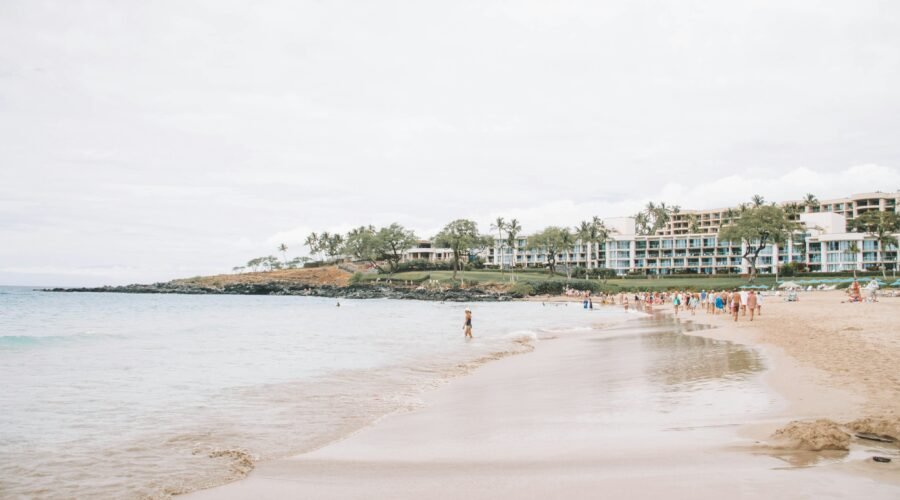
So, you’re dreaming of Hawaii, specifically Kailua-Kona? Good choice! It’s a place that truly has a bit of everything. But when’s the right time to go? That’s the million-dollar question, and thankfully, it’s not as complicated as you might think. The best time to visit Kailua-Kona really boils down to what you want from your trip: whether you’re chasing sunshine, trying to dodge the biggest crowds, or keeping an eye on your wallet. We’ll break it down by looking at the weather, the ebb and flow of visitors, and how that all shakes out with prices.
Here’s the nitty-gritty on when to pack your bags for Kailua-Kona.
Kailua-Kona sits on the western side of the Big Island, which means it’s generally drier and sunnier than the wetter eastern side. Think of it as getting the best of Hawaii’s reliably pleasant climate. This part of the island experiences what’s often called a “tropical dry” climate.
1.1. Sunshine, Sunshine Everywhere (Almost)
Kailua-Kona enjoys a remarkable amount of sunshine year-round. Unlike some other destinations that have distinct rainy seasons, Kona’s rainfall is relatively minimal and often comes in short, passing showers, usually in the late afternoon or evening and more frequently during the winter months.
- Daytime Temperatures: Expect comfortable, warm temperatures during the day, typically ranging from the mid-70s to mid-80s Fahrenheit (around 24-29 degrees Celsius). It’s almost always warm enough for swimming and enjoying the outdoors.
- Evening Temperatures: Evenings cool down slightly, making for pleasant nights without being chilly. You might want a light sweater or jacket, but usually, it’s just right for enjoying a meal outdoors or a walk along the coast.
1.2. The Nuances of “Winter” vs. “Summer”
Hawaii doesn’t have four distinct seasons like many places. Instead, it’s often described as having a “wet” season and a “dry” season, or a “summer” and a “winter” that are more about rainfall patterns than temperature swings.
- Winter (December – April): This is considered the “wetter” season, but remember, “wetter” in Kona is still pretty dry. You’ll see a slight increase in rainfall, but it rarely disrupts travel for long. The ocean can also be a bit choppier, especially on the north and west coasts, which is prime time for watching big-wave surfers on the North Shore of Oahu (though Kona itself is a bit more sheltered). This is also when you might see humpback whales migrating through the Hawaiian waters.
- Summer (May – November): This is generally the driest period. You can expect long stretches of sunshine and calm seas, perfect for snorkeling, diving, and boat trips. The temperatures are also slightly warmer during these months.
1.3. Hurricane Season? A Low Risk
Hawaii does have a hurricane season, which officially runs from June 1st to November 30th. However, direct hits are extremely rare. The islands are far out in the Pacific, and storms often weaken or change course before reaching Hawaii. While it’s good to be aware, it shouldn’t be a major deterrent for visiting during this time.
If you’re planning a trip to Kailua-Kona, Hawaii, it’s essential to consider not only the best time to visit but also the various activities and attractions available during your stay. For more insights on how to make the most of your Hawaiian getaway, check out our related article on the best local experiences and hidden gems in the area. You can find it here: Best Local Experiences in Kailua-Kona.
2. Navigating the Crowds: When to Go if You Like a Bit More Space
Kailua-Kona is a popular destination, and like any sought-after spot, it has its busy periods. If you prefer a more laid-back experience with fewer people jostling for beach space or reservations, timing is everything.
2.1. The Peak Season Rush
The busiest times in Kailua-Kona mirror the general holiday and school vacation periods. This is when most families and travelers aim to visit.
- Mid-December to Mid-April: This period captures the Christmas and New Year holidays, along with spring break for many schools. Expect higher prices and more people at popular attractions, restaurants, and beaches. If you’re traveling during this time, booking accommodations and rental cars well in advance is essential.
- Summer Months (June – August): These are also peak times due to summer vacation. Families are out in full force, so expect a lively atmosphere and a higher volume of tourists.
2.2. Shoulder Seasons: The Sweet Middle Ground
These periods offer a great balance of good weather and fewer crowds. If you can be flexible with your travel dates, targeting these times can significantly enhance your experience.
- Late April to Early June: After the spring break crowds dissipate and before the summer rush truly kicks in, this is a fantastic window. The weather is beautiful, and you’ll find it easier to book tours and get tables at restaurants.
- September to Mid-December: This is arguably the best time to visit if you’re prioritizing fewer crowds. After the summer vacationers leave and before the holiday season begins, the islands tend to be more peaceful. The weather remains excellent, with less chance of rain and warm, pleasant temperatures.
2.3. Off-Peak: For the Budget-Conscious Explorer
While Hawaii is rarely truly “empty,” there are definitely times when you’ll feel like you have more of the island to yourself.
- October and November (excluding Thanksgiving week): This is a fantastic time to visit if you’re looking for fewer crowds and generally good weather. The risk of significant rainfall is low, and you’ll likely find better deals on flights and accommodations.
- Late January and February (excluding Presidents’ Day week): Following the post-New Year lull and before the spring break wave, this period can offer a quieter experience. The weather is typically pleasant, although you might encounter slightly more rain than in the drier months.
3. Your Wallet’s Best Friend: When Costs Tend to Be Lower

Hawaii is not typically a budget destination, but the cost of travel there can fluctuate based on demand. Understanding these cycles can help you snag better deals.
3.1. When Prices Soar
As you might expect, demand drives prices up. The periods with the highest visitor numbers usually also have the highest costs for flights, accommodations, and even rental cars.
- Holiday Periods: Christmas, New Year’s, and Thanksgiving week are almost always the most expensive times to travel to Hawaii, including Kailua-Kona. Airlines and hotels know people are willing to pay a premium for these popular vacation weeks.
- Summer Vacation: The summer months are also peak season, so you can expect elevated prices across the board during June, July, and August.
3.2. Finding Deals in the Shoulder Seasons
These are the sweet spots where you can often get more bang for your buck without sacrificing too much on weather or crowd levels.
- Spring Shoulder (April – May): After the spring break crowds have gone and before the summer vacationers arrive, prices tend to dip slightly. You might find good deals on flights and hotel rooms.
- Fall Shoulder (September – November): This is frequently cited as the best time for value. Flights and accommodations can be significantly cheaper in September, October, and early November compared to the summer or winter holidays.
3.3. Off-Peak Savings
If your primary concern is saving money, then venturing into the less popular periods can yield the most significant savings.
- Late January and February: Outside of any specific holiday weekends, this can be a more affordable time to visit.
- October and November: Again, this is a strong contender for budget travelers, assuming you avoid the Thanksgiving holiday. The combination of good weather and lower demand makes it a prime time for deals.
4. Specific Activities and What They Demand of the Calendar

Beyond the general weather and crowd considerations, some activities are better suited to certain times of year.
4.1. Beach and Water Sports Heaven
If your dream trip involves endless hours in the ocean, from snorkeling and diving to paddleboarding and kayaking, the calmer, drier months are generally best.
- Calm Waters: The summer months (May – September) typically offer the calmest seas, making these activities more enjoyable and accessible.
- Visibility: While visibility can be good year-round, exceptionally calm conditions in the summer can sometimes lead to even clearer waters for underwater exploration.
- Whale Watching: If spotting humpback whales is on your list, you’ll need to visit between December and April. This is their migration season to the warmer Hawaiian waters to breed and give birth. Boat tours are plentiful during this time.
4.2. Hiking and Exploring Inland
Kailua-Kona’s landscape extends beyond the coast. If you plan on exploring Volcanoes National Park (a drive away, but a must-do for many), hiking in the rainforests, or visiting coffee farms, the weather is a factor.
- Rainfall Impact: While Kona is dry, the higher elevations and other parts of the Big Island can experience more rain, especially during the winter months. If your itinerary includes extensive hiking in areas known for rain, the drier summer months (May – September) might be preferable.
- Volcano Viewing: Volcanoes National Park is generally accessible year-round. However, fog can be an issue at higher elevations, which can sometimes be more prevalent during the wetter winter months.
4.3. Cultural Events and Festivals
Hawaii has a rich cultural heritage, and attending local events can be a highlight of a trip.
- Local Celebrations: Keep an eye on local event calendars. Many small towns and communities have festivals throughout the year celebrating everything from local produce to traditional Hawaiian culture. These are often more prevalent during the spring and fall months when the weather is typically pleasant.
- Merrie Monarch Festival: If you’re interested in hula, the prestigious Merrie Monarch Festival takes place in Hilo on the Big Island in April. While Hilo is on the opposite side of the island, it’s a significant event and can influence travel patterns across the entire island, potentially increasing bookings during that period.
If you’re planning a trip to Kailua-Kona, Hawaii, you might also find it helpful to read about the various activities and experiences available in the area. For more insights on what to expect during your visit, check out this informative article on Lele Tours, which offers a comprehensive guide to the best local attractions and adventures that can enhance your stay in this beautiful destination.
5. Putting It All Together: Your Personal “Best Time”
| Month | Weather | Crowds | Costs |
|---|---|---|---|
| January | Mild temperatures, occasional rain | Low | Low |
| February | Mild temperatures, occasional rain | Low | Low |
| March | Warmer temperatures, occasional rain | Low to moderate | Low to moderate |
| April | Warm temperatures, occasional rain | Moderate | Low to moderate |
| May | Warm temperatures, occasional rain | Moderate | Low to moderate |
| June | Hot temperatures, occasional rain | Moderate to high | Moderate |
| July | Hot temperatures, occasional rain | High | High |
| August | Hot temperatures, occasional rain | High | High |
| September | Hot temperatures, occasional rain | Moderate to high | High |
| October | Warm temperatures, occasional rain | Moderate | High |
| November | Warm temperatures, occasional rain | Moderate | Low to moderate |
| December | Mild temperatures, occasional rain | Low to moderate | Low to moderate |
Ultimately, the “best” time to visit Kailua-Kona is subjective and depends on your priorities. Here’s a quick summary to help you decide.
5.1. For the Sunshine Seeker
If your absolute top priority is guaranteed sunshine and minimal rain, aim for May through September. This period offers the driest weather and the most consistent sunshine. While it can be hotter and busier, the lack of rain is a major plus for many.
5.2. For the Crowd-Averse Traveler
If you value tranquility and want to avoid the biggest throngs of tourists, your best bet is the fall, specifically September through November (excluding Thanksgiving week). The shoulder seasons of late April to early June are also excellent choices for a more relaxed experience with fewer people.
5.3. For the Budget-Conscious Visitor
To get the most out of your travel budget, target the fall shoulder season (September through November, avoiding Thanksgiving) or the late January to February period (again, avoiding holiday weeks). These times typically offer the lowest prices on flights and accommodations.
5.4. The All-Around Champion (for many): September-November
For many visitors, the period from September to November emerges as a strong contender for the best overall time to visit Kailua-Kona. You get:
- Excellent Weather: Still warm and sunny, with low chances of significant rain.
- Fewer Crowds: The peak summer and holiday crowds have dispersed.
- Better Value: Flight and accommodation prices tend to be more reasonable.
This combination of factors makes it a sweet spot for a fulfilling and enjoyable Hawaiian vacation without the highest price tags or the longest lines.
5.5. What About a Specific Goal?
- Whale Watching: December – April
- Calm Beach Days & Water Sports: May – September
- Volcano Exploration: Year-round, but drier months might offer clearer views.
By considering what matters most to you – the weather, the number of people, or the cost – you can pinpoint your perfect time to experience the magic of Kailua-Kona. No matter when you go, you’re in for a treat!
FAQs
1. What is the best time to visit Kailua-Kona, Hawaii for good weather?
The best time to visit Kailua-Kona, Hawaii for good weather is during the dry season, which runs from November to April. During this time, the weather is typically warm and sunny with minimal rainfall.
2. When is the best time to visit Kailua-Kona, Hawaii to avoid crowds?
To avoid crowds, it is best to visit Kailua-Kona, Hawaii during the shoulder seasons of spring (April to June) and fall (September to November). During these times, the tourist crowds are generally smaller, and you can enjoy a more peaceful experience.
3. What is the most cost-effective time to visit Kailua-Kona, Hawaii?
The most cost-effective time to visit Kailua-Kona, Hawaii is during the shoulder seasons of spring (April to June) and fall (September to November). During these times, you can often find lower prices on accommodations and activities compared to the peak summer and winter seasons.
4. When is the peak tourist season in Kailua-Kona, Hawaii?
The peak tourist season in Kailua-Kona, Hawaii is during the summer months of June to August and the winter months of December to February. During these times, the island experiences an influx of tourists, leading to higher prices and larger crowds.
5. What is the weather like in Kailua-Kona, Hawaii during the off-peak season?
During the off-peak season in Kailua-Kona, Hawaii, which includes the wet season from May to October, the weather can be more unpredictable with increased chances of rainfall. However, temperatures remain warm, and the island’s lush landscapes are at their most vibrant during this time.