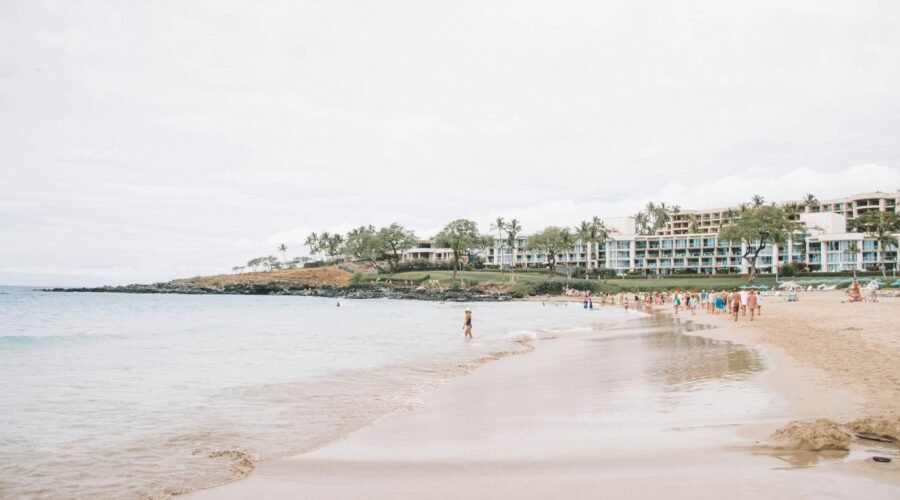
Planning a trip to Kailua-Kona, Hawaii? Your travel dates can make a real difference to the weather, crowds, hotel prices, and activities you’ll enjoy. This sunny stretch of Hawaiʻi Island’s western coast is worth visiting throughout the year, but some months suit certain trips better than others.
The best time to visit Kailua-Kona depends on whether you’re looking for relaxing beach days, a chance to see humpback whales, lower travel costs, or a quieter vacation. Here’s how to choose the right dates for your Hawaiian getaway.
Quick Answer
Late April through May and September through early November are useful windows for visiting Kailua-Kona when you want warm weather and potentially better travel value. Avoid major event and holiday periods when seeking fewer crowds. For humpback whale watching, choose January through March. Beach and snorkeling conditions depend on the daily surf and weather.
Key Takeaways
- For a balance of weather, crowds, and value: Consider late April through May or September through early November, outside major events.
- For beach activities: Warm conditions occur year-round, but local surf and wind matter more than the calendar alone.
- For whale watching: January through March is generally the peak period.
- For lower travel costs: Compare spring and fall dates, avoiding major holidays and October race week.
- For volcano exploration: Visit any time of year, but prepare for cooler mountain weather and changing park conditions.
1. Understanding Kailua-Kona’s Weather and Climate
Kailua-Kona sits on the western, or leeward, side of Hawaiʻi Island. Its coastal location is generally sunnier and drier than the island’s windward eastern side.
However, the Kona coast, coffee-growing slopes, and higher mountains do not all have the same weather. Understanding those differences will help you plan more accurately than relying on a simple wet-season or dry-season calendar.
1.1. Sunshine and Temperatures Throughout the Year
Kailua-Kona enjoys warm weather throughout the year. Coastal daytime temperatures are commonly in the upper 70s to upper 80s Fahrenheit, depending on the season and daily conditions.
- Daytime temperatures: Expect warm weather suitable for sightseeing, coastal walks, and many outdoor activities.
- Evening temperatures: Nights are generally comfortable, although a light sweater or jacket can be useful when dining outside or spending time in breezy locations.
- Water temperature: Ocean water remains relatively warm throughout the year, with seasonal changes that are much smaller than those found in many mainland destinations.
Hawaiʻi’s warmest months generally occur around August and September, while February and March are among the coolest. The ocean moderates the islands’ temperatures, reducing extreme seasonal changes.
For more information about these patterns, see the National Weather Service overview of Hawaiʻi’s climate.
1.2. Winter vs. Summer: How Rainfall Really Works in Kona
Hawaiʻi is often described as having a wetter winter and a drier summer. That broad description applies to many locations, but Kona has an important regional exception.
The mountains of Hualālai and Mauna Loa block the prevailing trade winds. Air moving around these mountains can rise along the Kona slopes, creating afternoon clouds and rain.
According to the University of Hawaiʻi Rainfall Atlas, the Kona rainfall belt has a distinctive summer rainfall maximum.
- Winter, approximately November through April: Coastal temperatures are slightly cooler. Large weather systems can bring rain, wind, and rough ocean conditions. Winter is also the main humpback whale-watching period.
- Summer, approximately May through October: Temperatures are warmer. Some coastal areas experience long sunny periods, while the Kona slopes can develop afternoon clouds and showers.
- Higher elevations: Coffee farms and mountain locations may be wetter or cooler than the waterfront on the same day.
Note: A rainy forecast for the Kona coffee belt does not necessarily mean a full day of rain along the Kailua-Kona waterfront. Check the forecast for the exact area you plan to visit.
1.3. Hurricane Season: What Travelers Should Know
The Central Pacific hurricane season officially runs from June 1 through November 30.
A hurricane does not need to make landfall to affect your trip. Offshore storms can produce large swells, dangerous surf, heavy rain, and interruptions to transportation or outdoor activities.
That does not mean you must avoid Hawaiʻi throughout hurricane season. It means you should plan with the possibility of changing conditions in mind.
- Check the latest tropical weather information before departure.
- Choose flexible reservations when practical.
- Review travel-insurance coverage and exclusions.
- Follow official warnings and avoid ocean activities during hazardous conditions.
The NOAA Central Pacific Hurricane Center provides official tropical cyclone information.
2. Navigating the Crowds: When to Go if You Want More Space
Kailua-Kona attracts visitors throughout the year. Tourism levels are affected by school vacations, winter travel, major sporting events, and holidays.
If you prefer a more relaxed experience, choose your dates carefully. A normally quiet month can become busy when a large event takes place.
2.1. The Peak Season Rush
The busiest travel periods often align with major vacation weeks.
- Mid-December through early January: Christmas and New Year travel can increase demand for flights, rental cars, accommodations, and tours.
- Winter and spring break: Visitors escaping colder climates and families traveling during school breaks can make popular areas busier.
- June through August: Summer vacation brings family travel and stronger demand for certain accommodations and activities.
- Thanksgiving week: Another period when travelers should compare prices and book early.
Winter should not be treated as uniformly quiet or inexpensive. Demand can remain substantial even after New Year’s.
2.2. Shoulder Seasons: The Middle Ground
Shoulder seasons are the periods between major vacation rushes. They can offer a useful balance of weather, availability, and cost.
- Late April through May: A good window to investigate after many spring-break trips end and before summer travel increases.
- September: Worth comparing for accommodation and flight availability after the summer school-holiday period.
- Late October through early November: Can offer opportunities outside major event and holiday dates.
- Early December: May be worth comparing before the Christmas and New Year travel period begins.
These are general planning patterns rather than promises of low prices or empty beaches. Your exact travel dates and accommodation choices still matter.
2.3. October and the IRONMAN World Championship
October deserves special attention because Kailua-Kona is associated with the IRONMAN World Championship.
The 2026 IRONMAN World Championship is scheduled for October 10, 2026.
Race week can bring athletes, support teams, spectators, and additional demand for local services.
- If you’re attending the event: Reserve accommodations and transportation early, and check official event information.
- If you prefer fewer crowds: Compare dates outside race week.
- If you’re driving around Kona: Check event traffic notices and allow extra travel time.
Event dates can change from year to year, so check the official IRONMAN calendar when planning future visits.
2.4. Off-Peak Opportunities
Hawaiʻi is rarely empty, but there are periods when some hotels and activities have better availability.
Late spring, September, and selected fall or early-December dates are worth checking. Late January and February may also offer individual deals, but they remain part of the winter visitor and whale-watching season.
Compare your complete trip cost rather than choosing a month based on a general seasonal label.
3. When Kailua-Kona Travel Costs Tend to Be Lower

Hawaiʻi can be an expensive destination, especially when flights, accommodations, rental cars, meals, and activities are added together.
Fortunately, flexible dates can make a noticeable difference to your budget.
3.1. When Prices Can Rise
Travel prices change with demand, availability, booking time, and individual events.
Dates worth watching include:
- Christmas and New Year holidays.
- Thanksgiving week.
- Popular summer vacation periods.
- Spring-break weeks.
- Major Kona sporting events, including the IRONMAN World Championship.
These periods can affect accommodation availability as well as transportation and tour bookings.
3.2. Finding Deals During Shoulder Seasons
Start your search with late April through May and September through early November.
Compare several departure dates rather than assuming every day in a shoulder-season month costs the same.
For example, an October trip during a major race may have a very different price from a trip later in the month.
3.3. Practical Ways to Save Money
- Compare total accommodation costs: Include taxes, resort fees, parking, and other charges.
- Check rental-car prices: Compare availability before committing to flights or lodging.
- Allow flexible travel dates: Look at nearby departure and return dates.
- Book popular tours strategically: Reserve activities that have limited availability while leaving room for weather changes.
- Consider your location: Compare waterfront hotels with other accommodations, accounting for parking and transportation.
- Review cancellation terms: Flexible reservations can be especially useful when planning months ahead.
Pro Tip: Compare three complete vacation budgets: one in late spring, one in September, and one outside October’s major event period. Include your flight, lodging, rental car, and planned activities. The lowest hotel rate does not always produce the cheapest trip.
4. Specific Activities and Their Best Travel Windows

Beyond the weather and crowds, your planned activities may determine the right time for your trip.
4.1. Beach Days, Snorkeling, and Water Sports
Kona’s coast offers opportunities for swimming, snorkeling, diving, paddleboarding, kayaking, and boat trips throughout the year.
Summer often brings smaller northwest swells, but that does not guarantee calm conditions at every Kona beach.
Southern and western swells, strong winds, currents, and local shoreline conditions can still affect water activities.
- Calmer water: Check the specific beach and daily surf forecast rather than relying only on the season.
- Underwater visibility: Calm conditions can help, but rainfall, runoff, waves, and local conditions affect visibility.
- Morning activities: Morning can be a useful time to plan ocean excursions before afternoon winds increase.
- Boat trips: Keep an alternative date available when possible.
The Hawaiʻi Ocean Safety surf-season guide explains why conditions vary between shorelines.
Warning: Never assume a beach is safe because the weather looks sunny. Check surf conditions, obey warning signs, and swim near a lifeguard when possible. Avoid entering the ocean during dangerous surf, strong currents, or severe weather. Snorkel with a buddy and choose conditions appropriate for your swimming ability.
Additional guidance is available from Hawaiʻi Ocean Safety’s snorkeling safety resources.
4.2. Whale Watching: Winter and Early Spring
Watching humpback whales is a major reason to visit Hawaiʻi during winter.
According to NOAA, humpback whales generally visit Hawaiian waters from November through May, with peak abundance usually occurring from January through March.
- November and December: The season begins, although sightings vary.
- January through March: Generally the main whale-watching period.
- April and May: Sightings remain possible as the season winds down.
Whale sightings are never guaranteed, even during peak season.
Choose responsible operators and respect wildlife-viewing rules. In Hawaiʻi, approaching a humpback whale within 100 yards is prohibited.
See the NOAA Hawaiian Islands Humpback Whale National Marine Sanctuary guidelines for details.
4.3. Manta-Ray Snorkeling and Diving
Kona is also known for nighttime manta-ray viewing experiences.
Unlike humpback whale watching, manta-ray excursions are offered throughout the year. There is no single short migration season that determines when visitors can book these activities.
Actual sightings and tour operations depend on wildlife behavior, ocean conditions, weather, and operator requirements.
Before booking:
- Check the operator’s safety procedures and cancellation policy.
- Choose an experience suitable for your swimming or diving ability.
- Follow instructions about keeping your distance from wildlife.
- Never touch or chase manta rays.
4.4. Hiking and Exploring Inland
Kailua-Kona makes a useful base for exploring more of Hawaiʻi Island, including coffee-growing areas, volcanic landscapes, and mountain environments.
However, the weather can change dramatically as you travel away from the coast.
- Coastal hiking: Plan for sun exposure and carry drinking water.
- Rainforest trails: Prepare for wet ground and changing weather.
- Higher elevations: Bring suitable layers and check conditions before departure.
Do not assume a sunny morning in Kailua-Kona means the entire island will have the same weather.
4.5. Visiting Hawaiʻi Volcanoes National Park
Hawaiʻi Volcanoes National Park is open to visitors throughout the year, subject to current closures and operating conditions.
It is a substantial drive from Kailua-Kona, so allow enough time for travel and sightseeing.
The summit of Kīlauea is around 4,000 feet above sea level. According to the National Park Service, temperatures there can be approximately 12–15°F cooler than at sea level.
Rain, fog, wind, and chilly conditions are possible in any season.
Pack:
- A light waterproof jacket.
- Comfortable, sturdy walking shoes.
- Drinking water and sun protection.
- Warm layers for higher elevations.
Volcanic activity, air quality, trail access, and viewing opportunities can change. Visible lava is not guaranteed.
Before leaving, check the National Park Service’s current conditions and alerts.
4.6. Coffee Farms and Local Experiences
Kona’s coffee-growing region sits above the coast, where the climate differs from the waterfront.
Coffee-farm tours can be a rewarding addition to your trip throughout the year, although available activities and harvest experiences depend on the farm and season.
If you’re interested in a specific harvest-related experience, check with the farm before booking.
Local markets, historical sites, art galleries, and cultural activities also provide options when ocean conditions are not suitable for swimming or boating.
4.7. Cultural Events and Festivals
Hawaiʻi has a rich cultural heritage, and attending local events can add something special to your visit.
Check community calendars for markets, cultural celebrations, music, food events, and traditional Hawaiian arts.
The Merrie Monarch Festival
The Merrie Monarch Festival is a major celebration of hula and Hawaiian culture held in Hilo, on the opposite side of Hawaiʻi Island.
Its annual schedule falls in spring, but exact dates vary.
The festival can influence travel plans and accommodation demand, particularly around Hilo.
Visit the official Merrie Monarch Festival website for the current schedule and attendance information.
5. Best Time to Visit Kailua-Kona: Month-by-Month Guide
The following table brings together the weather, crowd patterns, and travel-cost considerations discussed above.
It is a seasonal planning guide rather than a forecast or live pricing report. Actual costs and conditions depend on your dates, weather systems, school holidays, and local events.
| Month | Weather | Crowds | Cost Considerations |
|---|---|---|---|
| January | Warm coastal days; winter weather systems possible. | Holiday demand early; winter visitors remain. | Compare post-holiday dates. |
| February | Generally warm; some winter rain and swell. | Winter visitors and holiday-week demand. | Not consistently an off-peak bargain. |
| March | Warm conditions with variable showers. | Spring-break travel can increase demand. | Compare school-vacation dates carefully. |
| April | Warm; conditions vary by elevation. | Spring-break and event demand varies. | Late-month dates may be worth checking. |
| May | Warmer weather; possible afternoon upslope showers. | Often between major vacation periods. | Useful month for price comparisons. |
| June | Warm coastal weather; localized rain possible. | Summer travel begins increasing. | Compare early and late June. |
| July | Warm to hot; afternoon clouds possible. | Popular summer vacation period. | Book early and compare total trip costs. |
| August | Among the warmer months. | Summer travel continues. | Availability varies with school calendars. |
| September | Warm weather and ocean temperatures. | Summer school-holiday demand may ease. | Worth comparing for shoulder-season value. |
| October | Warm; tropical weather remains possible. | Major race periods can be busy. | Avoid assuming race week is inexpensive. |
| November | Warm; changing seasonal weather. | Thanksgiving can increase demand. | Compare dates outside the holiday week. |
| December | Warm coastal days; winter weather possible. | Holiday demand rises later in the month. | Early December may offer more flexibility. |
5.1. For the Sunshine Seeker
Warm coastal weather is available throughout the year, so you do not need to limit your trip to one short season.
Late spring and summer are worth considering for long outdoor days, although afternoon rainfall can develop along the Kona slopes.
Remember that no month guarantees uninterrupted sunshine.
5.2. For the Crowd-Averse Traveler
Start by comparing late April through May, September, and dates outside major October events.
Early December may also be useful before holiday demand increases.
Avoid making decisions based on the month alone. Check the actual local event calendar.
5.3. For the Budget-Conscious Visitor
Compare the spring and fall shoulder periods first.
Late January and February may occasionally produce attractive individual offers, but winter demand means they should not automatically be classified as the cheapest months.
For the most accurate comparison, price your complete trip using the same flight route, accommodation standard, transportation arrangements, and length of stay.
5.4. The All-Around Choice: Late Spring or Selected Fall Dates
For travelers who want a practical balance of weather, activities, and potential value, late April through May and September through early November are useful starting points.
These periods can offer:
- Warm weather: Suitable for beach time, sightseeing, and outdoor activities.
- More date flexibility: Opportunities outside major school holidays.
- Potentially better value: Accommodation and flight options worth comparing against peak vacation weeks.
October requires special attention because of IRONMAN and other local events. September and early November may be easier alternatives when your priority is avoiding a major event period.
5.5. Best Travel Windows for Specific Goals
- Whale watching: January through March for the usual peak season.
- Warm beach days: Available throughout the year; check current surf conditions.
- Snorkeling and diving: Choose suitable daily conditions rather than assuming one month is always safest.
- Manta-ray excursions: Offered year-round, subject to weather and ocean conditions.
- Volcano exploration: Year-round, subject to park access, weather, and volcanic activity.
- Potential shoulder-season value: Late April through May and selected September–November dates.
- Major cultural events: Consult official festival calendars before selecting travel dates.
6. How to Choose Your Travel Dates
If you’re still deciding when to go, use this simple approach.
Step 1: Choose Your Main Activity
Decide whether your priority is whale watching, snorkeling, hiking, cultural events, or simply relaxing beside the ocean.
Wildlife seasons and major events may matter more than small differences in average temperature.
Step 2: Check the Event Calendar
Look for major events, school holidays, and festival dates before booking.
This is especially important when planning an October visit to Kailua-Kona.
Step 3: Compare Several Dates
Check multiple flight and accommodation combinations. Include transportation and other necessary expenses.
Do not assume an entire month has the same prices.
Step 4: Build Weather Flexibility Into Your Itinerary
Schedule important outdoor experiences early enough in your trip to allow an alternative day if conditions change.
For example, avoid leaving your only snorkeling excursion until the final morning of your vacation.
Step 5: Check Conditions Before Each Activity
Use official weather, surf, and park information when making daily plans.
Conditions at the beach, coffee-growing slopes, and volcanic summit can be very different on the same day.
By matching your dates to your priorities, you can enjoy Kailua-Kona without relying on a single supposedly perfect month.
Frequently Asked Questions
1. What is the best time to visit Kailua-Kona, Hawaii, for good weather?
Kailua-Kona has warm coastal weather throughout the year. Late spring and selected fall dates offer useful travel options, but there is no guaranteed rain-free season. The Kona slopes also have a distinctive afternoon rainfall pattern, so conditions vary by location.
2. When is the best time to visit Kailua-Kona to avoid crowds?
Late April through May and September through early November are useful periods to compare. Avoid major holiday weeks and check the October event calendar, especially the IRONMAN World Championship.
3. What is the most cost-effective time to visit Kailua-Kona?
Spring and fall shoulder-season dates are worth comparing. However, prices depend on availability, booking time, holidays, and local events. Compare the full cost of flights, lodging, rental cars, and activities before selecting dates.
4. When is the peak tourist season in Kailua-Kona?
Christmas and New Year, spring-break periods, summer school holidays, and major event weeks can attract substantial demand. Winter visitors also contribute to tourism outside the major holiday weeks.
5. What is the weather like during the off-peak season?
Kailua-Kona remains warm during quieter travel periods. Rainfall varies by location and weather system. The coastal area may be sunny while afternoon clouds and showers develop higher on the Kona slopes.
6. What month is best for whale watching in Kona?
January through March is generally the peak humpback whale-watching period in Hawaiʻi. The broader season usually extends from November through May, although sightings are never guaranteed.
7. Is October a good month to visit Kailua-Kona?
October can offer warm weather and useful shoulder-season travel opportunities. However, the IRONMAN World Championship can increase demand during race week. The 2026 event is scheduled for October 10, so travelers seeking a quieter vacation should compare dates outside that period.
8. Can you snorkel in Kailua-Kona throughout the year?
Snorkeling is possible throughout the year when conditions are suitable. Check the daily surf forecast, choose a location appropriate for your ability, and follow lifeguard advice. Seasonal weather alone does not guarantee safe ocean conditions.
Sources
- University of Hawaiʻi — Rainfall Atlas of Hawaiʻi — Regional rainfall patterns and Kona’s distinctive seasonal climate.
- NOAA — Central Pacific Hurricane Center — Official hurricane-season dates and tropical weather information.
- NOAA — Hawaiian Islands Humpback Whale National Marine Sanctuary — Whale-watching season and responsible viewing requirements.
- IRONMAN — 2026 World Championship, Kona — Official event date and location.
- National Park Service — Hawaiʻi Volcanoes National Park Weather and Climate — Elevation, temperatures, and mountain weather.
- Hawaiʻi Ocean Safety — Hawaiʻi’s Surf Seasons — Seasonal differences in ocean conditions and shoreline safety.