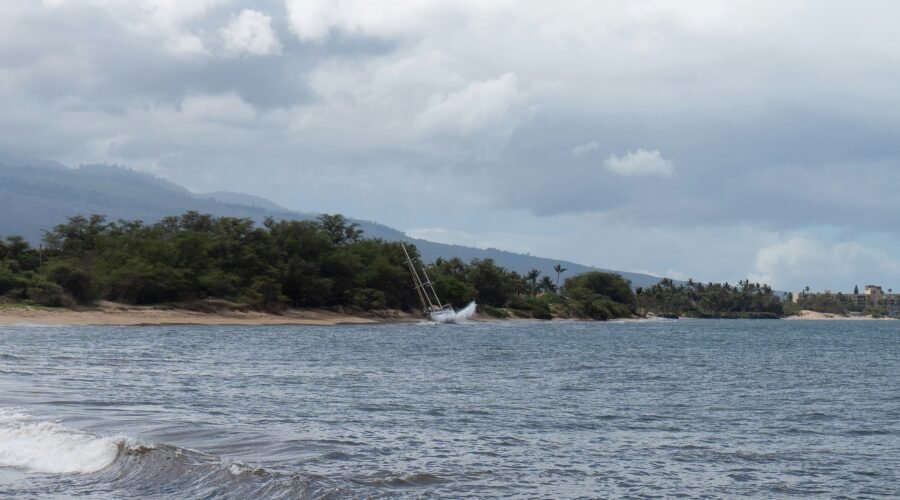
When planning a trip to Kihei, Hawaii, the best time to visit generally depends on your priorities: avoiding crowds and scoring better deals means opting for the shoulder seasons of late April to early June and September to November. If budget isn’t a primary concern and you’re chasing comfortable winter weather and humpback whale watching, the winter months from December to March are ideal, though you’ll be sharing the island with more visitors. Summers bring warm ocean waters and consistent sun, making Kihei an exceptional year-round beach destination on Maui’s sheltered leeward coast.
Quick Answer
The best overall time to visit Kihei, Hawaii is during the shoulder seasons of late April to May and September to November. These months deliver ideal warm weather (80°F–85°F), smaller crowd levels, lower resort rates, and calm ocean conditions for swimming and snorkeling.
Key Takeaways
- Best for Low Budgets & Thin Crowds: April to May and September to November offer discounted flights and accommodations.
- Best for Whale Watching: Mid-December through April, with peak sightings occurring between January and March.
- Best for Calm Ocean Conditions: June through August provides warm sea temperatures (~80°F) and exceptionally calm waters along South Maui’s beaches.
- Microclimate Advantage: Kihei sits in Haleakala’s rain shadow, receiving only 10 to 13 inches of rain annually—far drier than West or East Maui.
1. Understanding Kihei’s Seasons: More Than Just “Summer”
Kihei, situated on the south shore of Maui, doesn’t experience the distinct four seasons found on the U.S. mainland. Instead, the region shifts between a warmer dry season and a slightly cooler wet season. However, because Kihei rests in the leeward rain shadow of Haleakala volcano, it remains one of the driest and sunniest spots in the Hawaiian Islands, receiving an average of just 10 to 13 inches of rainfall per year according to the National Weather Service.
Note: While northern and eastern Maui experience frequent tropical showers, Kihei often stays clear and bright due to its sheltered position on the island’s southwest coast.
The Dry Season (Summer): June to August
Summer is Kihei’s warmest period. Expect average daytime high temperatures in the upper 80s Fahrenheit (30°C–32°C) with clear sky conditions. Trade winds provide a cooling breeze, though humidity increases slightly during mid-summer.
- Pros: Ideal beach weather, excellent ocean clarity for snorkeling and stand-up paddleboarding, and consistently calm waters along Kamaole Beach Parks I, II, and III.
- Cons: Peak family travel season leads to higher flight and lodging costs, along with busier beaches and popular dining spots.
The Wet Season (Winter): December to March
Winter brings daytime temperatures averaging in the high 70s to low 80s Fahrenheit (25°C–28°C). While designated as the “wet season,” Kihei experiences far less rain than windward areas like Hana or Kapalua. Passing cloud cover or quick evening showers are common, but prolonged rain events are infrequent.
- Pros: Thousands of humpback whales migrate to the shallow waters of the Auau Channel. Big wave surf hits northern shores, while holiday displays light up neighboring Wailea.
- Cons: Highest lodging prices of the year during peak holiday periods (Christmas through New Year’s), increased visitor density, and slightly higher chance of breezy winter fronts.
The Shoulder Seasons: April to May & September to November
The shoulder months represent the sweet spot for visitors seeking pleasant weather, moderate ocean conditions, and manageable crowd levels.
- Pros: Comfortable daytime temps, decreased accommodation costs, reduced rental car rates, and peaceful beach environments. Late spring often captures late-season whale sightings, while fall brings warm ocean temperatures.
- Cons: Occasional early fall mugginess before trade winds re-establish.
2. Avoiding Crowds and Saving Money: The Shoulder Season Advantage
For travelers prioritizing tranquility and value, steering clear of peak summer vacation weeks and winter holiday surges is the most practical strategy.
Late April to Early June
This period sits comfortably between spring break and the summer vacation surge. Temperatures range from 78°F to 84°F, accompanied by moderate trade winds and low rainfall.
Pro Tip: Snorkeling visibility at sites like Kamaole III or Ulua Beach is highest in the early morning before trade winds kick up around 11:00 AM.
- Weather: Bright, warm, and comfortable with low humidity.
- Crowds: Moderate beach occupancy and easily secured restaurant reservations across Kihei’s South Kihei Road strip.
- Pricing: Resort and vacation rental rates typically drop 15% to 30% compared to peak winter tariffs.
September to November
Autumn offers some of the warmest ocean temperatures of the year (~80°F/27°C), ideal for swimming, scuba diving, and ocean kayaking.
- Weather: Daytime highs in the mid-80s Fahrenheit. While autumn coincides with the tail end of the Central Pacific tropical season, direct storm hits on Maui remain rare.
- Crowds: Low visitor volume following the return of mainland school schedules.
- Pricing: Outstanding accommodation deals, excluding the week surrounding Thanksgiving.
3. Chasing the Perfect Weather: Seasonal Breakdown
Depending on your personal weather preferences, Kihei’s conditions vary subtly throughout the calendar year.
“Kihei averages over 270 sunny days per year, making it one of the most microclimatically dependable resort destinations in the state of Hawaii.”
Summer Climate (June to August)
Summer brings high sun angles, warm sea surface temperatures, and reliable onshore afternoon breezes. Ocean conditions on South Maui beaches remain tranquil, creating safe conditions for novice paddleboarders and young families.
Winter Climate (December to March)
Winter brings mild daytime warmth and cooler evenings (high 60s Fahrenheit). It is advisable to pack a light sweater for outdoor evening dining. Ocean swells increase along exposed north and west shores, though Kihei’s south-facing beaches stay relatively sheltered.
4. Special Interests & Seasonal Highlights
Whale Watching: Mid-December to Mid-May
Every winter, thousands of North Pacific humpback whales travel to the warm, shallow waters of the Hawaiian Islands Humpback Whale National Marine Sanctuary surrounding South Maui. Kihei acts as a primary launch point for eco-friendly zodiac and catamaran tours.
- Peak Density: January through March offers guaranteed sightings of breaching mothers, calves, and competition pods.
- Shore Sightings: Whales can often be spotted directly from coastal vantage points such as Kealia Coastal Boardwalk and Kalama Park.
Surfing and Water Sports
- Beginner Surfing: Cove Park in Kihei features gentle, rolling wave breaks ideal for beginner surf lessons throughout the year.
- Experienced Surfing: Winter brings massive swells to Maui’s North Shore (Hookipa and Jaws), while summer generates south swells along Kihei’s reef breaks.
- Snorkeling & Diving: Year-round availability, with optimal water clarity occurring during morning hours during summer and shoulder seasons. Official travel planning advice can be found at GoHawaii.
Cultural Events & Festivals
- Festivals of Aloha (September/October): Island-wide cultural celebrations featuring traditional Hawaiian music, hula performances, and local craft exhibitions.
- Maui Film Festival (June): Outdoor film screenings under the stars near Wailea.
- Holiday Celebrations (December): Festive seasonal events and specialty culinary menus across South Maui resorts.
5. Practical Considerations for Your Trip
Booking Strategy
For peak travel periods (December 15 through January 5, plus July and August), secure accommodations, rental cars, and tour bookings 6 to 9 months in advance. Flexible travel during shoulder seasons allows for last-minute airfare and lodging savings.
Car Rentals & Transit
Renting a vehicle is essential for exploring attractions beyond central Kihei, such as Haleakala National Park, the Road to Hana, and Upcountry Maui. Book rental vehicles early to secure competitive daily rates.
Packing Essentials
- Light Layers: Breathable cotton daytime wear, paired with a light windbreaker or fleece for higher elevations and winter evenings.
- Sun Protection: Polarized sunglasses, wide-brim hats, and rashguards.
- Footwear: Supportive sandals for beach walks and sturdy trail shoes for hiking.
Warning: Under Maui County regulations, non-mineral sunscreens containing chemical filters like oxybenzone and octinoxate are strictly prohibited. Travelers must use mineral-based sunscreens containing active non-nano zinc oxide or titanium dioxide to protect delicate coral reef ecosystems.
Respecting the Land (Malama Aina)
Practice responsible tourism by giving marine wildlife (such as green sea turtles and Hawaiian monk seals) a respectful distance of at least 10 feet on land and in water. Stay on established public trails and carry out all trash to preserve Maui’s natural resources.
In summary, while Kihei offers an appealing escape year-round, the optimal time to visit hinges on your individual travel goals. For a combination of comfortable weather, fewer crowds, and lower prices, target late April to early June or September to November. For whale watching and winter warmth, plan for December to March. Regardless of when you travel, Kihei delivers a classic Hawaiian coastal experience.
Frequently Asked Questions
What is the best time to visit Kihei, Hawaii in terms of weather?
The best weather occurs during the dry season from April through October, characterized by consistent sunshine, low rainfall, ocean temperatures around 78°F–80°F, and comfortable trade winds.
When is the best time to visit Kihei, Hawaii to avoid crowds?
The least crowded months are the shoulder periods of late April to May and September to November (excluding Thanksgiving week), when school is in session and major holiday rushes subside.
What is the most cost-effective time to visit Kihei, Hawaii?
September, October, and May generally offer the lowest accommodation tariffs, cheaper airfares, and discounted vehicle rentals across South Maui.
When is the peak tourist season in Kihei, Hawaii?
Peak tourist season spans mid-December through March for winter snowbirds and whale watchers, alongside a secondary surge during peak summer break in July and August.
What is the weather like in Kihei, Hawaii during the off-peak season?
Winter weather brings mild daily highs (78°F–82°F) and occasional short-lived showers. However, because Kihei is situated on Maui’s dry leeward side, it experiences significantly more sunshine than other parts of the island.
Sources
- National Weather Service (Honolulu Forecast Office) — Climate and precipitation statistics for South Maui.
- NOAA Hawaiian Islands Humpback Whale National Marine Sanctuary — Migration timelines and whale density data.
- GoHawaii (Hawaii Tourism Authority) — Official island visitor guides and seasonal event listings.
- County of Maui Official Government Site — Environmental ordinances and mineral-only sunscreen regulations.