

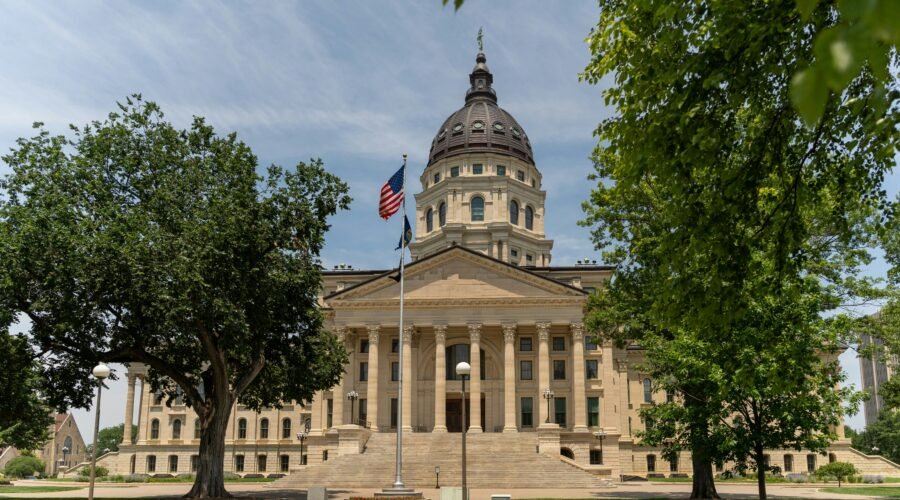
So, you’re thinking about swinging through Wichita, Kansas? Good choice! To cut right to the chase, the best time to visit Wichita generally boils down to late spring (April-May) or early fall (September-October). You’ll usually catch decent weather, smaller crowds compared to the peak summer season, and moderate prices. That’s the quick answer. Now, let’s unpack that a bit more so you can plan your ideal trip.
1. Understanding Wichita’s Climate: What to Expect When
Wichita experiences all four seasons in pretty distinct ways. It’s nestled in the heart of the Midwest, so you get the full spectrum. This means understanding the weather is critical for packing and planning activities.
1.1 Spring (March-May): A Breath of Fresh Air
Spring in Wichita can be genuinely lovely, though a bit unpredictable. Early spring (March) can still see some cold snaps and even late snow, but by April and May, things generally warm up nicely.
- Average Temperatures: March: 30s-50s°F (0-15°C); April: 40s-60s°F (5-20°C); May: 50s-70s°F (10-25°C).
- Precipitation: This is when Wichita can get some good rain, and it’s also prime thunderstorm season. Don’t be surprised by a sudden downpour, but they usually clear out quickly. Tornado season also ramps up in April and May, so being aware of weather alerts is a good idea.
- What to Pack: Layers are your friend. Think light jackets, sweaters, long-sleeved shirts, and certainly an umbrella or rain jacket. If you’re visiting in late May, you might even get away with lighter clothing during the day.
- Activity Suitability: Excellent for exploring outdoor attractions like Botanica, the Wichita Gardens, or walking along the Arkansas River. Festivals start to pop up.
1.2 Summer (June-August): Hot, Humid, and Happening
Summer in Wichita is undeniably hot and often quite humid. If you love sunshine and aren’t bothered by high temperatures, this can be a fun time, especially if you’re hitting up water-based activities or indoor attractions.
- Average Temperatures: June: 60s-80s°F (15-30°C); July: 70s-90s°F (20-35°C); August: 70s-90s°F (20-35°C). It’s not uncommon for temperatures to push past 100°F (38°C) in July and August.
- Precipitation: Summers can be a bit drier than spring, but afternoon thunderstorms are still a possibility, offering a brief reprieve from the heat.
- What to Pack: Light, breathable clothing is a must. Shorts, t-shirts, sundresses, and plenty of sunscreen. A wide-brimmed hat and sunglasses are also good ideas. Hydration is key.
- Activity Suitability: Great for hitting the splash pads, the Great Plains Nature Center (with its indoor exhibits), or enjoying air-conditioned museums. Evening events and outdoor movies can be popular once the sun sets and temperatures drop slightly.
1.3 Fall (September-November): The Sweet Spot
Many locals and visitors alike consider fall the best time to experience Wichita. The humidity drops, temperatures become more pleasant, and the autumn colors begin to appear, though not as vibrant as regions further north.
- Average Temperatures: September: 60s-80s°F (15-30°C); October: 40s-70s°F (5-20°C); November: 30s-50s°F (0-15°C).
- Precipitation: Generally drier than spring and summer, making for more reliably pleasant outdoor days.
- What to Pack: Again, layers work best, especially in October and November when you can have warm days followed by chilly evenings. Light jackets, sweaters, and comfortable walking shoes.
- Activity Suitability: Ideal for just about everything! Outdoor festivals, exploring the Old Town district on foot, visiting Sedgwick County Zoo, or taking a scenic drive.
1.4 Winter (December-February): Quiet and Cold
Wichita winters are typically cold and can see significant snowfall, but it’s rarely extreme for extended periods. It’s generally a quieter time to visit, with fewer tourists.
- Average Temperatures: December: 20s-40s°F (-5-5°C); January: 20s-40s°F (-5-5°C); February: 20s-40s°F (-5-5°C). Wind chill can make it feel much colder.
- Precipitation: Snow is common, sometimes in large amounts, but it often melts within a few days. Freezing rain and ice storms can also occur.
- What to Pack: Warm winter coat, hats, gloves, scarves, and waterproof boots with good grip are essential. Layering thermal underwear or warm base layers is advisable.
- Activity Suitability: Best for indoor activities like museums (Exploration Place, Wichita Art Museum), shopping, enjoying local breweries and restaurants, or catching a show.
If you’re planning a trip to Wichita, Kansas, you might also find it helpful to read our related article on the “Best Time to Visit Wichita, Kansas: Weather, Crowds, and Costs.” This guide provides valuable insights into the ideal seasons for travel, what to expect in terms of visitor numbers, and tips on budgeting for your trip. For more detailed information, check out the article here: Best Time to Visit Wichita, Kansas.
2. Navigating the Crowds: When Wichita Gets Busy (and When It Doesn’t)
Wichita isn’t a national tourist magnet like some coastal cities, so “crowded” here is a relative term. However, understanding peak times can still help you avoid lines and find better deals.
2.1 Peak Season: Summer and Select Weekends
Summer (June-August) generally sees the highest number of visitors, especially families, given school holidays. Weekends throughout the year can also bring local crowds, particularly if there’s a major event.
- Summer Family Travel: Many local families will be out and about, and destination attractions like the Sedgwick County Zoo or Exploration Place will be noticeably busier. Hotels might see a slight bump in occupancy, and some popular restaurants could have longer waits.
- Event-Driven Crowds: Wichita hosts several popular events throughout the year. For instance:
- Riverfest (late May/early June): This is Wichita’s biggest annual festival, drawing tens of thousands. The entire downtown area, especially near the river, becomes extremely crowded. Hotel prices will surge, and booking well in advance is crucial if you plan to visit during this time.
- Wichita Jazz Festival (late March/early April): While not as large as Riverfest, it draws a significant number of music enthusiasts.
- NJCAA Men’s Basketball Tournament (late March): This national championship brings college basketball fans to the city, impacting hotel availability and restaurant crowds, especially around the downtown arena.
- Wichita River City Comic Con (usually mid-summer): Draws a dedicated fan base.
- Wichita Open (PGA Tour event, usually June/July): Brings golf fans and pros to the area.
- Concerts and Sporting Events: Check local listings for concerts at Intrust Bank Arena or Hartman Arena, or Wichita State University basketball games during their seasons. These will cause localized crowds and potential traffic.
2.2 Shoulder Seasons: Your Best Bet for Balance
Late spring (April-May, excluding Riverfest week) and early fall (September-October) are golden for crowd avoidance.
- Fewer Tourists: You’ll find attractions are more enjoyable with shorter lines and more space to wander. Restaurants are less packed, and generally, the overall vibe is more relaxed.
- Local Activity: While tourist numbers are lower, locals are still out enjoying the milder weather, so you’ll experience the city’s living pulse without feeling overwhelmed.
2.3 Off-Peak Season: Winter Solitude
Winter (December-February) is the quietest time in Wichita.
- Minimal Crowds: If you don’t mind the cold, you’ll have most indoor attractions practically to yourself. It’s a great time for a more introspective visit.
- Cozy Vibes: Many local businesses, especially coffee shops and restaurants, have a cozy, welcoming atmosphere perfect for escaping the chill.
3. Understanding the Costs: How Much Will Your Trip Set You Back?
Generally speaking, Wichita is a relatively affordable city to visit compared to major metropolitan areas on the coasts. Your budget will largely depend on your travel style and how far in advance you book.
3.1 Accommodation: A Range of Options
Wichita offers a good mix of budget, mid-range, and upscale hotels, as well as vacation rentals.
- Budget (under $100/night): You’ll find several reliable chain hotels (e.g., Super 8, Red Roof Inn, Motel 6) usually situated off major highways like I-135 or Kellogg (US-54). Clean and functional, but without many frills.
- Mid-Range ($100-$180/night): This is where most visitors will find comfortable options. Hampton Inn, Holiday Inn Express, Fairfield Inn, and similar brands are plentiful throughout the city, including some newer options in downtown/Old Town. These often include breakfast and offer decent amenities.
- Upscale ($180-$300+/night): Downtown and Old Town offer some boutique hotels (like Hotel at Old Town) and higher-end chains (e.g., Ambassador Hotel, Hyatt Regency Wichita). These typically offer more luxurious amenities, better service, and prime locations.
- Vacation Rentals: Airbnb and VRBO options are available, ranging from cozy apartments to larger homes, offering more space and potentially kitchen facilities, which can save on food costs.
- Cost Saving Tips:
- Book in advance: Especially during peak season or major events.
- Consider weekdays: Weekends often see slightly higher rates.
- Look outside Old Town/Downtown: Hotels further out, especially near the airport or on the east side (e.g., near Bradley Fair), can sometimes offer better value while still being a reasonable drive to attractions.
3.2 Food & Drink: Casual to Fine Dining
Wichita has a growing food scene with options to suit every budget.
- Budget ($10-$15 per meal): Plenty of fast-casual spots, local diners, food trucks (especially popular in warmer months), and ethnic restaurants offering great value. Don’t miss out on local BBQ joints or a classic Wichita burger.
- Mid-Range ($15-$30 per meal): You’ll find a wide variety of excellent restaurants in this range, particularly in Old Town and the Delano district. Craft breweries often have good food menus at this price point.
- Upscale ($30+ per meal): Fine dining experiences are available for special occasions, offering steak, seafood, and more elaborate culinary creations.
- Coffee: Expect typical chain coffee prices ($4-$6 for a specialty drink), but also plenty of excellent independent coffee shops often with better prices and unique offerings.
- Alcohol: Craft beer scenes are robust in Wichita, with pints typically ranging from $6-$8. Cocktails will vary widely depending on the establishment.
- Cost Saving Tips:
- Utilize hotel breakfast: If included, it’s an easy way to save.
- Pack snacks: For sightseeing days.
- Lunch specials: Many restaurants offer more affordable lunch options.
- Happy hour: Look for deals on appetizers and drinks.
- Farmers Markets: If you have access to a kitchen (via a rental), buying local produce can be cost-effective and delicious.
3.3 Transportation: Getting Around Wichita
Wichita is largely a car-dependent city, but there are other options.
- Driving Your Own Car: If you’re driving in, this is the most flexible and often cheapest option, assuming you factor in gas and potential parking. Parking for most attractions is free or very inexpensive. Downtown parking garages usually have reasonable hourly or daily rates.
- Rental Car: Expect standard rental car rates, which fluctuate based on demand and seasonality. Booking in advance is recommended.
- Ride-Sharing (Uber/Lyft): Readily available, especially in the more populated areas. Costs will vary depending on distance, time of day, and surge pricing. This can be a good option if you plan to stick mainly to one area (like Old Town) or only need a few rides.
- Public Transit (Wichita Transit): The city has a bus system, but its routes and frequency can be limited, especially on weekends and evenings. It’s generally not the most convenient option for tourists relying solely on public transport to hit multiple attractions.
- Walking/Biking: Old Town and parts of downtown are very walkable. The Arkansas River Path is great for bikes. Some hotels offer complimentary bikes. This is fantastic for local exploration but not practical for getting across the city.
- Cost Saving Tips:
- Consider a car-free day: If staying in Old Town, you can walk to many restaurants, bars, and some museums.
- Carpool: If traveling with others, splitting ride-share costs saves money.
3.4 Attractions & Activities: Pick Your Priorities
Wichita has a good mix of free and paid attractions.
- Free or Low Cost:
- Keeper of the Plains: Iconic, free, and beautiful, especially at night during the “Ring of Fire” lighting.
- Old Town Wichita: Explore the historic brick streets, window shop, and enjoy the atmosphere.
- Botanica, The Wichita Gardens: While there’s an admission fee, it’s very reasonable and offers hours of enjoyment. Check their website for free admission days or discounts.
- Great Plains Nature Center: Free admission, with indoor exhibits and outdoor walking trails.
- Wichita Art Museum: Free admission on Saturdays.
- Public Parks & Green Spaces: Enjoy local parks without charge.
- Downtown Delano District: Another historic area with shops and restaurants to browse.
- Paid Attractions (typically $10-$20 per person):
- Sedgwick County Zoo: One of the top zoos in the country. Plan on spending several hours here.
- Exploration Place: Great science museum, especially for families with kids.
- Old Cowtown Museum: Step back in time to 1870s Kansas.
- Museum of World Treasures: Diverse collection, from dinosaurs to mummies.
- Frank Lloyd Wright’s Allen House: Guided tours available.
- Cost Saving Tips:
- Check for combo passes: Sometimes attractions offer discounted entry if you visit multiple sites.
- Look for coupons/discounts: Local tourism websites or hotel brochures might have them.
- Prioritize: Decide which attractions are most important to you and allocate your budget accordingly.
4. Special Considerations for Planning Your Visit
A few extra things to keep in mind to make your trip as smooth as possible.
4.1 Tornado Season Awareness
As mentioned, late spring (April-May) is prime tornado season. While the chances of directly encountering one are statistically low, it’s wise to be aware.
- Stay Informed: Keep an eye on local weather forecasts, especially if planning outdoor activities.
- Know Your Shelter: If staying in a hotel, ask staff about tornado shelters. If in a vacation rental, check for a basement or interior room.
- Weather Alerts: Most smartphones automatically get emergency weather alerts.
4.2 Events & Festivals Calendar
Wichita’s calendar is dotted with various events. Checking this in advance is a good idea.
- Tourism Websites: The official Wichita tourism website (Visit Wichita) is an excellent resource for up-to-date event listings.
- Local Papers: The Wichita Eagle also has an events section.
- Impact on Costs & Crowds: As noted, major events will increase hotel prices and crowds, so plan accordingly. Conversely, visiting during smaller festivals might offer a unique experience without the massive crowds.
4.3 Packing Strategically
Given Wichita’s variable weather, especially in spring and fall, strategic packing is genuinely helpful.
- Layering: This cannot be stressed enough. A sunny 70°F day can drop to 50°F quickly, especially after a storm or as evening approaches.
- Comfortable Shoes: You’ll likely do a good amount of walking, especially in downtown areas or at larger attractions like the zoo.
- Sun Protection: Even on cooler days, the Kansas sun can be intense. Hat, sunglasses, and sunscreen are always a good idea.
4.4 Local Time Zone
Wichita is in the Central Time Zone (CT), which is UTC-6. Don’t miss your flight or reservation!
If you’re planning a trip to Wichita, Kansas, understanding the best time to visit can greatly enhance your experience. Factors such as weather, crowds, and costs play a significant role in determining when to go. For more insights on how to make the most of your travel plans, you might find this related article on travel tips particularly helpful, as it offers valuable information that complements your exploration of Wichita.
5. Final Recommendations: Summarizing the Sweet Spots
To reiterate everything we’ve covered, here’s a quick summary for the best times to visit Wichita based on your priorities:
5.1 For the Best Overall Experience (Weather & Comfort)
- Late Spring (April-May, avoiding Riverfest Week): Lovely temperatures, flowers blooming at Botanica, and outdoor activities are in full swing. Just be mindful of potential thunderstorms.
- Early Fall (September-October): Near-perfect weather, lower humidity, and generally clear skies. Ideal for exploring everything Wichita has to offer.
5.2 For Budget Travelers
- Winter (December-February): Lower accommodation demand means better prices, and many indoor attractions become more appealing. Bundle up!
- Mid-week visits: Regardless of the season, aiming for Tuesday-Thursday can often yield lower hotel rates.
5.3 For Avoiding Crowds
- Winter (December-February): Hands down the quietest time.
- Shoulder Seasons: Late spring and early fall (again, minus major events) offer a good balance of pleasant conditions and fewer people.
5.4 When to Potentially Avoid (or Plan Very Carefully)
- Riverfest Week (late May/early June): Unless attending the festival is your primary goal, it’s best to avoid this week due to extremely high demand, inflated prices, and significant crowds in the downtown area.
- Peak Summer (July-August) for outdoor activities: The heat and humidity can be intense. If your plans involve extensive outdoor exploring, you might find it uncomfortable. However, if you’re hitting indoor spots or water parks, it’s fine.
Wichita offers a unique blend of aviation history, Midwestern charm, and a burgeoning arts and food scene. By considering these factors of weather, crowds, and costs, you’re well on your way to planning a fantastic and personalized trip to the Air Capital of the World! Enjoy your visit!
FAQs
1. What is the best time of year to visit Wichita, Kansas?
The best time to visit Wichita, Kansas is during the spring (April to June) and fall (September to October) when the weather is mild and there are fewer crowds.
2. What is the weather like in Wichita throughout the year?
Wichita experiences hot summers with temperatures reaching into the 90s, and cold winters with temperatures dropping below freezing. Spring and fall offer milder temperatures and are considered the most pleasant times to visit.
3. When are the peak tourist seasons in Wichita?
The peak tourist seasons in Wichita are during the summer months (June to August) and major holidays, when crowds are at their highest and hotel prices may be more expensive.
4. Are there any cost-saving opportunities during the off-peak seasons in Wichita?
Visiting Wichita during the off-peak seasons, such as spring and fall, can offer cost-saving opportunities with lower hotel rates and fewer crowds, making it an ideal time for budget-conscious travelers.
5. What are some popular events and festivals in Wichita that visitors should consider when planning their trip?
Some popular events and festivals in Wichita include the Wichita Riverfest in May, the Tallgrass Film Festival in October, and the Wichita Asian Festival in November. These events can add to the overall experience of visiting Wichita and may influence the best time to plan a trip.

[…] comparing seasonal planning in other parts of the world can also see our guide to visiting Wichita, Kansas, where the weather and demand pattern is very […]