✈️ Practical travel guides & honest gear reviews — trusted by explorers worldwide
Best Time To Travel

Best Time to Visit Göle, Ardahan: Weather, Crowds, and Costs

So, you’re thinking about visiting Göle, Ardahan? That’s a great choice, especially if you appreciate stunning natural beauty and a slower pace of life. The simple answer to “when’s the best time?” really depends on what you’re looking for. If you want to experience its fairytale winter wonderland and don’t mind the cold, winter is your time. If you prefer milder weather for exploring the landscapes and enjoying local life, late spring to early autumn is the sweet spot.

Let’s break down what to expect throughout the year so you can pinpoint your perfect window. We’ll look at the weather, when the place gets busy (or not!), and what that might mean for your wallet.

Göle, nestled in Turkey’s northeastern Ardahan province, has a continental climate. This means it experiences distinct seasons, with significant differences between summer and winter. Think crisp, cold winters and pleasantly warm, though generally brief, summers. Understanding this pattern is key to planning your visit.

Understanding the Regional Climate

The higher altitude of Ardahan, and Göle in particular, dictates its weather. You’re not going to find Mediterranean vibes here. Expect a more rugged, dramatic climate that shapes the landscape and the experiences you can have.

The Influence of Altitude on Temperature

Being at a significant elevation means temperatures can drop quite a bit, even in summer. Snowfall is a major feature of winter, often lasting for months. This isn’t a place where you can casually stroll in shorts in early spring or late autumn.

Winter: The Snow-Covered Spectacle

If you dream of pristine white landscapes and the quiet magic of snow, then winter is undeniably Göle’s star season. This is when the region transforms into a picturesque, albeit chilly, wonderland.

Embracing the Cold: December to February

These are the coldest months. Temperatures frequently fall well below freezing, and snowfall is heavy and consistent. The average temperatures in January can hover around -5°C to -10°C, but it’s not uncommon to see them drop even lower, sometimes reaching -20°C or more. Whiteouts are possible, and the sheer volume of snow can redefine the landscape, making it appear almost otherworldly.

What to Expect in Winter

  • Snowfall: Expect significant snow accumulation. Roads within Göle might be cleared, but venturing into surrounding rural areas can become challenging depending on the conditions.
  • Temperatures: It’s seriously cold. You’ll need heavy-duty winter gear: thermal layers, a warm, waterproof coat, insulated boots, hats, and gloves are non-negotiable.
  • Daylight Hours: Days are shorter, with daylight limited. This means you’ll have less time for outdoor activities during the day, but the sun on the snow can be dazzling.
  • Atmosphere: The region takes on a peaceful, serene quality. The snow muffles sounds, and the lack of crowds lends a feeling of exclusivity to your experience.

Activities in Winter

  • Photography: The snow-covered scenery offers incredible photographic opportunities. The stark beauty of the natural landscape against a white canvas is breathtaking.
  • Experiencing Local Life: Witness how communities adapt to the harsh winter. You might see shepherds with their flocks in specially adapted shelters, or enjoy the warmth of cozy village homes.
  • Winter Sports (Limited): While Göle itself isn’t a major ski resort destination, the surrounding Ardahan province does have some smaller facilities for skiing and snowboarding, though they are often basic and depend heavily on consistent snow cover. The focus here is more on enjoying the snowy landscape than on organized sports.
  • Enjoying Local Cuisine: Winter is the perfect time to savor hearty Turkish dishes that are designed to warm you from the inside out: stews, lentil soups, and savory pastries.

Winter Crowds and Costs

  • Crowds: Generally, winter is a low-season for tourism in Göle, especially for international visitors. Local holiday periods, like New Year’s, might see a slight increase in domestic travel, but it’s nowhere near peak season.
  • Costs: Accommodation prices are usually lower in winter, making it a more budget-friendly time to visit if you’re comfortable with the cold. Flights to nearby airports might also be cheaper outside of peak holiday weeks. However, it’s important to book in advance for any specific events or festivals.

Spring: A Gentle Awakening

Spring in Göle is a period of transition. The harsh grip of winter begins to loosen, and the landscape slowly comes back to life. It’s a time of thawing and new beginnings.

The Thaw and Early Blooms: March to May

March can still be quite cold, with lingering snow and icy conditions. However, as you move into April and May, the snow begins to melt, revealing the green pastures underneath. Temperatures start to rise, making outdoor exploration more pleasant. Expect averages in April to be around 5°C to 10°C, climbing to 10°C to 15°C by May. Rainfall can be common during this period.

What to Expect in Spring

  • Melting Snow: The snowmelt can create muddy conditions in some areas. Rivers and streams will be fuller.
  • Temperatures: Cooler but increasingly mild. Layers are still essential, as mornings and evenings can be chilly. A waterproof jacket is recommended due to potential rain.
  • Emerging Nature: You’ll start to see the first signs of greenery and wildflowers. The landscape gradually changes from white and brown to shades of green and emerging colors.
  • Longer Days: Daylight hours increase steadily, giving you more time for sightseeing.

Activities in Spring

  • Nature Walks: As the snow recedes, walking and hiking become more feasible. The emerging wildflowers offer beautiful sights.
  • Photography: The contrast of melting snow, new green growth, and bright wildflowers creates a unique photographic palette.
  • Exploring Villages: Spring is a good time to visit local villages as daily life resumes its normal rhythm after the winter months.
  • Enjoying Early Produce: Keep an eye out for early spring vegetables and local produce as farmers begin their planting.

Spring Crowds and Costs

  • Crowds: Spring is generally a shoulder season. There are fewer tourists than in summer. However, some local holidays during this period (like those in April or May) might see a small uptick in domestic visitors.
  • Costs: Accommodation and travel costs are typically moderate. You might find good deals on flights and hotels before the summer rush.

Summer: The Golden Season for Exploration

Summer in Göle is when the region truly shines for those who want to experience its natural beauty in pleasant, warm conditions. It’s a season that encourages outdoor activities and a deeper dive into the local culture.

Warm Days and Lingering Evenings: June to August

These months offer the warmest temperatures, with averages often ranging from 15°C to 25°C. The days are long and sunny, ideal for exploring the landscapes. While summer days are warm, evenings can still get a bit cool, especially at higher elevations, so bringing a light jacket is always a good idea. Rainfall is less frequent than in spring and autumn, though occasional thunderstorms can occur.

What to Expect in Summer

  • Pleasant Temperatures: Warm enough for comfortable exploration without being uncomfortably hot.
  • Long Daylight Hours: Maximized time for outdoor adventures and sightseeing.
  • Lush Greenery: The landscapes are at their most vibrant and verdant.
  • Buzz of Local Activity: More locals are out and about, and village life is in full swing.

Activities in Summer

  • Hiking and Trekking: Göle and its surrounding areas offer fantastic opportunities for hiking. Trails take you through rolling hills, meadows, and past streams. The longer days give you ample time to explore.
  • Picnics and Outdoor Dining: Pack a basket and enjoy a meal amidst the stunning natural scenery. Many local eateries will also open up outdoor seating.
  • Visiting Local Markets: Summer brings a wider variety of fresh produce and local crafts to markets.
  • Exploring Natural Attractions: This is the time to visit any lakes, rivers, or natural parks in the region.
  • Photography: The clear skies and vibrant landscapes provide excellent conditions for photographers.
  • Cultural Experiences: Attend any local festivals or events that might be happening, offering a glimpse into regional traditions.

Summer Crowds and Costs

  • Crowds: Summer, particularly July and August, is Göle’s peak season for tourism. This means more visitors, both domestic and international. Expect to see more people at popular spots and in the town center.
  • Costs: Prices for accommodation and potentially for tours or guided activities will be at their highest during these months. Booking well in advance is highly recommended to secure your preferred lodging and avoid disappointment. Flights might also be more expensive.

Autumn: A Palette of Fiery Hues

Month Weather Crowds Costs
June Mild and pleasant Low Medium
July Warm and sunny Low Medium
August Warm and sunny Low Medium
September Cool and comfortable Low Low

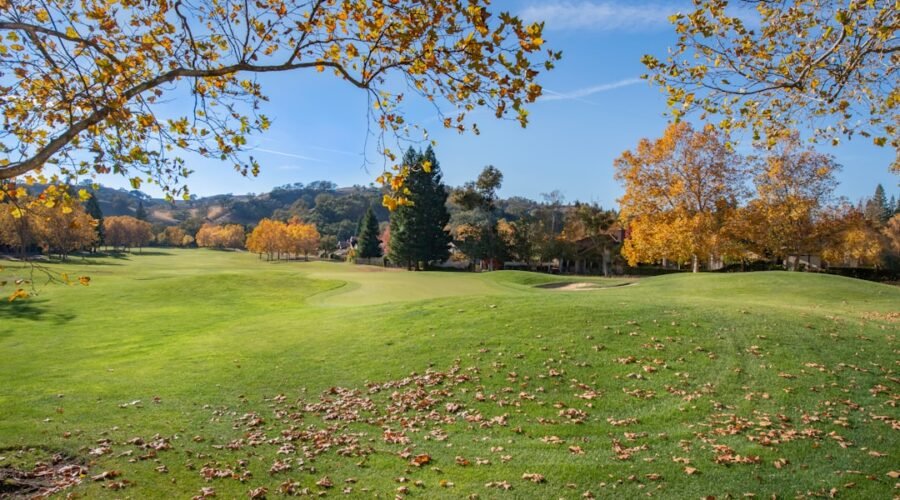
Autumn in Göle offers a different kind of beauty, characterized by stunning fall foliage and a crisp, cooling air. It’s a more tranquil period compared to summer, with its own unique charm.

The Colorful Transformation: September to November

September still holds on to summer’s warmth, with average temperatures around 10°C to 20°C. As you move into October and November, the temperatures cool down significantly, with averages dropping to 5°C to 10°C in October and nearing freezing in November. This is when the leaves change, creating a spectacular display of reds, oranges, and yellows across the landscape. Rainfall starts to increase as the season progresses.

What to Expect in Autumn

  • Changing Leaves: The primary draw of autumn is the breathtaking fall foliage. The hills and valleys transform into a canvas of vibrant colors.
  • Cooler Temperatures: Bring layers. Mornings and evenings will be noticeably cooler, and you’ll need a warm jacket.
  • Increasing Rainfall: Be prepared for rain, especially as you move closer to November.
  • Shorter Days: Daylight hours shorten, so plan your outdoor activities accordingly.

Activities in Autumn

  • Autumn Foliage Photography: The fall colors provide an unparalleled backdrop for photography.
  • Hiking and Nature Walks: The crisp air is perfect for brisk walks. The changing leaves add a magical quality to the trails.
  • Enjoying Local Harvests: Autumn is harvest season, so you might find seasonal fruits and vegetables at markets.
  • Quicker Pace of Life: As the tourist season winds down, the pace of life in Göle becomes even more relaxed.

Autumn Crowds and Costs

  • Crowds: Autumn is a shoulder season, meaning fewer crowds than in summer. September can still be moderately busy, especially with those who prefer cooler weather for outdoor activities. As October and November approach, the crowds thin out considerably.
  • Costs: Prices tend to decrease from their summer highs. You can often find good deals on accommodation and potentially flights in October and November, making it a good option for budget-conscious travelers looking for natural beauty without the peak season bustle.

Weather Considerations: Beyond the Seasons

When planning your trip to Göle, it’s good to think about weather in a bit more detail than just the season. The specific conditions can vary year to year, and even within a month.

Precipitation Patterns

  • Winter: Dominated by snow. Heavy, consistent snowfall is the norm.
  • Spring: Mix of melting snow and rain. Can be quite wet as the ground thaws.
  • Summer: Generally drier, but thunderstorms can occur, especially in the late afternoon.
  • Autumn: Increasing rainfall, sometimes turning to early snow in late October or November.

Wind Factors

Göle can experience windy conditions, especially in exposed areas or at higher elevations. This is particularly true during autumn and winter when winds can make the already cold temperatures feel even more biting. Spring winds can also be strong as the season changes. In summer, winds are usually milder. Be prepared with windproof layers.

Daylight Hours and Planning

  • Summer: Longest days, giving you the most time for activities. Think 14-16 hours of daylight.
  • Winter: Shortest days. Expect only 8-10 hours of daylight, so plan your outdoor excursions carefully.
  • Spring & Autumn: Transitional daylight hours, gradually increasing or decreasing.

Crowd Dynamics: When to Seek Solitude

If you’re someone who prefers to explore without the hustle and bustle, understanding crowd patterns is crucial.

Peak Tourist Season

  • Summer (July-August): This is when Göle experiences its highest influx of tourists, both domestic and international. Expect more people at any attractions and a livelier atmosphere in town.

Shoulder Seasons: The Sweet Spot for Many

  • Late Spring (May-June): As the weather warms and nature blooms, visitor numbers begin to increase, but it’s usually not overwhelmingly crowded.
  • Early Autumn (September): The fall colors attract visitors who enjoy cooler weather and stunning scenery. September is likely the busiest month in autumn.

Off-Peak (Low Season)

  • Winter (December-March): With its cold temperatures and heavy snow, winter is Göle’s quietest season, especially for international travelers. Local visitors might appear for New Year’s or school holidays, but it’s generally serene.
  • Late Autumn (October-November): As the weather cools and the landscape becomes more muted (before the full snow sets in), visitor numbers drop significantly.

Cost Considerations: Budget-Friendly Travel

Your travel budget will definitely be influenced by when you choose to visit Göle.

Peak Season Pricing (Summer)

  • Accommodation: Hotels, guesthouses, and any other forms of lodging will likely be at their most expensive.
  • Flights: Airfare to and from nearby airports (like Erzurum or Kars) can also be higher during summer months.
  • Tours/Activities: Prices for any guided tours or organized activities might be slightly inflated due to higher demand.

Shoulder Season Value (Spring & Autumn)

  • Accommodation: You’ll generally find more competitive prices for lodging during these periods. This is a great time to get good value for your money.
  • Flights: Airfare can be more affordable than in peak summer, especially if you book in advance.
  • Flexibility: More flexibility in booking and potentially better last-minute deals.

Off-Peak Savings (Winter)

  • Accommodation: This is typically the most budget-friendly time to visit. You can find significant discounts on hotels and guesthouses.
  • Flights: Flight prices can be very low during the winter months, particularly outside of holiday periods.
  • Potential Trade-offs: While you save money, you’re trading it for colder weather and potentially fewer operational activities that might be weather-dependent.

Making Your Choice: Matching Your Preferences to the Season

Ultimately, the “best” time to visit Göle is highly personal. Consider what aspects of your trip are most important to you.

For the Snow Enthusiast and Budget Traveler

If you love winter landscapes, don’t mind extreme cold, and want to save money, winter (December-February) is your time. You’ll experience the most dramatic scenery and the fewest crowds, with the lowest costs. Just be prepared for serious winter conditions.

For Pleasant Exploration and Natural Beauty

If you prioritize comfortable weather for hiking, sightseeing, and enjoying the vibrant countryside, summer (June-August) is ideal. You’ll have the best chance of clear skies and long days for outdoor activities. The trade-off is higher prices and more people.

For a Balance of Beauty and Affordability

If you seek stunning scenery without the peak summer crowds or prices, late spring (May-June) or early autumn (September) are excellent choices. You’ll experience blooming nature or vibrant fall colors, respectively, with more manageable visitor numbers and moderate costs.

For Tranquility and Autumn Colors

If you’re drawn to the crisp air, fewer crowds, and the spectacular display of fall foliage, October offers a beautiful window before winter fully sets in. Prices will be lower, and the atmosphere will be serene.

By weighing these factors – the weather, the atmosphere regarding crowds, and the impact on your budget – you can confidently choose the perfect time for your adventure in Göle.

FAQs

1. What is the best time to visit Göle, Ardahan in terms of weather?

The best time to visit Göle, Ardahan is during the summer months of June to August when the weather is warm and pleasant, with average temperatures ranging from 15°C to 25°C.

2. When is the peak tourist season in Göle, Ardahan?

The peak tourist season in Göle, Ardahan is during the summer months of June to August when the weather is most favorable for outdoor activities and sightseeing.

3. When is the off-peak season in Göle, Ardahan?

The off-peak season in Göle, Ardahan is during the winter months of December to February when the weather is cold and snowy, making it less popular for tourists.

4. What are the crowds like in Göle, Ardahan during the peak tourist season?

During the peak tourist season in Göle, Ardahan, the crowds can be quite large, especially at popular attractions and accommodations. It is advisable to book accommodations and plan activities in advance during this time.

5. How does the cost of visiting Göle, Ardahan vary throughout the year?

The cost of visiting Göle, Ardahan is generally higher during the peak tourist season, especially for accommodations and activities. During the off-peak season, prices may be lower and there may be more availability for accommodations and tours.

N
Travel Writer
Nolan Ridgeway is a destination planning writer at Lele Tours. He specializes in helping readers discover the best time to visit cities, states, countries, beaches, national parks, and seasonal attractions. His guides explain how weather, crowds, prices, local events, and seasonal activities can affect a trip. Nolan helps travelers compare different months and choose a suitable time based on their destination, budget, and preferred experiences. He writes about topics such as the best time to visit, the cheapest months to travel, peak and off-season travel, seasonal weather, festivals, and places worth visiting during each part of the year. Nolan’s goal is to help readers choose where to travel and when to go so they can plan more comfortable, enjoyable, and well-prepared trips.

Leave a Comment

Your email address will not be published. Required fields are marked *