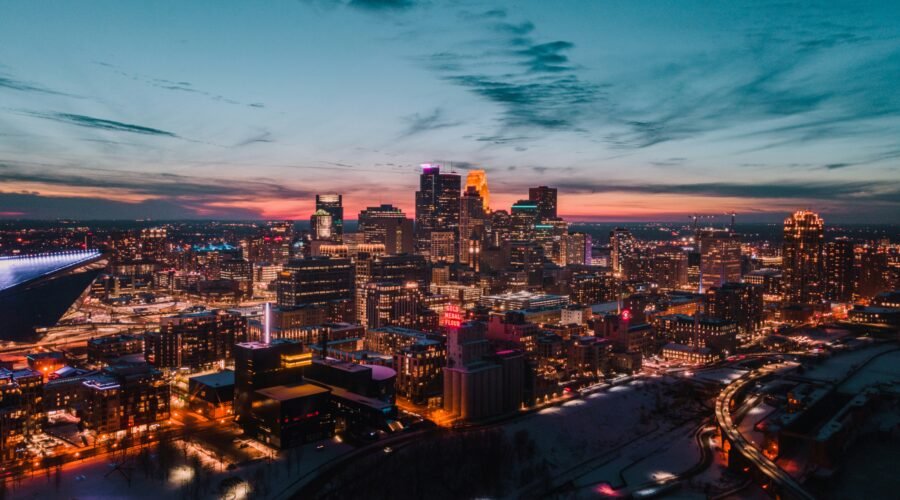
So, you’re thinking of visiting Minneapolis? The best time depends on the trip you want. For the strongest balance of comfortable weather, outdoor activities, and manageable crowds, late May through June and September through early October are excellent choices. July and August are better if lake days, festivals, baseball, and long summer evenings matter most. Winter is much colder, but it can work well for snow activities, indoor attractions, and travelers who prefer a quieter city.
Quick Answer
For the best balance of comfortable weather, manageable crowds, and outdoor access, visit Minneapolis from late May through June or from September through early October. July and August are best for lake life and major events but can be warmer and busier. January and February suit winter activities and typically quieter leisure travel.
Key Takeaways
- Best overall: Late May through June and September through early October.
- Best for lakes and summer events: July and August.
- Best for fall color: Late September into October, although peak foliage timing varies each year.
- Best for a quieter winter trip: January and February if you are prepared for serious cold, snow, and ice.
- Big-event warning: Hotel demand, traffic, and crowds can jump around festivals, concerts, major games, and the Minnesota State Fair.
1. Best Time to Visit Minneapolis by Season
Minneapolis experiences four distinct seasons. NOAA’s 1991–2020 climate normals for Minneapolis–St. Paul Airport show just how wide the temperature range is, from a normal January high near 24°F to a July high near 83°F. You can review the official NOAA U.S. Climate Normals when comparing typical conditions.
1.1 Spring (April–June): Rebirth and Fresh Air
Spring is a transition season in Minneapolis. April can still feel wintry, while May becomes much more comfortable. By June, the city is usually warm enough for long days outside.
- April weather: Normal temperatures are about 57°F for the daily high and 38°F for the low. Snow can still occur.
- May weather: Normal temperatures rise to about 69°F during the day and 50°F at night.
- June weather: Normal temperatures are about 79°F for the high and 60°F for the low. Warm, humid periods and thunderstorms become more common as summer approaches.
- Crowds: April is often quieter, while May and June become more active as outdoor events and warm-weather activities return.
- Costs: Prices vary by event calendar and booking demand. Late spring can provide a better balance than a major summer-event weekend.
- Things to do: Visit farmers markets, walk or bike park trails, explore Minnehaha Park, enjoy patio dining, and take a neighborhood or riverfront walking tour.
Best spring choice: Late May through June is one of the easiest periods for first-time visitors because you can enjoy parks and lakes without the deepest summer heat.
1.2 Summer (July–August): Sun, Lakes and Major Events
Summer brings the fullest warm-weather version of Minneapolis. Lakes, trails, patios, festivals, concerts, and professional sports create a lively atmosphere, but major weekends can also bring more traffic and hotel demand.
- July weather: NOAA’s normal daily high is about 83°F, with a normal low near 65°F.
- August weather: Normal temperatures are about 81°F during the day and 63°F at night.
- Humidity and storms: Warm, humid stretches occur, and thunderstorms can interrupt outdoor plans.
- Crowds: Popular parks, lake areas, festivals, sports venues, and event districts can be busy, especially on weekends.
- Costs: Flights and hotels are demand-priced, so major event weekends can cost substantially more than quieter dates.
- Things to do: Canoe, kayak, paddleboard, bike around the lakes, attend outdoor music events, see a Twins game at Target Field, walk the Stone Arch Bridge, and explore patios and breweries.
The Minnesota State Fair is another important late-summer factor. It takes place in neighboring Saint Paul but affects traffic and accommodation demand across the Twin Cities. In 2026, the Minnesota State Fair runs from August 27 through Labor Day, September 7.
1.3 Fall (September–November): Crisp Air and Changing Leaves
Early fall is one of the strongest times to visit Minneapolis. Humidity usually eases, days become more comfortable, and changing leaves add color to parks and riverfront areas.
- September weather: Normal temperatures are about 73°F for the daily high and 54°F for the low.
- October weather: Normal temperatures are about 58°F during the day and 41°F at night.
- November weather: Normal temperatures drop to about 42°F for the high and 28°F for the low. Snow becomes increasingly possible.
- Crowds: September can remain active, while visitor activity generally eases as temperatures fall.
- Costs: Pricing depends more on individual event dates than on a simple seasonal rule, but late fall can have softer leisure demand outside holidays.
- Things to do: Walk along the Mississippi River, explore fall foliage, visit breweries and coffee shops, take an apple-picking day trip, and enjoy outdoor dining while temperatures allow.
Best fall choice: September through early October gives you the best chance of comfortable walking weather. Foliage timing changes from year to year, so check current color reports if leaves are a major reason for your trip.
1.4 Winter (December–March): Cold, Snowy and Distinctly Minneapolis
Winter in Minneapolis requires more preparation, but it also gives the city a completely different personality. Snow activities, skating, indoor museums, warm restaurants, and Twin Cities winter events can make the season rewarding if you dress correctly.
- December weather: Normal temperatures are about 29°F for the high and 15°F for the low.
- January weather: Normal temperatures are about 24°F during the day and 9°F at night. Much colder outbreaks, including below-zero temperatures, can still occur.
- February weather: Normal temperatures are about 29°F for the high and 13°F for the low.
- March weather: Normal temperatures rise to about 42°F during the day and 25°F at night, but snow and icy conditions can continue.
- Crowds: Leisure attractions can feel quieter outside holiday weekends, major sports events, conferences, and winter festivals.
- Costs: Winter can offer better-value dates, but holidays and major events can still raise rates sharply.
- Things to do: Ice skate where conditions and facilities permit, cross-country ski, snowshoe, visit museums, explore restaurants, shop at Mall of America in nearby Bloomington, and consider seasonal events such as the Saint Paul Winter Carnival.
NOAA’s 1991–2020 normal annual snowfall at Minneapolis–St. Paul Airport is about 51.2 inches, so winter weather should be treated as a core part of trip planning rather than an occasional inconvenience.
Warning: Winter storms, dangerous wind chills, icy sidewalks, and summer thunderstorms can affect driving, flights, outdoor attractions, and transit. Climate averages describe typical conditions, not the forecast for your travel dates. Check the current forecast and transportation alerts before heading out.
For site-wide information about commercial relationships and disclosures, see the Lele Tours affiliate disclosure.
2. Navigating Crowds: When Minneapolis Is Busy and When It Is Quieter
Minneapolis does not experience the same year-round visitor density as some larger tourism cities, but concerts, conventions, sports games, festivals, university events, and summer weekends can temporarily change the feel of individual neighborhoods.
2.1 The Peak Buzz: Summer and Major Events
Late June through August is the most active period for many warm-weather attractions. Expect more activity at:
- Lakes: Bde Maka Ska, Lake Harriet, Lake Nokomis, and Lake of the Isles attract walkers, runners, cyclists, beach visitors, and people using the water.
- Outdoor festivals: Minneapolis has numerous summer art, music, food, and neighborhood events. Aquatennial is one of the city’s best-known July celebrations, but dates and programming should be checked for your specific year.
- Baseball games: Target Field and the surrounding downtown area become especially lively before and after Minnesota Twins games.
- University areas: The University of Minnesota area can become busy around campus events, move-in periods, graduations, and major sports games.
- Mall of America: This major regional attraction is in Bloomington rather than Minneapolis proper. School breaks, holidays, and special events can make it busier.
- Minnesota State Fair: The fairgrounds are in Saint Paul, but the event can increase traffic and accommodation demand across the wider metro area.
2.2 Moderate Flow: Late Spring and Early Fall
These shoulder-season periods are often the sweet spot for visitors who want comfortable outdoor conditions without centering their trip on peak-summer events.
- May and June: Activity rises as warm weather returns. Event weekends can still be busy, so compare your dates with concert, sports, convention, and festival calendars.
- September and early October: Warm days can continue into September, while October brings cooler walking weather and fall color. General outdoor activity usually eases as the season progresses.
2.3 Quieter Periods: Late Fall and Deep Winter
If you prefer a quieter leisure trip, late fall and midwinter can work well, especially outside Thanksgiving, Christmas, New Year’s, major sporting events, and large conventions.
- November: The period between major events and holiday travel can feel quieter, although cold weather becomes a bigger factor.
- January and February: Cold weather reduces some outdoor sightseeing demand, but winter events and sports can still produce busy dates.
Pro Tip: Check the local event calendar before booking a hotel. One major concert, Vikings game, convention, festival, or State Fair weekend can matter more to your price and crowd experience than the month itself.
3. What to Budget for a Minneapolis Trip

Minneapolis can work for budget, mid-range, and higher-end trips, but exact travel costs change constantly. Hotel rates, flights, rental cars, and event tickets should be treated as live prices rather than fixed seasonal averages.
3.1 Accommodation: Budget, Mid-Range and Luxury Options
Hotel prices change according to location, event demand, weekday versus weekend travel, and how early you book.
- Budget: Economy hotels, hostels, and properties outside the downtown core may reduce the nightly rate. Compare the savings against transportation and parking costs.
- Mid-range: Major hotel chains and independent properties are available downtown and in several surrounding neighborhoods.
- Luxury: Downtown Minneapolis has upscale full-service and boutique hotels, but event weekends can create large price swings.
Cost-saving tips:
- Book early for major events: Summer festivals, large concerts, conventions, and State Fair dates can increase demand.
- Compare areas outside downtown: A property near frequent transit may offer better overall value.
- Check the full price: Compare parking, destination fees, breakfast, and cancellation terms instead of looking only at the advertised room rate.
- Recheck refundable reservations: Hotel prices can move in either direction as your travel date approaches.
3.2 Transportation: Getting Around the City
Whether you need a car depends heavily on where you are staying and what you want to see.
- Flights: Airfare changes by origin, season, booking date, and local event demand, so fixed round-trip estimates quickly become outdated.
- Public transit: Metro Transit currently charges adults $2 for local bus and METRO rides, valid for 2½ hours. Express service has separate pricing. Check the current Metro Transit fare page before your trip because fares can change.
- Light rail: The METRO network is useful for downtown travel and connections with Minneapolis–Saint Paul International Airport and other parts of the Twin Cities.
- Ride-sharing: Uber and Lyft are widely used, but prices rise and fall with demand.
- Taxis: Taxis remain an option, particularly around the airport and major transportation hubs.
- Car rental: A car can make sense for suburban destinations, regional day trips, or multi-stop itineraries that are awkward by transit. Remember to include parking in the total cost.
- Biking: Minneapolis is well suited to cycling in warmer months. Nice Ride is no longer the city’s operating bike-share system. The current Minneapolis bike-share program lists Lime and Spin shared e-bikes.
Pro Tip: If most of your plans are downtown, along a light-rail line, or near central neighborhoods, compare the cost of transit and occasional ride-shares before automatically renting a car.
3.3 Food and Drink: From Casual Eats to Fine Dining
Minneapolis has food options across a wide range of budgets. Instead of relying on fixed meal-price bands that can age quickly, plan around the type of restaurant you prefer.
- Budget-friendly: Food trucks, casual cafes, fast-casual restaurants, neighborhood bakeries, grocery-store delis, and many restaurants along Eat Street can help control costs.
- Mid-range: Sit-down restaurants, gastropubs, breweries, and neighborhood restaurants cover a large part of the local dining scene.
- Higher-end: Tasting menus, chef-driven restaurants, steakhouses, and premium dining experiences will take a larger share of your trip budget.
Cost-saving tips:
- Happy hour: Check restaurant schedules for discounted food or drink periods.
- Breweries: Local taprooms can provide a relaxed way to try regional beer without planning a full restaurant meal.
- Farmers markets: Pick up fruit, baked goods, snacks, or simple picnic food when markets are in season.
- Pack snacks: Carrying water and a few snacks can reduce impulse purchases during long sightseeing days.
3.4 Activities and Entertainment
Some of the city’s strongest attractions cost little or nothing, while sports, concerts, theater, and special exhibitions can vary widely in price.
- Free outdoor options: Parks, many walking and biking trails, the Chain of Lakes, Stone Arch Bridge, and the Minneapolis Sculpture Garden.
- Free museum option: General admission to the permanent collection at the Minneapolis Institute of Art is free, although some special exhibitions and events require tickets.
- Paid cultural activities: Theater, concerts, special museum exhibitions, tours, and other ticketed experiences vary by production and date.
- Professional sports: Twins, Vikings, Timberwolves, Lynx, Wild, and other sporting-event prices depend heavily on the opponent, seat, and demand.
- Premium experiences: Major concerts, premium sports seating, longer guided tours, and fine dining can quickly increase the daily budget.
4. Packing Smart for Minneapolis: Essential Gear for Every Season

Being prepared for Minneapolis weather can make a major difference to your trip. Conditions can change quickly, especially during spring, fall, and winter.
4.1 Spring and Fall: Layers Are Your Friend
These shoulder seasons can produce large temperature changes between morning, afternoon, and evening.
- Rule of thumb: Dress in layers that you can add or remove.
- Essentials: A light jacket or fleece, waterproof or wind-resistant outer layer, comfortable walking shoes, compact umbrella, sunglasses, and a hat.
- Colder dates: Early spring and late fall may require a warmer sweater, insulated jacket, light gloves, or scarf.
4.2 Summer: Stay Cool and Protected
Summer can be warm and humid, while thunderstorms can create sudden changes in outdoor plans.
- Essentials: Lightweight clothing, shorts, T-shirts, comfortable walking shoes, swimsuit, sunscreen, insect repellent, sunglasses, and a hat.
- Also pack: A light layer for air-conditioned buildings or cooler evenings and a compact rain layer for showers and storms.
4.3 Winter: Prepare for Serious Cold
This is the season when the right clothing matters most. A short outdoor walk can become uncomfortable quickly when wind and low temperatures combine.
- Warm winter coat: Choose an insulated coat that blocks wind and handles snow.
- Layers: Use a moisture-managing base layer, insulating middle layer, and protective outer layer.
- Waterproof insulated boots: Good traction matters on snow and ice.
- Hat, gloves or mittens, and scarf: Keep exposed skin protected during cold periods.
- Useful extras: Wool or synthetic socks, hand warmers, moisturizer, and lip balm.
For broader information about the site’s limitations and policies, see the Lele Tours disclaimer.
5. Month-by-Month Guide and Local Tips
5.1 Minneapolis Month-by-Month Snapshot
| Month | Typical Weather | Crowds | Cost Pressure |
|---|---|---|---|
| January | Very cold and snowy | Usually lower for leisure travel | Often lower outside events |
| February | Very cold; winter conditions continue | Usually lower | Often lower outside events |
| March | Cold and highly variable | Low to moderate | Variable |
| April | Cool and changeable; snow still possible | Low to moderate | Moderate |
| May | Mild and warming | Moderate | Moderate |
| June | Warm with long daylight hours | Moderate to high | Moderate to high around events |
| July | Warm and humid | High around attractions and events | Often higher |
| August | Warm and humid | High, especially around major events | Often higher |
| September | Mild and pleasant | Moderate | Moderate |
| October | Cool and crisp | Low to moderate | Moderate |
| November | Cold; snow becomes more likely | Usually lower outside holidays | Often lower outside holidays |
| December | Cold and snowy | Variable around holiday events | Variable around holidays |
To make your Minneapolis visit more memorable, consider these local planning tips.
5.2 Use the Downtown Skyway System Carefully
The Minneapolis Skyway System is an interconnected network of enclosed pedestrian bridges linking many downtown buildings, offices, shops, restaurants, and other spaces. It can be extremely useful during cold, snowy, rainy, or windy weather.
Note: Do not assume every Skyway connection will be open late at night or throughout the weekend. Building access and practical routing can vary, so confirm your route and posted hours before relying on it.
5.3 Take Advantage of the Lakes and Parks
Minneapolis is closely identified with its lakes and park system, so do more than simply drive past them. Walk, run, cycle, paddle, or spend time along the shoreline when conditions allow.
The official Minneapolis Chain of Lakes Regional Park includes Bde Maka Ska, Lake Harriet, Lake of the Isles, Cedar Lake, Brownie Lake, and connecting trails. Minnehaha Park and its waterfall are also popular stops.
5.4 Explore the Neighborhoods
Downtown has major attractions, but Minneapolis becomes more interesting when you explore its individual neighborhoods and districts.
- Northeast Minneapolis: Known for breweries, studios, galleries, restaurants, and independent businesses.
- Uptown and the lake district: Useful for visitors who want restaurants and shops within easy reach of Bde Maka Ska and nearby trails.
- Eat Street on Nicollet Avenue: A strong choice for exploring a wide range of restaurants and cuisines.
- North Loop: A former warehouse district now known for restaurants, shops, bars, hotels, and easy access to downtown attractions.
5.5 Check the Local Event Calendar
Minneapolis has concerts, sports, farmers markets, art fairs, festivals, conventions, and neighborhood events throughout the year. Check official tourism, city, venue, and event websites shortly before your trip rather than relying on an old annual-event list.
This is particularly important for events such as Aquatennial and holiday programming such as Holidazzle, because organizers, locations, dates, and formats can change from year to year.
5.6 Don’t Forget Saint Paul
Minneapolis and Saint Paul form the Twin Cities, and many visitors combine them in the same trip. Saint Paul offers attractions such as Summit Avenue, the Cathedral of Saint Paul, the Science Museum of Minnesota, Xcel Energy Center, museums, restaurants, and seasonal events. The METRO Green Line connects the downtowns, while driving and ride-sharing are also options.
6. Best Time to Visit Minneapolis for Different Trip Goals
- Best overall weather: Late May through June and September through early October.
- Best for lake activities: July and August, when warm temperatures make paddling, beaches, patios, and long outdoor days easier.
- Best for summer festivals and big events: July through Labor Day, with individual dates depending on the annual event calendar.
- Best for fall foliage: Late September into October, although peak color can shift based on weather conditions.
- Best for fewer leisure crowds: January and February outside major events, if you are comfortable with cold and snow.
- Best for winter activities: January and February usually provide the strongest chance of sustained winter conditions.
- Best for a first visit without peak heat: June or September.
- Best for indoor-focused travel: Winter can work well if your plans center on museums, restaurants, shopping, shows, and sports rather than outdoor sightseeing.
7. Planning Around Minneapolis Weather
Weather is one of the biggest variables in a Minneapolis itinerary. Spring and fall can shift rapidly between warm and cold conditions. Summer thunderstorms can interrupt outdoor plans, while winter snow, ice, and extreme cold can affect flights, roads, sidewalks, and attraction schedules.
Keep at least one flexible indoor option in your itinerary. Museums, shopping, restaurants, breweries, theaters, and other indoor attractions make it easier to adjust when conditions change.
Note: Monthly averages are useful for choosing a season, but they cannot predict the weather on your travel dates. Check the current forecast shortly before departure and again each morning when severe weather or winter conditions are possible.
By matching the season to your priorities, you can plan a Minneapolis trip that fits your preferred weather, activities, budget, and tolerance for crowds. Warm-weather travelers will usually be happiest from late May through early October, while winter visitors get a colder but distinctly different Twin Cities experience.
Frequently Asked Questions
1. What is the best time of year to visit Minneapolis, Minnesota?
Late May through June and September through early October offer the best overall balance of comfortable temperatures, outdoor access, and manageable crowds. Choose July or August instead if lake activities and major summer events are your main priorities.
2. What is the weather like in Minneapolis throughout the year?
Minneapolis has cold, snowy winters and warm, sometimes humid summers. Spring and fall are transition seasons with larger temperature swings. NOAA’s 1991–2020 normals range from a January high near 24°F to a July high near 83°F.
3. When are the busiest tourist periods in Minneapolis?
Summer weekends are active because of lake use, festivals, sports, concerts, and warm-weather travel. Individual major events can create bigger short-term crowd increases than the season itself, so always check the calendar for your exact dates.
4. When is Minneapolis usually cheaper to visit?
Winter and late fall can have lower leisure demand outside holidays and major events, but there is no guaranteed cheapest month. Flights and hotels use dynamic pricing, so compare your exact dates and check whether a convention, game, festival, or concert is affecting demand.
5. What events should I consider when planning a Minneapolis trip?
Major considerations include the Minnesota State Fair in late summer, Minneapolis Aquatennial programming in summer, professional sports, large concerts, conventions, neighborhood festivals, and holiday events. Programs such as Holidazzle can change format or organizers, so verify current dates before booking around a specific event.
6. Is Minneapolis worth visiting in winter?
Yes, if you are prepared for the weather. Winter works well for museums, restaurants, sporting events, shopping, skating, cross-country skiing, snow activities, and Twin Cities winter festivals. Pack insulated clothing and allow extra travel time when snow or ice is in the forecast.
7. Do I need a car when visiting Minneapolis?
Not necessarily. If you stay downtown or near frequent transit and focus on central attractions, you can combine buses, light rail, walking, shared e-bikes, and ride-sharing. A rental car becomes more useful for suburban destinations, regional day trips, or an itinerary with many stops outside the core transit network.
Sources
- NOAA National Centers for Environmental Information — U.S. Climate Normals — backs up normal temperatures, snowfall, and seasonal climate comparisons.
- Metro Transit — Fares — backs up current local bus, METRO, and express transit fare information.
- City of Minneapolis — Bicycle Share — backs up the current shared e-bike program and providers.
- Minneapolis Park & Recreation Board — Chain of Lakes Regional Park — backs up lake, park, and trail information.
- Minnesota State Fair — backs up current fair dates and event information.
- Minneapolis Institute of Art — Visitor Information — backs up free general admission and visitor details.