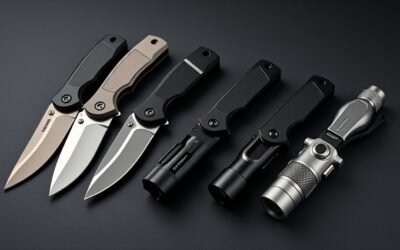
Heli-skiing pushes you into remote terrain where decisions and equipment can be the difference between a great day and a life-threatening situation. You need gear that prioritizes safety, reliability, and packability while matching the performance demands of steep Alaska lines. This guide distills the tools Alaskan guides choose most often so you can pick equipment that maximizes your margin for error, travels cleanly with heli operations, and keeps you focused on the mountain rather than your kit.
Top Picks
|
Category |
Product |
Score |
|---|---|---|
|
🚀 Best Airbag Innovation |
97/100 |
|
|
🎯 Best Smart Beacon |
92/100 |
|
|
💼 Most User-Friendly Beacon |
89/100 |
How We Chose
You want gear that performs when failure is not an option, so we prioritized avalanche mitigation, intuitive operation, and field serviceability. Safety features such as reliable deployment systems and triple-antenna reception took precedence, followed by real-world ergonomics including weight distribution, harness comfort, and how the product carries with skis or a splitboard. We also considered travel and heli requirements like rechargeable versus replaceable power sources, Bluetooth or firmware update ability for long-term compatibility, and proven durability in cold, wet environments.
Finally, we evaluated value in the context of backcountry risk reduction so you can weigh cost against lifesaving function.
Jetforce Pro
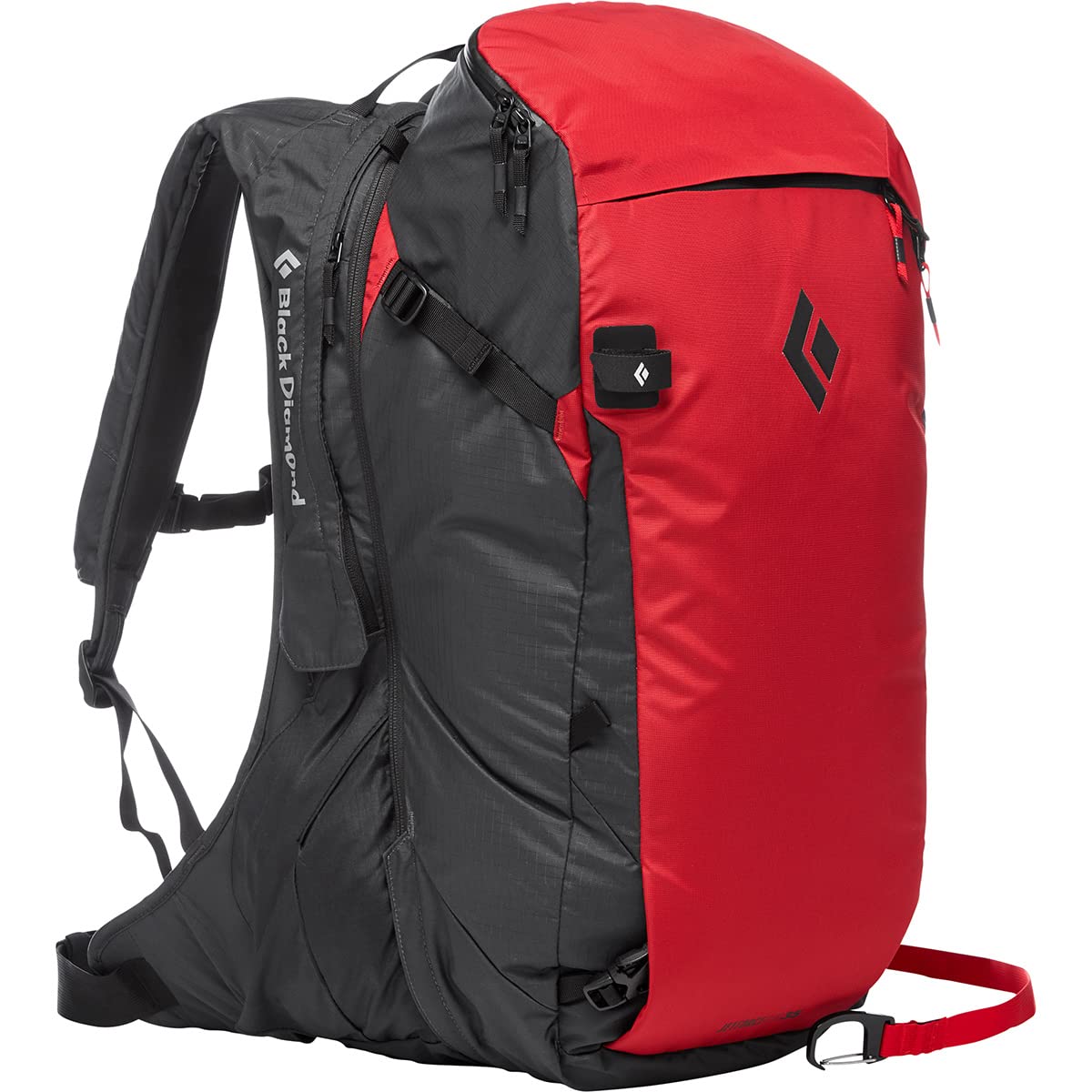
You get a modern, travel-friendly avalanche airbag that was designed to be used on serious days in big terrain. The Jetforce Pro puts the fan-based JetForce system into a lower, lower-profile chassis so the pack carries better when you’re skinning or loading into a helicopter.
It’s rechargeable, so you won’t be hauling spare gas canisters through airports, and Bluetooth lets you keep firmware current and tweak settings from your phone. With a dedicated avy-tool pocket, modular booster options and tuck-away ski attachments, it works as a daily touring pack and a go-to for guided heli missions.
What People Say
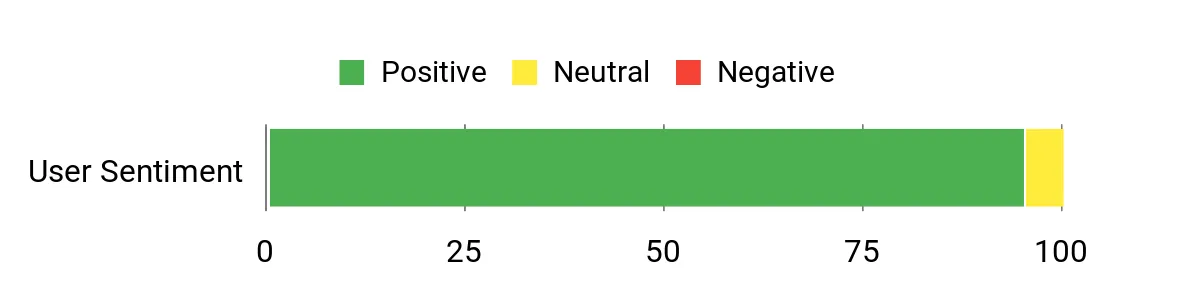
Customers consistently praise the Jetforce Pro for its reliability and the peace of mind it provides. People note the convenience of a rechargeable system that lets you test and use the airbag without swapping canisters, and many highlight how comfortable the lower-profile pack feels while touring. The Bluetooth updates and clear deploy-status lights are also commonly mentioned as thoughtful, practical features.
Overall Sentiment: Positive
|
Pros |
Cons |
|---|---|
|
✅ Multiple deployments and automatic deflation increase survival potential in complex burials |
❌ Heavier than some minimalist daypacks at 2 kg |
|
✅ Rechargeable fan avoids repeated canister purchases and simplifies travel |
❌ Battery maintenance required and occasional firmware updates needed |
|
✅ Low placement improves weight distribution and on-skin comfort |
❌ Higher upfront cost compared with basic canister airbags |
|
✅ Modular booster packs give flexibility for longer missions |
Long-Term Cost Benefits
Choosing a rechargeable system reduces recurring costs from canisters and lowers the hassle of complying with airline gas restrictions. Over several seasons you likely save on consumables and appreciate easier in-field testing.
Return On Investment
The primary ROI is increased safety and reduced logistical friction. If you value reduced weight on travel days, modular adaptability, and a system you can maintain with firmware updates, the Jetforce Pro delivers long-term utility that goes beyond the initial purchase.
Situational Benefits
|
Situation |
How It Helps |
|---|---|
|
Heli-Skiing |
The fast, multiple-deployment fan system and low-profile carry keep you protected in remote avalanche terrain while remaining comfortable during long helicopters and transitions. |
|
Air Travel |
Because the system is rechargeable rather than gas-based, you avoid canister restrictions and can travel with the pack more easily between international and domestic flights. |
|
Backcountry Touring |
The tuck-away ski attachments, avy-tool pocket and balanced load make it easy to skin and move efficiently without the airbag feeling bulky. |
|
Guided Trips |
Bluetooth firmware updates and clear deploy-status lights let guides keep systems current and quickly verify readiness for clients before a drop. |
Versatility
The modular booster packs and splitboard options let you scale volume from a compact 10-liter setup to a full 35-liter expedition rig, so the pack adapts whether you’re doing fast laps or longer multi-day missions.
Durability
Built with nylon outer materials and a soft-shell construction, the pack stands up to abrasion and wet conditions typical of Alaskan operations, though the electronic fan and battery require proper care and storage.
Comfort
Lowering the airbag module improves shoulder and back comfort, and the redesigned hip belt with retractable leg-loop and carabiner attachment helps you fine-tune fit so the pack feels stable during steep skin tracks and helicopter shuffles.
Problem Solving Ability
The Jetforce Pro directly addresses avalanche burial risk with a fan-based airbag that supports multiple deployments and creates an air pocket via automatic deflation, while integrated features like the avy-tool pocket simplify a quick response.
Travel Friendliness
Because the system is rechargeable, it’s easier to travel with than gas-canister airbags. You still need to follow airline rules for batteries, but you avoid the complexity and restrictions that come with carrying compressed gas.
Key Benefits
- Rechargeable, travel-friendly airbag system
- Low-profile design for improved carry and comfort
- Bluetooth firmware updates and customizable settings
- Modular volume options and dedicated avy-tool storage
Rating: 5.0 (total: 2+)
Tracker 3

You want a beacon that feels unobtrusive and performs without drama; the Tracker 3 fits that role. It’s compact and light so you barely notice it on long days, but the interface and bright LEDs give clear direction when you need them. Motion-activated features cut through noise during a search and the harness sits comfortably under a shell or jacket.
Use it for daily backcountry laps, mixed ski-and-guide missions, or as a dedicated snowmobile transceiver when you’re exploring long Alaskan runs.
What People Say
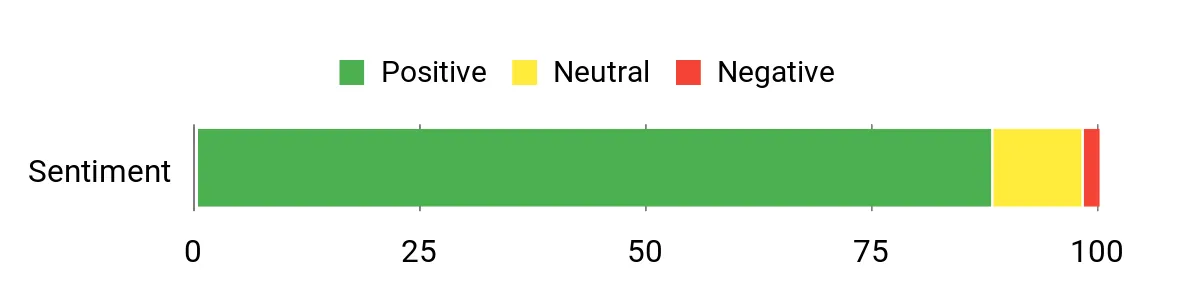
People repeatedly call out how easy the Tracker 3 is to use and how comfortable its harness is for full days in the mountains. Reviewers often highlight the bright display and straightforward directional cues, saying it makes searches feel quicker and less frantic.
Many also appreciate the compact size and how it doesn’t get in the way during active days.
Overall Sentiment: Positive
|
Pros |
Cons |
|---|---|
|
✅ Clear directional feedback and visible LEDs |
❌ Still requires regular practice to operate confidently in real rescues |
|
✅ Motion-activated function helps in dynamic search scenarios |
❌ Battery maintenance is necessary for consistent readiness |
|
✅ Comfortable harness that stays out of the way |
❌ May include features you don’t need for resort-only riders |
|
✅ Lightweight and compact for travel and guide use |
Long-Term Cost Benefits
Strong battery life and durable construction mean fewer unexpected replacements and less upkeep over seasons, so you spend more time skiing and less time managing gear.
Return On Investment
The return is primarily in risk reduction and peace of mind; reliable locating performance and ease of use can shorten rescue times and improve outcomes during an incident.
Situational Benefits
|
Situation |
How It Helps |
|---|---|
|
Backcountry Touring |
You get a lightweight beacon that stays comfortable under layers and provides quick, easy-to-read direction cues during a search. |
|
Snowmobiling |
The compact form and bright LEDs make it easy to keep on while riding and to spot in daylight if you need to switch to receive. |
|
Guided Missions |
Intuitive controls and motion activation reduce the chance of operator error when multiple people need to be checked quickly. |
|
Multi-Day Trips |
Long battery life and a comfortable harness mean you can rely on it across extended outings without frequent swaps. |
Versatility
It works across skiing, splitboarding, and snowmobiling, and its compact size makes it equally at home on short lap days or longer alpine objectives.
Durability
Enclosed in a sturdy plastic case with a reliable harness, it holds up to the regular wear and tear of cold, wet environments when you care for batteries and connections.
Comfort
The harness and low profile mean you rarely notice it during long skin tracks or helicopter transitions, and straps sit comfortably under a shell.
Problem Solving
Designed to simplify rescues, it gives clear, fast guidance during searches and its motion-activated behavior helps filter false signals in chaotic scenes.
Travel Friendly
Small size and a light harness make it easy to pack and carry between trips, though you should manage battery rules for air travel as part of your prep.
Key Benefits
- Motion-activated transmission reduces signal confusion
- Bright LEDs and intuitive display for fast pinpointing
- Lightweight and comfortable harness for all-day wear
- Reliable battery life for extended outings
Rating: 4.5 (total: 139+)
Tracker 2

You want a beacon that removes guesswork when every second counts, and the Tracker 2 delivers predictable, straightforward performance. It uses a fast processor and triple-antenna reception to give accurate search guidance while keeping the interface simple, so you can move from transmit to receive without fumbling.
The compact, comfortable harness is unobtrusive on long days, and the clear display reads well in bright light. Use it for daily backcountry laps, guided objectives, or as a reliable backup for multi-day trips.
What People Say
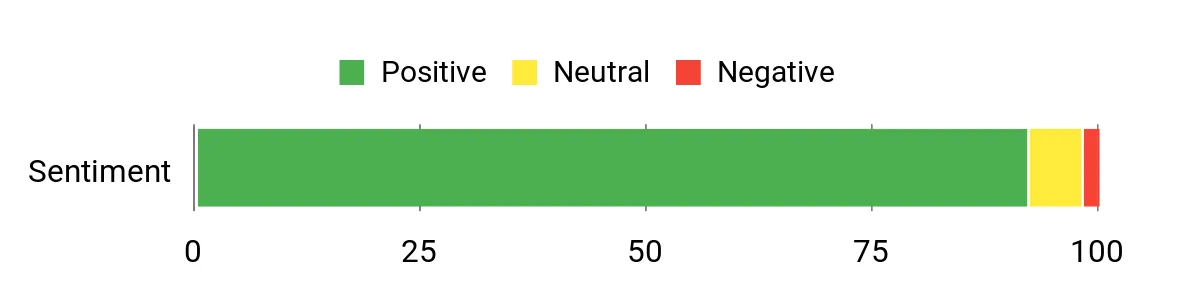
Customers consistently praise how easy the Tracker 2 is to operate and how dependable it feels in the field. Users mention the solid click into receive mode, clear display visibility in daylight, and comfortable straps that you barely notice on long outings. Many appreciate the unit’s simplicity and reliability as a reason to trust it on guided trips and personal missions.
Overall Sentiment: Positive
|
Pros |
Cons |
|---|---|
|
✅ Accurate triple-antenna reception reduces false spikes |
❌ Requires AAA battery changes rather than a rechargeable pack |
|
✅ Intuitive controls minimize operator errors |
❌ Fewer advanced features compared with some newer models |
|
✅ Comfortable harness that sits well under layers |
❌ Still needs regular practice to maintain rescue skills |
|
✅ Durable, easy-to-read display in bright light |
Long-Term Cost Benefits
Using standard AAA batteries and a simple, robust design keeps maintenance predictable and inexpensive over years of use, reducing the need for costly proprietary parts or specialized servicing.
Return On Investment
The investment shows up as reliable, repeatable rescue performance and low upkeep. For most users, the value comes from consistent operation and fewer surprises when you need the device most.
Situational Benefits
|
Situation |
How It Helps |
|---|---|
|
Daily Backcountry Laps |
Lightweight and simple controls let you focus on the terrain while keeping rescue tools ready and unobtrusive. |
|
Guided Trips |
Foolproof switching and a clear display make it easy for guides and clients to confirm device readiness quickly. |
|
Snowmobile Runs |
Compact form and bright LEDs make it easy to wear while riding and to spot if you need to switch to receive. |
|
Multi-Day Objectives |
Simple battery swaps and reliable operation reduce downtime and let you depend on consistent performance across days. |
Versatility
The Tracker 2 handles skiing, splitboarding and snowmobiling equally well; its straightforward feature set makes it suitable for both beginner and experienced users who want a dependable transceiver.
Durability
Built with a sturdy plastic enclosure and a simple mechanical interface, it stands up to the bumps and cold of regular use when you keep batteries and seals maintained.
Comfort
The harness is designed to sit flat and unobtrusive under outer layers, so you rarely notice it during long skin tracks or helicopter transitions.
Problem Solving
By prioritizing clear directional feedback and reliable reception, the Tracker 2 reduces search time and operator confusion, which helps improve outcomes in real-world recoveries.
Travel Friendly
Its compact size makes it easy to pack and carry between trips; battery rules are straightforward, so managing it for air travel is typically simpler than gas-based devices.
Key Benefits
- Triple-antenna accuracy for consistent searches
- Simple, foolproof send/receive switching
- Comfortable harness for all-day wear
- Readable display in bright conditions
Rating: 4.7 (total: 98+)
FAQ
Do I Need a Fan-Based Airbag?
If you spend time in steep, remote terrain or on heli drops, a fan-based airbag like the JetForce Pro gives you a meaningful safety advantage by allowing multiple deployments and creating an air pocket on deflation. You benefit from rechargeable convenience for travel and in-field testing, and the lower-profile placement improves carry during long approaches.
Keep in mind it adds weight and requires battery upkeep, so balance the extra protection against how you travel and how often you’ll actually face avalanche exposure.
How Do I Manage Batteries and Firmware When Traveling?
Treat batteries and firmware as part of your pre-trip checklist: verify battery charge, carry spares for devices that use replaceable cells, and run firmware updates via the manufacturer app before you depart. For rechargeable airbags and beacons, store batteries at manufacturer-recommended charge levels for long-term storage and always pack batteries in carry-on when flying to meet airline rules. Use status lights and built-in self-checks to confirm readiness on day-of, and schedule regular bench tests so the device behaves predictably when you need it.
Which Beacon Should I Choose?
If you want straightforward, proven performance and easy operation pick a triple-antenna unit like the Tracker 2 for minimal fuss and reliable accuracy. If you prefer motion-activation, a compact harness and bright LEDs for mixed use including snowmobiling, the Tracker 3 offers modern conveniences and longer runtime.
Whatever you choose, prioritize a model you will practice with regularly, and make sure it matches how your group operates so everyone understands the same search and rescue procedures.
Customer Preferences
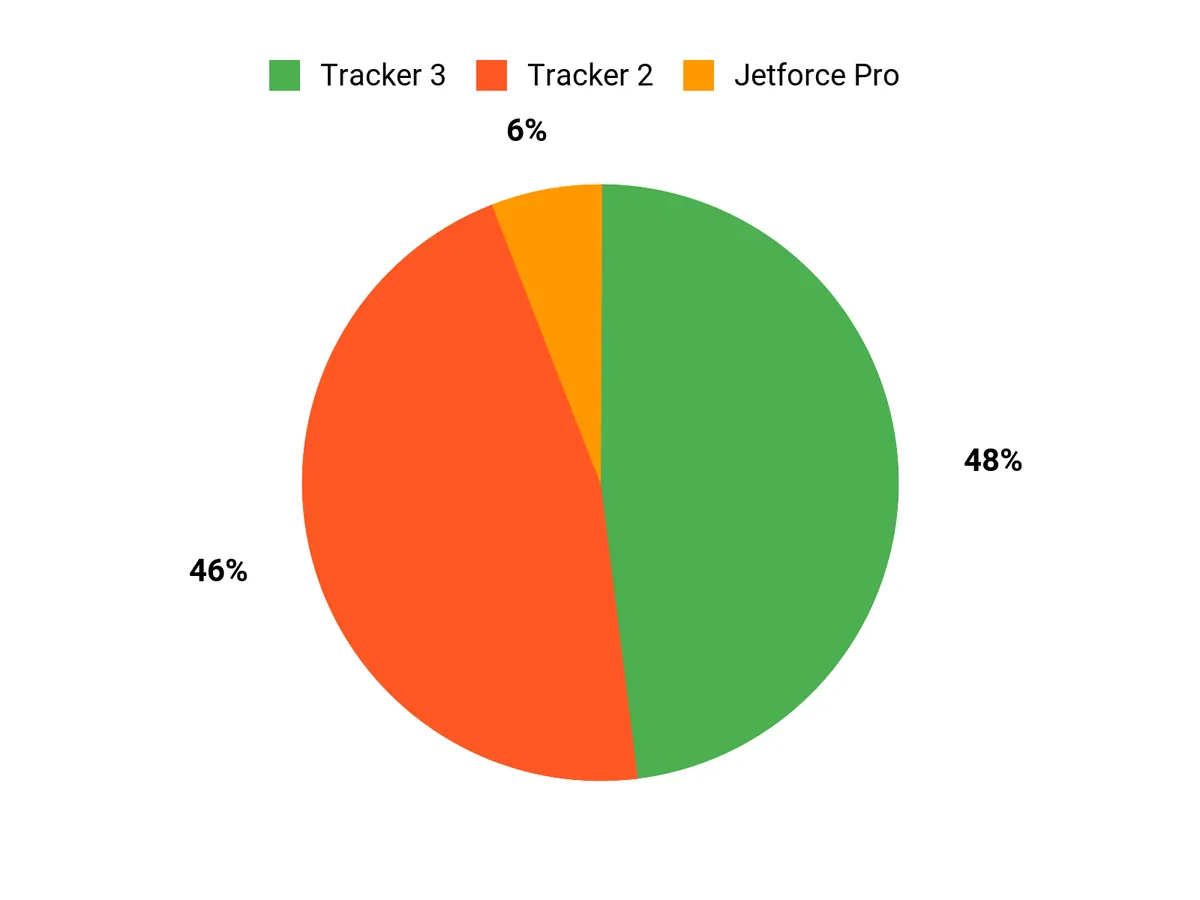
When choosing between these options you prioritize a mix of protection, simplicity, and travel practicality. You’ll lean toward the Jetforce Pro if rechargeable, multiple-deploy airbag protection and firmware updateability matter most, choose the Tracker 3 for a modern, motion-activated beacon with long runtime and a compact harness, and pick the Tracker 2 when you want straightforward triple-antenna accuracy and foolproof controls; whichever you select, practice with it regularly and make sure it fits your typical terrain and group procedures.
Wrapping Up
These picks focus on what matters when you drop into heli terrain: clear, fast avalanche signaling and dependable life-saving systems. The Black Diamond Jetforce stands out if you value a rechargeable, travel-friendly airbag with modern connectivity and a low-profile fit.
The Tracker 3 is for you if you want a contemporary beacon with motion activation, long battery life, and smartphone-compatible features that simplify rescues. The Tracker 2 remains a top choice when simplicity, triple-antenna accuracy, and foolproof operation are your priorities. Choosing any of these will improve your preparedness and give you the best combination of safety and performance that Alaskan guides trust.
| Black Diamond BD681323REDM_L Jetforce Pro 35 Backpack RED M_L | Backcountry Access Tracker 3 Beacon | Backcountry Access Tracker 2 Avalanche Beacon | |
|---|---|---|---|
|
|
|
|
|
| Rating | 5/5 (2 reviews) | 4.5/5 (139 reviews) | 4.7/5 (98 reviews) |
| Weight | 2 kg | 0.22 kg | 0.26 kg |
| Unique Highlights |
|
|
|
| Shop Now | Shop Now | Shop Now |
This Roundup is reader-supported. When you click through links we may earn a referral commission on qualifying purchases.