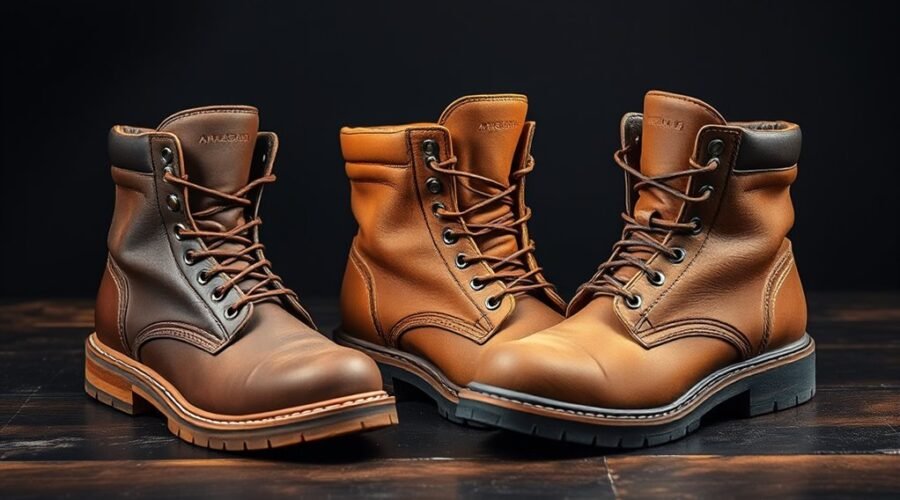
Made-in-the-USA work boots remain a practical choice for workers who value durability, safety, and dependable fit. In 2027, three models stand out for different reasons: one is built for light comfort, another for all-weather protection, and a third leans on rugged insulation. Each brings a distinct balance of materials and craftsmanship, but the real differences become clearer when their features are set side by side.
KEEN Utility Portland 6″ Composite Toe Work Boot
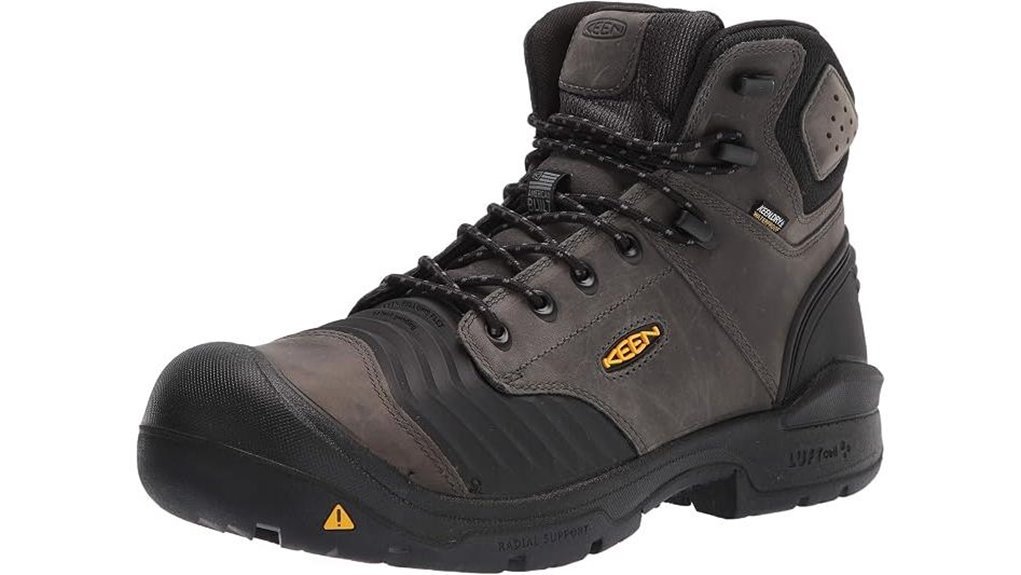
The KEEN Utility Portland 6″ Composite Toe Work Boot stands out for workers who want a lighter, roomier, and more comfortable safety boot without giving up protection. At 27.55 ounces per boot, it uses asymmetrical carbon-fiber toes that are 15% lighter than steel while maintaining a secure, unobtrusive fit. KEEN. BELLOWS FLEX reduces torque during movement, and the wider last improves comfort. Removable insoles allow customization, while CleansportNXT helps control odor. LWG-certified leather supports responsible sourcing, and Project Build reflects KEEN Utility’s community-focused approach through veteran and conservation support.
Best For: Workers who want a lighter, roomier, and more comfortable waterproof safety boot with strong toe protection and responsible-material sourcing.
Pros:
- Composite carbon-fiber toe is lighter than steel while still providing solid protection.
- Wider fit, removable insoles, and KEEN. BELLOWS FLEX improve comfort and movement.
- CleansportNXT odor control and LWG-certified leather add practical and responsible features.
Cons:
- At 27.55 oz per boot, it may still feel heavy compared with non-safety footwear.
- Waterproof work-boot construction may feel less breathable in warm conditions.
- The roomier fit may not suit wearers who prefer a snug, narrow profile.
Danner Rain Forest Waterproof Work Boots for Men
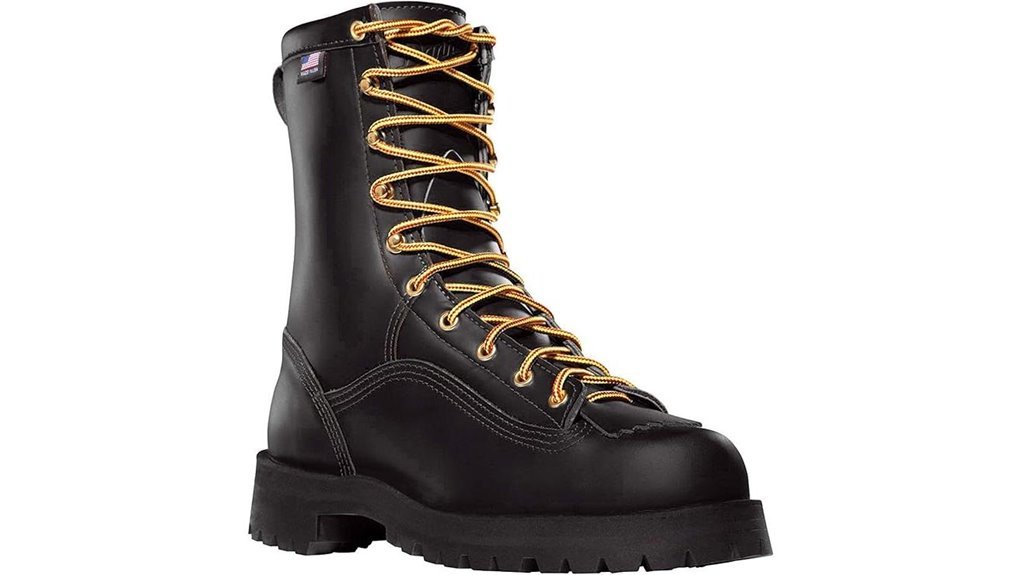
Built for demanding jobs, Danner Rain Forest boots suit workers needing waterproof durability and dependable traction. These 8-inch Made in USA boots use 100% full-grain leather with triple-stitching for lasting strength. Gore-Tex lining blocks water while releasing heat and sweat, and the molded polyurethane Airthotic footbed adds arch support for long shifts. The Vibram 132 Montagna outsole uses deep rubber lugs for wet or dry grip. ASTM F2892-18 EH certification and non-conductive soles improve safety. A round toe, lace-up fit, and recraftable construction extend service life.
Best For: Workers who need durable, waterproof, and safety-rated boots for demanding outdoor or industrial jobs.
Pros:
- Waterproof Gore-Tex lining keeps feet dry while letting heat and sweat escape.
- Slip-resistant Vibram 132 Montagna outsole provides strong traction on wet and dry surfaces.
- Made in USA with full-grain leather, triple-stitching, and recraftable construction for long-term durability.
Cons:
- Premium construction likely comes with a higher price point.
- 8-inch height and rugged build may feel heavy or stiff for some users.
- May require a break-in period before achieving all-day comfort.
Danner Men’s Super Rain Forest 200 Gram Work Boot
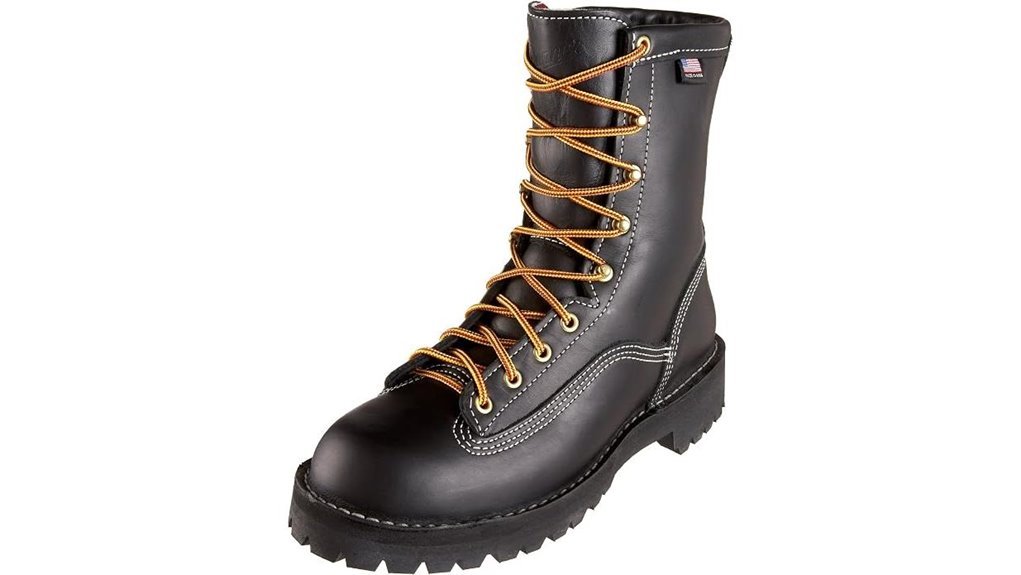
Danner’s Super Rain Forest 200 Gram Work Boot suits workers needing rugged durability with lightweight insulation. Built in the USA, it reflects nearly a century of Danner craftsmanship and a commitment to quality over quantity. Double-thick leather helps it withstand demanding conditions, while stitchdown construction adds a wider, more stable platform underfoot. The 200G Thinsulate lining delivers warmth without excess bulk, supporting all-day wear. Attention to detail remains evident throughout, with each boot shaped by skilled hands and a dedication to lasting performance in the field.
Best For: Workers who need a rugged, USA-made boot with durable construction, stable support, and lightweight warmth for demanding conditions.
Pros:
- Double-thick leather offers excellent durability for tough work environments.
- Stitchdown construction provides a wider, more stable platform underfoot.
- 200G Thinsulate adds warmth without excessive bulk.
Cons:
- The rugged build may feel heavier or stiffer than casual boots.
- Premium craftsmanship and materials can mean a higher price point.
- Heavy-duty insulation may be more than needed in warmer climates.
Factors to Consider When Choosing Made-in-the-USA Work Boots 2026: Durable American-Made Picks
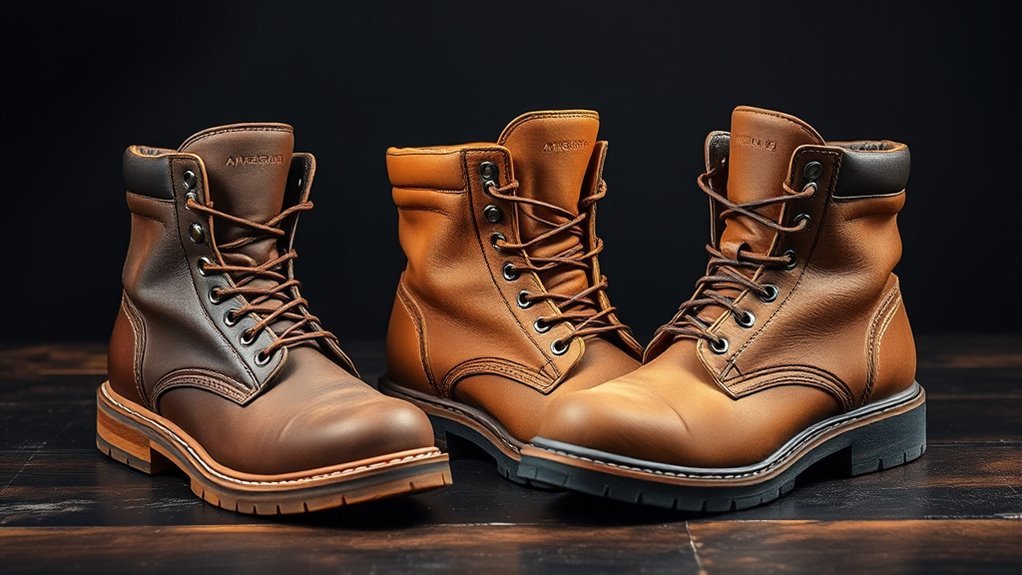
When choosing made-in-the-USA work boots in 2026, durability and material quality remain central, since rugged construction determines how well the boots hold up under heavy use. Safety toe protection, waterproof performance, comfort and fit, and traction with stability also shape how well a pair performs on the job. These factors help narrow the field to American-made boots that balance protection, reliability, and long-term wear.
Durability And Materials
Durability in made-in-the-USA work boots starts with the materials and construction methods that determine how well they hold up under daily abuse. Full-grain leather is often preferred because it resists scuffs, flexes well, and ages without quickly breaking down. Reinforced stitching, especially triple-stitching, adds strength at stress points and helps the boot survive repeated bending and abrasion. Stitchdown construction also matters, since it creates a broader, more stable platform for long hours on demanding terrain. For comfort in changing conditions, insulation such as Thinsulate can provide warmth without excessive weight. Finally, outsole design should not be overlooked; slip-resistant rubber with deep lugs improves traction on wet or dry surfaces and supports dependable wear in varied work environments.
Safety Toe Protection
Safety toe protection is a key factor in made-in-the-USA work boots because it helps guard against heavy impacts and compression, often aligning with ASTM safety standards. Buyers generally compare steel, alloy, and composite toes to match job demands and comfort preferences. Steel toes offer classic, high-strength defense, while alloy versions provide similar protection with less weight. Composite options, including carbon fiber, can further reduce fatigue during long shifts without sacrificing dependable coverage. Asymmetrical toe shapes may improve fit by following the foot’s natural contours, which can support all-day wear. EH ratings also matter in environments where electrical hazards are present, since they signal added protection against shock. Selecting the right toe type depends on the hazards, hours on foot, and required compliance.
Waterproof Performance
Waterproof performance becomes a major consideration once toe protection is sorted, especially for boots worn in rain, mud, snow, or damp shop environments. Effective American-made models usually combine full-grain leather with sealed seams to block moisture and withstand repeated exposure to wet conditions. Breathable waterproof linings, such as Gore-Tex, help vent perspiration while keeping outside water out, which supports dry wear over long shifts. In colder weather, insulation like Thinsulate adds warmth without sacrificing water resistance. Traction also matters: slip-resistant outsoles improve grip on slick concrete, gravel, and oily surfaces, reducing fall risk. The best waterproof boots balance rugged materials, sealed construction, and weather-ready underfoot security for dependable performance.
Comfort And Fit
Comfort and fit often determine whether a work boot feels supportive through a full shift or distracting after a few hours. Wider footwear forms can help reduce pressure points and give the foot more room during long wear, making them a practical choice for many workers. Removable insoles add another layer of control, letting wearers fine-tune cushioning and volume to match foot shape or personal preference. Models with features such as KEEN’s BELLOWS FLEX can also improve comfort by reducing torque during movement. For colder conditions, 200G Thinsulate supplies warmth without making the boot feel bulky. Breathable linings like Gore-Tex help manage heat and sweat, supporting comfort when shifts run long and conditions change.
Traction And Stability
Traction and stability are critical when evaluating made-in-the-USA work boots, especially on wet, uneven, or slick surfaces where slips can quickly become hazards. Strong outsoles help prevent falls by maintaining reliable grip across demanding terrain. Rubber soles, including Vibram designs, are valued for deep lugs and aggressive tread patterns that bite into surfaces and improve control during movement. Slip-resistant construction is especially important in environments exposed to oil, water, or other slick substances, where dependable footing can reduce accident risk. Stability also matters, with wider platforms and supportive structures helping distribute weight evenly and limiting ankle strain. Together, traction and stability allow workers to move confidently, stay balanced, and perform tasks safely without compromising footing.
Insulation And Breathability
Beyond grip and stability, insulation and breathability play a major role in how made-in-the-USA work boots perform across changing conditions. Lightweight insulation such as Thinsulate helps retain warmth in cold environments without adding unnecessary bulk, making it suitable for workers who need steady foot protection during winter shifts. At the same time, breathable linings like Gore-Tex support comfort by letting heat and moisture escape during long hours of wear. This balance matters because proper insulation helps maintain foot temperature and reduces frostbite risk, while excess trapped moisture can cause discomfort or irritation. The best choice depends on climate and job demands, with thicker insulation favoring colder settings and breathable construction better suited to variable temperatures.
Craftsmanship And Recrafting
Craftsmanship is a defining strength of many American-made work boots, with high-quality materials and careful construction contributing to long-term durability and reliable performance. Many brands rely on stitchdown construction, a traditional method that improves stability and makes recrafting more practical. That advantage matters because worn soles, heels, and other components can often be replaced instead of sending the entire boot to waste. The result is longer service life and a lower environmental burden. Detailed workmanship also supports better fit and comfort, since these boots are commonly designed with ergonomic priorities in mind. Even with this traditional focus, manufacturers frequently add waterproof linings, insulation, and other performance features. The best pairs preserve craftsmanship while meeting modern demands across varied work conditions.
Frequently Asked Questions
How Often Should Work Boots Be Replaced?
Work boots should be replaced every 6 to 12 months with heavy daily use, or sooner if soles wear, support weakens, stitching fails, or waterproofing breaks down; occasional use may extend their life.
Can Work Boots Be Resoled After Heavy Wear?
Yes, many work boots can be resoled after heavy wear, provided the upper remains sound and the construction allows it. A cobbler typically evaluates outsole condition, stitching, welt integrity, and overall structural damage first.
What Socks Work Best With Insulated Boots?
Merino wool socks work best with insulated boots, because they manage moisture, retain warmth, and reduce friction. A medium to heavyweight crew length usually suits cold conditions, while synthetic blends add durability and faster drying.
How Do I Break in Stiff Leather Boots?
A stiff boot loosens like winter ice under spring sun: wear it briefly indoors, flex the leather by hand, and use conditioner sparingly. Gradual walks, thicker socks, and patience prevent blisters and preserve the boot.
Are American-Made Boots Suitable for Summer Use?
American-made boots can suit summer use if they use breathable leather, lighter construction, and moisture-wicking socks. However, heavier insulated models may feel hot, so ventilation and fit matter greatly in warm weather.
Conclusion
In the world of hard-working feet, these three American-made boots stand like giants. The KEEN Utility Portland 6″ Composite Toe Work Boot delivers featherlight comfort, while the Danner Rain Forest Waterproof Work Boots march through mud as if water were merely a rumor. The Danner Men’s Super Rain Forest 200 Gram Work Boot adds heroic warmth and rugged strength. For workers who demand near-mythic durability, safety, and comfort, these boots are practically built to conquer the planet.