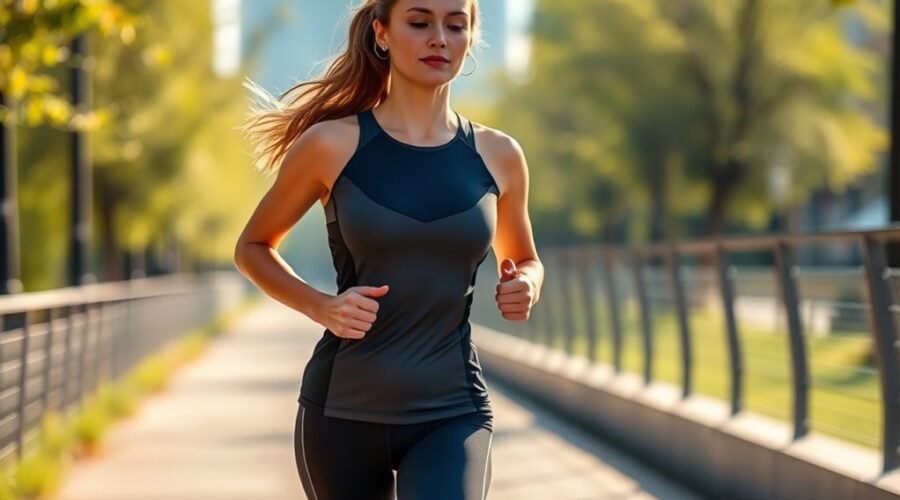
In 2027, the best running shirts for women are expected to balance breathability, moisture control, and a fit that moves cleanly with the body. The adidas Heat.RDY Training Tee Women’s already points in that direction, with lightweight fabric and mesh panels built for hotter sessions. Yet the real difference often comes down to how a shirt handles heat over time, and that is where the comparison becomes more interesting.
adidas Heat.RDY Training Tee Women’s
https://m.media-amazon.com/images/I/41-+5l6yQ6L._AC_SX679_.jpg
The adidas Heat.RDY Training Tee Women’s is a strong pick for women who train in hot, high-intensity conditions and need a shirt that stays dry and breathable. Built for running and outdoor sessions, it uses soft fabric that wicks moisture away during hard efforts. Mesh panels in key sweat zones improve airflow and help regulate comfort when temperatures rise. The design supports performance in challenging heat without wilting or clinging. For athletes seeking a focused training shirt, it offers a practical balance of dryness, ventilation, and durability.
Best For: Women who train in hot, high-intensity conditions and want a breathable, moisture-wicking tee for running and outdoor workouts.
Pros:
- Soft fabric wicks moisture to help keep you dry during intense activity.
- Mesh panels in key sweat zones improve airflow and comfort.
- Designed to stay breathable and avoid clinging or wilting in heat.
Cons:
- Best suited for warm-weather training, so it may not be ideal for cooler conditions.
- Focused on performance basics rather than style or extra features.
- May not offer much insulation or coverage for lower-intensity use.
Factors to Consider When Choosing Running Shirts for Women 2026: Top Picks for Training and Racing
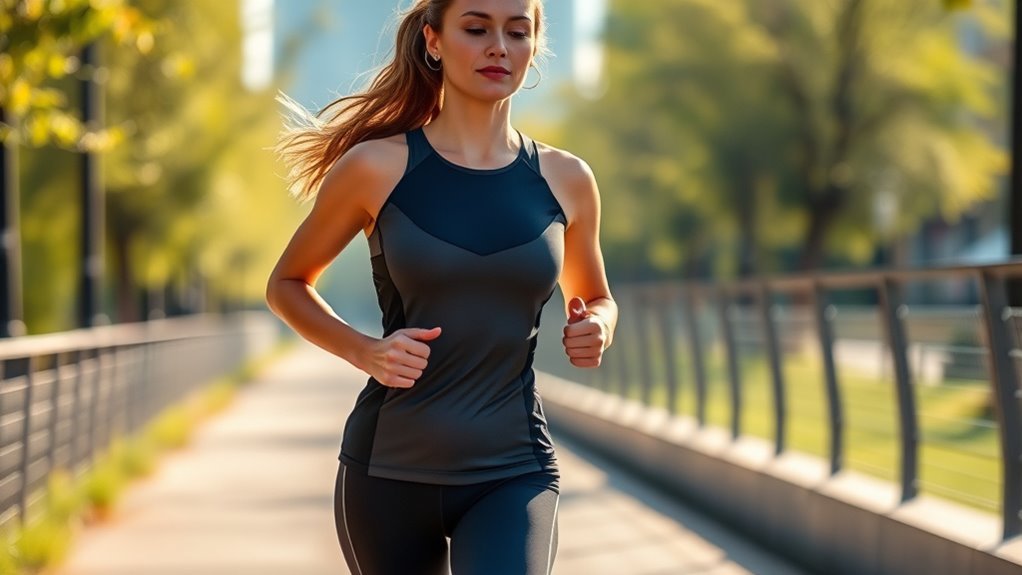
Selecting running shirts for women in 2026 starts with fabric breathability and moisture-wicking performance, since both affect comfort during long efforts. Heat management and fit also matter, because the right shirt should keep airflow high while allowing full mobility. For training and racing alike, the best picks balance durability, lightweight feel, and performance-specific design.
Fabric Breathability
Breathability is a key factor in a women’s running shirt, especially when training or racing in warm conditions. Fabrics that allow air to circulate help runners stay cooler when temperatures rise, and mesh panels or other ventilation zones can improve airflow in targeted areas. Lightweight materials are often preferred because they feel less restrictive and reduce the chance of chafing during long efforts. A soft texture also adds comfort for repeated use over distance. Stretch matters as well, since flexible fabric supports natural movement without trapping heat. Some breathable shirts also include UV protection, offering extra coverage during outdoor sessions. Together, these features help create a shirt that feels comfortable, performs well in heat, and supports steady training or race-day effort.
Moisture-Wicking Performance
Sweat management is a defining feature of a strong women’s running shirt. Moisture-wicking fabrics pull perspiration away from the skin, helping the runner stay dry during hard training sessions and races. This performance matters most over long distances, where damp fabric can lead to discomfort and chafing. Polyester blends are often favored because they dry quickly and support steady moisture control. Mesh panel placement also deserves attention, since panels set in major sweat zones can improve airflow and ventilation where it is needed most. A well-designed moisture-wicking shirt helps preserve comfort and supports consistent performance, especially in hot, humid conditions. When the fabric works efficiently, the runner can focus on effort rather than distraction, making the shirt a practical asset for demanding miles.
Heat Management
Heat control is the next key factor in a women’s running shirt, especially when training or racing in hot conditions. Effective heat management helps maintain a stable body temperature, reducing the chance of overheating when effort rises and weather turns harsh. Moisture-wicking fabrics remain important because they pull sweat from the skin and support dryness during intense sessions. Lightweight materials add another advantage by improving breathability, which is valuable for long-distance runs and outdoor training. Mesh panels in high-sweat areas can further increase airflow and limit heat buildup. Together, these features improve comfort and help preserve focus, energy, and steady performance throughout demanding workouts and races in warm weather.
Fit And Mobility
Fit and mobility are essential in a women’s running shirt, since the best designs support a full range of motion without feeling loose or restrictive. An athletic cut that contours to the body can improve freedom of movement while helping reduce chafing on longer runs. Four-way stretch fabrics add flexibility, allowing the shirt to move naturally with each stride, arm swing, and torso rotation. Seam placement also matters; strategic construction can limit friction at high-contact points and improve comfort over time. Shirt length should be considered as well, because adequate coverage helps maintain a secure fit without riding up or interfering with movement. When these elements work together, the result is a shirt that stays in place, supports efficient motion, and feels unobtrusive throughout training.
Training Versus Racing
When comparing running shirts for women, training and racing styles serve different purposes. Training shirts usually emphasize moisture-wicking fabric and strong breathability to keep runners comfortable through long sessions. A relaxed fit supports easy movement, while mesh panels or other ventilation details help manage heat during repeated workouts. They also tend to be made with durability in mind, since they face frequent washing and regular wear. Racing shirts, by contrast, are built for performance. Lightweight materials, a close fit, and a streamlined shape help reduce drag and support speed. They often use less ventilation to limit weight, and their design usually favors a sleek, competitive look. Training options may offer more color variety, while racing shirts commonly stay more minimal.
Durability In Heat
Beyond training-versus-racing differences, durability in heat becomes a major factor for women’s running shirts in 2026. Moisture-wicking fabrics matter because sweat can break down weaker materials, so shirts should move moisture away from the body efficiently. Ventilation details, including mesh panels, help air circulate and limit overheating, which can preserve fabric during hard sessions. Lightweight construction also matters, provided the material keeps its shape and structural integrity in high temperatures. Shirts made for hot conditions often add temperature-regulating technology that supports performance and resists wear from prolonged exposure. Reinforced seams and stitching deserve close attention, since heat and repeated movement can expose weak points. A well-built shirt maintains comfort, avoids tearing, and delivers reliable use across training blocks and racing efforts.
Frequently Asked Questions
How Often Should Running Shirts Be Replaced?
Running shirts should usually be replaced every 6 to 12 months, depending on mileage, washing frequency, and fabric wear. If odor lingers, seams fail, or the fit degrades, replacement becomes advisable.
Can Running Shirts Prevent Chafing During Long Runs?
Yes, running shirts can gently help avert unpleasant rubbing during long runs by wicking moisture, fitting smoothly, and using seamless fabrics. They do not guarantee complete relief, but they often lessen irritation considerably.
Are Reflective Details Worth It for Early Morning Runs?
Yes, reflective details are worthwhile for early morning runs because they improve visibility to drivers and cyclists. They offer added safety in low light, especially when paired with bright colors and consistent route awareness.
How Do You Wash Technical Running Shirts Properly?
They should be washed cold on a gentle cycle with mild detergent, turned inside out, and air-dried. Fabric softener and bleach should be avoided, since they damage wicking fibers and reduce performance over time.
What Shirt Features Help With Hot-Weather Running?
Hot-weather running benefits from shirts with lightweight, breathable fabric, mesh ventilation, moisture-wicking fibers, quick-dry construction, UV protection, and a relaxed fit; reflective details and odor resistance add comfort and safety in intense sun.
Conclusion
In 2027, the best running shirts for women balance cooling comfort, moisture control, and freedom of movement. The adidas Heat.RDY Training Tee Women’s reflects this shift with breathable mesh, lightweight fabric, and a fit that supports fast, focused training. As runners compare fabric breathability, heat management, and durability, the right top can make every mile feel smoother. As the adage goes, a stitch in time saves nine, and smart gear can prevent discomfort before it starts.