So, you’re thinking about heading to Ağrı, Turkey, and wondering when’s the sweet spot for a visit? The honest answer is, it depends on what you’re after. If you’re dreaming of mild temperatures and a decent chance of sunshine, aim for late spring or early autumn. But if you’re more about experiencing the raw, dramatic beauty of its winter or don’t mind a bit of heat, other times might work for you too. Let’s break down Ağrı’s seasons so you can pick the perfect time for your adventure.
Ağrı sits in a region with a continental climate, meaning you’re going to experience pretty distinct seasons. Think real winters and noticeably warm summers, with transitional periods in between. The city itself is at a significant altitude, which plays a big role in keeping things cooler than you might expect from its southerly latitude. This altitude also means you can anticipate clear, crisp air for much of the year, providing amazing views of the surrounding landscapes, especially Mount Ağrı (Ararat).
Spring: A Slow Awakening
Spring in Ağrı is a gradual affair. It starts cool and can be quite chilly in March, with lingering snow a possibility. As you move into April and May, things begin to warm up, but it’s rarely hot. The landscape starts to green up, and it can be quite beautiful as nature shakes off its winter slumber.
Summer: Warmth and Long Days
Summer, from June to August, brings the warmest temperatures to Ağrı. You can expect plenty of sunshine and long daylight hours, which is great for exploring. However, “warm” here doesn’t usually equate to scorching. Due to the altitude, it’s more comfortably warm, perfect for outdoor activities without being oppressive. Nighttimes can still be surprisingly cool, so pack layers even in July.
Autumn: A Fiery Farewell
Autumn, from September to November, is often considered a prime time by many. The intense heat of summer fades, and September and October can offer pleasantly mild and sunny days. The fall foliage can be spectacular, painting the hillsides in rich colors. By November, the temperatures start to drop significantly, and you’ll feel winter’s approach.
Winter: The Deep Freeze
Winter in Ağrı is no joke. From December to February, expect cold temperatures, significant snowfall, and frosty conditions. This is the time when the region truly embraces its wintry character. For those who enjoy snow sports or want to see Ağrı under a blanket of white, it’s a magical time. However, travel can be impacted by snow, and many outdoor attractions might be less accessible or even closed.
Shoulder Seasons: The Best of Both Worlds?
Figuring out the “best” time often comes down to balancing weather, crowds, and cost. The shoulder seasons – spring (April-May) and autumn (September-October) – frequently hit a sweet spot for many travelers. You’re avoiding the extremes of summer heat and winter cold, and you’re also likely to find fewer tourists than during peak summer months.
Navigating the Crowds
Ağrı, while a significant city, isn’t exactly a global tourist hotspot in the way Istanbul or Antalya are. This is a major advantage if you prefer a more authentic, less crowded experience. You’re unlikely to encounter massive tourist throngs at any point in the year.
Peak Tourist Season (Relatively Speaking)
If there’s a “peak” season for visitors in Ağrı, it would likely coincide with the summer months (July and August). This is when international travelers might be looking for cooler destinations within Turkey and when Turks themselves take their main holidays. Even then, “crowded” is a relative term. You’ll see more people, certainly, but it remains manageable.
Off-Peak Charm
The quietest times to visit Ağrı are generally during the winter (November to March) and the very early or late parts of spring and autumn (e.g., March, late November). During these periods, you’ll have a much more local experience. This can be fantastic for immersing yourself in the culture, interacting with residents, and enjoying a sense of solitude.
Spring and Autumn: A Gentle Buzz
The shoulder months of spring (April-May) and autumn (September-October) offer a pleasant balance. You’ll find a gentle increase in visitors as the weather becomes more inviting, but it’s unlikely to feel overwhelming. This is often the ideal time for those who want to enjoy comfortable sightseeing without the feeling of being part of a surge.
Considering the Costs

Like most destinations, costs in Ağrı can fluctuate depending on the season and demand, though the differences might not be as dramatic as in highly tourist-centric areas.
Summer: Prices Tend to Rise
During the warmer summer months, especially July and August, you might find slightly higher prices for accommodation and potentially some tours or activities. This is driven by increased demand during this period. It’s not an extreme hike, but it’s worth noting if you’re on a tight budget.
Winter: Potential for Savings
Visiting in the depths of winter (December-February) can sometimes offer the best deals on accommodation. With fewer tourists, hotels and guesthouses might lower their rates to attract visitors. However, you need to weigh this against potential travel disruptions due to weather and the fact that some outdoor activities might be unavailable.
Shoulder Season Value
The spring and autumn months often present the best value for your money in Ağrı. You get to enjoy pleasant weather, a less crowded environment, and prices that are generally more stable than during the summer peak. This is often the sweet spot for budget-conscious travelers who still want a good experience.
Activities and What to Do, Seasonally

Your choice of when to visit can also hinge on what you want to do in and around Ağrı.
Spring: Nature’s Reawakening
Exploration & Sightseeing: As the snow melts, the natural landscapes around Ağrı become accessible. This is a good time for shorter hikes and to see the dramatic scenery without extreme temperatures.
Cultural Immersion: Visiting local markets and experiencing daily life is enjoyable as the weather gets milder.
Mount Ağrı (Ararat): While climbing Mount Ağrı is a serious undertaking requiring proper planning and guides, spring can offer a window of opportunity with slightly less snow on lower slopes compared to deep winter, though it’s still very challenging.
Summer: Outdoor Adventures Abound
Mount Ağrı (Ararat): Summer is the primary season for attempting to climb Mount Ağrı, though it’s still a significant expedition that requires experience and preparation. The higher slopes are generally more accessible during July and August.
Hiking & Trekking: The surrounding natural parks and valleys are ideal for longer hikes. The longer daylight hours mean you can make the most of your days exploring the rugged terrain.
Exploring Historical Sites: Visiting ancient ruins and historical landmarks is comfortable under the warm summer sun.
Local Festivals: Keep an eye out for any local celebrations or festivals that might be happening in the region during this time.
Autumn: A Scenic Spectacle
Photography & Scenery: If you appreciate beautiful landscapes, autumn is a prime time. The changing leaves create a stunning backdrop for Mount Ağrı and the surrounding countryside.
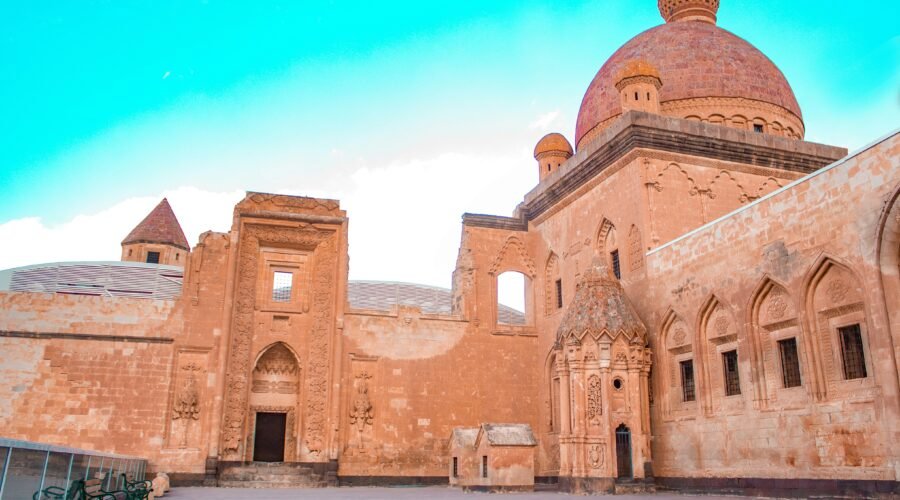
Comfortable Sightseeing: The mild temperatures are perfect for extensive exploration of the city and its surroundings, including historical sites like İshak Paşa Palace.
Wine and Harvest: While not a major wine region, the general atmosphere of harvest season can be felt, and local produce will be at its best.
Winter: A Different Kind of Beauty
| Month | Weather | Crowds | Costs |
|---|---|---|---|
| January | Cold, snowy | Low | Low |
| April | Cool, occasional rain | Medium | Medium |
| July | Warm, sunny | High | High |
| October | Cool, crisp | Low | Low |
Winter Sports (Limited): While Ağrı doesn’t have large, developed ski resorts, the region does experience snow. For the adventurous, there might be opportunities for local, informal snowshoeing or cross-country skiing if conditions are right and if you have your own equipment or can arrange it locally.
Snowy Landscapes: The visual appeal of Mount Ağrı and the surroundings covered in snow is breathtaking. It’s a photographer’s dream, albeit a cold one.
Cozy Cultural Experience: Experiencing a Turkish bath (hammam) or enjoying hearty local cuisine in a warm setting is particularly enjoyable during the colder months.
Historical Sites in Solitude: Visiting places like İshak Paşa Palace in the snow can offer a unique and solitary experience.
Practical Considerations: What You Need to Know
Beyond weather and crowds, a few practical points can help you decide the best time to visit Ağrı.
Accommodation Availability
Throughout the year, accommodation in Ağrı generally remains accessible. You’re unlikely to face a situation where hotels are fully booked, even in the summer. However, booking in advance is always a good idea, especially if you have specific preferences or are traveling during a public holiday.
Transportation
Getting to Ağrı: The primary way to reach Ağrı is by air, with an airport serving domestic flights. Buses are also a common mode of transport connecting to larger cities. Flight and bus schedules might be slightly reduced or impacted by severe weather in winter.
Getting Around: Within Ağrı, local dolmuş (minibuses) and taxis are readily available. For exploring the surrounding areas, especially if you plan to visit Mount Ağrı or more remote historical sites, renting a car or hiring a driver might be necessary. This is generally more feasible and advisable when the weather is good, typically spring through autumn.
Festivals and Events
While Ağrı might not have numerous large-scale international festivals, it’s always worth checking for local events, religious holidays, and cultural celebrations that might be occurring during your planned visit. These can significantly enhance your experience and offer a deeper insight into the local culture. Some religious holidays, like Eid al-Fitr and Eid al-Adha, can mean increased local travel within Turkey, though it usually doesn’t translate to overwhelming tourist crowds in Ağrı itself.
Personal Preferences
Ultimately, the “best” time to visit Ağrı is a deeply personal decision.
- If you crave sunshine and long days for exploration, summer might be your choice, but be prepared for it to be the warmest period.
- If you prefer mild temperatures and fewer people, the shoulder seasons of spring and autumn are excellent. You can still comfortably explore and witness the natural beauty.
- If you are drawn to dramatic, snowy landscapes and a truly local, quiet experience, and don’t mind the cold and potential travel challenges, winter offers a unique kind of magic.
By considering these factors – the weather peculiarities, the nature of the crowds, the cost implications, the activities available, and your own travel style – you can confidently choose the period that will make your trip to Ağrı the most rewarding.
FAQs
1. What is the best time to visit Ağrı, Ağrı for favorable weather?
The best time to visit Ağrı, Ağrı for favorable weather is during the summer months of June to August when the temperatures are mild and the days are sunny.
2. When is the peak tourist season in Ağrı, Ağrı?
The peak tourist season in Ağrı, Ağrı is during the summer months of June to August when the weather is most favorable for outdoor activities and sightseeing.
3. What is the off-peak season in Ağrı, Ağrı?
The off-peak season in Ağrı, Ağrı is during the winter months of December to February when the temperatures are cold and the region experiences snowfall.
4. When can visitors expect lower costs for accommodations and activities in Ağrı, Ağrı?
Visitors can expect lower costs for accommodations and activities in Ağrı, Ağrı during the off-peak season, particularly in the winter months of December to February.
5. What are the shoulder seasons in Ağrı, Ağrı?
The shoulder seasons in Ağrı, Ağrı are the spring months of March to May and the fall months of September to November when the weather is still pleasant and the crowds are thinner compared to the peak summer season.