When’s the sweet spot for visiting Bandırma? You’re probably wondering about weather, if you’ll be shoulder-to-shoulder with other tourists, and how much your wallet will thank you. Let’s cut to the chase: for a good balance of pleasant weather, manageable crowds, and reasonable prices, aim for late spring (May to June) or early autumn (September to October). These periods generally offer comfortable temperatures without the peak summer intensity and while avoiding the quietest, potentially less lively winter months. But of course, “best” depends on what you’re looking for, so let’s dive into the details.
Bandırma, situated on the southern coast of the Sea of Marmara, has a climate that’s influenced by the sea. This means it generally experiences milder winters and warm, dry summers compared to inland areas.
Summer: The Sun’s Reign
- Hot and Sunny: July and August are the peak of summer, bringing the warmest temperatures. Expect days to consistently reach the high 20s Celsius, sometimes creeping into the low 30s. The sun is strong, so sun protection is essential.
- Sea Breezes: Thankfully, the proximity to the sea often provides a welcome breeze, which can make the heat more bearable, especially in the evenings.
- Long Daylight Hours: You’ll have plenty of daylight to explore, with sunrises early and sunsets late.
Autumn: A Gentle Transition
- Pleasant and Mild: September and October offer a gradual cooling down. September is often still quite warm, with average temperatures in the mid-20s Celsius. By October, things will have dropped to the high teens to low 20s.
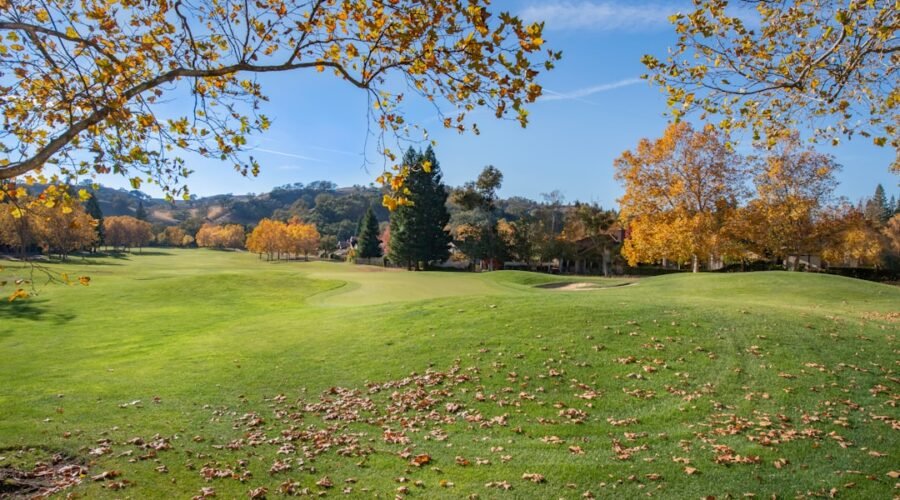
- Beautiful Scenery: The landscape can be quite striking as autumn colors begin to appear, though Bandırma itself is more about the coastal feel than extensive forests.
- Increasing Rainfall: As you move further into autumn, especially towards November, you’ll notice an increase in rainfall.
Winter: The Quieter Season
- Cool and Damp: Winters in Bandırma are cool and can be quite damp. Average temperatures hover around 5-10 degrees Celsius. Freezing temperatures are possible but not common for extended periods.
- Rainy Period: This is the wettest time of year, with frequent rain showers. Snowfall is rare.
- Fewer Tourists: If you prefer a more authentic, local experience and don’t mind bundling up, winter offers a chance to see Bandırma without the crowds.
Spring: Nature’s Awakening
- Gradual Warming: April begins to see a noticeable increase in temperature, moving from cool to mild. May and June are particularly delightful, with daytime temperatures often in the low to mid-20s Celsius.
- Blooming Beauty: This is a fantastic time to see local flora come to life. The landscapes around Bandırma can be quite green and pleasant.
- Variable Weather: While generally pleasant, spring can still be a bit unpredictable. You might experience some cooler days or occasional rain showers, especially in early spring.
Navigating the Crowds
The number of visitors in Bandırma directly impacts your experience, from how easy it is to get around to the general atmosphere of the town.
Summer: The Bustle
- Peak Season: July and August are when Bandırma is at its busiest. This is due to school holidays and the warmest weather, attracting both domestic and international tourists.
- Coastal Hotspots: Areas along the coast and popular local attractions will be more crowded.
- Booking Ahead: If you’re planning to visit during these months, booking accommodation and any desired tours or restaurants in advance is highly recommended to secure your spot and potentially better prices.
Autumn: The Sweet Spot
- September Surge (Early Autumn): September often still has a good number of visitors, especially in the first half, as people try to squeeze in some last-minute summer warmth. The weather is still excellent.
- Cooler Crowds (Late Autumn): As October arrives and the weather cools, the crowds thin out considerably. You’ll find a much more relaxed atmosphere.
- A Good Compromise: For many, the shoulder seasons of September and October offer the ideal balance – good weather with significantly fewer people than the summer months.
Winter: The Serene Solitude
- Off-Peak Charm: From November through February, Bandırma is at its quietest. Local life is more prominent, and you’ll have many places to yourself.
- Ideal for Relaxation: If your goal is peace and quiet, or you prefer a more introspective travel experience, winter could be perfect.
- Local Focus: Attractions might have reduced hours, and some seasonal businesses may be closed. However, the core of Bandırma’s charm remains, and you’ll interact more with locals.
Spring: The Gentle Influx
- April and May Buzz (Mid-Spring): As the weather improves, so does the visitor count. April starts to see a gentle increase, and by May, it’s more noticeable.
- June’s Buildup: June is a transition month. It’s still considered shoulder season by some, but the crowds are steadily growing as summer approaches.
- Lively but Not Overwhelmed: Spring offers a chance to enjoy a pleasant atmosphere without the intense crowds of July and August. It’s lively enough to feel vibrant but usually not overwhelmingly packed.
Budgeting Your Trip to Bandırma
Understanding when to visit can also significantly impact your budget. Prices for accommodation, transportation, and even some activities tend to fluctuate throughout the year.
Summer: The Pricey Peak
- Highest Accommodation Rates: This is when hotels, guesthouses, and rental properties command their highest prices. The demand is simply too high to keep costs down.
- Transportation Can Be Higher: Flights and bus tickets to the region might also see an uptick in price during peak season.
- Tours and Activities: While not always a massive jump, some organized tours or popular activities might also be priced higher due to increased demand.
Autumn: Value and Affordability
- Diving Prices: As the summer heat fades and the crowds disperse, accommodation prices begin to drop significantly. September might still have slightly higher rates, particularly in the first half, but October generally offers excellent value.
- More Negotiable Rates: You might find more room for negotiation on certain services or even find better deals on package tours.
- Still Plenty to Do: Despite the lower prices, the weather is still often very pleasant, making it a great time for budget-conscious travelers who don’t want to compromise on experience.
Winter: The Bargain Hunter’s Dream
- Lowest Prices: This is the absolute cheapest time to visit Bandırma. You’ll find the most significant discounts on accommodation.
- Exceptional Deals: Hotels often offer substantial off-season discounts to attract visitors.
- Frugal Exploration: Eating at local lokantas (eateries) will be consistently affordable, and transportation costs will likely be at their lowest.
Spring: Gradual Increases
- Early Spring Savings: Throughout March and April, you’ll still find relatively low prices for accommodation and services. It’s a good time to secure deals.
- Mid-Spring Rise: As May rolls around and the weather becomes more consistently good, prices will start to creep up. They won’t reach summer highs, but expect a noticeable increase from early spring.
- June’s Transition: By June, prices will be firmly in the shoulder-season range, reflecting the growing popularity of the period.
Unique Bandırma Experiences and When to Enjoy Them
Bandırma offers more than just beach weather. Its location and history lend themselves to various activities and sights that are best enjoyed at certain times of the year.
Nature and Wildlife Viewing
- Menzil, The Bird Paradise: The Bandırma Bird Sanctuary (Menzil Mili Parkı) near the town is a haven for migratory birds.
- Spring Migration: April and May are prime times to witness the incredible spectacle of bird migration. Numerous species pass through, making it ideal for birdwatchers.
- Autumn Passage: Similar to spring, September and October can also be good for spotting migrating birds, though spring is often considered more spectacular for sheer numbers and variety.
- Summer Residents: Some birds nest and reside in the sanctuary during the summer months, offering opportunities for viewing even then, but the diversity is lower.
- Inland Exploration: The surrounding countryside can be explored for its agricultural landscapes.
- Post-Harvest Bloom (Autumn): After the main harvest in late summer, the fields can offer a different kind of beauty, with autumn crops taking root.
- Greenery and Wildflowers (Spring): Spring truly awakens the landscape, making hikes and drives through the countryside particularly rewarding with blooming wildflowers.
Historical and Cultural Sites
- Bandırma Ferry Terminal: While always accessible, visiting when the weather is pleasant allows for a more enjoyable experience of the promenade and observing the bustling maritime activity.
- Any Season: The history of the ferry terminal is always present, but comfortable weather makes strolling and taking it all in more appealing.
- Local Markets and Festivals:
- Year-round Markets: Bandırma has daily markets for fresh produce and local goods. These are accessible whenever you visit.
- Seasonal Festivals: Keep an eye out for local festivals, which are more common during warmer months (spring through early autumn). These can offer a deeper dive into local culture. It’s worth checking local event listings closer to your travel dates.
Coastal Activities and Relaxation
| Month | Weather | Crowds | Costs |
|---|---|---|---|
| April – May | Pleasant temperatures, little rainfall | Moderate | Moderate |
| June – August | Hot and dry | High | High |
| September – October | Mild temperatures, little rainfall | Moderate | Low |
- Beaches and Swimming:
- Summer is Prime Time: For swimming and sunbathing, July and August are the warmest and most reliable. The water temperature is at its highest.
- Early Autumn Warmth: September can still offer excellent swimming conditions, with the sea retaining its warmth from summer.
- Late Spring Dip: May and June are getting warm enough for a swim, but the water might still be a bit bracing for some.
- Boat Trips and Sea Breezes:
- Pleasant Sailing: Spring and autumn offer beautiful conditions for boat trips in the Sea of Marmara, with calmer waters and comfortable temperatures.
- Summer Heat on the Water: While very pleasant, summer can be very hot even on a boat.
- Winter Caution: Winter can bring rougher seas, making boat trips less appealing and potentially cancelled due to weather.
Packing for Bandırma’s Vagaries
Your packing list will naturally change depending on when you decide to visit. Thinking about the weather and typical activities will help you pack smartly.
High Summer (July-August)
- Lightweight Clothing: Think breathable fabrics like cotton and linen. T-shirts, shorts, sundresses, and light trousers are essential.
- Sun Protection: High SPF sunscreen, a wide-brimmed hat, sunglasses are non-negotiable.
- Swimwear: Essential if you plan on hitting the coast.
- Footwear: Comfortable sandals, flip-flops, and walking shoes.
- Evening Wear (Optional): A light cardigan or shawl for cooler evenings, though it’s usually quite warm.
Spring and Autumn Shoulder Seasons (April-June, September-October)
- Layering is Key: This is where layering becomes your best friend. Pack t-shirts, long-sleeved tops, and a light to medium-weight jacket or a warm cardigan.
- Jeans and Trousers: Versatile options that work well for cooler days and evenings.
- Comfortable Walking Shoes: You’ll likely be doing a fair bit of exploring.
- Water-Resistant Outerwear: A light, packable rain jacket or umbrella is a smart addition, especially for later in autumn or early spring.
- Swimwear (for May/June & September): If you’re brave or the weather cooperates, pack it for potential beach days.
Winter (November-March)
- Warmer Layers: Think sweaters, fleeces, and long-sleeved shirts.
- Waterproof and Windproof Outerwear: A sturdy coat is essential for protection against the damp and wind.
- Comfortable, Closed-Toe Shoes: Waterproof boots are a good idea for navigating potentially wet streets.
- Scarf, Hat, and Gloves: Essential for staying warm, especially during early mornings and evenings.
- Umbrella: Absolutely crucial for dealing with frequent rain.
Final Thoughts: Your Personal Bandırma Perfect Time
Ultimately, the “best” time to visit Bandırma is a personal choice based on your priorities.
For the Sun Seeker and Beach Lover
If your heart is set on long days of sunshine, warm waters, and all the buzz of a summer destination, then July and August are your go-to months. Just be prepared for the higher prices and larger crowds.
For the Balanced Traveler: Weather, Crowds, and Budget
Many people find the sweet spot in the shoulder seasons. Late May to June offers increasingly pleasant weather, a growing buzz of activity, and manageable crowds without the extreme summer prices. September and early October provide a fantastic alternative with warm days, cooler evenings, significantly fewer tourists, and more budget-friendly options. For many, this offers the ideal combination.
For the Budget-Conscious Explorer and Peace Seeker
If your priority is to save money and experience Bandırma with a more local feel, then November through March is your time. While the weather might be cooler and wetter, you’ll find the lowest prices and the widest open spaces. It’s perfect for a quiet retreat and immersing yourself in the local rhythm.
For the Nature Enthusiast and Photographer
April and May are exceptional for experiencing the region’s natural beauty, especially if birdwatching or enjoying blooming landscapes is on your agenda. September and October also offer beautiful light and potentially migrating wildlife.
No matter when you choose to go, Bandırma offers a slice of Turkish coastal life that’s well worth discovering. Consider what matters most to you, and you’ll find your perfect window for a visit.
FAQs
1. What is the best time to visit Bandırma, Balıkesir in terms of weather?
The best time to visit Bandırma, Balıkesir in terms of weather is during the spring and autumn months, specifically from April to June and September to October. During these times, the weather is mild and pleasant, making it ideal for outdoor activities and sightseeing.
2. When is the peak tourist season in Bandırma, Balıkesir?
The peak tourist season in Bandırma, Balıkesir is during the summer months, from July to August. During this time, the city experiences an influx of tourists, resulting in crowded attractions and higher accommodation costs.
3. What is the off-peak season in Bandırma, Balıkesir?
The off-peak season in Bandırma, Balıkesir is during the winter months, from December to February. During this time, the city experiences fewer tourists, making it a quieter and more affordable time to visit.
4. What are the average costs of visiting Bandırma, Balıkesir during the peak tourist season?
During the peak tourist season, the average costs of visiting Bandırma, Balıkesir, including accommodation, dining, and activities, tend to be higher compared to the off-peak season. It is advisable to book accommodations and activities in advance to secure better prices.
5. Are there any specific events or festivals that are worth considering when planning a visit to Bandırma, Balıkesir?
Bandırma, Balıkesir hosts various events and festivals throughout the year, such as the International Olive Festival in November and the Bandırma Kite Festival in April. These events offer unique cultural experiences and are worth considering when planning a visit to the city.