Wondering about the best time to visit Bega, New South Wales? October–November and March–April offer a great balance of comfortable weather, fewer holiday crowds and outdoor activities. Summer is ideal for exploring nearby beaches, while winter suits quiet country escapes and cosy farm stays. This guide compares Bega’s seasons, temperatures, events and travel costs so you can choose the right months for your trip.
Quick Answer
The best months to visit Bega are October, November, March and April. These months combine pleasant daytime temperatures with opportunities for hiking, markets and scenic drives. December–February is better for beach holidays, although accommodation demand increases. June–August offers cooler weather, quieter attractions and potential off-peak accommodation savings.
Last checked: October 28, 2026. Key dates and climate figures were verified against official sources.
Key Takeaways
- Best overall: October–November and March–April offer comfortable temperatures and generally manageable visitor numbers.
- Best for beaches: December–February brings the warmest weather, with average daytime highs around 25–27°C.
- Best for hiking: Autumn offers cooler conditions, attractive countryside and good opportunities for wildlife watching.
- Best for quieter stays: June–August has cooler days, cold nights and the potential for lower accommodation prices.
- Best for events: February features the Bega Show, while regular produce markets operate throughout the year.
Best Time to Visit Bega: Weather and Travel Planning
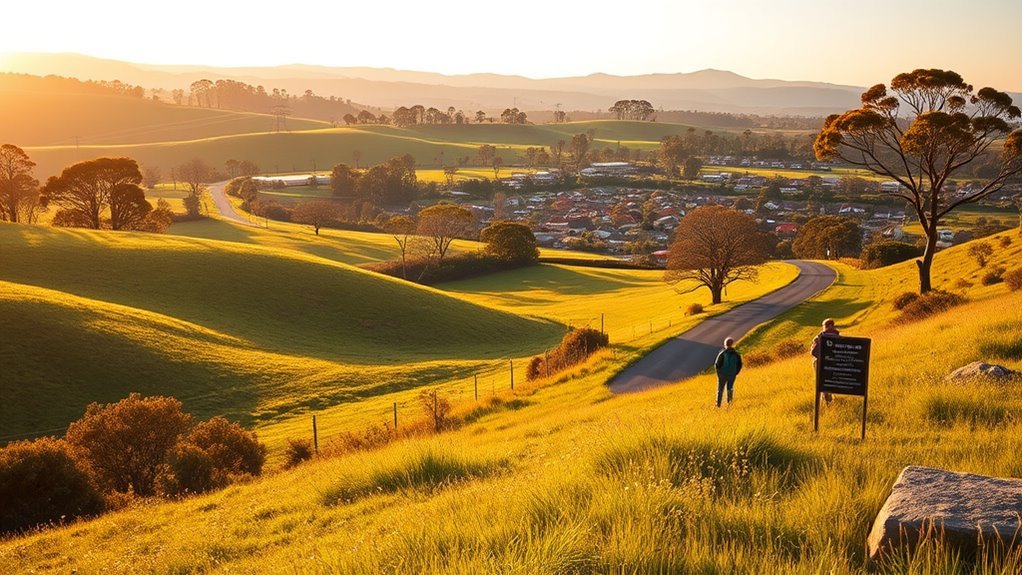
Bega sits in the rolling dairy country of the Sapphire Coast in southern New South Wales. Its location gives you access to rural scenery, local produce, historic buildings and coastal attractions.
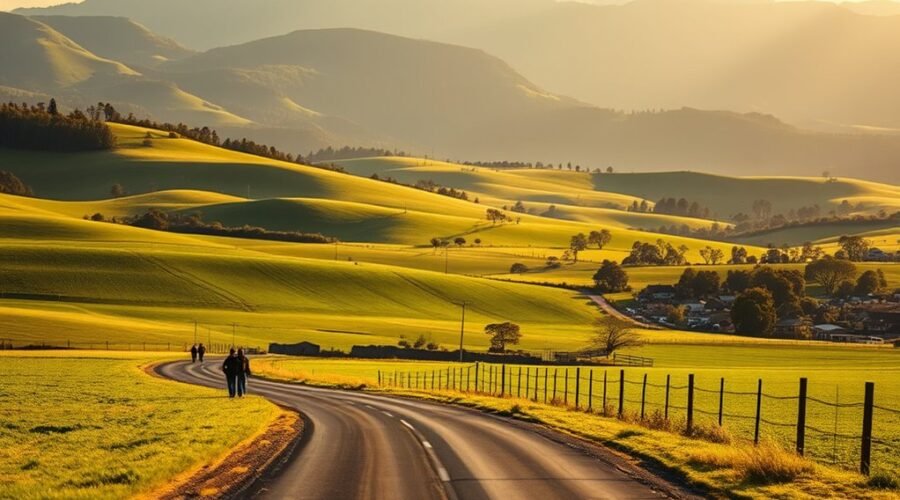
For most visitors, spring and autumn provide the best balance. You can explore the countryside without the strongest summer heat or the coldest winter mornings.
According to the Australian Bureau of Meteorology’s Bega AWS climate records, average daytime maximum temperatures range from 16.7°C in July to 27.2°C in January.
These are historical averages, not guaranteed daily temperatures. Individual days can be much warmer, colder or wetter.
The Sapphire Coast’s Bega visitor guide highlights local attractions such as Bega Lookout, the Bega River, historic streets and nearby natural areas.
If you have limited time, plan a morning around the town centre and its markets. You can then spend the afternoon exploring dairy country or driving towards the coast.
A car gives you the most flexibility for visiting farms, lookouts and coastal towns. Public transport is available, but some regional connections are limited.
Bega Spring (Sep–Nov): Flowers, Markets and Scenic Drives
Spring is one of the best seasons for visiting Bega if you enjoy mild weather, green countryside and outdoor activities. September can feel cool, especially in the morning, while October and November bring warmer afternoons.
Average daytime highs rise from 20.5°C in September to 23.7°C in November. That makes spring particularly appealing for walking, photography and countryside exploration.
You can enjoy:
- Bega Lookout: Take in views of the town and surrounding farmland.
- Bega River and Glebe Park: Enjoy relaxed walks, picnics and shaded outdoor spaces.
- Country drives: Explore rolling pastures, small communities and scenic roads around the valley.
- Local markets: Browse seasonal vegetables, baked goods, flowers and handmade products.
Spring is also a good time to explore the wider Sapphire Coast. Coastal wildlife activity and whale migration can add interest to a day trip.
The Bega Produce Market operates every Friday from 8am to 1pm at Littleton Gardens, Zingel Place. The published event schedule extends through December 2027.
Because the market runs throughout the year, you don’t need to visit during a festival to meet local producers.
Best spring months: October and November, when afternoons are warmer and countryside activities are comfortable.
Bega Summer (Dec–Feb): Warm Weather and Beaches
Summer is Bega’s warmest season and the best choice if swimming, surfing and coastal day trips are your priorities. December through February brings long daylight hours and average daytime highs of approximately 25–27°C.
Although Bega itself is inland, nearby coastal towns offer sandy beaches and opportunities for swimming, surfing and seaside walks.
Explore Tathra Beach
Tathra is a popular coastal destination about 18 kilometres from Bega by road. It offers a long sandy beach, surf conditions and nearby picnic facilities.
The NSW Government lists Tathra Beach as free to enter, with parking, public toilets and picnic facilities.
There is also an accessible playground near the beach, while beach wheelchairs with floats are available through the local surf club.
You can combine a beach trip with a morning in Bega, where cafés, cheese tastings and local markets offer a change of pace.
Enjoy Summer Activities and Local Food
Summer brings opportunities to experience outdoor events, markets and regional food. You’ll find fresh produce, artisan cheese and casual dining options throughout the area.
Beach walks are especially appealing during the cooler parts of the day. Early mornings also offer good opportunities to spot birds and other wildlife.
Summer in Bega is ideal for combining a relaxed country visit with a day at the nearby coast.
The main drawback is increased demand during Christmas, New Year and the summer school holidays.
Best summer month: February is worth considering if you want warm weather with potentially fewer holiday visitors after the main school break.
Warning: Coastal conditions can change quickly. Swim between the red and yellow flags when lifeguards are on duty, and follow local beach warnings. Avoid lighting beach bonfires unless fires are expressly permitted and current fire restrictions allow them.
Bega Autumn (Mar–May): Mild Weather for Hikes and Exploring
Autumn is an excellent time to visit Bega if you prefer quiet exploration and comfortable walking conditions. March remains fairly warm, while April and May bring cooler mornings and shorter days.
Average daytime maximum temperatures fall from 24.9°C in March to 19.5°C in May.
These conditions suit outdoor activities, especially if you prefer walking without the stronger heat of midsummer.
Best Autumn Activities in Bega
- Explore riverside paths: Walk around local green spaces and enjoy views of the Bega River.
- Visit Bega Lookout: Photograph the valley and surrounding hills in the softer autumn light.
- Browse orchards and markets: Look for seasonal fruit, vegetables and locally made food.
- Watch wildlife: Keep an eye out for wallabies, kangaroos and birds during quieter morning and evening hours.
- Explore the countryside: Take a scenic drive through farmland and nearby villages.
Autumn colours can be particularly attractive around the town’s parks and established trees. The rural landscape also provides a peaceful setting for photography.
If you enjoy local food, autumn is a good time to explore seasonal produce, cheese and farm products.
March can still be warm enough for coastal activities, while April is often more comfortable for longer walks.
May brings noticeably cooler mornings. Pack an additional layer if you plan to spend time outdoors early or late in the day.
Best autumn months: March and April, especially for walking, scenic drives and exploring local attractions.
Bega Winter (Jun–Aug): Quiet, Lower Prices and Cosy Farm Visits
Winter is a good time to visit Bega if you want a peaceful country getaway. June through August brings the coolest weather, fewer holiday visitors and opportunities to enjoy local food and indoor attractions.
Average daytime highs stay around 17–18°C, but overnight temperatures can be much colder.
July is typically the coldest month, with an average minimum temperature of approximately 2.4°C. Frosty mornings are possible.
Enjoy Bega’s Dairy Heritage
One of the best winter activities is visiting the Bega Cheese Heritage Centre on Lagoon Street.
The centre includes a café, cheese products and displays about local dairy history.
Its History of Dairy Museum has free admission and opens seven days a week. The museum displays historic dairy equipment, including early cheese-making tools and farm machinery.
The museum occupies the upper level of the heritage centre, so visitors with limited mobility should confirm access arrangements.
Experience a Working Dairy Farm
Winter also suits travellers interested in cosy farm accommodation and learning about rural life.
Some properties in the Bega Valley offer opportunities to see farm animals and understand dairy operations.
For example, Dairy Australia’s Sapphire Coast Dairy and Homestead listing describes a working dairy property near Bega that offers farm tours and accommodation.
Visitors can learn about dairy farming and see activities such as milking. The specific experiences available depend on the property and booking arrangements.
Don’t assume that every dairy farm allows visitors to enter production areas or take part in cheese-making demonstrations.
Make the Most of Cooler Days
Winter is also a good season for exploring local cafés, galleries and heritage buildings.
Accommodation can be more affordable outside holiday periods, although individual farm stays and weekend properties may still charge premium rates.
Best winter months: June through August for quiet farm experiences, indoor attractions and potentially better accommodation value.
Festivals, Crowds and Peak-Season Tips (Spring–Summer)
Bega has community events throughout the year, but summer holidays and major festivals can increase visitor numbers. Planning around confirmed event dates helps you enjoy the celebrations without unnecessary accommodation pressure.
Notable Bega Events and Dates
- Bega Show, February 26–28, 2027: The official Bega Show website confirms these dates for the agricultural show, featuring livestock, competitions and regional activities.
- Bega Streetlight Festival: The 2026 festival took place on September 25, with food stalls, live music and illuminated streets. Future dates should be confirmed before planning a trip around the event.
- Bega Produce Market: Held on Fridays from 8am to 1pm, offering local produce and handmade items throughout the year.
The Bega Show is especially appealing if you want to experience the region’s agricultural traditions.
For 2027, the show website lists adult single-day admission at $20 for Friday and $25 for Saturday or Sunday at standard rates. Preschool-age children are listed as free. Earlier booking discounts may apply.
When Are the Busiest Holiday Periods?
Accommodation demand can increase during school holidays, long weekends and special events.
According to the NSW Government school holiday calendar, key upcoming public school holiday periods include:
- Summer 2026–2027: December 18, 2026, to January 27, 2027, for the Eastern Division.
- Autumn 2027: April 12–23.
- Winter 2027: July 5–16.
- Spring 2027: September 27 to October 8.
These are public school holiday dates. Private school calendars and individual travel patterns may differ.
Three Ways to Avoid Peak Crowds
- Book ahead: Reserve accommodation early for Christmas, New Year and major event weekends.
- Visit popular attractions early: Choose mornings for markets, beaches and scenic lookouts.
- Mix busy and quiet activities: Combine festival days with countryside drives, riverside walks or relaxed café visits.
Carry a payment card and some cash for smaller market stalls. Comfortable shoes and sun protection are also useful for outdoor events.
Compare Seasons: Weather, Crowds and Costs at a Glance
Spring and autumn offer the best balance for most Bega visitors. Summer has the warmest weather and the greatest holiday demand, while winter is cooler and generally quieter.
The table uses historical average daytime maximum temperatures from the Bureau of Meteorology’s Bega AWS station, number 069139. Crowd and cost levels are general seasonal guides rather than measured local price averages.
| Season | Average Daytime Highs | Crowds and Costs | Best For |
|---|---|---|---|
| Spring Sep–Nov |
20.5–23.7°C | Generally moderate; busier during school holidays and events | Gardens, markets, scenic drives and walking |
| Summer Dec–Feb |
25.1–27.2°C | Highest holiday demand; accommodation can cost more | Beaches, swimming, festivals and longer days |
| Autumn Mar–May |
19.5–24.9°C | Generally moderate to low outside holidays | Hiking, seasonal produce and countryside photography |
| Winter Jun–Aug |
16.7–18.0°C | Usually quieter; potential off-peak savings | Farm stays, cheese tastings, galleries and relaxed travel |
Bega’s weather varies throughout the year, so these averages are a starting point rather than a prediction for your exact travel dates.
Summer: Weather And Crowds
Summer gives you the warmest conditions, but the busiest holiday periods can make accommodation harder to secure.
January has an average daytime high of 27.2°C and an average overnight low of 15.2°C. Hotter days are possible, particularly during heatwaves.
The main advantage is having more daylight for outdoor activities. You can explore Bega during the morning and spend the afternoon near the coast.
However, beachside parking and popular cafés can become busier during school holidays.
Shoulder Seasons: Best Balance
The shoulder seasons are usually the strongest choice for a balanced trip. October–November and March–April offer pleasant weather without the full intensity of summer holiday demand.
October has an average daytime high of 22.1°C, while April averages 22.5°C.
Both months suit visits to heritage attractions, local markets, countryside lookouts and nearby coastal areas.
If your schedule is flexible, these months also make it easier to plan a relaxed trip around the activities that interest you most.
Winter: Lower Costs, Cooler
Winter is generally quieter than the summer holiday season, making it attractive for travellers who value a slower pace.
Average overnight lows range from 2.4°C in July to 3.6°C in June, so warm clothing is essential for morning outings.
You may find accommodation deals during quieter periods, but rates depend on the property, weekend demand and local events.
The cooler conditions are particularly suitable for indoor attractions and shorter countryside visits.
Practical Tips for Planning a Bega Visit
A little preparation makes visiting Bega easier, particularly if you want to explore beyond the town centre.
Choose Transport That Matches Your Plans
Bega does not have a direct passenger train station. NSW TrainLink coach connections serve the town, while regional buses link Bega with surrounding communities.
The NSW TrainLink Southern NSW timetable, valid from July 26, 2026, includes regional coach connections involving Bega, Canberra and other destinations.
Within the town, the Sapphire Coast Flexibus service provides on-demand transport around Bega and Tarraganda.
Transport for NSW lists the following details for the Bega service:
- Operating days: Monday to Saturday.
- Operating hours: 9:30am to 2:30pm.
- Sunday and public holidays: No service.
- Starting fare: $2.40 for a one-way journey.
- Bookings: Available through Flexibus services or by calling (02) 6495 6452, subject to availability.
If you want to explore rural properties, remote walking areas or several coastal destinations in one day, hiring a car is usually more practical.
Pack for Changing Conditions
Bega’s inland location means temperatures can change considerably between day and night.
- Spring: Bring light layers and a jacket for cooler mornings.
- Summer: Pack sunscreen, a hat, breathable clothing and plenty of drinking water.
- Autumn: Carry comfortable walking shoes and an extra layer for evenings.
- Winter: Pack a warm jacket and suitable clothing for cold mornings.
Rain is possible throughout the year, so a lightweight waterproof jacket is useful in every season.
Include an Indoor Activity
Having an indoor option helps when rain, cold or extreme heat affects your outdoor plans.
The South East Centre for Contemporary Art (SECCA) in central Bega is one option.
According to SECCA’s visitor information, the gallery is open Monday to Friday from 10am to 5pm and Saturday from 10am to 2pm. It closes on Sundays and public holidays.
The gallery is wheelchair accessible, with an accessible bathroom and a gently sloping entrance.
You can also visit the Bega Cheese Heritage Centre to explore the region’s dairy history, browse local products or enjoy refreshments.
Frequently Asked Questions
Are There Guided Wildlife Tours Near Bega?
Yes, guided wildlife experiences are available in the wider Sapphire Coast region. Depending on the season, you can join coastal wildlife cruises or whale-watching tours from nearby towns such as Merimbula and Eden. Land-based wildlife watching is also possible around local parks, forests and coastal reserves.
How Accessible Is Bega for Travellers With Mobility Issues?
Bega has accessible attractions and services, although accessibility varies between locations. SECCA offers wheelchair access, an accessible bathroom and nearby accessible parking. Some older buildings, rural properties and outdoor trails may be more challenging. Contact individual venues before visiting if you need step-free access or mobility assistance.
What Public Transport Options Serve Bega Town?
Bega is served by NSW TrainLink coaches, regional buses and the local Flexibus on-demand service. There is no direct passenger train service into town. Flexibus operates around Bega from Monday to Saturday, while regional services connect with nearby communities. A car is useful for visiting attractions outside the town centre.
Are Farm Stays Pet-Friendly in the Bega Valley?
Some farm stays in the Bega Valley accept pets, but rules vary between properties. You should confirm whether dogs are allowed indoors, whether additional fees apply and where animals must remain on a lead. Working farms may restrict pets around livestock and production areas for safety reasons.
Where Can I Buy Local Bega Cheese and Produce?
You can buy Bega cheese at the Bega Cheese Heritage Centre on Lagoon Street. For locally grown produce, visit the Bega Produce Market at Littleton Gardens on Fridays from 8am to 1pm. Farm shops and roadside stalls around the valley may also sell seasonal food and regional products.
Conclusion
The best time to visit Bega is October–November or March–April if you want comfortable weather and fewer holiday crowds. Choose summer for beach trips, or winter for quiet farm stays, cheese tastings and indoor attractions.
Start by deciding which activities matter most to you. Then select your travel dates around the weather, local events and accommodation demand for a more enjoyable visit.
Sources
- Australian Bureau of Meteorology, Bega AWS: Historical monthly maximum and minimum temperatures and rainfall statistics.
- Sapphire Coast Tourism, Bega: Local attractions, countryside activities and visitor information.
- NSW Government, Bega Produce Market: Market location, weekly schedule and operating hours.
- Bega Show Official Website: February 2027 show dates, events and published admission prices.
- Bega Valley Shire Council, Bega Streetlight Festival: Confirmed September 2026 festival date and activities.
- NSW Government, School Holidays: Official 2026–2027 and 2027 public school holiday dates.
- NSW Government, Tathra Beach: Beach facilities, accessibility information and free entry.
- Bega Cheese Heritage Centre, History of Dairy: Museum exhibits, free admission and opening information.
- Dairy Australia, Sapphire Coast Dairy and Homestead: Working dairy farm experiences and accommodation.
- South East Centre for Contemporary Art: Gallery opening hours, location and accessibility details.
- Transport for NSW, Sapphire Coast On Demand: Flexibus fares, service areas, booking options and operating hours.
- Transport for NSW, Southern NSW Regional Timetable: Regional train and coach connections serving Bega and surrounding destinations.