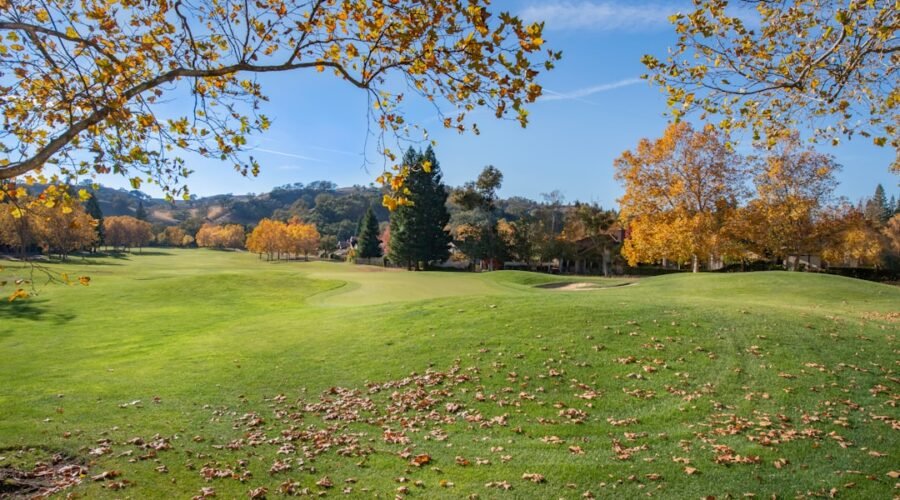
Choosing the best time to visit Bartın, Turkey, means balancing the Black Sea’s changing weather, Amasra‘s beautiful beaches, and the region’s forest trails. A perfect swimming holiday does not always fall in the best months for hiking or sightseeing. This guide compares monthly temperatures, rainfall, crowds, travel costs, and seasonal events so you can choose the right dates.
Quick Answer
The best time to visit Bartın is May to early June or September to early October for pleasant sightseeing weather and generally lighter crowds. Choose July or August for the warmest swimming conditions. May and September suit nature lovers, while November through February offers a quieter, wetter experience with fewer tourist services.
Last checked: October 23, 2026. Climate figures, published visitor information, and dated events were checked against official sources.
Key Takeaways
- May offers green landscapes, comfortable sightseeing temperatures, and fewer beach tourists, although the sea is still cool.
- July and August are the warmest months, with average daytime highs around 28–29°C (82–83°F) in Bartın.
- September is still suitable for coastal holidays, but October becomes noticeably wetter.
- December and January are among the wettest months. Mountain routes can also experience snow or ice.
- School holidays, religious festivals, and long weekends can bring crowds even outside the traditional summer peak.
Best Time to Visit Bartın: Weather by Month
Bartın has a humid Black Sea climate, with warm summers, cool winters, and rainfall throughout the year. Unlike Turkey’s Mediterranean coast, it does not have a consistently dry summer season.
The following figures come from the Turkish State Meteorological Service’s Bartın climate statistics, covering observations through 2025. Sea temperatures come from its 1970–2024 Black Sea temperature analysis. The sea figures are regional averages, not measurements from an individual Amasra beach.
| Month | Average High | Rainy Days | Black Sea Average |
|---|---|---|---|
| January | 9.5°C / 49°F | 16 | 9.2°C / 49°F |
| February | 10.7°C / 51°F | 14 | 8.0°C / 46°F |
| March | 13.5°C / 56°F | 14 | 8.2°C / 47°F |
| April | 18.1°C / 65°F | 12 | 10.1°C / 50°F |
| May | 22.4°C / 72°F | 10 | 13.9°C / 57°F |
| June | 26.3°C / 79°F | 9 | 19.1°C / 66°F |
| July | 28.4°C / 83°F | 7 | 23.0°C / 73°F |
| August | 28.6°C / 83°F | 6 | 24.3°C / 76°F |
| September | 25.3°C / 78°F | 8 | 22.5°C / 73°F |
| October | 20.8°C / 69°F | 12 | 19.1°C / 66°F |
| November | 16.2°C / 61°F | 13 | 15.3°C / 60°F |
| December | 11.5°C / 53°F | 17 | 11.8°C / 53°F |
Rainy days are rounded monthly averages, not a forecast of continuous rain. Weather may differ between Bartın city, coastal Amasra, and higher mountain areas.
Spring (March to May): Best for Green Landscapes
Spring is a beautiful time to explore Bartın’s forests, rivers, and historical areas. March can still feel chilly, but April becomes milder and May offers a much more comfortable mix of warmth and greenery.
- Temperature: Average daytime highs rise from 13.5°C (56°F) in March to 22.4°C (72°F) in May. Nights remain cooler, especially away from the coast.
- Rainfall: Showers are still possible, although average rainfall generally falls toward May. The vegetation is particularly green after the wetter months.
- Sea conditions: The Black Sea averages just 13.9°C (57°F) in May. Most visitors will find swimming cold, even when the air feels warm.
- Best activities: Walking around Amasra Castle, exploring the Bartın River, visiting waterfalls, hiking through woodland, and photographing spring flowers.
- Local events: Bartın’s tourism calendar lists a municipal theater festival in March. Its occurrence and dates should be confirmed for each new season.
Who should visit: Travelers who enjoy nature, photography, historic towns, and outdoor activities without depending on beach weather.
May is especially appealing, but national holidays can create temporary demand for accommodation. A late-May visit does not automatically guarantee empty streets.
Summer (June to August): Best for Beaches and Swimming
Summer is Bartın’s main beach season. July and August bring the warmest air and sea, while June marks the transition from relatively quiet sightseeing to busier coastal holidays.
- Temperature: Average daytime highs range from 26.3°C (79°F) in June to 28.6°C (83°F) in August. Humidity can make afternoons feel warmer.
- Rainfall: July and August have fewer rainy days than most other months. However, showers and thunderstorms still occur, so the region should not be treated as completely dry.
- Sea conditions: Regional Black Sea averages reach 23.0°C (73°F) in July and 24.3°C (76°F) in August. These are the most comfortable months for many swimmers.
- Best activities: Swimming, boat tours around Amasra, kayaking, paddleboarding, seaside dining, and visiting coastal villages.
- Local events: The regional tourism calendar lists the Kurucaşile Wooden Yacht and Boat Festival in July and the Ulus Nature Festival in August, subject to annual scheduling.
Who should visit: Families, beach lovers, and travelers who prefer a lively holiday atmosphere with the greatest choice of summer coastal activities.
During hot days, explore outdoor historical sites in the morning or late afternoon. Midday is better suited to shaded breaks and relaxed meals.
Autumn (September to November): Best for Mild Weather and Photography
September is one of the strongest alternatives to peak summer. It combines relatively warm weather with improving opportunities for sightseeing, while October and November bring increasing rainfall and cooler conditions.
- Temperature: Bartın’s average daytime highs fall from 25.3°C (78°F) in September to 20.8°C (69°F) in October and 16.2°C (61°F) in November.
- Rainfall: September is usually more manageable for outdoor activities. October averages about 114 mm of rain, compared with approximately 85 mm in September.
- Sea conditions: The Black Sea averages 22.5°C (73°F) in September and 19.1°C (66°F) in October. Early autumn can still offer pleasant swimming days.
- Best activities: Coastal walks, forest photography, historical sightseeing, local seafood restaurants, and enjoying the changing woodland colors.
- Local events: Bartın’s tourism calendar lists a bicycle festival in October and an international book fair around October–November.
Who should visit: Couples, photographers, walkers, and travelers seeking a balance between comfortable temperatures and fewer summer holiday crowds.
September can remain surprisingly popular on sunny weekends. For a quieter experience, consider weekdays, especially after the main school holiday period ends.
Winter (December to February): Best for Quiet Travel
Winter is Bartın’s quietest general travel period, but rain, cold temperatures, and reduced tourist services can make the trip less flexible. It is better for slow-paced cultural visits than beaches or demanding hikes.
- Temperature: Average daytime highs range from 9.5°C (49°F) in January to 11.5°C (53°F) in December. Nighttime lows average close to freezing in January and February.
- Rainfall and snow: December averages around 133 mm of precipitation, making it one of the wettest months. Snow is more likely to affect higher terrain, although coastal snow can also occur.
- Sea conditions: Black Sea water temperatures average 8.0°C (46°F) in February, making ordinary recreational swimming unsuitable for most visitors.
- Best activities: Quiet historical walks, museums, traditional guesthouses, local restaurants, winter photography, and views of snow-covered mountain scenery when conditions permit.
- Local events: Bartın’s tourism calendar lists a handicrafts and gift fair in December. January and February are generally more suitable for visitors who prefer solitude.
Who should visit: Travelers who enjoy calm towns, traditional food, and cultural experiences without needing a full range of tourist activities.
Expect shorter daylight hours. Some mountain roads and walking routes may become difficult or inaccessible after snowfall.
When Is Bartın Most Crowded?
Bartın’s busiest tourism period usually falls in July and August, especially in Amasra and the beach resorts. However, holiday weekends and festivals can also create busy periods during otherwise quieter months.
Peak Season: Late June to August
Summer crowds build as school holidays begin. Amasra’s harbor, restaurants, and beaches attract domestic visitors, particularly on weekends.
The Turkish Ministry of National Education’s school calendar confirms that the 2026–2027 school year ends on June 25, 2027. This makes late June onward an important period for summer family travel.
- July: Expect strong demand for beach accommodation, busy waterfront restaurants, and more activity around Amasra.
- August: Warm sea conditions continue, along with high demand and busy weekends.
- September: Visitor numbers may ease after schools reopen, but warm weather can still bring substantial weekend crowds.
Shoulder Season: May to Mid-June and September to October
These periods usually provide the best balance between pleasant weather and manageable crowds. Hotels are generally easier to find than during peak summer, although famous coastal spots remain popular.
The biggest advantage is flexibility. You can spend more time exploring the harbor, walking around Amasra Castle, and enjoying restaurants without always planning around peak beach traffic.
May and October have an important exception: national holidays and long weekends may produce short bursts of heavy visitor demand.
Off-Season: November to April
November through April is generally the quietest period. Small guesthouses and seasonal restaurants may reduce their services, but visitors can enjoy a more relaxed view of everyday life in Bartın.
Historic neighborhoods, the waterfront, and local markets can be particularly rewarding without large tourist groups. This period also gives photographers opportunities to capture quieter streets and misty coastal scenery.
Which Public Holidays and Festivals Affect Crowds?
Turkey’s public holidays can change hotel demand and road traffic outside the normal summer peak. For travelers planning a 2027 visit, the official 2027 Turkish holiday calendar confirms these important dates:
- March 9–11, 2027: Eid al-Fitr (Ramazan Bayramı).
- April 23, 2027: National Sovereignty and Children’s Day.
- May 16–19, 2027: Eid al-Adha (Kurban Bayramı), overlapping with the May 19 national holiday.
- July 15, 2027: Democracy and National Unity Day.
- August 30, 2027: Victory Day.
- October 29, 2027: Republic Day, following a half-day holiday on October 28.
These dates can attract domestic travelers, especially when combined with weekends or additional leave.
For local cultural events, the Visit Bartın regional events calendar lists theater, folk dancing, nature festivals, boat-building celebrations, cycling events, book fairs, and handicraft exhibitions. These listings describe established event periods rather than confirmed dates for every future year.
One important correction concerns the Bartın Culture and Art Festival. The city’s first International Culture and Art Festival was held from June 19–22, 2026, according to the published 2026 festival program. Its timing should not be assumed to remain in July or repeat on the same dates in 2027.
How Much Does It Cost to Visit Bartın?
Bartın can be a relatively affordable Turkish destination, but your travel dates influence the total cost. Accommodation is usually the biggest seasonal variable, followed by transport and paid activities.
Exact prices depend on your chosen town, hotel type, booking date, and holiday demand. Amasra’s waterfront accommodation often carries a premium during the busiest weeks.
Accommodation Prices by Season
Summer is generally the most expensive time to stay in popular coastal areas. Shoulder-season and winter visits may offer better value, although individual hotel prices vary widely.
- July–August: Hotels, apartments, and guesthouses experience their strongest summer demand. The original planning estimate suggests rates can be 30–50% higher than off-season prices, but this is not a verified market-wide average.
- May–June and September–October: Accommodation is usually more flexible. The original estimate places shoulder-season rates roughly 10–20% above the lowest off-season offers, but actual differences depend on the property and dates.
- November–April: Some properties may offer discounts during quiet months. However, fewer operating guesthouses can limit your choice, so lower demand does not guarantee the cheapest available room.
For better value, compare accommodation in Bartın city with properties in Amasra and other coastal areas. The city may suit visitors planning day trips rather than spending every day at the beach.
Flight and Transportation Costs
Bartın does not have its own commercial airport. Travelers often arrive through nearby Zonguldak Çaycuma Airport or use intercity road transport.
The regional transport guide identifies Zonguldak Çaycuma Airport as approximately 34 km from Bartın and lists buses, minibuses, taxis, and transfer services as transport options.
- Flights: Zonguldak Çaycuma Airport (ONQ) is the nearby airport option. Kastamonu Airport (KFS), Istanbul Airport (IST), and Sabiha Gökçen Airport (SAW) are alternatives, but they require longer onward journeys.
- Intercity buses: These are often a practical choice for travelers already in Turkey. Costs vary by route, operator, and travel date.
- Car rental: Renting a car is useful if you want to explore multiple beaches and rural attractions. Rental rates may increase during busy holiday periods.
- Fuel: Budget for the distance between attractions and possible mountain routes. Fuel prices can change throughout the year rather than remaining fixed.
If you plan to explore remote forest attractions, compare the full cost of taxis and transfers with renting a vehicle. The lowest daily rental price is not always the lowest total travel cost.
Dining, Activities, and Shopping
Restaurant meals, local shopping, and sightseeing are less directly tied to the tourist season than hotel prices, but availability and demand still matter.
- Dining: Traditional restaurants in Bartın city and Amasra serve local dishes and seafood. Popular waterfront restaurants may be busier in summer and may offer different menus.
- Boat tours: Amasra’s coastal boat trips are more commonly available during favorable summer weather. Departures depend on sea conditions, operators, and passenger demand.
- Museums: Budget separately for any admission fees. Museum charges and visitor eligibility rules can differ.
- Souvenirs: Locally made wood crafts, textiles, and decorative items are worth exploring. Prices depend on the seller and product rather than a fixed seasonal schedule.
Several enjoyable activities need little or no spending beyond transport. Walking along Amasra’s harbor, photographing the coastline, and exploring public streets offer a rewarding introduction to the area.
Best Activities in Bartın by Season
The ideal season depends on what you want to do. Bartın combines historic waterfront towns, beaches, forests, mountain scenery, and traditional culture, so different months favor different activities.
Beaches and Swimming: July to Early September
July and August offer the most dependable combination of warm weather and comfortable swimming temperatures. Late June and early September are appealing alternatives for travelers who want a beach visit with potentially lighter crowds.
The Bartın Provincial Directorate of Culture and Tourism identifies several popular coastal destinations:
- Büyük Liman, Amasra: A convenient beach area close to the historic town and waterfront restaurants.
- İnkumu Beach: A popular sandy beach destination for visitors staying in or around Bartın.
- Mugada Beach: A coastal alternative with green surroundings and sandy areas.
- Çakraz Beach: A beach east of Amasra with accommodation and dining options.
- Güzelcehisar: A coastal destination that also attracts visitors interested in the surrounding natural landscape.
Swimming may remain pleasant during suitable September weather. By October, cooler water and less predictable conditions make sightseeing a more dependable choice.
Warning: Black Sea beaches can experience dangerous rip currents, strong waves, and temporary swimming restrictions even during summer. Enter the water only in permitted swimming areas, follow beach flags and lifeguard instructions, and never treat sunny weather as proof that the sea is safe.
Bartın’s governorate issued specific summer coastal safety measures in 2026 addressing rip currents, supervised swimming areas, and beach warnings. These measures show why sea conditions matter just as much as water temperature.
Hiking and Nature: May, June, September, and October
Spring and early autumn are the most comfortable periods for exploring Bartın’s green countryside. May is ideal for lush scenery, while September and October offer changing foliage and attractive photography conditions.
Küre Mountains National Park is one of the region’s major nature destinations. It extends across Bartın and Kastamonu provinces and contains forests, canyons, caves, and waterfalls.
According to the official Küre Mountains National Park authority, important attractions include Valla Canyon, Horma Canyon, and Ilıca Waterfall.
- Horma Canyon: Known for its dramatic rock formations and walking route. Its maintained wooden walking platform provides access through part of the canyon landscape.
- Valla Canyon: An impressive deep canyon with elevated viewpoints and steep surrounding terrain.
- Ilıca Waterfall: A scenic waterfall near Pınarbaşı, especially appealing for nature photography.
- Bartın River: A convenient option for gentler walks and enjoying the town’s riverside setting.
Horma Canyon, Valla Canyon, and Ilıca Waterfall are on the Kastamonu side of the wider national park area. They require more travel than a simple walk around central Bartın or Amasra.
Winter snow, ice, and heavy rainfall can make trails unsafe or difficult to access. Do not attempt demanding canyon routes without appropriate conditions, equipment, and route knowledge.
Historical and Cultural Sightseeing: May to June and September to October
Bartın’s historic attractions are best explored during mild weather. May, early June, September, and early October allow comfortable walking without the busiest summer beach crowds.
Amasra is particularly rewarding for travelers interested in architecture and history.
- Amasra Castle: Explore the surviving historic fortifications and streets around the town’s peninsula.
- Kemere Bridge: Walk across the historic stone bridge connecting the town with Boztepe.
- Amasra Museum: See archaeological and ethnographic objects reflecting the area’s long history.
- Kuşkayası Road Monument: Discover a Roman-era roadside monument along the Bartın–Amasra route.
- Amasra’s old town: Explore traditional streets, waterfront views, small shops, and historical surroundings.
The official Amasra Museum listing gives an opening time of 08:30, closing time of 20:00, and final ticket time of 19:30. It lists Monday as the weekly closing day. Seasonal hours may differ, particularly in winter.
For visitors combining history with a relaxed coastal holiday, Amasra offers enough variety to enjoy even when the weather is unsuitable for swimming.
Photography: Spring and Autumn
Spring and autumn offer some of the most attractive conditions for photographing Bartın’s coastline and forest scenery. Softer light, fresh vegetation, autumn leaves, and changing clouds create varied opportunities.
- Spring: Photograph green hillsides, flowers, rivers, and dramatic cloudy skies.
- Summer: Capture sunny beaches, colorful harbor activity, fishing boats, and coastal sunsets.
- Autumn: Focus on changing leaves, misty forest scenes, historic streets, and softer coastal light.
- Winter: Look for atmospheric cloud formations, quiet waterfronts, and snow-covered mountains when conditions allow.
Amasra’s harbor, castle walls, and surrounding viewpoints provide particularly appealing compositions. Early morning often offers softer light and fewer people in the foreground.
Practical Bartın Travel Tips by Season
Choosing your travel month is only the first part of planning. Your accommodation, clothing, transport, and daily schedule should match the weather and tourist demand.
| Month | Weather | Crowds | Costs |
|---|---|---|---|
| April – May | Mild to warm, with possible showers | Low to moderate; holidays can be busy | Usually moderate |
| June – August | Warm, humid, and generally fewer rainy days | Rising in June; high in July–August | Highest during peak weeks |
| September – October | Warm to mild, with increasing rainfall | Moderate to low outside busy weekends | Usually moderate |
Summer Travel Tips (July to August)
Summer requires the most advance planning because beach accommodation and coastal restaurants experience stronger demand. Booking early improves your choice of properties and locations.
- Reserve accommodation early: Popular rooms in Amasra and other beach areas can fill during holiday weekends.
- Plan outdoor sightseeing for cooler hours: Visit castles, viewpoints, and old-town streets before the strongest afternoon heat.
- Carry drinking water: Warm and humid conditions can make long walks tiring.
- Allow extra travel time: Coastal roads and parking areas can become busy when day-trippers arrive.
Shoulder-Season Travel Tips (May to June and September to October)
Shoulder-season travel is more flexible, but changing temperatures require adaptable clothing. A sunny afternoon can turn into a cool evening or a wet morning.
- Pack layers: Bring a light jacket or sweater for cooler evenings.
- Prepare for rain: Waterproof footwear and a compact rain jacket are useful, particularly during autumn.
- Choose activities by weather: Save exposed coastal walks for clearer days and keep museums or indoor dining as alternatives.
- Leave room for local events: Small festivals and cultural programs may provide an unexpected highlight.
Off-Season Travel Tips (November to April)
Off-season visits work best when you plan for fewer tourist services and less dependable outdoor weather. A flexible schedule makes a winter trip more enjoyable.
- Confirm accommodation availability: Some seasonal guesthouses may close or reduce their services.
- Pack warm, waterproof clothing: Rain, cold evenings, and mountain snow are possible.
- Plan transportation carefully: Services to remote attractions may be less frequent outside the main tourist season.
- Prioritize indoor alternatives: Museums, restaurants, and cultural activities can replace outdoor plans during bad weather.
Which Month Should You Choose for Your Bartın Trip?
The right month depends on your main reason for visiting. A simple way to decide is to start with the activity you care about most, then consider weather and crowd levels.
- Best overall balance: May or September.
- Best swimming conditions: July and August.
- Best time for nature and hiking: May, early June, September, and suitable October days.
- Best historical sightseeing weather: May, June, September, and early October.
- Best for a quieter holiday: November through February, with weather limitations.
- Best for photography: Spring greenery in April–May and autumn scenery in October–November.
- Best chance of lower accommodation costs: Off-season dates outside national holidays, subject to individual hotel availability.
For a first visit, May or September is a sensible starting point. Choose May for greener landscapes and more comfortable hiking conditions, or September if you want historic sightseeing with a reasonable chance of enjoying the sea.
Frequently Asked Questions
What is the best time to visit Bartın, Turkey, for good weather?
May, early June, and September offer some of the best weather for visiting Bartın. These months combine comfortable daytime temperatures with good opportunities for outdoor sightseeing. July and August are warmer, while October becomes wetter and winter brings cooler temperatures.
When is the peak tourist season in Bartın?
July and August are generally the peak tourist months in Bartın, especially around Amasra and the beaches. Late June can also be busy as school holidays begin. Public holidays and sunny weekends may create heavy demand outside these months.
When is the off-peak season in Bartın?
November through April is generally Bartın’s off-peak travel period. Tourist numbers are lower, and some accommodation providers may offer better rates. However, rain, cold weather, reduced opening hours, and occasional snow can limit outdoor activities.
How much does it cost to visit Bartın throughout the year?
Visiting Bartın generally costs more during the busiest summer weeks because accommodation demand increases. May, September, and quieter winter dates may offer better hotel value. Total expenses also depend on your transport, accommodation standard, restaurant choices, and paid attractions. There is no single reliable year-round average trip price.
Are there festivals or events to consider when visiting Bartın?
Yes, Bartın’s regional events calendar includes cultural festivals, folk dancing, boat-building celebrations, nature events, and book fairs. The first Bartın International Culture and Art Festival took place on June 19–22, 2026. Future festival dates may differ, so historical dates should not be treated as confirmed annual schedules.
Can you swim in Amasra in September?
Yes, swimming in Amasra can still be comfortable during suitable September weather. The Black Sea’s long-term regional average water temperature for September is about 22.5°C (73°F). However, waves, currents, and temporary swimming restrictions must be considered before entering the water.
Does it snow in Bartın during winter?
Yes, Bartın can experience snow during winter, although rain is more common in lower coastal areas. Higher elevations around the Küre Mountains are more likely to have snowy or icy conditions. Winter visitors should prepare for colder nights and possible mountain-road disruption.
Sources
- Turkish State Meteorological Service — Bartın Climate Statistics: Average monthly temperatures, precipitation, and rainy-day data through 2025.
- Turkish State Meteorological Service — Black Sea Temperature Analysis: Regional monthly sea temperature averages for 1970–2024.
- Bartın Provincial Directorate of Culture and Tourism — Beaches: Official information about Amasra, İnkumu, Mugada, Çakraz, and other coastal areas.
- Küre Mountains National Park Authority: Information about the national park, canyons, waterfalls, and protected natural areas.
- Ministry of Culture and Tourism — Amasra Museum: Museum details, collections, published opening hours, and weekly closure.
- Visit Bartın — Regional Events Calendar: Listed annual cultural, nature, and community events.
- Bartın.info — 2026 International Culture and Art Festival: Reported June 19–22, 2026, festival schedule.
- Presidency of Religious Affairs — 2027 Official Holiday Calendar: Confirmed national and religious holiday dates.
- Turkish Ministry of National Education — 2026–2027 School Calendar: School term and summer holiday dates.
- Bartın Governorate — 2026 Summer Safety Measures: Official precautions concerning swimming, rip currents, and beach safety.
- Visit Bartın — Transportation Guide: Airport access, road connections, buses, and local transportation.