When it comes to visiting Charlevoix, Quebec, the best time depends on what you want from your trip. July and August bring warmer weather, outdoor adventures, and lively towns. September and early October offer beautiful fall colors, while winter draws skiers and snow lovers. If you prefer quieter streets and more flexible travel plans, late spring and late fall are also worth considering.
Quick Answer
The best time to visit Charlevoix, Quebec, is July through September for warm-weather activities and outdoor sightseeing. Visit in late September or early October for fall foliage, May through October for whale-watching excursions, and during the winter ski season for snow sports. June and selected autumn weekdays offer opportunities for a quieter trip.
Key Takeaways
- Warm-weather travel: July and August provide long days and a broad selection of seasonal activities.
- Fall colors: Late September through early October is a useful planning window, although peak foliage varies each year.
- Whale watching: Commercial excursions generally operate from May through October.
- Skiing: Plan around the operating calendars and snow conditions at Le Massif and Mont Grand-Fonds.
- Quieter travel: Consider June weekdays, late October, or November, while checking which seasonal attractions remain open.
- Travel costs: Compare actual accommodation rates rather than assuming every shoulder-season or winter date is inexpensive.
Charlevoix Month-by-Month Travel Guide
Charlevoix changes considerably throughout the year. The river, mountain elevations, and seasonal tourism calendar all influence what you can do during your visit.
Use this comparison to narrow down your dates before checking individual attraction schedules.
| Month | Typical Conditions | Travel Demand | Main Attractions |
|---|---|---|---|
| January | Cold and snowy | Ski and holiday demand | Skiing and snowshoeing |
| February | Cold winter conditions | Busy ski weekends | Winter sports and cozy stays |
| March | Winter gradually transitions toward spring | Variable around school breaks | Late-season skiing |
| April | Thawing, wet, and variable | Generally quieter | Town visits, galleries, and scenic drives |
| May | Cool to mild spring weather | Usually lighter than midsummer | Birdwatching and early whale tours |
| June | Milder with longer days | Increasing through the month | Hiking, cycling, and whale watching |
| July | Warm summer weather | High | Outdoor adventures and festivals |
| August | Warm summer weather | High | Hiking, river excursions, and cycling |
| September | Mild days and cooler evenings | Moderate; foliage demand rises | Fall colors and scenic drives |
| October | Cooler, with possible frost | Busy during foliage weekends | Autumn hiking and photography |
| November | Cold, with possible rain or snow | Generally low | Quiet town stays and indoor attractions |
| December | Winter conditions develop | Increases around holidays | Winter scenery and skiing when open |
Note: Crowd descriptions are general travel-planning guidance, not measured monthly visitor counts. Weather, snowfall, foliage, and attraction availability change from year to year.
1. Summer: Warm Weather and Outdoor Adventures (July and August)
Summer is when Charlevoix comes alive. Warm afternoons, long daylight hours, and a busy events calendar make July and August attractive for visitors who want to spend most of their time outdoors.
Weather: Warm and Sunny Days
July and August are generally the warmest months in Charlevoix. Daytime conditions are often comfortable for hiking, sightseeing, cycling, and exploring the towns.
However, rain and occasional thunderstorms remain possible. Temperatures also vary between riverside communities and higher mountain trails.
Bring breathable clothing, a light rain jacket, sunscreen, and comfortable walking shoes. Pack an extra warm layer if you plan to spend time on the St. Lawrence River.
Crowds: Bustling and Energetic
Summer is one of the busiest travel periods. Popular destinations such as Baie-Saint-Paul, La Malbaie, and the national parks attract visitors from across Quebec and beyond.
Expect more activity around restaurants, accommodations, scenic viewpoints, and popular trailheads, especially during weekends and holidays.
If you enjoy festivals, outdoor dining, and lively streets, this atmosphere is part of summer’s appeal. If you prefer solitude, start your activities early and consider visiting popular attractions on weekdays.
Costs: Higher During Popular Dates
Accommodation rates can increase during popular summer travel periods, particularly for well-located hotels, cottages, and waterfront properties.
Compare prices across several dates and book accommodation early if your schedule is fixed.
Whale-watching excursions and other popular activities may also sell out during busy periods, even when their published ticket prices remain unchanged.
There are still ways to control your budget. Scenic drives, exploring town centers, and selected walking routes offer enjoyable experiences without requiring an expensive guided activity.
Activities: Endless Possibilities
Summer offers one of the widest selections of things to do in Charlevoix.
- Whale watching: Take a commercial excursion from Baie-Sainte-Catherine or the nearby Tadoussac area.
- Hiking: Explore Parc national des Hautes-Gorges-de-la-Rivière-Malbaie or Parc national des Grands-Jardins.
- Cycling: Discover scenic routes and designated cycling trails.
- Water activities: Enjoy canoeing, kayaking, and other activities where operators and conditions permit.
- Arts and culture: Visit galleries, local markets, and seasonal events in Baie-Saint-Paul and surrounding communities.
- Food experiences: Sample regional cheeses, farm products, bakeries, and locally produced specialties.
Park activities have different operating periods. Check the official Hautes-Gorges visitor information before making plans.
Where you stay also affects your experience. Baie-Saint-Paul offers convenient access to galleries, restaurants, and the western part of the region. La Malbaie works well for exploring the eastern attractions, while Baie-Sainte-Catherine is useful for travelers prioritizing whale-watching departures.
2. Spring: The Awakening (May and June)
Spring in Charlevoix offers a quieter experience than midsummer, but it comes with more variable weather and seasonal access considerations.
May and June are particularly appealing for travelers who enjoy watching the landscape turn green and want to explore the region before the busiest summer weeks.
Weather: Improving and Variable
May can still feel cool, especially in the mornings and evenings. Higher elevations may retain snow after conditions have improved in the towns.
By June, daytime temperatures generally become milder, vegetation fills out, and longer days provide more time for outdoor sightseeing.
Pack layers, waterproof footwear, and a rain jacket. Do not assume that a warm forecast in Baie-Saint-Paul means a high mountain trail will be free of snow or mud.
Crowds: Mellow and Manageable
Spring often brings fewer visitors than July and August. Weekdays can be particularly pleasant for galleries, restaurants, photography, and relaxed sightseeing.
However, weekends, holidays, and special events can still create local demand.
June becomes busier as seasonal attractions open and summer approaches.
Costs: Opportunities for Better Rates
Spring can provide opportunities to find attractive accommodation rates before peak summer demand.
Compare several properties rather than assuming every May or June date will be cheaper. Some seasonal businesses may offer fewer services or limited operating hours early in the season.
A lower room rate is not always a better overall deal if the activities you want are unavailable.
Activities: Nature’s Renewal
Spring is a rewarding time for birdwatching, waterfall photography, town walks, and exploring local art galleries.
As snow melts, rivers and waterfalls can carry more water, creating dramatic scenery. Hiking becomes more practical as trails dry, although higher-elevation routes may open later.
Whale-watching excursions generally begin in May. Departures become more frequent as the summer season approaches.
According to Parks Canada, commercial whale-watching excursions normally operate from May through October.
Warning: Do not assume every mountain trail is ready for hiking in May. Sépaq normally opens the Acropole-des-Draveurs trail around the second Friday of June, depending on conditions. Always check trail status before departing.
3. Fall: A Kaleidoscope of Colors (September and Early October)

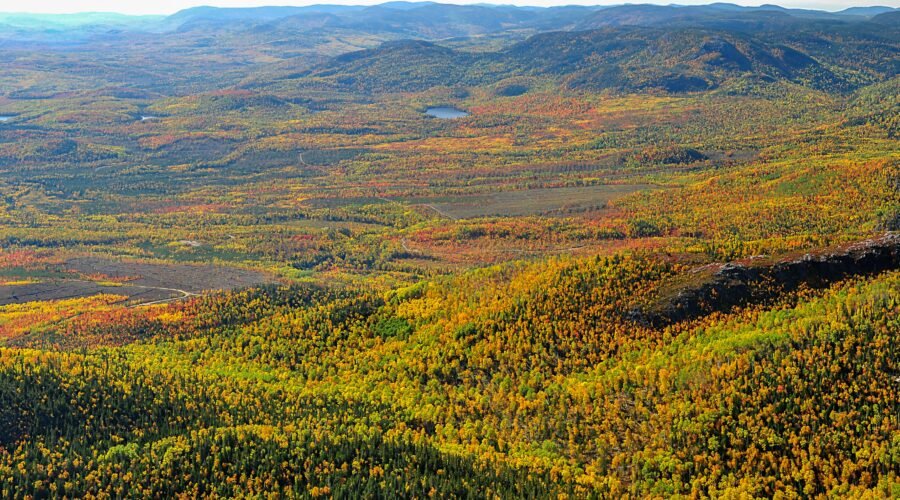
Fall is one of Charlevoix’s most visually striking seasons. Forested mountains, charming villages, and the St. Lawrence River create a beautiful setting as the leaves change color.
September and early October are especially attractive for scenic drives, photography, and hiking in cooler weather.
Weather: Crisp and Colorful
September often brings comfortable daytime conditions, while evenings become noticeably cooler.
October is colder, with a greater chance of frost and changing mountain conditions.
The main attraction is the fall foliage. Colors often develop in the higher elevations before reaching lower valleys and riverside areas.
Late September through early October is a useful planning window, but no single weekend is guaranteed to provide peak colors across the entire region.
Weather, elevation, tree species, and seasonal conditions all influence the timing.
Crowds: Diminishing but Still Present
Summer vacation traffic generally eases after August, but popular foliage weekends can remain busy.
Expect visitors at scenic viewpoints, national parks, and popular sections of Route 362.
Weekday travel may offer a more relaxed experience, particularly outside major holiday periods.
By late October, crowds often become lighter as the main foliage display fades.
Costs: Good Value Depends on Your Dates
Fall can offer attractive accommodation options, especially after the busiest summer period.
However, peak foliage weekends may command strong demand. Do not assume that an early October weekend will automatically cost less than a July weekday.
Compare actual rates, cancellation conditions, and property locations before booking.
Travelers with flexible schedules may find more options by staying during the week.
Activities: Scenic Beauty and Harvest Fun
Scenic drives are among the main reasons to visit Charlevoix in autumn.
Route du Fleuve (Route 362), between Baie-Saint-Paul and La Malbaie, provides beautiful views of the St. Lawrence River and surrounding landscapes.
Stop in communities such as Les Éboulements and Saint-Irénée to enjoy the scenery, local food, and village atmosphere.
For more inspiration, consult the official Tourisme Charlevoix fall-colors guide.
Other autumn activities include:
- Hiking in the national parks while trails remain open.
- Photographing colorful valleys and mountain viewpoints.
- Visiting farms, markets, and seasonal harvest events.
- Exploring galleries and museums.
- Taking whale-watching excursions while operators continue their seasonal departures.
Whale-watching tours commonly continue through October, although departures and conditions vary.
Pro Tip: For a fall road trip, combine Route 362 with a visit to a higher-elevation park. This gives you different scenery and may improve your chances of seeing colorful foliage even when one area is past its peak.
4. Late Fall and Early Winter: The Transition (Late October and November)

Late October and November bring a quieter side of Charlevoix. The bright autumn colors fade, the air becomes colder, and the region prepares for winter.
This period can appeal to travelers who prefer peaceful accommodations, scenic town visits, and a slower itinerary.
Weather: Chilly and Unpredictable
Late fall can bring cold mornings, rain, frost, and occasional snow.
Conditions can change quickly, especially in the mountains. Roads may be wet or icy, while exposed trails can become slippery.
Many deciduous trees have lost their leaves by November, giving the landscape a quieter appearance.
Bring waterproof footwear, warm layers, gloves, and weather-resistant outerwear.
Crowds: A Quieter Experience
Visitor demand often decreases after the main foliage season.
Restaurants, galleries, and scenic viewpoints may feel more relaxed than during summer or peak autumn weekends.
However, quieter travel also means that some seasonal businesses operate reduced hours or temporarily close.
Confirm opening hours before building your itinerary around a specific attraction.
Costs: Potential Off-Season Savings
Late fall may offer opportunities for lower accommodation rates, particularly outside weekends and holidays.
Some hotels, inns, and cottages may offer packages or reduced rates to attract visitors during quieter periods.
Availability and discounts vary by property, so compare your preferred dates directly.
Also consider dining options and transportation costs. A cheaper room may be less convenient if nearby restaurants or seasonal activities are closed.
Activities: Focused on Serenity
Late fall is well suited to relaxed sightseeing, photography, museums, art galleries, and cozy evenings in local accommodations.
Walking through Baie-Saint-Paul or La Malbaie can be enjoyable when properly dressed for the weather.
Some hiking routes remain accessible, but trail conditions and available park services vary. Check official park information before visiting.
Commercial whale-watching excursions generally finish by the end of October.
Before traveling, review attraction operating hours and make a flexible plan with both indoor and outdoor activities. This is especially useful during November’s unpredictable weather.
5. Winter: A Snowy Wonderland (December to March)
Winter transforms Charlevoix into a destination for skiing, snowboarding, snowshoeing, and snowy mountain scenery.
Although conditions vary from year to year, the main winter tourism period generally runs from December through March, with some activities extending into spring when conditions permit.
Weather: Cold and Snowy
Winter temperatures frequently remain below freezing, and mountain areas can experience substantial snowfall.
Wind, snow, and rapidly changing conditions can make outdoor activities feel considerably colder.
Pack an insulated winter coat, waterproof boots, gloves, a hat, and warm base layers.
If you plan to ski or snowshoe, dress in layers that allow you to adjust to changing temperatures and physical activity.
Crowds: Active and Focused
Winter visitors are often drawn to the ski areas, including Le Massif de Charlevoix and Mont Grand-Fonds.
Ski weekends, holidays, and school breaks can be busy even when nearby towns are quieter than they are in summer.
Travelers who prefer a quieter atmosphere may find more flexibility on selected weekdays outside major holiday periods.
Costs: Season-Specific Pricing
Winter accommodation prices vary considerably by date and location.
Properties near ski areas can attract strong demand during weekends, Christmas, New Year, and school holidays.
Lift tickets, equipment rentals, lessons, and guided activities can also increase the total cost of a winter trip.
Compare complete trip costs rather than looking only at accommodation rates.
Activities: Snow-Filled Adventures
Charlevoix offers a wide range of winter experiences.
- Downhill skiing and snowboarding: Explore Le Massif de Charlevoix or Mont Grand-Fonds when lifts and runs are open.
- Cross-country skiing: Discover designated winter trail networks.
- Snowshoeing: Enjoy quieter forest and mountain routes suited to winter travel.
- Dog sledding: Look for guided experiences when operators are running.
- Ice skating and fat biking: Check local facilities and trail conditions.
- Ice fishing: Use appropriate designated areas or guided services where available and permitted.
- Food and culture: Visit local bakeries, chocolatiers, restaurants, galleries, and museums.
Le Massif publishes its operating calendar and weather-dependent updates on its official winter hours page.
Warning: Winter driving in Charlevoix requires preparation. Québec requires approved winter tires on Québec-registered vehicles, including rental vehicles, from December 1 through March 15. Check road conditions, reduce your speed when necessary, and avoid driving during severe weather warnings.
Best Time to Visit Charlevoix by Activity
If you already know what you want to do, choosing your travel dates becomes much easier.
- Whale watching: May through October, with more frequent commercial departures during the main summer period.
- Fall foliage: Usually late September through early October, depending on elevation and seasonal weather.
- Hiking: June through early October is a useful general window, but individual trails have different opening dates.
- Warm-weather sightseeing: July and August.
- Photography: September and October for colorful landscapes; winter for snow-covered scenery.
- Skiing and snowboarding: During the published winter operating season, subject to snow and lift conditions.
- Quieter travel: Selected spring and late-fall weekdays.
- Food, galleries, and town visits: Available throughout the year, although individual opening hours may change seasonally.
Important Things to Know Before Visiting Charlevoix
1. Check Seasonal Park Access
Charlevoix’s national parks are major attractions, but access to specific trails, visitor centers, transportation services, and activities varies by season.
For example, Parc national des Hautes-Gorges-de-la-Rivière-Malbaie uses a seasonal shuttle system to manage vehicle traffic within the park.
The Acropole-des-Draveurs trail also has specific opening periods and departure restrictions.
Check the official Acropole-des-Draveurs hiking information before attempting this challenging route.
For Parc national des Grands-Jardins, consult its official visitor information.
2. Plan Whale-Watching Trips Carefully
Baie-Sainte-Catherine and nearby Tadoussac are important starting points for whale-watching excursions in the Saguenay–St. Lawrence Marine Park area.
Commercial cruises generally operate from May through October.
Shore-based whale observation is another option. Parks Canada identifies observation locations such as Pointe-Noire, Cap-de-Bon-Désir, and the Marine Environment Discovery Centre.
However, individual interpretation centers have seasonal operating periods.
Whale sightings are never guaranteed. Weather, sea conditions, wildlife movements, and operator schedules all affect the experience.
For official guidance, consult Parks Canada’s whale-watching information.
3. Choose Your Accommodation Area
Charlevoix covers a large region, so your accommodation location can make a significant difference to your itinerary.
- Baie-Saint-Paul: Convenient for galleries, restaurants, local shops, and western Charlevoix.
- La Malbaie: A useful base for eastern Charlevoix, scenic drives, and regional attractions.
- Baie-Sainte-Catherine: Particularly convenient for some whale-watching excursions.
- Petite-Rivière-Saint-François: Worth considering when Le Massif and nearby mountain activities are central to your trip.
For a short visit, choose accommodation close to your main activities rather than spending unnecessary time driving between different parts of the region.
4. Prepare for Changing Weather
Weather can vary between the riverfront and mountain elevations.
Even during summer, a whale-watching excursion can feel cold because of the wind and conditions on the water.
Mountain weather can change quickly, so bring appropriate clothing and check the forecast before hiking.
For winter road travel, review Québec 511 road conditions.
5. Allow Enough Time to Explore
A weekend provides time to explore one part of Charlevoix, enjoy local food, and visit a major attraction.
Three to four days allow for a more relaxed combination of scenic drives, hiking, town visits, and seasonal activities.
If whale watching is a priority, avoid scheduling your excursion too close to your departure time. Weather-related changes can affect boat trips.
Note: The best travel dates depend on the activities you want to experience. Before booking, confirm attraction schedules, accommodation availability, weather forecasts, and seasonal road conditions.
Ultimately, Charlevoix offers memorable experiences in every season. Summer brings outdoor adventures, fall delivers colorful landscapes, winter offers snow sports, and the quieter months create opportunities for slower travel. Match your dates to your priorities, allow room for changing weather, and plan ahead for the attractions that matter most to you.
Frequently Asked Questions
What is the best time to visit Charlevoix, Quebec, for favorable weather?
July and August generally offer the warmest weather for outdoor sightseeing, hiking, and exploring the region. June and September can also provide pleasant conditions with cooler temperatures. Rain remains possible throughout the warmer months.
When is the peak tourist season in Charlevoix, Quebec?
Summer is a major tourism season, particularly July and August. Peak foliage weekends and popular winter ski dates can also attract significant demand.
When is the off-peak season in Charlevoix for lower crowds and costs?
Late fall and selected spring weekdays often offer quieter travel conditions. Accommodation rates vary, so compare actual dates and properties. Winter is not uniformly off-peak because skiing, holidays, and school breaks can create strong demand.
What is the shoulder season in Charlevoix, Quebec?
Late spring and autumn are useful shoulder-season travel periods. May and June offer the transition toward summer, while September and October bring cooler conditions and fall foliage. Individual attractions may operate on seasonal schedules.
How does the cost of visiting Charlevoix vary throughout the year?
Accommodation prices often reflect seasonal demand, weekends, holidays, and special events. Summer, peak foliage weekends, and popular ski dates may be expensive. Quieter periods can offer better rates, but there is no guaranteed cheapest month for every property or activity.
When is the best time for whale watching in Charlevoix?
Commercial whale-watching excursions generally operate from May through October. Departures are more frequent during the main summer season. Sightings depend on wildlife movements and conditions and cannot be guaranteed.
When do fall colors peak in Charlevoix?
Late September through early October is a useful planning window. Peak colors vary by elevation, weather, and location, so check regional foliage updates before traveling.
How many days should I spend in Charlevoix?
Two days are enough for a focused weekend in one part of the region. Three to four days provide more time for scenic drives, hiking, local food, whale watching, and exploring different communities without rushing.
Sources
- Tourisme Charlevoix — Official regional tourism information, seasons, attractions, and travel planning.
- Tourisme Charlevoix: Where to See Fall Colours — Autumn scenery and seasonal travel guidance.
- Parks Canada: Saguenay–St. Lawrence Marine Park Schedule — Whale-watching season and visitor-center operating periods.
- Sépaq: Hautes-Gorges-de-la-Rivière-Malbaie Visitor Information — Park access, visitor services, and seasonal shuttle information.
- Sépaq: Grands-Jardins Visitor Information — Park operating periods and seasonal services.
- Government of Québec: Requirements for Winter Tires — Official winter tire regulations and vehicle requirements.