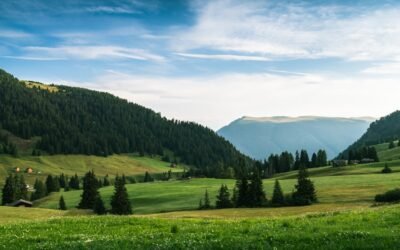
Planning a trip to Cide, Kastamonu? This small coastal town in northern Türkiye brings together long Black Sea beaches, forested hills, scenic bays, and a strong local culture. Choosing when to visit can make a big difference, especially if you want to swim, explore the surrounding countryside, or enjoy the town without the busiest summer crowds.
The best time to visit Cide depends on what you want from your trip. Summer brings warmer sea temperatures and a lively atmosphere, while late spring and early autumn offer a quieter setting for sightseeing. Even the cooler months have their appeal if you prefer coastal scenery and a slower pace.
Quick Answer
The best time to visit Cide, Kastamonu, is generally June through September. July and August are better suited to traditional beach holidays, while June and September offer a balance of comfortable sightseeing weather and a quieter atmosphere. May is attractive for greenery and hiking, but the sea may still feel cool. Rain remains possible throughout the year.
Key Takeaways
- Best overall balance: June and September offer appealing conditions for sightseeing and coastal exploration.
- Best beach season: July and August generally bring the warmest conditions for swimming and sunbathing.
- Best for quieter travel: May, early June, September, and October usually attract less summer-holiday traffic.
- Best for nature: Late spring and early autumn are attractive for forest walks and scenic drives.
- Important: Cide has a humid Black Sea climate. Always check the forecast and swimming conditions before outdoor activities.
1. Understanding Cide’s Weather and Seasons
Cide sits on Türkiye’s northern Black Sea coast. Its climate differs from the hotter, drier conditions many travelers associate with Mediterranean destinations.
The Turkish State Meteorological Service classifies Cide as humid or very humid under several climate classification systems. Summers are warm, winters are cool, and precipitation can occur in every season.
You can review the official Cide climate classification for more background.
That means you should plan for changing weather, even during a summer holiday. A sunny morning can give way to cloud cover or showers later in the day.
Shoulder Seasons: The Best of Both Worlds
The shoulder seasons are attractive if you want pleasant outdoor conditions without the busiest summer atmosphere.
- May and June: The surrounding hills and forests are green, and temperatures become more comfortable for walking and sightseeing. May can still feel cool near the water, while June marks the beginning of Cide’s traditional sea season. Bring a light rain jacket because showers remain possible.
- September and October: September often provides comfortable conditions for coastal walks and outdoor dining. The sea may retain some summer warmth, especially earlier in the month. October brings cooler conditions, shorter days, and a greater need for flexible outdoor plans.
For travelers interested in both the coastline and the surrounding countryside, June and September are especially practical choices.
Peak Season: Summer Vibes and Sunshine
July and August are the main months for a traditional seaside holiday in Cide.
These months generally bring warmer air and sea temperatures, longer beach days, and more activity around the waterfront.
Families on summer holidays add to the town’s atmosphere, and demand for popular accommodation can increase.
However, summer does not guarantee sunshine every day. Humidity, rain, wind, and rough seas are still possible along the Black Sea coast.
Note: Warm air does not always mean safe swimming conditions. Check local beach warnings, wave conditions, and lifeguard instructions before entering the water.
Off-Season: Quiet and Cozy
November through April brings a different side of Cide.
Temperatures are generally cooler, daylight hours are shorter, and wet or windy weather may affect outdoor plans.
This period is less suitable for a conventional beach holiday, but it can appeal to visitors interested in dramatic coastal landscapes, local food, photography, and a quieter atmosphere.
Some seasonal accommodation and tourism businesses may not operate throughout winter. Confirm availability before making your trip.
2. Decoding Cide’s Crowds: When to Go for Peace or Buzz
Cide’s atmosphere changes with the seasons. The right visiting period depends partly on whether you want a lively summer destination or a more relaxed coastal escape.
Avoiding the Rush: Your Guide to Solitude
May, early June, September, and October are useful months to consider if you prefer a quieter experience.
Outside major holidays and local events, you may find more room to enjoy the waterfront, scenic viewpoints, and nearby countryside.
September can be particularly attractive for travelers who want to combine coastal sightseeing with time outdoors.
Remember that weekends, public holidays, and festival dates can still bring additional visitors, even outside the main summer period.
Embracing the Bustle: For Those Who Love the Energy
July and August offer a livelier atmosphere around Cide’s beaches, restaurants, and waterfront.
These months suit visitors who enjoy summer evenings, family activities, and spending time near the sea.
If you have fixed travel dates during this period, reserve accommodation early enough to secure your preferred location and room type.
Check local event announcements before choosing your dates. A festival weekend can be especially lively and may affect accommodation availability.
3. Budgeting Your Cide Trip: Cost-Conscious Travel
Your travel costs will depend on your dates, transport arrangements, accommodation type, and how far ahead you book.
Seasonal demand can affect hotel availability and rates, but there is no single guaranteed cheapest month for every traveler.
Saving Money: Smart Strategies for Budget Travelers
- Off-season, November to April: Some operating properties may offer attractive rates, but fewer accommodation choices and weather-related travel limitations can reduce the practical value of a winter visit.
- Shoulder seasons, May, June, September, and October: These months are worth comparing if you want comfortable sightseeing conditions without relying entirely on peak-summer accommodation.
- Weekday stays: Compare weekday and weekend prices, especially around holidays and local events.
- Flexible dates: Check several nearby dates rather than assuming an entire month has the same prices.
Pro Tip: Compare the total cost of your trip, not just the nightly room rate. Include transport to Cide, local travel, meals, and any additional cost of reaching attractions outside the town center.
Splurging Wisely: When Prices Peak
July and August can bring stronger demand for accommodation near the beach.
If you are traveling during these months, compare hotels, pensions, and self-catering apartments before choosing where to stay.
Booking early can improve your selection, although it does not guarantee the lowest possible price.
Read cancellation terms carefully, particularly if your plans depend on beach weather or outdoor activities.
4. Cide’s Festivals and Events: Adding Local Flavor
Cide’s cultural calendar gives visitors another reason to plan beyond beach weather.
The town is closely associated with Turkish writer and poet Rıfat Ilgaz, and its local traditions include the distinctive sarı yazma headscarf.
Summer Celebrations: Beach Life and Local Festivities
One of Cide’s notable events is the Rıfat Ilgaz Sarı Yazma Culture and Art Festival.
The festival celebrates local culture, literature, art, and the legacy of Rıfat Ilgaz.
For example, the municipality’s published program for the 30th festival, held July 11–13, 2025, included cultural talks, exhibitions, music, local products, and activities associated with the Rıfat Ilgaz House.
Festival programs and dates can change from year to year. Check the official Cide Municipality website for current announcements before arranging your visit.
You can also explore the municipality’s published 2025 festival program to understand the type of activities associated with the celebration.
Autumnal and Springtime Events: A Quieter Cultural Experience
Outside the main summer festival period, Cide offers opportunities to explore local food, small businesses, regional products, and everyday town life.
Hıdrellez, traditionally associated with the arrival of spring in Türkiye, falls in early May. However, do not assume that a specific public celebration will take place in Cide without checking local announcements.
Local markets and small cultural activities may also vary by date and season.
If cultural events are central to your trip, check the municipality’s published calendar rather than relying on a general seasonal schedule.
5. Planning Your Activities: What Each Season Offers
The best month for your Cide holiday depends on whether you prioritize swimming, hiking, photography, or relaxed sightseeing.
Cide Month-by-Month Travel Comparison
The following table offers a practical seasonal overview. Crowd and cost descriptions are general planning expectations, not measured visitor totals or guaranteed accommodation prices.
| Month | Typical Conditions | Crowds | Travel Value |
|---|---|---|---|
| January | Cool, damp, and changeable | Usually low | Quiet stays; limited seasonal services |
| February | Cool with possible rain and wind | Usually low | Suitable for flexible indoor and scenic plans |
| March | Early spring; variable weather | Usually low | Good for quieter sightseeing when weather permits |
| April | Milder spring days with possible showers | Generally light | Appealing for greenery and coastal walks |
| May | Mild, green, and changeable | Generally light | Attractive for nature and sightseeing |
| June | Warmer; traditional sea season begins | Increasing | Good balance of beach time and exploration |
| July | Warm summer weather; showers remain possible | Usually high | Traditional beach holiday season |
| August | Warm air and generally warm sea conditions | Usually high | Popular for summer beach trips |
| September | Mild to warm; increasing seasonal variability | Generally easing | Strong option for mixed outdoor activities |
| October | Cooler with more changeable, often wetter conditions | Generally light | Good for flexible autumn sightseeing |
| November | Cooler, shorter days | Usually low | Quiet atmosphere; check accommodation availability |
| December | Cool, damp, and potentially windy | Usually low | Coastal photography and relaxed local stays |
Beach Bliss and Water Sports: Summer Dominance
Cide is known for its extensive coastline, including a long beach near the town and smaller coastal areas around the district.
The Kastamonu Provincial Tourism Directorate identifies June as the beginning of Cide’s traditional sea season and highlights its approximately 11-kilometer continuous beach.
July and August are generally the most suitable months for travelers who want to spend much of their holiday beside the water.
- Swimming and sunbathing: Summer usually offers the most comfortable combination of air and sea temperatures, although water conditions can change quickly.
- Boating and fishing: Coastal activities may be available through local operators. Confirm schedules, equipment, and weather restrictions before booking.
- Water sports: Kayaking, paddleboarding, and similar activities depend on local availability and suitable sea conditions. Do not assume equipment rental or guided activities will be operating on every beach.
- Gideros Bay: This sheltered-looking coastal setting is a worthwhile stop for its scenery and historic character. Swimming or boating should still depend on current local conditions.
For official destination information, see the Kastamonu tourism guide to Cide.
Important Black Sea Swimming Safety
Warning: Rip currents can occur along the Black Sea coast, including during the summer. Never assume a beach is safe simply because the weather is warm or the water appears inviting. Follow beach warnings, avoid swimming in rough conditions, and choose supervised swimming areas whenever possible.
Türkiye’s disaster management authority, AFAD, provides specific guidance about rip currents and swimming safety.
For a safer beach visit:
- Choose a designated swimming area with lifeguards when available.
- Follow warning flags, signs, and instructions from local authorities.
- Avoid entering the sea during rough or stormy weather.
- Never leave children unattended near or in the water.
- Do not swim alone or beyond your ability.
- Check local conditions before swimming, boating, or using water-sports equipment.
If caught in a rip current, remain as calm as possible. Do not exhaust yourself by swimming directly against it. Stay afloat, signal for help, and move parallel to the shore when you can safely do so.
Read the official AFAD rip-current safety guidance before your visit.
Hiking, Exploration, and Scenic Drives: The Appeal of Shoulder Seasons
May, June, September, and October can be appealing for travelers who prefer walking, photography, and exploring the natural surroundings.
The cooler conditions outside peak summer may make daytime sightseeing more comfortable, although rain can affect paths, roads, and visibility.
- Hiking around the Küre Mountains: The wider region offers forested landscapes and opportunities for nature exploration. Choose established routes and check current access conditions.
- Exploring local historical sites: Cide’s surrounding area has archaeological and historical remains, including sites associated with Okçular. Access and visitor facilities vary, so treat remote ruins as planned excursions rather than casual walk-in attractions.
- Scenic drives: Coastal roads and mountain routes offer attractive views, especially when weather and visibility are good.
- Gideros Bay: A scenic destination for photography, coastal views, and a relaxed stop.
- Kerempe Lighthouse: An identifiable landmark for visitors interested in Cide’s maritime landscape.
- Loç Valley: A scenic area associated with the region’s forested mountain environment.
Küre Mountains National Park extends across parts of Kastamonu and Bartın provinces. It is a broader regional destination rather than a single attraction in Cide’s town center.
Check access, route difficulty, weather, and travel time before planning a visit. Some destinations require additional road travel and should not be treated as short walks from the beach.
The official Türkiye Culture Portal guide to Küre Mountains National Park provides further information.
Note: Forest paths, steep terrain, and coastal viewpoints can become slippery after rain. Wear suitable footwear, avoid unmarked routes, and check current conditions before heading into remote areas.
Cozy Retreats and Local Immersion: The Off-Season Charm
Winter and early spring can provide a different perspective on the town.
- Enjoying local cuisine: Look for regional dishes and seasonal ingredients in year-round restaurants and guesthouses.
- Experiencing local life: Spend time around the town center, waterfront, and traditional gathering places without building your entire visit around beach activities.
- Photography: Cloudy skies, changing light, and dramatic coastal conditions can create interesting landscape opportunities.
- Relaxed sightseeing: Plan shorter outdoor visits between periods of wet or windy weather.
Do not approach exposed coastal edges, breakwaters, or cliffs during strong wind and rough seas just to take photographs.
6. Practical Considerations: Travel and Accommodation Nuances
Weather and crowd levels are only part of choosing the right travel dates. Transport, accommodation, and the location of your planned activities also matter.
Getting Around Cide: Transport Availability
Cide is a coastal district of Kastamonu province, and many of its natural attractions lie outside the main town center.
Your travel arrangements should depend on whether you plan to stay near the waterfront or explore the wider district.
- Summer, July–August: Confirm intercity and regional bus schedules early, especially around weekends, public holidays, and local events.
- Shoulder seasons, May–June and September–October: Check the available departures for your exact travel dates rather than assuming summer schedules remain unchanged.
- Off-season, November–April: Confirm transport and accommodation directly before traveling. Poor weather may also affect road conditions and journey times.
A rental car can be useful for visiting places such as Gideros Bay, Kerempe Lighthouse, and the surrounding countryside.
If you intend to rent a vehicle, compare collection locations and availability in advance. Do not assume every rental company offers a pickup point in Cide itself.
Allow extra time for winding roads, mountain routes, and stops along the coast.
Accommodation Choices: Booking and Variety
- Summer, July–August: Compare beachfront hotels, local pensions, and apartments early. Popular locations may have stronger demand during school holidays and events.
- Shoulder seasons, May–June and September–October: These months can offer a useful combination of accommodation choice and comfortable sightseeing conditions.
- Off-season, November–April: Confirm that your preferred property is operating and that heating, meals, and other required services are available.
For a beach-focused holiday, staying close to the waterfront can reduce your daily transport needs.
If you plan to explore the surrounding district, prioritize practical road access and parking where available.
What to Pack for Each Season
Cide’s variable coastal weather makes layered clothing useful throughout much of the year.
- Summer: Lightweight clothing, swimwear, sun protection, comfortable walking shoes, and a light rain jacket.
- Spring: Layers, waterproof footwear for outdoor walks, and a jacket for cooler evenings.
- Autumn: A warmer layer, rain protection, and suitable shoes for wet paths.
- Winter: Warm clothing, waterproof outerwear, and footwear suitable for damp conditions.
Bring a small day bag for coastal walks and keep an alternative indoor plan available when the weather changes.
How Many Days Should You Spend in Cide?
The ideal trip length depends on how much of the surrounding district you want to explore.
- One day: Enjoy the waterfront, town center, local food, and a scenic stop if transport allows.
- Two to three days: Combine beach time, Gideros Bay, and selected nearby attractions.
- Four days or longer: Allow more time for relaxed coastal travel, scenic drives, and excursions into the wider Kastamonu countryside.
If your main purpose is swimming, leaving an extra day in your schedule can help when rough seas or rain interrupt your beach plans.
In summary, June and September often offer the most balanced experience in Cide, with appealing opportunities for sightseeing, coastal walks, and relaxed travel. July and August are better suited to visitors who prioritize summer beach activities, while spring and autumn provide rewarding alternatives for nature lovers. Whatever month you choose, plan around the Black Sea’s changeable weather and check local conditions before traveling.
Frequently Asked Questions
1. What is the best time to visit Cide, Kastamonu, in terms of weather?
June through September generally offers the most appealing conditions for a combination of sightseeing and coastal activities. July and August are usually warmer, while June and September can be more comfortable for travelers who prefer less intense summer conditions. Rain remains possible throughout the year.
2. When is the peak tourist season in Cide, Kastamonu?
July and August are generally the main summer holiday months. These periods are associated with warmer beach weather and increased demand for coastal accommodation. Local events and public holidays can also bring additional visitors.
3. When is the off-peak season in Cide?
November through April is generally the quieter travel period. Conditions are cooler and more changeable, and some seasonal tourism businesses may be closed. Confirm accommodation and transport arrangements before visiting.
4. What are costs like during peak tourist season?
Accommodation demand can increase during July and August, particularly near the beach. Actual rates vary by property, booking date, room type, and local events. Compare several properties and travel dates before making a reservation.
5. When should I visit Cide to avoid crowds and control costs?
May, early June, September, and October are worth comparing. These periods can offer a quieter atmosphere than the main summer holiday months. However, actual prices depend on availability and specific travel dates.
6. What is the best month for swimming in Cide?
July and August generally provide the warmest conditions for beach holidays. Cide’s traditional sea season begins in June, but water temperature and swimming safety vary. Always follow local warnings and lifeguard instructions.
7. Does it rain a lot in Cide?
Cide has a humid Black Sea climate, so rainfall is possible in every season. Summer is generally more favorable for beach activities, but visitors should still prepare for showers. Autumn and winter require greater flexibility for outdoor plans.
8. When does Cide’s main cultural festival take place?
Cide’s Rıfat Ilgaz Sarı Yazma Culture and Art Festival is associated with the summer cultural calendar. The municipality’s published 2025 program ran from July 11 to July 13. Check official municipal announcements for dates in your intended travel year.
Sources
- Turkish State Meteorological Service — Cide Climate Classification — Official climate classifications based on the 1991–2020 climate period.
- Kastamonu Provincial Directorate of Culture and Tourism — Cide — Official information on the coastline, sea season, cultural heritage, and local attractions.
- Cide Municipality — Municipal tourism information, attractions, events, and announcements.
- Cide Municipality — 30th Rıfat Ilgaz Sarı Yazma Festival — Published program for the July 2025 cultural festival.
- Türkiye Culture Portal — Küre Mountains National Park — Official information about the protected mountain region.
- AFAD — Rip Current Safety Guidance — Official advice about Black Sea swimming hazards and responding to rip currents.