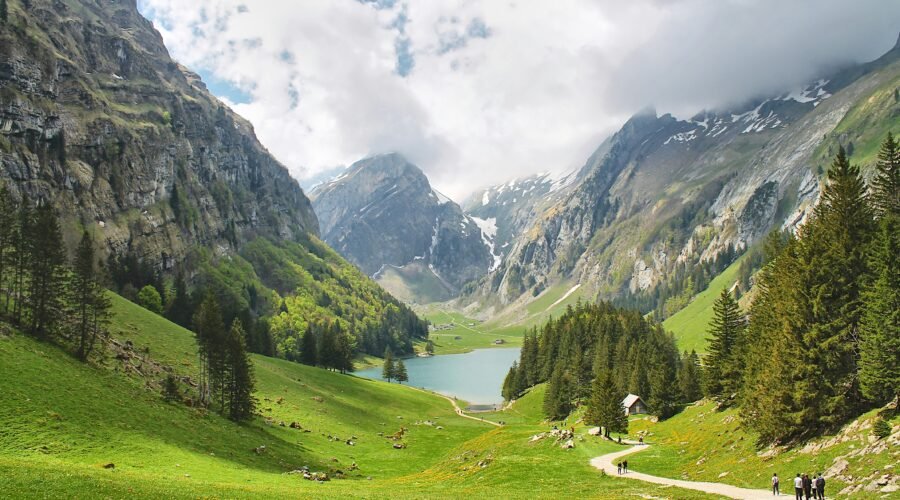
Choosing the best time to visit Appenzell Innerrhoden depends on what you want from the trip. Late spring through early autumn gives you the widest choice of walks, mountain excursions, cableways, and outdoor sightseeing, while winter brings snow-covered scenery and a quieter atmosphere. The important detail is elevation: conditions in Appenzell village can be very different from those high in the Alpstein mountains.
Quick Answer
For most visitors, the best time to visit Appenzell Innerrhoden is from late May through September. June and September are especially attractive for hiking and sightseeing with generally lighter crowds than the busiest summer weekends. Choose winter for snow activities, or late September and October for cooler weather and autumn color.
Key Takeaways
- Best all-around period: Late May through September for the broadest range of outdoor activities.
- Best balance: June and September often combine good hiking opportunities with fewer visitors than peak summer weekends.
- Best for traditions: Late April brings the Landsgemeinde, while alpine cattle movements take place from spring through late summer.
- Best for autumn scenery: Late September into October, although high trails and cableways may become more weather-dependent.
- Best for snow: Winter, when the region offers winter hiking, snowshoeing, cross-country skiing, and other seasonal activities.
- Important: Always check mountain weather, trail conditions, and cableway operations before heading into the Alpstein.
Spring in Appenzell: Green Valleys, Wildflowers, and Changing Conditions
Spring in Appenzell Innerrhoden is a transition season. Lower pastures turn green, flowers begin appearing, and valley walks become increasingly inviting. Higher in the Alpstein, however, snow can remain much longer. A warm afternoon in Appenzell village does not guarantee summer-like conditions on elevated trails.
Weather in Spring
Expect spring weather to change quickly. Cold spells, rain, frost, warm sunny periods, and lingering mountain snow can all occur during the season. Pack layers rather than planning around a single temperature forecast.
April: Early Spring and Lingering Mountain Snow
- Conditions: Valley areas begin moving toward spring, but chilly mornings and cold snaps remain possible.
- Mountains: Higher hiking routes can still be snowy or unsuitable for normal summer hiking equipment.
- Best for: Village sightseeing, lower-elevation walks, culture, and travelers who do not need full high-mountain access.
April also has an important cultural attraction. Appenzell Innerrhoden’s traditional Landsgemeinde is held on the last Sunday in April. This open-air cantonal assembly is one of the region’s most distinctive traditions.
May: Greener Landscapes and Expanding Access
- Conditions: Lower elevations are generally greener and milder, with longer daylight for sightseeing.
- Mountains: Lower and mid-elevation trails become more practical, but snow may still affect exposed or high routes.
- Operations: Some seasonal cableways and mountain facilities begin or expand operations during this period, although individual schedules vary.
May is also the beginning of the traditional movement of cattle toward alpine pastures. According to Appenzellerland Tourismus, alpine ascents generally take place from mid-May through June.
June: One of the Best Months for an Active Trip
- Conditions: Longer days and increasingly accessible trails make June attractive for hiking and sightseeing.
- Crowds: Visitor numbers usually build as summer approaches, particularly on fine-weather weekends.
- Weather risk: Mountain showers and thunderstorms remain possible, so an early start can be useful for longer hikes.
Warning: Alpstein weather can change suddenly. Official local safety guidance warns that rain, thunderstorms, hail, and even snow can occur unexpectedly in the mountains during summer and autumn. Carry warm layers and rain protection, wear suitable hiking footwear, and turn back if conditions deteriorate.
Crowds in Spring
Spring generally feels quieter than the core summer period, but individual weekends can be busy when the forecast is good or when a major local event is taking place.
- April: Usually quiet for general sightseeing, apart from events such as Landsgemeinde weekend.
- May: Visitor numbers begin increasing as trails, cableways, and mountain facilities reopen.
- June: Popular outdoor areas become noticeably busier, particularly during sunny weekends.
Costs in Spring
Spring can offer good value, especially outside event weekends and public holidays. However, there is no reliable rule that flights to Switzerland will automatically be cheaper in a particular spring month. Airfares and accommodation rates depend on your origin, booking date, weekend demand, and local events.
Compare live rates for your exact travel dates rather than relying on a fixed seasonal price assumption.
Summer in Appenzell: Maximum Outdoor Access
Summer is the easiest season for travelers who want the broadest choice of hiking, mountain inns, cableways, viewpoints, and long days outdoors. It is also when popular Alpstein destinations can attract the greatest number of day visitors, especially during sunny weekends and holiday periods.
Weather in Summer
Summer usually provides the warmest conditions of the year in the valleys, but mountain weather remains highly variable. Temperatures fall with elevation, exposed ridges can feel much colder than Appenzell village, and thunderstorms may develop quickly.
July: Long Days and Busy Trails
- Conditions: One of the most practical periods for high-country hiking when trails are open and weather cooperates.
- Crowds: Expect more people at famous viewpoints, mountain inns, cableway stations, and popular hiking routes.
- Planning: Start popular hikes early when possible and avoid assuming that a sunny morning guarantees a dry afternoon.
August: Strong Access with Peak-Season Demand
- Conditions: Summer hiking and sightseeing opportunities remain extensive.
- Crowds: Good-weather weekends can be particularly busy.
- Culture: Traditional descents from alpine pastures can begin during the second half of August.
Crowds in Summer
July and August are the periods when you are most likely to encounter busy hiking routes and popular excursion areas. Appenzell village can also feel livelier during weekends and holiday periods.
- For quieter sightseeing: Visit attractions early in the day or stay overnight rather than making only a midday excursion.
- For hiking: Weekdays usually give you a better chance of avoiding the heaviest recreational traffic.
- For accommodation: Reserve ahead when your dates are fixed, particularly for weekends.
Costs in Summer
Demand for well-located accommodation can be stronger during the main outdoor season, but prices are not uniform across the canton. Rates vary by property, date, length of stay, and weekend demand.
Pro Tip: If you stay at least three consecutive nights with a qualifying accommodation provider, check whether you are eligible for the Appenzell Holiday Card and the region’s free public-transport arrival and departure offer. Conditions apply, so arrange it with the accommodation provider before your trip.
Autumn in Appenzell: Cooler Trails, Traditions, and Fall Color

Autumn is an excellent choice if you want cooler hiking weather, fewer peak-summer visitors, and changing foliage. The trade-off is increasing uncertainty at higher elevations as daylight shortens and the possibility of early snow grows.
Weather in Autumn
September can still feel like an extension of the hiking season, while October brings a more noticeable transition toward colder conditions. November is a much less dependable month for high-level hiking.
September: One of the Best Shoulder-Season Months
- Conditions: Often suitable for hiking and outdoor sightseeing, although mountain weather remains changeable.
- Crowds: Usually easier than the busiest midsummer weekends.
- Culture: September is particularly interesting for traditional alpine cattle descents.
Appenzellerland Tourismus says cattle descend from the summer pastures from around mid-August through the end of September. Unlike a single fixed festival, individual processions can take place on different afternoons across Innerrhoden.
October: Crisp Weather and More Variable Mountain Access
- Conditions: Cooler days, colder mornings, and a greater chance of frost or high-elevation snow.
- Scenery: Autumn foliage can be attractive, although the exact timing changes with altitude and annual weather.
- Operations: Some seasonal mountain businesses and cableways begin moving toward shorter schedules or autumn closures.
November: Quiet but Less Predictable
- Conditions: Cold, short days with a greater possibility of snow and winter-like mountain conditions.
- Access: Several tourism operations may have revision or seasonal closures.
- Best for: A quiet village-centered trip rather than planning a holiday around high-elevation hiking.
Crowds in Autumn
September retains a healthy level of outdoor activity, but visitor pressure usually becomes lighter after the main summer period. October and November are generally quieter, although good-weather weekends and special events can still attract visitors.
Costs in Autumn
Accommodation availability can improve after the main summer period, but prices remain property- and date-specific. October and November may provide good value if you are flexible about mountain activities and seasonal closures.
Winter in Appenzell: Snowy Scenery and Cold-Weather Activities

Winter gives Appenzell Innerrhoden a completely different character. Instead of planning around normal summer hiking routes, you can focus on winter hiking, snowshoeing, cross-country skiing, skiing, snowy viewpoints, and village experiences.
Weather in Winter
Expect cold weather, short daylight hours, and winter conditions in the mountains. Snow depth and trail quality change throughout the season, so current conditions matter more than the calendar alone.
December: Short Days and Holiday Atmosphere
- Conditions: Winter weather becomes established, especially at elevation.
- Daylight: Days are short, so outdoor plans need an earlier start.
- Demand: Christmas and New Year dates can be busier and more expensive than other winter periods.
January: A Quiet Winter Period
- Conditions: Cold winter weather is typical, although snow conditions vary from year to year.
- Crowds: Outside holiday dates, January can feel considerably quieter than summer.
- Best for: Travelers looking for winter scenery and a slower-paced stay.
February: Winter Activities with Increasing Daylight
- Conditions: Winter recreation may remain available when snow conditions are suitable.
- Daylight: Days gradually become longer as spring approaches.
- Planning: Check current snow and operating conditions before booking activities around a specific trail or lift.
Crowds in Winter
Winter visitor levels depend heavily on holiday dates, snow conditions, and weekend weather.
- Early December: Often relatively quiet.
- Christmas and New Year: Demand can increase substantially.
- January and February: Non-holiday weekdays can be peaceful, while good snow weekends may attract more recreational visitors.
Costs in Winter
Winter should not automatically be treated as the cheapest season. Holiday dates can command higher rates, while quieter periods in January or February may offer better availability.
Compare live lodging prices for your dates and confirm that the winter activities you want are actually operating before choosing a hotel solely because of a low rate.
Best Time to Visit Appenzell by Travel Style
| Your Priority | Best Period | Why |
|---|---|---|
| General sightseeing and hiking | Late May–September | Broadest outdoor access and long daylight. |
| Fewer crowds with good hiking potential | June or September | Strong outdoor potential without relying on the busiest midsummer weekends. |
| Autumn photography | Late September–October | Cooler air and changing foliage, with timing varying by altitude and year. |
| Traditional cattle drives | Mid-May–June and mid-August–September | Traditional alpine ascents and descents occur during these periods. |
| Landsgemeinde | Last Sunday in April | Chance to witness Appenzell Innerrhoden’s historic open-air cantonal assembly. |
| Winter scenery and snow activities | December–February | Winter hiking, snowshoeing, cross-country skiing, and other seasonal activities when conditions permit. |
Month-by-Month Appenzell Planning Guide
| Month | Typical Trip Style | Crowd Tendency | Main Consideration |
|---|---|---|---|
| January | Winter scenery | Usually low outside holidays | Check snow and winter-trail conditions. |
| February | Winter recreation | Low to moderate | Operations depend on snow and lift schedules. |
| March | Transition season | Generally low | Valley spring and mountain winter may overlap. |
| April | Culture and valley sightseeing | Low to moderate | Landsgemeinde weekend can be busy; high trails may remain snowy. |
| May | Spring landscapes | Moderate | Seasonal mountain access expands gradually. |
| June | Hiking and sightseeing | Moderate | Excellent daylight; watch afternoon mountain weather. |
| July | Maximum outdoor access | High on popular routes | Reserve accommodation and start popular hikes early. |
| August | Hiking and traditions | High on good-weather weekends | Alpine cattle descents can begin late in the month. |
| September | Shoulder-season hiking | Moderate | Excellent balance plus traditional cattle descents. |
| October | Autumn scenery | Low to moderate | Shorter days and increasingly variable mountain access. |
| November | Quiet village stay | Low | Revision periods and seasonal closures are common. |
| December | Winter atmosphere | Variable | Christmas and New Year can increase demand. |
Shoulder Seasons: The Sweet Spot for Value and Serenity
If you want a balance of outdoor access, lighter crowds, and flexibility, late spring and early autumn deserve special attention.
Late Spring: May to Early June
- The Appeal: Green pastures, spring flowers, long days, and gradually expanding outdoor access.
- What to Expect: Valley and lower-elevation walks can be excellent, while high Alpstein routes may still have snow.
- Cost Advantage: Some dates may offer better accommodation availability than midsummer, although prices should always be checked live.
Early Autumn: September to Early October
- The Appeal: Cooler hiking conditions, less midsummer pressure, cultural traditions, and developing autumn color.
- What to Expect: September generally gives you more dependable outdoor options than late October, when daylight and mountain access become more limited.
- Cost Advantage: Accommodation availability may improve after peak summer weekends, but there is no guaranteed seasonal discount.
Check Cableways and Trail Access Before You Go
Cableway schedules are an important part of planning an Appenzell trip. Different lifts operate on different seasonal timetables, and maintenance periods can occur in spring or autumn. The official Appenzell cableway status page provides current information.
2026 Note: For trips in 2026, the Säntis cableway is a major exception to normal expectations. Appenzellerland Tourismus states that the cableway is suspended from May 1 until late autumn 2026 because of renovation work. Check the current reopening status before building an itinerary around Säntis.
The Wasserauen–Ebenalp cableway, Alp Sigel cableway, Hoher Kasten, Kronberg, and other mountain transport systems have their own schedules. Weather and wind can also affect operations.
How to Plan Safely for the Alpstein
The Alpstein is compact, but it is genuine mountain terrain. Official local guidance distinguishes ordinary hiking trails from more difficult mountain and alpine hiking routes.
- Yellow hiking trails: Generally the easier category, although surfaces can still be uneven.
- White-red-white mountain trails: Can be steep, narrow, and exposed. Surefootedness, appropriate footwear, fitness, and a head for heights may be required.
- White-blue-white alpine routes: Intended for experienced mountain travelers and can include highly demanding terrain.
Check the forecast and route status before leaving, carry warm and waterproof layers, and stay on officially marked routes. Official safety information is available from Appenzellerland Tourismus.
Your best month therefore depends on more than temperature alone. If you want maximum mountain access, summer is easiest. If you value quieter trails and can tolerate more uncertainty, June, September, and early October can be especially rewarding. For snow rather than hiking, plan around winter conditions and current operating information.
Frequently Asked Questions
What is the best time to visit Appenzell Innerrhoden for good weather?
For most general sightseeing and hiking trips, late May through September is the most practical period. June and September are especially attractive if you want strong outdoor opportunities without relying on the busiest midsummer weekends. Mountain conditions still vary with altitude and weather.
When is Appenzell Innerrhoden busiest?
Popular hiking routes, cableways, and viewpoints are most likely to feel busy during good-weather summer weekends and holiday periods. Visiting on weekdays or starting early can make popular areas noticeably easier to enjoy.
What is the quietest time to visit Appenzell?
November and non-holiday winter weekdays can be very quiet, but they also come with shorter daylight, seasonal closures, and more limited mountain access. If you want quieter conditions while still prioritizing hiking, consider June, September, or early October instead.
What are the shoulder seasons in Appenzell Innerrhoden?
Late spring and early autumn are the most useful shoulder periods for travelers. May to early June offers green landscapes and expanding access, while September to early October combines cooler conditions with fewer peak-summer visitors.
Is summer always the most expensive time to visit Appenzell?
Not necessarily. Popular summer weekends can create stronger accommodation demand, but prices depend on the property, booking date, events, holidays, and length of stay. Christmas and New Year can also be expensive. Compare live prices instead of assuming one entire season is cheapest or most expensive.
When can I see traditional alpine cattle drives?
Traditional ascents to the alpine pastures generally take place from mid-May through June. Descents occur from around mid-August through the end of September. Exact dates vary because the processions are connected to individual farming operations and conditions.
Do Appenzell cableways operate all year?
No. Each cableway has its own operating calendar, revision periods, and weather restrictions. Check current schedules before your trip. This is especially important in spring and autumn and whenever your itinerary depends on reaching a specific mountain destination.
Sources
- MeteoSwiss — Climate Normals — explains Switzerland’s current 1991–2020 climate-normal reference period.
- Appenzellerland Tourismus — Staying Safe While on the Go — mountain-weather risks, trail categories, footwear, and hiking safety.
- Appenzellerland Tourismus — Cableways — current Alpstein cableway operating status.
- Appenzellerland Tourismus — Säntis Cableway — 2026 renovation closure and operating information.
- Appenzellerland Tourismus — Alpine Cattle Drives — timing of traditional spring ascents and late-summer descents.
- Appenzellerland Tourismus — Free Arrival and Departure — eligibility and conditions for qualifying public-transport travel offers.