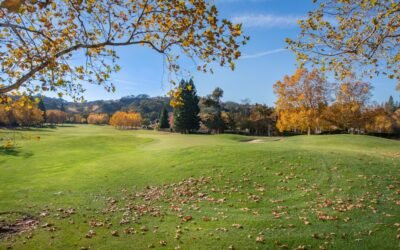
Digor, located in Turkey’s Eastern Anatolia province of Kars, offers a dramatic high-plateau landscape with rich historical sights like the ancient city of Ani nearby. Like many regions with extreme elevation changes, finding the right time to visit makes all the difference for a comfortable and budget-friendly journey. Late spring (May to early June) and early autumn (September to early October) are the best times to visit Digor for optimal weather, manageable crowds, and reasonable prices.
Quick Answer
The best time to visit Digor, Kars is during late spring (May to early June) and early autumn (September to early October). Daytime temperatures during these shoulder months range from 15°C to 25°C, providing ideal conditions for exploring historical sites like Ani without extreme winter cold (-25°C) or intense peak summer heat.
Key Takeaways
- Best Overall Seasons: May to June and September to October offer mild weather, blooming flora or crisp autumn foliage, and minimal crowds.
- Winter Adventure (Nov–Apr): Sub-zero temperatures (-10°C to -25°C) bring frozen Lake Çıldır rides and the iconic Touristic Eastern Express train experience.
- Summer Peak (Jul–Aug): Warm and dry (20°C to 30°C+), ideal for high plateaus, but requires UV protection due to the region’s altitude (~1,450m).
- Budgeting: Accommodation and transit rates peak during mid-summer and around New Year’s winter holidays.
1. Understanding Digor’s Climate: A High-Altitude Four-Season Experience
Digor, nestled in Kars Province at an altitude of approximately 1,450 meters (4,750 feet), experiences an aggressive continental climate according to data from the Turkish State Meteorological Service (MGM). This means distinct and often extreme seasons. Knowing what to expect weather-wise is crucial for planning your trip.
Note: High elevation means atmosphere protection is thinner. Even on mild days, UV rays are stronger, and night temperatures drop sharply compared to daytime peaks.
1.1 Winter’s Embrace: November to April
Digor winters are legendary, and not always in a good way for tourists seeking gentle experiences.
- Temperatures: Expect consistently below-freezing temperatures, often dipping well into the negatives (-10°C to -25°C, sometimes even colder at night).
- Snowfall: Heavy and prolonged snowfall is the norm. The landscape transforms into a stunning white wonderland. Roads can be challenging, even impassable in some areas, especially smaller rural routes.
- Wind Chill: The wind across the open plateaus can be brutal, making the actual real-feel temperature much lower than thermometer readings.
- Activities: This season is primarily for those seeking extreme winter sports or a quiet, snow-covered cultural experience. Think cross-country skiing, snowshoeing, or tasting local winter delicacies like traditional roasted goose (kaz eti). If you’re planning specifically to see frozen Lake Çıldır and experience horse-drawn sleigh rides, this is the time.
Warning: Winter driving in Kars Province requires extreme caution. Between December 1 and April 1, winter tires are mandatory by law in Turkey, and carrying snow chains is essential when crossing rural mountain passes around Digor.
1.2 Spring’s Awakening: May to June
Spring is a glorious, albeit short, transition period in Digor.
- Temperatures: As April gives way to May, temperatures start climbing, usually ranging from 5°C to 15°C in May, and 10°C to 20°C in June.
- Snowmelt: Early spring sees significant snowmelt, which can make some rural areas muddy. However, by mid-May, lower altitudes are free of heavy snow cover.
- Green Shoots: The landscape comes alive with vibrant green pastures and wildflowers. This is also when local alpine dairies begin crafting renowned Kars Gravyer cheese.
- Comfort Factor: The air is crisp, and the sun isn’t scorching. This makes outdoor exploration, such as hiking or visiting historical sites like Ani, much more enjoyable. Evenings remain cool, so layering is essential.
1.3 Summer’s Peak: July to August
Digor summers are warm to hot, and predominantly dry.
- Temperatures: Daytime temperatures typically hover between 20°C and 30°C, occasionally spiking higher during peak heatwaves. Nights drop to comfortable levels.
- Sun Intensity: Because of the altitude, sun exposure is intense. Sun protection (hat, broad-spectrum sunscreen, sunglasses) is mandatory outdoors.
- Rainfall: Summer months are generally dry, though brief afternoon thunderstorms can occur over high pastures.
- Comfort Factor: Arid air keeps heat dry and manageable compared to humid coastal regions. It is an ideal window for high-plateau trekking, provided you explore early in the morning or late in the afternoon.
1.4 Autumn’s Embrace: September to October
Autumn is another fantastic window for visiting Digor, easily matching spring in terms of comfort and natural beauty.
- Temperatures: September sees pleasant daytime temperatures between 15°C and 25°C. By October, daytime highs cool to 5°C–15°C, with nights getting distinctly chilly.
- Foliage: Golden autumn foliage along river valleys offers superb photography opportunities against dark volcanic rock structures.
- Crisp Air: Clear autumn skies provide exceptional visibility across open landscapes.
- Preparation for Winter: Towards late October, early frost and occasional dustings of high-altitude snow signal the coming winter.
2. Navigating the Crowds: When Digor Gets Busy
Digor itself remains peaceful compared to major hubs like Istanbul or Cappadocia. However, its proximity to Kars city center and the ancient ruins of Ani means visitor flows fluctuate seasonally according to GoTürkiye travel statistics.
2.1 Peak Season: Mid-July to Mid-August & New Year’s
While summer isn’t overwhelmingly crowded, it sees the most domestic holiday traffic.
- Turkish Holidays: School breaks and national holidays bring families traveling by road.
- Ease of Access: Dry roads facilitate regional exploration and self-drive trips.
- New Year’s Surge: The Kars region experiences a massive winter surge around late December and January due to the popularity of the Eastern Express train. This increases demand for local transit and accommodation in Kars.
- Impact: Key sites like Ani may see moderate group tours, and boutique hotels in Kars city center fill up quickly.
2.2 Shoulder Seasons: May–June & September–October
These months offer an optimal balance for travelers seeking peace and quiet.
- Fewer Large Groups: Tour buses are infrequent, allowing uncrowded walks through historical sites.
- Comfortable Exploration: Moderate weather encourages longer, unhurried walking sessions outdoors.
- Local Atmosphere: You experience daily agricultural life without seasonal tourist surges.
2.3 Off-Season: November to April (Excluding New Year’s)
Except for winter holiday weeks, this period offers near-complete solitude.
- Solitude: Ideal for travelers who want stark, snow-covered landscapes without crowds.
- Limited Access: Remote rural routes may experience temporary closures, and seasonal village guesthouses may operate on reduced schedules.
3. Costs and Budgeting: Making Your Lira Go Further
The Kars region is generally more budget-friendly than coastal Mediterranean resorts or Istanbul. However, timing still impacts overall trip expenses.
3.1 Peak Season Prices: July–August & New Year’s
- Accommodation: Rates in Kars and surrounding guesthouses peak during mid-summer and New Year’s week. Advance booking is recommended.
- Flights/Transport: Direct flights to Kars Airport (KSY) reach peak pricing. Seats on the Touristic Eastern Express sell out rapidly.
3.2 Shoulder Season Savings: May–June & September–October
- Accommodation: Standard seasonal rates apply without high-season surcharges.
- Flights/Transport: Airfares from Istanbul and Ankara are generally moderate and easier to book last-minute.
3.3 Off-Season Bargains: November to April
- Accommodation: Winter yields the lowest nightly rates for hotels in Kars, outside of late December.
- Flights: Deep-winter flights often feature low promotional rates.
4. Activities and Experiences by Season
“The landscape around Digor transforms completely twice a year—from lush alpine emerald in June to an arctic white expanse by December.”
4.1 Spring’s Delights (May–June)
- Ani Archaeological Site: Spring offers ideal walking temperatures to explore the UNESCO World Heritage site of Ani, located right along the border plain near Digor. Wildflowers blanket the surrounding ravines.
- Photography & Birdwatching: High clarity and returning migratory birds make late spring rewarding for nature photographers.
- Local Cheese Tastings: Spring green pastures signal the start of fresh milk production for traditional regional cheeses.
4.2 Summer’s Adventures (July–August)
- Highland Trekking: Cool morning air makes summer ideal for exploring surrounding plateaus (yaylalar).
- Lake Çıldır Boating: Summer allows for open-water boat rides and lakeside dining before the water freezes over in late autumn.
4.3 Autumn’s Charm (September–October)
- Historical Sightseeing: Autumn light accentuates the red tuff stone architecture of medieval Armenian churches and Seljuk structures at Ani.
- Harvest Season: Local markets stock fresh autumn honey, grain harvests, and seasonal fruits.
4.4 Winter’s Wonders (November–April)
- Frozen Lake Çıldır Sleigh Rides: Walk on thick lake ice, watch traditional net ice-fishing, and ride horse-drawn sleighs (typically viable January to March).
- Historic Kars City Tour: Visit Kars Castle, Russian-era Baltic architecture, and indoor museums during cold afternoons.
5. Practical Considerations for Your Trip
5.1 Transportation and Accessibility
- By Air: Fly into Kars Harakani Airport (KSY), which receives daily direct flights from Istanbul and Ankara.
- By Train: The iconic Eastern Express (Doğu Ekspresi) connects Ankara to Kars across a scenic 24-hour journey.
- Local Transit to Digor: Digor sits approximately 40–45 km southeast of Kars city center. Regular local minibuses (dolmuş) run daily from Kars central bus terminal (Otogar) taking roughly 45 minutes.
Pro Tip: If booking the Touristic Eastern Express for a winter travel itinerary, secure tickets via the official TCDD Taşımacılık platform 30 to 60 days in advance, as ticket allocations sell out within minutes of release.
5.2 Accommodation Choices
- In Digor: Basic local guesthouses offer authentic rural hospitality.
- In Kars City: Most travelers base themselves in Kars, where options range from restored Russian Baltic mansion hotels to modern accommodations, making day trips to Digor and Ani simple.
5.3 Cultural Sensitivity and Packing Guidelines
- Local Customs: Dress modestly when visiting rural villages or religious sites. A simple Turkish greeting like “Merhaba” (Hello) is warmly welcomed by local residents.
- Spring/Autumn Packing: Pack versatile layers, a windproof outer shell, sturdy waterproof walking shoes, and evening thermal wear.
- Winter Packing: Heavy insulated parkas, thermal base layers, fleece mid-layers, windproof pants, insulated waterproof boots with traction soles, heavy gloves, and beanies are essential.
By matching your visit to your specific weather preferences and budget goals, you can enjoy an unforgettable journey through Digor and the broader historical region of Kars.
Frequently Asked Questions
What is the best time to visit Digor, Kars for favorable weather?
The best time for favorable weather is late spring (May to early June) and early autumn (September to early October). Daytime temperatures range between 15°C and 25°C, providing ideal conditions for outdoor exploration without heavy snow or severe summer heat.
When is the peak tourist season in Digor, Kars?
The region sees two peak tourist periods: mid-July to mid-August for summer road trips and highland trekking, and late December through January for winter tourism driven by the Eastern Express train and frozen Lake Çıldır.
What is the off-peak season in Digor, Kars?
The off-peak season runs during the deep winter months from November through April (excluding the New Year holiday surge), when low sub-zero temperatures deter general sightseeing.
When can visitors expect lower costs for accommodations and activities in Digor, Kars?
Lower prices for hotels and local transport are available during off-peak winter months (excluding late December) and during shoulder months like May and October.
What are the shoulder seasons in Digor, Kars?
The shoulder seasons are late spring (May to June) and early fall (September to October). These months offer mild weather, low tour group density, and balanced pricing.
Sources
- Turkish State Meteorological Service (MGM) — Official climate statistics and historical temperature data for Kars Province
- UNESCO World Heritage Centre — Official archaeological site listing and visitor overview for Ani
- GoTürkiye Official Tourism Portal — Republic of Türkiye Ministry of Culture and Tourism official destination guide
- TCDD Taşımacılık — Official ticketing platform and schedule for the Touristic Eastern Express