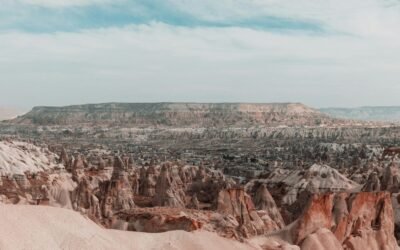
Planning a trip to Diyadin, Ağrı? This mountain district in eastern Türkiye is known for its geothermal hot springs, dramatic landscapes, and nearby historical sites. The best time to visit Diyadin depends on whether you want comfortable sightseeing weather, quiet surroundings, or a winter thermal bath. Here’s how to choose the right months for your trip.
Quick Answer
The best time to visit Diyadin, Ağrı, is late May through June or September to early October. These periods usually offer comfortable sightseeing weather and fewer visitors than midsummer. July and August are warmer and drier, while winter brings freezing temperatures, snow, and more challenging travel conditions.
Last checked: October 23, 2026. Dates and figures were verified against official sources.
Key Takeaways
- May and June are good for green landscapes, wildflowers, and outdoor exploration, although spring showers remain possible.
- July and August have the warmest weather and generally the driest conditions, but more domestic visitors may be travelling.
- September offers an excellent balance of warmth and quieter sightseeing. October brings cooler days and possible early frost.
- Diyadin’s thermal springs flow year-round, but winter snow can make reaching individual facilities more difficult.
- The 2027 Kurban Bayramı holiday falls on May 16–19, so mid-May travel may be busier than usual.
Best Time to Visit Diyadin: Month-by-Month Weather Guide
Diyadin has a continental climate with warm summers, very cold winters, and large temperature changes between day and night. Its location in the highlands of eastern Anatolia makes seasonal planning especially important.
The table below uses the Turkish State Meteorological Service’s official Ağrı climate statistics, covering observations from 1940–2025. These figures describe Ağrı city, not a separate Diyadin station, so local conditions and temperatures at higher elevations may differ.
Crowd and cost ratings are relative planning estimates rather than official tourism or hotel-price statistics.
| Month | Ağrı Average High / Low | Crowds | Costs |
|---|---|---|---|
| January | -5.2°C / -15.4°C | Low | Potentially lower |
| February | -3.3°C / -14.3°C | Low | Potentially lower |
| March | 2.4°C / -7.7°C | Low | Variable |
| April | 12.0°C / 0.8°C | Low–moderate | Variable |
| May | 18.8°C / 5.3°C | Moderate; holidays vary | Moderate |
| June | 24.4°C / 8.3°C | Moderate | Moderate |
| July | 29.4°C / 12.2°C | Relatively high | Potentially higher |
| August | 30.2°C / 12.0°C | Relatively high | Potentially higher |
| September | 25.5°C / 7.0°C | Moderate–low | Moderate |
| October | 17.4°C / 2.1°C | Low | Moderate–low |
| November | 8.0°C / -3.4°C | Low | Potentially lower |
| December | -1.5°C / -10.4°C | Low | Potentially lower |
These are average daily maximum and minimum temperatures, not record extremes or forecasts. For example, July’s 29.4°C average high does not mean every July day reaches that temperature. In the mountains around Diyadin, conditions can change quickly.
Diyadin Weather by Season: What Should You Expect?
Each season brings a different experience to Diyadin. Spring and early autumn suit most sightseeing trips, while summer is better for warm-weather travel and winter requires much more preparation.
Spring (March–May): Green Landscapes and Changing Weather
Spring gradually replaces Diyadin’s snowy landscape with fresh grass and wildflowers. However, March remains cold, and April can still bring frost or snow at higher elevations.
May is usually the most comfortable spring month. In nearby Ağrı, the average May high is 18.8°C (66°F), compared with 12.0°C (54°F) in April.
- Weather: Cool mornings, milder afternoons, and occasional showers. April and May are among the wetter months in Ağrı’s official climate records.
- Scenery: Snowmelt, greener valleys, and seasonal wildflowers create excellent photography opportunities.
- Activities: Sightseeing, exploring the hot springs, and walking through accessible valleys and historical areas.
- Crowds: Generally quieter than summer, although public holidays can bring more domestic travel.
- Best for: Nature lovers, photographers, and visitors who prefer mild weather to summer heat.
Late May is usually a better choice than early April for outdoor exploration. Some higher trails may still have snow or muddy ground, so don’t assume every mountain route is accessible.
Summer (June–August): Warm Days and Outdoor Exploration
Summer is the warmest and generally driest period in the Diyadin region. June offers pleasant daytime conditions, while July and August can become hot, especially during exposed walks.
Ağrı’s average daytime highs reach 29.4°C (85°F) in July and 30.2°C (86°F) in August. Overnight temperatures are much cooler, making a light jacket useful even in summer.
- Weather: Longer daylight hours, frequent sunshine, and relatively little rainfall.
- Outdoor activities: Good conditions for exploring the countryside, historical sites, and accessible natural viewpoints.
- Thermal springs: Facilities may be easier to reach without winter snow, although soaking in hot water may feel less appealing during the hottest afternoons.
- Crowds: July and August are likely to be among the busier months for domestic visitors.
- Best for: Travellers who want sunny weather, longer days, and more flexibility for outdoor activities.
Summer heat is most noticeable at lower elevations and in exposed areas. For strenuous walking, mornings are generally more comfortable than the middle of the day.
Autumn (September–November): Cooler Air and Quieter Visits
September is one of the best months to explore Diyadin without summer’s strongest heat. The weather gradually cools through October, and November can feel much closer to winter.
In Ağrı, the average high falls from 25.5°C (78°F) in September to 17.4°C (63°F) in October and 8.0°C (46°F) in November.
- Weather: September is often pleasantly warm. October has cooler days and chilly evenings, while November may bring frost and snow.
- Scenery: Changing colours, clear autumn days, and attractive mountain landscapes.
- Activities: Photography, historical sightseeing, thermal bathing, and walking before winter conditions develop.
- Crowds: Usually lighter than midsummer, especially outside holiday periods.
- Best for: Couples, photographers, and independent travellers looking for a peaceful visit.
September is the safer choice if your main goal is comfortable outdoor weather. October can still be rewarding, but warm clothing becomes more important as the month progresses.
Winter (December–February): Snow, Cold, and Thermal Springs
Winter in Diyadin is severe, with freezing temperatures, snowfall, and potentially difficult road conditions. It is the quietest season for tourism but also the most challenging for independent exploration.
Regional climate figures show average daytime temperatures below freezing in Ağrı during December, January, and February. January averages -5.2°C (23°F) during the day and -15.4°C (4°F) overnight.
- Weather: Very cold conditions, frequent frost, and snow-covered landscapes.
- Attractions: Winter scenery and the contrast between steaming geothermal water and snow can be memorable.
- Outdoor activities: Many hiking routes become unsuitable without specialist equipment and experience.
- Accessibility: Snow and ice may slow travel or temporarily block roads.
- Crowds: Very few tourists compared with summer.
- Best for: Travellers comfortable with severe winter weather who mainly want a quiet thermal-spring experience.
Winter is not the best season for a first visit if you want to explore several outdoor attractions in one trip. It is more suitable for a flexible itinerary centred on accessible facilities.
When Is Diyadin Least Crowded?
Diyadin receives fewer international visitors than Türkiye’s major coastal and city destinations. Even so, school holidays, summer travel, and religious festivals can affect the number of domestic visitors and the availability of transport and accommodation.
Peak Season: July and August
July and August are the most likely months to see increased visitor activity. Families have more opportunities to travel during the summer school break, and the weather generally supports sightseeing.
Expect relatively more activity at popular hot spring facilities, local restaurants, and nearby regional attractions. Diyadin is still unlikely to feel as crowded as Istanbul or Antalya.
Shoulder Season: May, June, September, and October
These months usually offer the best balance between comfortable weather and manageable visitor numbers. May and June are especially appealing for spring scenery, while September and October suit quieter historical sightseeing.
One important exception is holiday travel. According to Türkiye’s official 2027 public holiday calendar, Kurban Bayramı falls on May 16–19, with a half-day holiday on May 15.
Those dates may increase demand for intercity transport and accommodation, even though they are outside the usual midsummer period.
Low Season: November Through March
Tourism activity generally drops during the colder months. You may find quieter streets and fewer visitors at accessible attractions.
However, some businesses may reduce operating hours, and severe weather can disrupt travel. A quiet destination is not necessarily an easier or cheaper destination in winter.
Important School Holidays and Busy Dates
For upcoming travel, Türkiye’s 2026–2027 national school calendar includes these dates:
- November 16–20, 2026: First school term break.
- January 25–February 5, 2027: Winter semester holiday.
- March 8–12, 2027: Second school term break.
- June 25, 2027: Last day of the school year, after which the summer break begins.
Other notable 2027 public holidays include July 15, August 30, and October 29. These dates do not guarantee crowds in Diyadin, but they can affect travel demand and business schedules.
How Much Does It Cost to Visit Diyadin?
Diyadin can be a relatively budget-friendly destination, particularly if you use local transport and choose modest accommodation. However, there is no verified, consistent monthly hotel-price dataset for Diyadin, so exact seasonal savings cannot be guaranteed.
Your main expenses will usually be accommodation, transport, food, and any paid thermal facilities or attractions.
Summer Costs: July and August
Summer can bring more demand for transport and accommodation, especially when Turkish families travel during school holidays.
- Accommodation: Hotels and guesthouses may be busier. Booking ahead is useful if you need a particular room type.
- Flights: Travel to Ağrı Airport may cost more on popular dates, although airfare depends on the route and booking period.
- Food: Ordinary restaurant prices do not necessarily change with the season.
- Attractions: Published admission charges generally depend on the attraction rather than the weather.
Spring and Autumn: Often the Best Value
May, June, September, and October can offer better overall value because you can enjoy more outdoor activities without winter travel complications.
- Accommodation: There may be greater availability outside major holiday periods.
- Transport: Flexible travel dates can help you avoid expensive peak-demand days.
- Activities: Comfortable weather makes it easier to combine several attractions in one trip.
For many travellers, September provides a particularly useful balance of weather, quieter surroundings, and potential accommodation value.
Winter Costs: Possible Discounts, but Extra Expenses
Hotels and guesthouses may offer winter discounts to attract visitors, although significant seasonal reductions have not been confirmed for individual Diyadin properties.
Winter trips may also require extra transport planning, warm-weather equipment, or a change of itinerary if roads become difficult.
A low room rate is worthwhile only when the location is accessible and the services you need are available.
Which Attractions Are Free or Paid?
Outdoor viewpoints and public landscape photography can be inexpensive or free where public access is permitted. However, organised activities, transport, thermal bathing facilities, and some historical attractions may have charges.
One confirmed example is İshak Paşa Palace, which lists a €3 admission price for foreign visitors. Eligible Turkish citizens can use MüzeKart, and the published policy also provides free entry for Turkish citizens under 18 and over 65.
For Diyadin’s hot springs, a single reliable admission price could not be established because facilities and services vary. Do not assume that every geothermal pool is a public swimming facility.
Best Attractions in and Around Diyadin and When to Visit
Diyadin’s best-known attractions combine geothermal scenery, regional history, and mountain landscapes. Choosing the right season can make a major difference to how comfortably you explore them.
Diyadin Hot Springs: Best in Spring and Autumn
The Diyadin hot springs, known locally as Diyadin Kaplıcaları, are among the district’s main attractions. They are located about 5 kilometres from Diyadin town centre.
According to the Ağrı Provincial Directorate of Culture and Tourism, the geothermal area includes Yılanlı, Davut, Tunca, and Köprü springs, spread across the landscape near the Murat River.
The official source describes mineral-rich geothermal water containing bicarbonate, chloride, sulphate, calcium, and carbon dioxide. It reports natural source temperatures of 72–78°C (162–172°F).
- Spring: Pleasant conditions for combining a thermal visit with views of the surrounding countryside.
- Summer: Easier outdoor travel conditions, although hot afternoons can make thermal bathing less comfortable.
- Autumn: Cooler temperatures create a comfortable contrast with the warm water.
- Winter: Steam rising against snowy surroundings can be striking, but access may depend on road conditions and facility operations.
Warning: Natural geothermal source water can cause severe burns. Never enter uncontrolled spring water directly. Use properly managed bathing facilities and follow their safety instructions. Claims about therapeutic benefits should not replace medical advice or treatment.
İshak Paşa Palace: Best in May, June, September, and October
İshak Paşa Palace is a major historical attraction near Doğubayazıt, rather than within Diyadin itself. Its architecture makes it a worthwhile addition to a broader Ağrı itinerary.
The provincial cultural tourism authority records that construction began in 1685 and was completed in 1784. The complex includes palace buildings, a mosque, a bath, a tomb, and other historic spaces.
Spring and autumn offer comfortable weather for walking around the site. Summer brings brighter sunlight but can be hot, while winter snow may create dramatic views and more difficult travel conditions.
The provincial tourism office’s published visiting schedule lists:
- Summer season, April 1–October 1: Open 9:30 AM–7:00 PM; ticket office closes at 6:45 PM.
- Winter season, October 1–April 1: Open 9:00 AM–5:00 PM; ticket office closes at 4:45 PM.
- Opening days: The current published schedule states that the palace is open every day of the week.
- Foreign visitor admission: €3 under the published admission policy.
Seasonal schedules and temporary closures can change, so confirm the relevant operating period when making your itinerary.
Mount Tendürek: Best for Mountain Scenery in Late Spring and Early Autumn
Mount Tendürek adds a rugged volcanic landscape to the wider Diyadin region. It is most appealing to visitors interested in mountain scenery, photography, and adventurous outdoor activities.
Late spring and early autumn generally offer more comfortable lower-elevation conditions than midsummer or winter. However, mountain weather and snow cover can differ greatly from conditions in town.
- May–June: Lower slopes may have greener scenery and seasonal flowers, but lingering snow can affect higher ground.
- July–August: Drier weather may make outdoor travel easier, although exposed lower routes can become hot.
- September–October: Cooler conditions are attractive for walking and photography before winter develops.
- November–April: Snow, ice, and severe cold can make mountain travel dangerous without specialist preparation.
Do not treat Tendürek as a casual, marked tourist hiking trail. A current, officially confirmed public summit route and its access requirements could not be established. Ask local authorities or a qualified local mountain guide about permitted routes and conditions before planning a climb.
Meya (Günbuldu) Caves: Best in Dry, Mild Weather
Meya Caves are another worthwhile historical site near Diyadin, particularly if you enjoy archaeology and lesser-known places.
Türkiye’s official Culture Portal listing for Meya Caves places them at Günbuldu village, approximately 12 kilometres from Diyadin town centre. The remains are about 400 metres from the village.
The site includes rock-cut rooms, shelters, religious spaces, and historical remains. These features give visitors a glimpse into the area’s long history.
- Best months: May, June, September, and early October.
- Spring: Green surroundings and comfortable daytime exploration, though wet ground is possible.
- Summer: Generally drier access conditions, with some risk of midday heat.
- Autumn: Cooler weather and quieter surroundings are good for photography.
- Winter: Snow and ice may make the approach and uneven rock surfaces hazardous.
Wear shoes with good grip, stay away from unstable rock edges, and respect any barriers or restricted areas. A current official entrance fee and daily opening schedule were not confirmed.
Practical Tips for Planning Your Diyadin Trip
Good preparation matters in Diyadin because the weather, transport options, and facilities differ from those in Türkiye’s major tourist centres. A few practical choices can make your trip more comfortable.
What Should You Pack for Diyadin?
Layers are useful in every season because the temperature often drops sharply after sunset. Your packing list should match both the month and your planned activities.
- Spring: Waterproof jacket, warm sweater, comfortable walking shoes, and an extra layer for evenings.
- Summer: Breathable clothing, sunscreen, sunglasses, a sun hat, drinking water, and a light jacket for cooler nights.
- Autumn: Fleece, warm jacket, comfortable shoes, and a waterproof outer layer. Pack additional warmth for late October.
- Winter: Thermal base layers, insulated waterproof boots, thick socks, gloves, a warm hat, and a windproof winter coat.
Transportation: How Do You Reach Diyadin?
Diyadin can be reached by road from Ağrı and other nearby towns. Travellers arriving by air generally use Ağrı Ahmed-i Hani Airport and continue overland.
- Airport: Ağrı Ahmed-i Hani Airport serves the region, but there is no direct airport connection to every attraction around Diyadin.
- Local minibuses: Shared minibus services, known as dolmuş, can be an economical way to travel between regional towns such as Ağrı, Diyadin, and Doğubayazıt.
- Taxis: A taxi may be more convenient for a direct journey or a destination outside a regular minibus route.
- Rental car: A car offers flexibility for visiting hot springs, caves, and other sites spread across the region.
- Winter driving: Snow and ice may affect roads, especially outside major settlements. Appropriate tyres and experience with winter conditions are essential.
Warning: Heavy snow, icy roads, and poor visibility can make winter travel dangerous. Allow flexibility in your itinerary, avoid unsuitable mountain roads, and follow local weather and road safety warnings.
Language and Local Etiquette
Turkish is the official language, and English may be less widely spoken than in major tourist destinations. Learning a few basic Turkish expressions can make everyday interactions easier.
- Greetings: “Merhaba” means hello, and “Teşekkür ederim” means thank you.
- Hospitality: You may encounter friendly conversations and invitations to share tea.
- Clothing: Modest dress is a respectful choice, particularly at religious and traditional sites.
- Photography: Ask permission before photographing people or private property.
- Payments: Carry some Turkish lira in cash for smaller businesses and transport services that may not accept cards.
How Many Days Should You Spend in Diyadin?
A short visit can work if your main goal is the thermal springs and nearby scenery. A longer stay gives you more flexibility to explore the surrounding countryside and historical places.
For a simple itinerary, use your first day for Diyadin’s thermal area and town. A second day could include Meya Caves or another accessible local attraction.
Keep İshak Paşa Palace as a separate regional excursion because it is near Doğubayazıt rather than in Diyadin town. Allow extra travel flexibility during winter or when combining several distant sites.
Which Season Should You Choose for Your Diyadin Visit?
Late spring and early autumn remain the strongest overall choices, but the ideal month depends on your travel priorities. Think about whether weather, photography, solitude, or thermal bathing matters most to you.
Choose Late May or June for Nature and Comfortable Sightseeing
This is an appealing period for green scenery, countryside walks, and exploring the thermal area. Daytime temperatures become more comfortable as spring gives way to summer.
Choose June if you prefer warmer conditions and longer days. May offers fresher spring scenery but a greater chance of rain and cooler nights.
Choose September or Early October for Peace and Photography
September is an excellent choice for historical sightseeing, photography, and outdoor exploration without midsummer’s strongest heat.
Early October can also be attractive, especially if you enjoy crisp air and fewer visitors. However, temperatures become less predictable as winter approaches.
Choose July or August for the Warmest Weather
These months suit travellers who want sunshine and relatively dry conditions. They also offer more daylight for visiting several outdoor places.
The trade-off is higher daytime temperatures and potentially more domestic holiday travel. If you dislike heat, June or September may suit you better.
Choose Winter Only If You Are Prepared for Severe Cold
A snowy thermal-spring visit can be memorable, particularly if your accommodation and chosen facility are easy to reach.
However, winter brings the greatest weather and transport risks. If you want to explore the region widely, spring, summer, or early autumn is the more practical choice.
For most first-time visitors, June or September is the easiest starting point. Pick your month first, then build your itinerary around the thermal springs, accessible historical sites, and expected road conditions.
Frequently Asked Questions
What is the best time to visit Diyadin, Ağrı, for pleasant weather?
Late May through June and September usually offer the best balance of comfortable weather and outdoor sightseeing. July and August are warmer and drier, while early October can be pleasant but brings colder nights.
When is the best time to visit Diyadin to avoid crowds?
May, June, September, and October are generally quieter than July and August. Public holidays can still bring domestic travellers, including the May 16–19 Kurban Bayramı holiday in 2027.
What is the peak tourist season in Diyadin?
July and August are the most likely peak tourist months because the weather is warm and schools are on summer break. Diyadin is still much quieter than Türkiye’s major coastal resorts and large tourist cities.
Which months are cheapest for visiting Diyadin?
November through March may bring lower accommodation rates, but winter transport and limited services can increase your total expenses. May and September often provide a better balance between comfortable conditions and potential travel value.
What are the average temperatures in Diyadin throughout the year?
Diyadin has cold winters and warm summers. As a regional reference, Ağrı city’s average July high is 29.4°C, while its January average high is -5.2°C. Exact temperatures in Diyadin may differ.
Can you visit Diyadin hot springs during winter?
Yes, Diyadin’s geothermal springs flow year-round, although individual bathing facilities may have limited winter operations. Snow can affect access, and natural source water is extremely hot, so use managed bathing facilities.
Is İshak Paşa Palace open throughout the year?
The provincial tourism office lists daily opening throughout the year, with shorter winter visiting hours. The published admission price for foreign visitors is €3, although temporary closures or changes to the schedule remain possible.
Sources
- Turkish State Meteorological Service: Official Ağrı monthly temperature averages and historical climate statistics.
- Republic of Türkiye Presidency of Religious Affairs: Official 2027 public holiday dates.
- Republic of Türkiye Ministry of National Education: Official 2026–2027 school term and holiday calendar.
- Ağrı Provincial Directorate of Culture and Tourism: Diyadin hot spring locations, water composition, and geothermal source temperatures.
- Ağrı Provincial Directorate of Culture and Tourism: İshak Paşa Palace history and architectural information.
- Ağrı Provincial Directorate of Culture and Tourism: İshak Paşa Palace seasonal visiting hours and published admission policy.
- Republic of Türkiye Culture Portal: Meya Caves location, historical remains, and access information.