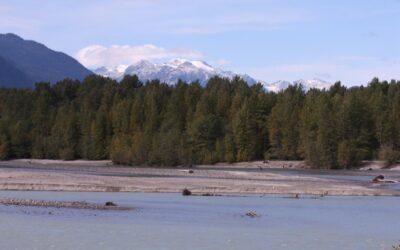
So, you’re thinking about a trip to Eruh, a small but charming district nestled in the Siirt province of Turkey? That’s a great question – figuring out the ‘best’ time to visit really depends on what you’re looking for. Are you after pleasant weather for exploring, want to avoid the hustle and bustle, or maybe keep an eye on your budget? Let’s break it down so you can plan your Eruh adventure just right.
Eruh, like much of southeastern Turkey, experiences a continental climate. This means you can expect hot, dry summers and cold, sometimes snowy winters. The shoulder seasons – spring and autumn – are generally the most comfortable for visitors, offering a nice balance of agreeable temperatures and fewer extremes.
Summer (June – August): The Heat is On
Summer in Eruh is characterized by its intensity. The sun beats down, and temperatures regularly climb into the high 30s and can even touch 40°C (104°F). While this might sound daunting, it’s also a time when the region is at its most vibrant, with long daylight hours perfect for outdoor activities, provided you know how to manage the heat.
July and August: Peak Heat and Sunshine
If you don’t mind the heat and are looking for abundant sunshine, July and August are your months. This is when you’ll find consistently high temperatures. Hydration is key, and seeking shade during the hottest parts of the day is essential. Many locals embrace the warmth by enjoying cooler evenings and social gatherings after sunset.
June: A Slightly Milder Start to Summer
June offers a gentler introduction to summer. While it’s still warm, the extreme heat of July and August often hasn’t settled in yet. You might still encounter some pleasant days perfect for outdoor exploration, though you’ll still need to be mindful of the sun.
Autumn (September – November): A Pleasant Transition
Autumn is often cited as the sweet spot for visiting Eruh. As the summer heat subsides, the weather becomes much more temperate and enjoyable for exploring the local landscapes and historical sites. The changing colors of the season add a beautiful backdrop to your travels.
September and October: Warm Days, Cooler Nights
These months are ideal. You’ll likely experience warm, sunny days with comfortable temperatures in the low to mid-20s Celsius (70s Fahrenheit). Evenings start to cool down, making them perfect for enjoying local cuisine outdoors. The air is crisp and clean, and the scenery is often breathtaking.
November: Hint of Winter in the Air
By November, autumn is definitely turning towards winter. While days can still be pleasant, there’s a noticeable chill, especially in the mornings and evenings. You might encounter some rain, and the likelihood of cooler, overcast days increases. It’s still a viable time to visit if you’re prepared for cooler weather.
Winter (December – February): Cold and Quiet
Winter in Eruh is cold. Temperatures frequently dip below freezing, and snow is common. This is the quietest time of year for tourism, offering a glimpse into the local life when it’s less focused on visitors. While not ideal for extensive outdoor exploration, it can be a unique experience if you’re looking for solitude and a different perspective.
December and January: Deep Winter and Snowfall
These are the coldest months. Expect freezing temperatures and consistent snow. Roads can be affected, and outdoor activities might be limited. However, if you’re interested in experiencing a truly local winter, this is when you’ll see it. The snow can transform the landscape into something quite serene.
February: Waiting for Spring
February still holds onto the winter chill, but you might start to see signs of spring’s approach. While snow is still likely, the days might begin to feel slightly longer, and there’s a subtle shift in the air. It’s a transition month, still very much in the winter season.
Spring (March – May): A Blooming Awakening
Spring arrives in Eruh bringing with it a welcome warmth and the blossoming of the region’s natural beauty. After the cold of winter, the landscape awakens, and the temperatures become increasingly pleasant for outdoor activities.
March: The Last Frosts and Early Blooms
March is still a bit of a gamble. You might still encounter some lingering cold snaps and even some late snow. However, signs of spring will be evident, with early flowers starting to bloom and the landscape beginning to regain its color. It’s a transitional month, where you can enjoy milder days but should still be prepared for winter returns.
April and May: The Real Spring Delights
These are fantastic months to visit Eruh. The weather becomes truly delightful, with mild to warm temperatures ideal for exploring. You’ll witness the countryside in full bloom, with wildflowers dotting the hillsides. This is a time when the region is at its most picturesque and enjoyable for sightseeing and outdoor pursuits.
Navigating Crowds: When to Expect Company
Eruh isn’t a major international tourist hotspot, which is part of its charm. However, like anywhere, there are periods when it’s a bit busier, particularly with domestic tourism. Understanding these patterns can help you decide if you prefer a more lively atmosphere or a quieter, more intimate experience.
Peak Tourist Season (Relatively Speaking)
Considering Eruh’s location and the general travel patterns in Turkey, the “peak” tourist season here is less about overwhelming crowds and more about a noticeable increase in visitors. This generally aligns with the most pleasant weather months and school holidays.
Summer Holidays (July & August)
During the long summer school holidays in Turkey, you might find more local families and travelers exploring the region. While it’s not anywhere near the levels of major resorts, it’s worth noting that accommodations might be slightly more booked, and popular spots could have a few more people.
Spring and Autumn Shoulder Seasons
The shoulder seasons of spring (April-May) and autumn (September-October) are popular with those seeking comfortable weather. While you won’t be shoulder-to-shoulder with other tourists, you will encounter more people out and about enjoying the scenery compared to the winter months.
The Quiet Season: Peaceful Exploration
If your idea of a perfect trip involves having places largely to yourself and experiencing a more authentic, everyday pace of life, then the quieter months are your best bet.
Winter Months (November – March)
Winter is undoubtedly the quietest time in Eruh. The cold temperatures and occasional snow deter most casual tourists. This means you’ll find a serene atmosphere, with ample opportunities to observe local life and explore without distraction.
Early Spring and Late Autumn
Even in the shoulder seasons, if you venture slightly outside the absolute peak weeks (e.g., the very beginning of April or the very end of October), you can still enjoy a relatively uncrowded experience. This often depends on specific local festivals or national holidays that might draw domestic visitors.
Balancing Costs: Your Budget-Friendly Guide
When it comes to your wallet, the time of year can definitely play a role in how much your Eruh trip costs. Generally, the less in-demand the period, the more likely you are to find better deals.
Off-Peak Savings: Making Your Money Go Further
If you’re budget-conscious, planning your visit for the off-peak season is a smart move. Beyond just accommodation prices, you might also find that transport and even some local activities can be more affordably priced when demand is lower.
Winter Wonders: The Cheapest Time to Travel
Without a doubt, visiting Eruh during the winter months (November to March, excluding any potential New Year’s Eve travel if hotels offer special packages) will likely offer the lowest prices. Accommodation and potentially transport will be at their most affordable. You’ll be trading warmth for savings.
Late Autumn & Early Spring Deals
The tail end of autumn (late October, early November) and the very beginning of spring (late March, early April) can also present opportunities for good deals. As the weather transitions, prices may start to drop before the main tourist season kicks in, or after it has wound down.
Peak Season Prices: What to Expect
Conversely, when Eruh experiences its relative “peak” periods, prices tend to reflect the increased demand. This is usually when the weather is most appealing.
Summer and Shoulder Season Premiums
During the summer months (July-August) and the prime shoulder seasons (May, September, October), you can expect accommodation prices to be at their highest. This is when most people are visiting, so hotels and guesthouses will charge more. Flights or bus tickets booked during these times might also be slightly more expensive if booked last minute.
Festival Fares
While Eruh itself might not have massive international festivals, be aware of any significant local or national holidays (like religious holidays: Eid al-Fitr, Eid al-Adha, or national holidays: Republic Day, National Sovereignty and Children’s Day). During these times, domestic travel surges, and prices for accommodation and transport can see an increase. It’s wise to check a Turkish holiday calendar when planning.
Activities and Attractions: What to Do When
The ‘best’ time to visit Eruh also hinges on what you want to experience. Some activities are weather-dependent, while others are available year-round, offering different moods and perspectives depending on the season.
Outdoor Exploration: Embracing Nature’s Calendar
Eruh and its surroundings offer natural beauty that changes dramatically with the seasons. Planning your visit around your preferred outdoor activities is key.
Hiking and Trekking: Spring and Autumn Wins
The stunning landscapes around Eruh, including its hills and valleys, are best explored on foot during the temperate months of spring (April-May) and autumn (September-October). The cooler temperatures and beautiful scenery make for enjoyable hiking. Summer can be too hot for extended treks, and winter might present icy or snowy conditions.
Visiting Natural Sites: Year-Round Appeal, Seasonal Beauty
Whether it’s the local streams, fields, or the general countryside, these natural spots are beautiful throughout the year. However, spring brings wildflowers and lush greenery, while autumn offers a spectacle of changing leaf colors (though less pronounced than deciduous forests). Summer is dry and golden, and winter can be stark and snow-dusted.
Cultural Immersion: Experiencing Local Life
Eruh’s cultural heart beats year-round. While some aspects of local life might shift with the weather, genuine cultural experiences are available whenever you visit.
Local Markets and Bazaars: Lively in Warmer Months
If you enjoy browsing local markets and experiencing the buzz of commerce, the warmer months of spring, summer, and early autumn will likely offer the most vibrant atmosphere. Stallholders are more likely to be out in full force, and the variety of produce might be greater.
Historical Sites and Architecture: Cooler Months are Comfier
Exploring any historical ruins, old houses, or mosques in Eruh is often more comfortable when it’s not scorching hot. Spring, autumn, and even a crisp winter day can be ideal for wandering through historical areas without the discomfort of extreme heat.
Observing Daily Life: Any Time is a Good Time
The true essence of Eruh lies in its people and their daily lives. This is observable any time of year. However, during the quieter winter months, you might get a more intimate glimpse into the slower pace of life, while in the warmer months, you’ll see more people out and about, especially in the evenings.
Practical Considerations: What to Pack and Prepare
| Month | Weather | Crowds | Costs |
|---|---|---|---|
| April – May | Mild temperatures, little rainfall | Low | Moderate |
| June – August | Hot and dry | High | High |
| September – October | Mild temperatures, little rainfall | Low | Moderate |
Your choice of when to visit will directly influence what you need to pack and how you should prepare for your trip to Eruh. Understanding the climate and typical conditions will help you pack smart and avoid any last-minute surprises.
Spring and Autumn Packing Essentials: Layering is Key
These are arguably the most comfortable seasons, but that doesn’t mean you can’t encounter varied weather.
Clothing: Versatile Layers
Pack light layers. Think t-shirts, long-sleeved shirts, a sweater or fleece, and a light to medium-weight jacket. Evenings can cool down significantly, especially in spring and autumn. Comfortable walking shoes are a must.
Outerwear: A Windbreaker or Water-Resistant Jacket
While not guaranteed, you might encounter some rain showers, especially in late spring or early autumn. A jacket that can handle a bit of wind and light rain will be very useful.
Summer Packing Essentials: Staying Cool and Protected
The focus here is on managing the heat and protecting yourself from the sun.
Clothing: Light, Breathable Fabrics
Opt for loose-fitting clothing made from natural, breathable fabrics like cotton and linen. Light colors are better for reflecting the sun. Pack plenty of lightweight shorts, t-shirts, and sundresses.
Sun Protection: Non-Negotiable Items
High SPF sunscreen, a wide-brimmed hat, and sunglasses are essential. You’ll be spending a lot of time outdoors, and the sun is strong. Consider packing a light scarf that can be used for sun protection over your shoulders or head.
Winter Packing Essentials: Staying Warm and Dry
Winter in Eruh requires serious cold-weather gear. If you’re not used to low temperatures, this is crucial.
Clothing: Thermal Base Layers and Warm Outerwear
You’ll need thermal base layers (long johns and long-sleeved tops), warm sweaters or fleeces, and a heavy, insulated winter coat. Don’t forget a warm hat that covers your ears, gloves or mittens, and a scarf. Waterproof boots are highly recommended, as you’ll likely encounter snow and slush.
Footwear: Insulated and Waterproof
Good quality, waterproof, and insulated boots are key to keeping your feet warm and dry. Avoid flimsy shoes or sneakers.
General Packing Tips for Eruh:
- Comfortable Shoes: Regardless of the season, you’ll be doing a fair amount of walking.
- Modest Attire: While Eruh isn’t as conservative as some other parts of Turkey, it’s generally respectful to dress modestly, especially when visiting religious sites. For women, this might mean bringing a scarf to cover your head when necessary.
- Reusable Water Bottle: Staying hydrated is important, especially in the heat. Carrying your own bottle helps reduce plastic waste and saves money.
- Basic First-Aid Kit: Always a good idea for any trip.
- Camera: You’ll want to capture the scenery and the distinct character of Eruh.
FAQs
1. What is the best time to visit Eruh, Siirt in terms of weather?
The best time to visit Eruh, Siirt is during the spring and autumn months, specifically from April to June and September to November. During these times, the weather is mild and pleasant, making it ideal for outdoor activities and sightseeing.
2. When is the peak tourist season in Eruh, Siirt?
The peak tourist season in Eruh, Siirt is during the summer months, from July to August. During this time, the weather is hot and dry, and the area experiences an influx of tourists, leading to crowded attractions and higher accommodation costs.
3. What is the off-peak season in Eruh, Siirt?
The off-peak season in Eruh, Siirt is during the winter months, from December to February. During this time, the weather is cold and the area experiences fewer tourists, making it a quieter and more affordable time to visit.
4. How does the weather affect the cost of visiting Eruh, Siirt?
The weather can affect the cost of visiting Eruh, Siirt, with peak tourist season leading to higher accommodation costs and potentially higher prices for activities and tours. Off-peak season may offer more affordable options for accommodation and activities.
5. Are there any specific events or festivals that are worth considering when planning a visit to Eruh, Siirt?
Eruh, Siirt hosts the Eruh Cherry Festival in June, which is a popular event showcasing the region’s cherry harvest. Additionally, the Siirt Kebap Festival in September is a celebration of the local culinary specialty, offering visitors a chance to experience traditional food and cultural performances.