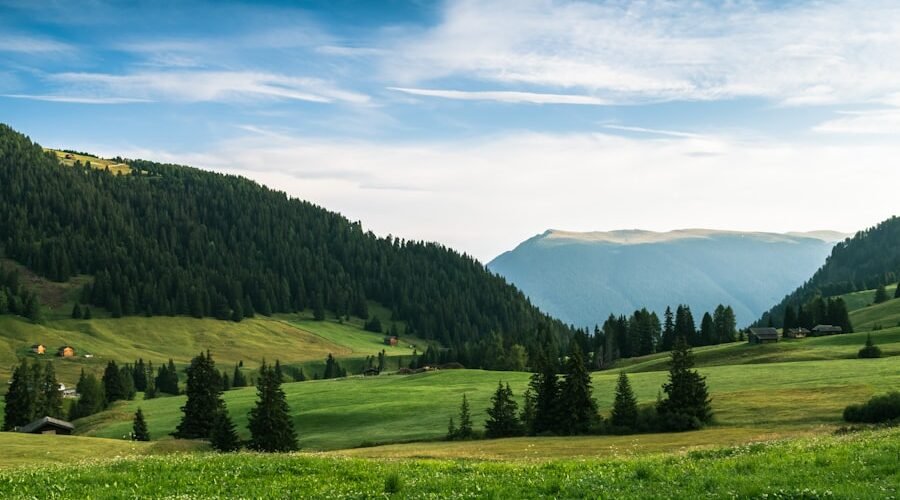
So, you’re wondering when’s the best time to visit Fogo Island? The short answer is: late spring to early fall (May to October) offers the sweet spot for weather and activities, though each season has its unique charm and drawbacks in terms of crowds and cost. Now, let’s break down the details to help you pick the perfect time for your trip.
1. Spring (May – Mid-June): A Blossoming Discovery
Spring on Fogo Island is a time of awakening, a period when the island sheds its winter coat and bursts with new life. It’s an excellent choice if you’re looking for a quieter, more reflective experience, and don’t mind a bit of unpredictable weather.
1.1. Weather – Unpredictable but Beautiful
- Average Temperatures: Expect daily highs ranging from 5°C to 12°C (41°F to 54°F). Nights can still be chilly, often dipping to near freezing.
- Rain and Fog: Spring is known for its variability. You’ll likely experience a mix of crisp, sunny days, drizzly spells, and the iconic Fogo fog rolling in and out. Pack layers – a waterproof jacket is a must.
- Iceberg Season: May and early June are prime iceberg viewing months! These majestic giants drift down “Iceberg Alley” and can be seen from various points on the island, offering truly spectacular photo opportunities.
1.2. Crowds – Peaceful and Local
- Lower Tourist Numbers: This is one of the quietest times to visit. You’ll mostly encounter locals, and the island’s famous hotels and eateries will be less busy. This translates to a more intimate experience.
- Easier Bookings: Accommodation, especially at the Fogo Island Inn, is much easier to book and potentially comes with slightly more flexibility. Guided tours and local experiences will also have more availability.
1.3. Costs – More Budget-Friendly Options
- Accommodation Savings: While the Fogo Island Inn maintains its premium rates, you might find more availability for special packages or slightly reduced rates at other guesthouses and Airbnb’s compared to peak season.
- Travel Deals: Flights to St. John’s (YYT) and car rentals can be a bit cheaper before the summer rush truly begins.
1.4. Activities – Nature’s Revival
- Hiking and Walking: Trails are opening up, and the landscape is transforming from stark winter to vibrant green. The air is fresh and invigorating.
- Wildlife Viewing: Birdwatching opportunities abound as migratory birds return. Keep an eye out for whales breaching as the waters warm up.
- Cultural Experiences: Local galleries and studios are mostly open, and you can enjoy a slower pace when exploring the island’s unique communities.
If you’re planning a trip to Fogo Island, Newfoundland and Labrador, understanding the best time to visit is crucial for an enjoyable experience. For more insights on travel planning, including important considerations like weather patterns, crowd levels, and budget tips, check out this related article on travel terms and conditions. You can find it here: Travel Terms and Conditions.
2. Summer (Mid-June – August): Peak Season Vibrancy
Summer is when Fogo Island truly comes alive with longer days, warmer temperatures, and a bustling atmosphere. If you’re looking for guaranteed good weather and a full roster of activities, this is your prime window.
2.1. Weather – The Warmest and Brightest
- Average Temperatures: Daily highs typically range from 15°C to 20°C (59°F to 68°F), with some warmer days possible. Nights are comfortable, usually staying above 10°C (50°F).
- Sunshine: Expect the most sunshine during these months. While you can still get a sudden shower or experience a foggy day, overall, the weather is the most stable and pleasant.
- Less Icebergs: By mid-July, most icebergs have melted or drifted away, so if they are a priority, aim for early summer.
2.2. Crowds – Bustling and Energetic
- Highest Tourist Numbers: This is peak season. The Fogo Island Inn will be booked solid, and other accommodations, restaurants, and popular spots will see a significant increase in visitors.
- Livelier Atmosphere: The island has a buzzing feel. There are more events, more people exploring, and a general sense of excitement in the air.
- Book Ahead: It is crucial to book everything – accommodation, ferry, tours, and even some restaurant reservations – well in advance, months ahead for the Inn.
2.3. Costs – Premium Pricing
- Highest Accommodation Rates: Expect to pay top dollar for lodging across the island.
- Travel Costs: Flights and car rentals will also be at their highest rates due to demand.
- Limited Deals: Opportunities for discounts or special packages are rare during this period.
2.4. Activities – Everything’s Open
- All Activities Available: Every shop, gallery, restaurant, and tour operator is fully operational.
- Outdoor Adventures: Kayaking, boat tours, hiking, cycling, and fishing are all in full swing.
- Cultural Events: Summer often sees a greater number of community events, festivals, and musical performances.
- Wild Berry Picking: Late summer brings the opportunity to pick delicious wild berries indigenous to the island.
3. Fall (September – October): A Golden Glow
Autumn on Fogo Island is a captivating time when the landscape transforms into a canvas of reds, oranges, and golds. It offers a wonderful blend of good weather, fewer crowds than summer, and a unique, dramatic beauty.
3.1. Weather – Crisp and Colourful
- Average Temperatures: September sees highs around 10°C to 15°C (50°F to 59°F), gradually cooling to 5°C to 10°C (41°F to 50°F) by late October. Nights become noticeably colder.
- Stunning Foliage: The island’s sparse, yet resilient, vegetation puts on a spectacular display of fall colours, especially the low-lying shrubs and berries.
- Winds and Rain: While often sunny and clear, fall can bring blustery winds and more frequent rain spells. The Atlantic can feel more dramatic.
3.2. Crowds – Enjoyable Decline
- Decreasing Tourist Numbers: After Labour Day (early September), the summer crowds thin out significantly. You’ll still encounter visitors, but the pace is much more relaxed.
- Comfortable Experience: Less competition for popular spots, easier access to tour operators, and generally a more serene travel experience.
- Still Requires Planning: While less intense than summer, booking accommodation and key activities a few weeks in advance is still a good idea, especially for weekends.
3.3. Costs – Moderate Savings
- Some Price Reductions: You might start to see a slight decrease in accommodation prices, especially for guesthouses and B&Bs, particularly from mid-September onwards. The Fogo Island Inn generally maintains its rates but might offer specific packages.
- Travel Opportunities: Flights and car rentals may be slightly cheaper than peak summer, but not as low as spring.
3.4. Activities – Embracing the Outdoors
- Photography: The fall colours against the dramatic coastline are a photographer’s dream.
- Hiking: The cooler temperatures make for excellent hiking conditions.
- Foraging: Berry picking continues into early fall, and mushroom foraging can also be a unique experience.
- Cozy Evenings: Enjoy warm drinks by the fire, reflecting on the island’s wild beauty.
4. Winter (November – April): A Serene, Stark Beauty
Winter on Fogo Island is not for the faint of heart, but it offers an unparalleled experience for those seeking deep solitude, dramatic landscapes, and a connection to raw nature. This is when the island truly feels like the edge of the world.
4.1. Weather – Harsh and Beautiful
- Average Temperatures: Daily highs hover around -5°C to 0°C (23°F to 32°F), with nighttime lows often plunging to -10°C to -15°C (14°F to 5°F) or colder with wind chill.
- Snow and Ice: Expect significant snowfall, blustery winds, and icy conditions. Roads can be challenging, and some parts of the island may be inaccessible.
- Dramatic Seas: The Atlantic Ocean is particularly wild and majestic in winter, with huge waves crashing against the shores.
- Short Days: Daylight hours are limited, especially in December and January.
4.2. Crowds – Absolute Solitude
- Minimal Tourists: This is the absolute quietest time on the island. You might feel like you have the place to yourself if you venture out of the main communities.
- Intimate Experience: If you’re staying at the Fogo Island Inn, the lower occupancy creates an incredibly personal and attentive service experience. Other accommodations may have limited availability.
- Local Life: You’ll get a true sense of local life and resilience during this season, interacting mostly with year-round residents.
4.3. Costs – Potential for Value
- Fogo Island Inn Value: While still expensive, the Fogo Island Inn often offers specific winter packages that can include more in terms of meals, activities, and sometimes reduced room rates compared to peak season. This can make a stay here feel like better value for the comprehensive experience.
- Other Accommodations: Many smaller guesthouses and seasonal businesses close for the winter, but those that remain open might offer more competitive rates.
- Travel Savings: Flights to St. John’s and car rentals are typically at their lowest during this off-peak period.
4.4. Activities – Embracing the Cold
- Cozy Retreats: Winter is perfect for hunkering down, enjoying the warmth of a fire, reading, and simply unwinding in a stunning setting.
- Storm Watching: A truly dramatic experience, watching massive waves and winter storms from a safe vantage point.
- Snowshoeing/Cross-Country Skiing: When conditions allow, exploring the snowy landscape can be magical.
- Ice Skating: Some communities maintain outdoor rinks if consistent cold weather permits.
- Stargazing: With clear, cold nights and minimal light pollution, Fogo Island offers incredible stargazing opportunities.
- Cultural Immersion: This is a fantastic time for deep conversations with locals, learning about their way of life, and appreciating the island’s unique culture without the rush of peak season.
When planning your trip to Fogo Island, Newfoundland and Labrador, it’s essential to consider not only the best time to visit but also the various activities and experiences available throughout the year. For a deeper understanding of the island’s unique offerings, you might find it helpful to read an insightful article on local attractions and cultural events. This can enhance your travel experience and help you make the most of your visit. You can explore more about this in the article found here.
5. Annual Events and Special Considerations
Beyond the seasons, there are a few other elements to consider that might influence your decision on when to visit Fogo Island.
5.1. Major Festivals and Events
- Partridgeberry Festival (September): An annual celebration of the island’s rich bounty of berries, often involving foraging events, local crafts, and cuisine.
- Squidfest (August): While not exclusively Fogo, many communities on the island partake in this festival celebrating the squid fishery, with local food, music, and cultural activities.
- Schooner Days (July/August): Celebrations of the island’s maritime heritage, often involving boat races, traditional music, and community gatherings.
- Local Community Events: Throughout the summer, each of Fogo Island’s several communities often hosts its own small-scale events, from bake sales to garden parties, offering a genuine glimpse into local life. Check local tourism boards or community calendars closer to your travel dates.
5.2. Ferry Reservations – A Must-Do
- Critical for All Seasons: Regardless of when you visit, if you’re bringing a vehicle, you absolutely must book your return ferry reservation in advance through Marine Atlantic. This is especially true for summer weekends and holidays. Walk-on passengers usually don’t need reservations, but space can be limited if the ferry is full. Delays and cancellations due to weather are common, so build some buffer into your travel plans.
5.3. Duration of Stay
- Minimum 3-4 Days: Fogo Island is not a place to rush. To truly appreciate its unique rhythm and landscape, aim for at least 3-4 full days. This allows for weather variability and enough time to explore different communities, hike, and simply soak it all in.
- A Week is Ideal: If you want to delve deeper, enjoy the Fogo Island Inn’s full experience, or simply unwind completely, a week would be ideal.
5.4. Wildlife Watching Peaks
- Icebergs: May to early July.
- Whales: June to September, with humpback whales, fin whales, and minke whales frequently spotted.
- Seabirds: Spring and summer are best for various migratory birds, including puffins (though puffin colonies are typically on nearby islands requiring a boat trip).
- Caribou: You can spot the island’s wild caribou herd year-round, but they might be easier to see when there’s less foliage in spring, late fall, or winter.
In summary, your “best time” will ultimately depend on your priorities. If you dream of icebergs and quiet exploration, spring is your call. For guaranteed warmth and bustling activity, summer is the choice. If stunning fall colours and a more contemplative experience appeal, autumn beckons. And for the ultimate escape into stark beauty and solitude, winter offers an unforgettable journey. Each season on Fogo Island promises a memorable adventure, distinct and utterly Newfoundland.
FAQs
1. What is the best time to visit Fogo Island, Newfoundland and Labrador?
The best time to visit Fogo Island is during the summer months, from June to August, when the weather is mild and the island is bustling with activity.
2. What is the weather like on Fogo Island throughout the year?
Fogo Island experiences a maritime climate, with cool summers and cold winters. The average summer temperature ranges from 10°C to 20°C, while the winter temperature can drop below freezing.
3. When is the peak tourist season on Fogo Island?
The peak tourist season on Fogo Island is during the summer months, from June to August, when the island sees the highest number of visitors and the most activities and events.
4. When is the off-peak season on Fogo Island?
The off-peak season on Fogo Island is during the winter months, from November to March, when the island experiences fewer tourists and some businesses may be closed.
5. How does the cost of visiting Fogo Island vary throughout the year?
The cost of visiting Fogo Island is generally higher during the peak tourist season, from June to August, due to increased demand for accommodations and activities. Off-peak seasons may offer lower prices for accommodations and activities.