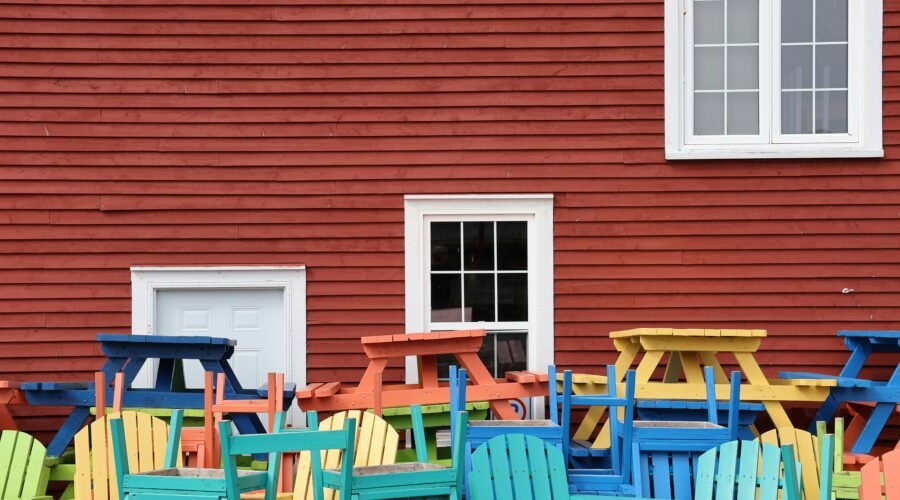
Thinking of visiting Trinity, Newfoundland and Labrador? The best time to go really depends on what you’re hoping to experience. Generally, late May and June offer a sweet spot with decent weather, fewer crowds, and relatively good value. July and August are beautiful but expect more people and higher prices, while September and early October bring stunning fall colors and a quieter atmosphere.
1. Late Spring: May and Early June – The Shoulder Season Sweet Spot
If you’re looking for a balance of good weather, fewer tourists, and potentially better deals, late spring is truly a fantastic time to explore Trinity.
1.1 Weather: Waking Up from Winter
- Temperature: Expect average daytime temperatures to hover around 10-15°C (50-59°F). It’s not beach weather, but it’s perfect for getting out and exploring. Nights can still be cool, so a good jacket is essential.
- Rainfall: May and June see moderate rainfall. You’ll likely encounter a few rainy days, but also plenty of sunshine. The weather in Newfoundland can change quickly, so be prepared for anything.
- Fog: While fog can roll in at any time, it’s generally less prevalent than later in the summer.
- Winds: Breezy conditions are common, especially along the coast.
1.2 Crowds: Before the Rush
- Tranquility: This is your chance to experience Trinity before the busiest summer months. The roads are quieter, popular spots aren’t as swarmed, and you’ll find it easier to get into restaurants or book tours.
- Local Interactions: With fewer tourists, you might find more opportunities to chat with locals, who are often a bit more relaxed before the peak season frenzy.
- Photography: If you’re a photographer, the soft light and fewer people make for excellent photo opportunities of the colorful houses and scenic landscapes.
1.3 Costs: More Bang for Your Buck
- Accommodation: You’ll generally find lower prices for accommodations in May and early June compared to July and August. More options are available, too.
- Flights: Flights to St. John’s (YYT) might be a bit cheaper before the summer travel boom, especially if you book in advance.
- Activities: Tour operators might offer slightly discounted rates or have more availability for whale watching or puffin tours.
1.4 What’s Happening? Wildlife and Scenery
- Icebergs: May is peak iceberg season! The “Iceberg Alley” often sees massive bergs drifting down from Greenland, and Trinity is a prime spot to view them from shore or on a boat tour.
- Whale Watching: Whales start to return to the waters around Newfoundland in late May and June. Humpbacks, minke, and fin whales are common.
- Puffins: Millions of puffins arrive to nest on the nearby Witless Bay Ecological Reserve (a short drive from Trinity) and other coastal areas around this time. This is a must-see for bird lovers.
- Wildflowers: The hillsides and coastal paths begin to burst with vibrant wildflowers, adding beautiful color to the landscape.
- Hiking: The various coastal trails around Trinity and the Bonavista Peninsula are excellent this time of year, with cooler temperatures making for comfortable walking.
For those planning a trip to Trinity, Newfoundland and Labrador, understanding the best time to visit is crucial for an enjoyable experience. Factors such as weather, crowds, and costs can significantly impact your journey. To further enhance your travel planning, you might find the article on cookie policies helpful, as it provides insights into how websites manage user data and preferences, which can be particularly useful when booking accommodations or activities online. You can read more about it here: Cookie Policy.
2. High Summer: July and August – The Peak Experience
This is when Trinity truly comes alive. Expect the best weather but also be prepared for more company and higher prices.
2.1 Weather: Glorious Summer Days
- Temperature: Average daytime temperatures range from 18-22°C (64-72°F), with some days reaching higher. These are the warmest months, perfect for being outdoors.
- Rainfall: Still moderate, but showers are often short-lived. Expect plenty of sunshine.
- Fog: While less frequent than in spring or fall, fog can still make an appearance, especially around the coast. It often burns off by midday.
- Humidity: Can be a bit humid at times, but generally comfortable.
2.2 Crowds: Bustling and Lively
- Popularity: Trinity is a very popular destination, and July and August are its busiest months. Expect more people in town, at attractions, and on tours.
- Book Ahead: It’s strongly recommended to book accommodations, popular restaurant reservations, and tours well in advance – sometimes months ahead – to avoid disappointment.
- Vibrant Atmosphere: While busier, the town has a lively, celebratory atmosphere. There’s a real buzz in the air.
2.3 Costs: Premium Pricing
- Accommodation: This is peak season, so expect the highest prices for hotels, B&Bs, and vacation rentals. Availability can be very limited.
- Flights: Flights to St. John’s are typically at their most expensive during these months.
- Tours: Tour prices generally remain stable, but demand is high, so booking ahead is crucial.
- Restaurants: Some restaurants might have higher prices or require reservations, especially for groups.
2.4 What’s Happening? All the Action
- Whale Watching: Excellent whale watching opportunities as the waters are full of capelin, the whales’ food source.
- Puffin Viewing: Puffins are still nesting and active, offering great viewing experiences.
- Festivals and Events: Summer often brings local festivals, music events, and community gatherings to Trinity and nearby towns. Keep an eye on local listings for specific dates.
- Outdoor Activities: All outdoor activities are in full swing – hiking, kayaking, boat tours, and exploring historical sites.
- Swimming (for the brave): The ocean water is still very cold, but some brave souls might enjoy a quick dip on a hot day. Freshwater ponds can be a bit warmer for swimming.
- Outdoor Theatre: The renowned Trinity Pageant often runs throughout the summer, offering a unique historical walking theatre experience.
3. Early Fall: September and Early October – A Quieter Beauty
For those who love fall foliage, cooler temperatures, and a more peaceful experience, early fall is incredibly rewarding.
3.1 Weather: Crisp and Colorful
- Temperature: Daytime temperatures range from 8-15°C (46-59°F). It’s crisp and cool, perfect for hiking and cozy evenings.
- Rainfall: Similar to spring, you can expect some rain, but also beautiful clear, sunny days.
- Fog: Can be more common in the mornings, especially in September, often burning off to reveal stunning clear skies.
- Fall Foliage: This is the main draw! The landscape around Trinity and the entire Bonavista Peninsula transforms into a breathtaking palette of reds, oranges, and yellows, typically peaking in late September to early October.
3.2 Crowds: Winding Down
- Post-Summer Calm: The summer rush is over, and the crowds significantly diminish. You’ll find a much more relaxed pace in town.
- Easier Access: It’s easier to get into attractions, restaurants, and book tours without the need for extensive advance planning.
- More Space: Enjoy the trails and viewpoints with more solitude.
3.3 Costs: Good Value
- Accommodation: Prices for accommodations generally drop after Labour Day, offering good value for money. There’s also more availability.
- Flights: Flights to St. John’s also become more affordable after the summer peak.
- Shoulder Season Deals: You might even find some shoulder season deals for packages or tours.
3.4 What’s Happening? Nature’s Display
- Fall Colors: The primary reason to visit! The sugar maples and other deciduous trees create stunning scenery, particularly along walking paths and scenic drives.
- Hiking: Absolutely prime hiking season. The cooler temperatures and vibrant colors make exploring the local trails a real joy.
- Whale Watching (Limited): Whales begin to migrate south in September, but you might still catch some sightings early in the month. Puffin tours generally end by mid-September.
- Photography: The light is often softer and more golden, combined with the fall colors, it’s a photographer’s dream.
- Cozy Evenings: Perfect for enjoying a meal by a fireplace in a local restaurant or B&B.
4. Late Fall and Winter: November to April – The Quiet Season
This is the off-season. While challenging for tourists, it offers a unique, rugged beauty for the adventurous and truly independent traveler.
4.1 Weather: Raw and Unpredictable
- Temperature: Average temperatures range from -5 to 5°C (23-41°F) from November to April, often dipping much lower, especially with wind chill.
- Snow and Ice: Expect snow, ice, and freezing rain from late November through March. Roads can be slippery, and some might be closed.
- Winds: Extremely windy, especially along the coast.
- Storms: Winter storms can be severe, leading to power outages and travel disruptions.
- Short Days: Daylight hours are significantly shorter.
4.2 Crowds: Almost Non-Existent
- Solitude: If you crave absolute solitude and don’t mind the challenging weather, this is the time for you. You’ll likely have the entire town to yourself.
- Local Life: You’ll experience Trinity as locals do outside of tourist season, which can be a very authentic, albeit quiet, experience.
4.3 Costs: Lowest Prices (But Limited Options)
- Accommodation: You’ll find the lowest prices for accommodations that remain open. However, many B&Bs and tourist-oriented businesses will be closed for the season.
- Flights: Flights to St. John’s are typically at their lowest during these months, outside of holidays.
- Limited Services: Keep in mind that many restaurants, shops, and tour operators will be closed. Plan to be self-sufficient for meals and entertainment.
4.4 What’s Happening? Winter Wonders
- Storm Watching: For some, watching powerful winter storms crash against the coast is a dramatic and exhilarating experience.
- Christmas in Trinity: If you visit in December, Trinity puts on a lovely, intimate Christmas celebration.
- Snowshoeing/Cross-Country Skiing: When conditions are right, the trails can be fantastic for snowshoeing or cross-country skiing, offering stunning winter landscapes.
- Ice Fishing: For those interested in a local pastime, ice fishing on frozen ponds is an option for experienced individuals.
- Northern Lights: With clear, dark skies, outside of light pollution, you have a better chance of spotting the Aurora Borealis, especially in the colder months.
If you’re planning a trip to Trinity, Newfoundland and Labrador, you might also find it helpful to read about the various travel tips and insights provided in a related article. This resource offers valuable information on how to make the most of your visit, including recommendations on local attractions and activities. For more details, check out the article on travel tips that can enhance your experience in this beautiful destination.
5. Mid-Spring: Mid-April to Early May – The Thaw
This period is essentially the transition out of winter, and while interesting, it comes with a few more challenges.
5.1 Weather: Emerging from Winter’s Grip
- Temperature: Still quite cool, averaging 0-10°C (32-50°F). Frost and even late snowfalls are possible.
- Melting: Expect melting snow and ice, which can make trails muddy and some areas inaccessible.
- Rawness: The landscape can still look a bit stark, but signs of spring are beginning to emerge.
- Wind: Very windy conditions are common.
5.2 Crowds: Minimal
- Pre-Season: Tourists are virtually non-existent, making for a very quiet visit.
- Limited Openings: Most tourist businesses, including many accommodations and restaurants, will still be closed or just beginning to open up towards late May.
5.3 Costs: Very Low
- Accommodation: If you can find places open, prices will be very low.
- Flights: Flights are typically cheap before the main season starts.
5.4 What’s Happening? Patience and Preparation
- Icebergs (Early): If you’re lucky, some early icebergs might start to appear in late April or early May, though May is generally better.
- Bird Migration: Migratory birds begin to return, offering early birdwatching opportunities.
- Local Pace: Experience the quiet, slower pace of life as locals prepare for the summer season.
- Limited Activities: Expect very few organized tours or activities. This time of year is best for independent exploration and self-sufficiency. You need to be prepared for all weather conditions and potential closures.
In Summary: Your Perfect Trinity Trip
- For Icebergs, Puffins, and fewer crowds: Late May-June
- For the warmest weather and most activities: July-August
- For stunning fall colors and a quieter atmosphere: September-early October
- For true solitude and winter landscapes: November-April (be prepared!)
- For the adventurous, self-sufficient early bird: Mid-April-early May
No matter when you visit, Trinity’s charm is undeniable. Just dress in layers, be ready for shifting weather, and embrace the unique Newfoundland spirit!
FAQs
1. What is the best time to visit Trinity, Newfoundland and Labrador for favorable weather?
The best time to visit Trinity, Newfoundland and Labrador for favorable weather is during the summer months, from June to August. This is when the temperatures are milder and there is less chance of rain or snow.
2. When is the peak tourist season in Trinity, Newfoundland and Labrador?
The peak tourist season in Trinity, Newfoundland and Labrador is during the summer months, from June to August. This is when the town experiences the highest number of visitors and the most crowded attractions.
3. When is the off-peak season in Trinity, Newfoundland and Labrador for lower costs and fewer crowds?
The off-peak season in Trinity, Newfoundland and Labrador is during the shoulder seasons of spring (April and May) and fall (September and October). During these times, there are fewer crowds and lower costs for accommodations and attractions.
4. What is the average temperature in Trinity, Newfoundland and Labrador throughout the year?
The average temperature in Trinity, Newfoundland and Labrador ranges from -5°C (23°F) in the winter months to 20°C (68°F) in the summer months. The weather can be quite variable, so it’s important to check the forecast before visiting.
5. Are there any annual events or festivals in Trinity, Newfoundland and Labrador that visitors should consider when planning their trip?
Yes, Trinity, Newfoundland and Labrador hosts several annual events and festivals that visitors may want to consider when planning their trip. These include the Rising Tide Theatre Festival in August, the Trinity Pageant in July, and the Bonavista Biennale in even-numbered years. These events can add to the cultural experience of visiting Trinity.