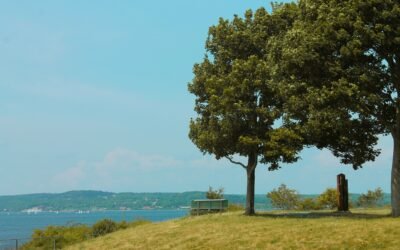
Görele, on Turkey’s Black Sea coast in Giresun province, offers green hills, traditional music, local food, and peaceful coastal scenery. But the weather changes noticeably through the year, and even summer can bring rain. Choosing the best time to visit Görele depends on whether you prefer comfortable sightseeing, swimming, local festivals, or a quieter and more affordable trip.
Quick Answer
The best time to visit Görele is generally May to June for comfortable sightseeing and outdoor activities. July and August offer the warmest weather for swimming, while September is good for quieter coastal trips but brings more rain. October can be beautiful for autumn scenery, although it is one of the wettest months.
Last checked: October 23, 2026. Key dates and figures were verified against official sources and local event reporting.
Key Takeaways
- May is comparatively mild and has the lowest average rainfall in nearby Giresun city.
- July and August are warmer, more humid, and generally busier with domestic visitors.
- Görele’s traditional Kemençe and Horan Festival brings lively music and large crowds during its summer celebrations.
- Hazelnut harvesting adds a distinctive local experience during August and into the early autumn period.
- October is attractive for autumn photography, but heavy rain can interrupt outdoor plans.
Best Time to Visit Görele: Monthly Weather Guide
Görele has a humid Black Sea climate with relatively mild coastal winters, warm summers, and rainfall throughout the year. Unlike southern Turkey’s Mediterranean resorts, this part of the coast never has a reliably dry summer.
The following figures come from the Turkish State Meteorological Service’s Giresun climate records, covering observations through 2025. They describe Giresun city, not a weather station in Görele itself. They are a useful nearby coastal reference, but mountain conditions around Görele can be considerably cooler.
| Month | Avg. High / Low | Monthly Rainfall | Typical Crowds | Best For |
|---|---|---|---|---|
| January | 10.7°C / 4.8°C | 128 mm | Low | Quiet town visits |
| February | 10.7°C / 4.5°C | 101 mm | Low | Food and local culture |
| March | 11.9°C / 5.4°C | 99 mm | Low; holiday exceptions | Early spring greenery |
| April | 15.1°C / 8.5°C | 76 mm | Low to moderate | Nature photography |
| May | 19.0°C / 12.8°C | 69 mm | Moderate; holidays busier | Sightseeing and walks |
| June | 23.6°C / 17.2°C | 77 mm | Moderate; rising late | Coastal trips and hills |
| July | 26.2°C / 19.9°C | 81 mm | High | Swimming and festivals |
| August | 26.7°C / 20.4°C | 89 mm | High | Beaches and hazelnuts |
| September | 23.7°C / 17.4°C | 130 mm | Moderate to low | Quiet coastal travel |
| October | 20.0°C / 13.8°C | 163 mm | Low | Autumn colors and culture |
| November | 16.4°C / 10.2°C | 151 mm | Low | Indoor activities |
| December | 13.0°C / 7.0°C | 127 mm | Low | Peaceful winter visits |
Weather source: Turkish State Meteorological Service, Giresun city observations through 2025. Temperatures are average daily highs and lows, not daytime temperature ranges. Crowd descriptions are general seasonal expectations, not measured monthly visitor counts.
The standout detail is rainfall. May averages about 69 mm in Giresun, while October reaches about 163 mm. That makes May more appealing for outdoor sightseeing, even though October still offers relatively mild coastal temperatures.
Görele Weather by Season: What Should You Expect?
Each season offers a different side of Görele. Spring brings fresh greenery, summer brings warmer seas and festivals, autumn offers quieter scenery, and winter is best for travelers who enjoy local life at a slower pace.
Spring (March to May): Green Landscapes and Comfortable Walks
Spring is one of the most enjoyable seasons for exploring Görele without strong summer humidity. The hills turn green, flowers appear, and temperatures become more comfortable as May approaches.
March is still cool, especially in the mornings and evenings. It suits short walks, photography, and relaxed visits to the town center. Rain remains common, and higher mountain routes may be cold.
April brings more comfortable daytime weather. Average highs in nearby Giresun reach 15.1°C (59°F). You can explore the countryside, photograph flowers, and enjoy coastal views while avoiding most summer visitors.
May is the strongest spring choice. Average highs reach 19°C (66°F), making the weather pleasant for walking, sightseeing, and scenic drives. It is also the least rainy month in the nearby official climate record, although showers can still interrupt a day outdoors.
Spring is especially good for:
- Short hikes and nature walks among green hills and forests.
- Photographing spring flowers and the Black Sea coastline.
- Visiting local markets for seasonal produce.
- Taking scenic drives between coastal towns and villages.
- Enjoying Görele’s cafés and traditional food without peak summer activity.
Early spring is generally too cool for comfortable sea swimming. If swimming is important, choose a summer visit instead.
Summer (June to August): Swimming, Festivals, and Lively Streets
Summer is the warmest and most active season in Görele. Longer days and warmer sea temperatures make beach activities more appealing, while local families and returning residents add to the atmosphere.
June combines warmer weather with somewhat lighter crowds than midsummer. Nearby Giresun averages a high of 23.6°C (74°F). It is a good month for coastal walks, exploring villages, outdoor dining, and visiting the hills.
The Black Sea may still feel cool for some swimmers early in June, so the water is not guaranteed to be comfortable.
July is warmer and more humid. Average highs reach 26.2°C (79°F), and summer holiday travel becomes more noticeable. It is better for seaside relaxation and evening outings than strenuous midday hikes.
July is also an important cultural month. Görele hosted its 16th International Kemençe and Horan Festival on July 18–19, 2026, with processions, music, and dancing. The 2026 festival coverage documents the celebrations. The dates for later editions should not be assumed to fall on the same weekend.
August is typically the warmest month, with an average high of 26.7°C (80°F). It is a good choice for swimming, beach time, and outdoor meals, although humidity and showers remain part of the Black Sea experience.
Summer activities include:
- Swimming and sunbathing at suitable, supervised beaches.
- Enjoying seaside restaurants and outdoor cafés.
- Attending traditional music and village celebrations.
- Exploring rural areas and summer highland pastures.
- Finding locally available fishing or boating opportunities, where offered.
- Seeing hazelnut harvesting activities later in the season.
Warning: The Black Sea can develop strong waves and dangerous currents even during warm weather. Swim only where permitted, follow local warnings, and avoid entering the water during rough conditions.
Autumn (September to November): Fewer Crowds but More Rain
Autumn is a good season for travelers who prefer peaceful surroundings and softer light. However, September and October are wetter than many visitors expect, so they are not automatically better for outdoor activities.
September still feels relatively warm. Average highs in Giresun reach 23.7°C (75°F), and the sea can retain much of its summer warmth. Visitor activity often decreases as the main holiday period ends.
That makes September appealing for quiet coastal walks, local restaurants, and sightseeing. The trade-off is rainfall, which averages around 130 mm in nearby Giresun.
October offers milder days, colorful vegetation, and a peaceful atmosphere. Coastal average highs remain around 20°C (68°F), but October is the wettest month in the cited Giresun climate record, averaging about 163 mm of rain.
Autumn colors are often more noticeable in the surrounding hills and deciduous forests than along the town’s waterfront. October can reward photographers who have flexible plans and suitable rain gear.
November becomes cooler and wetter. Average highs fall to around 16.4°C (62°F), and daylight hours shorten. This is better for cultural visits and enjoying the local food scene than relying on long outdoor excursions.
Good autumn activities include:
- Photographing changing leaves and misty hills.
- Walking around the quieter town center and waterfront.
- Exploring Görele’s traditional music and food culture.
- Observing hazelnut drying and processing where accessible after harvest.
- Taking shorter countryside hikes when conditions are suitable.
Winter (December to February): Mild Coast, Cold Mountains
Winter is the quietest season for leisure travel to Görele. Coastal temperatures are generally milder than in Turkey’s inland regions, but frequent rain, wind, and cool weather can limit outdoor sightseeing.
December has a nearby average daytime high of around 13°C (55°F). Rainy days and shorter daylight hours make it more suitable for town visits than long hikes.
January and February are cooler, with average highs around 10.7°C (51°F). Temperatures can occasionally fall below freezing, although heavy snowfall is less typical at the coast than in the mountains.
Higher areas around Görele may experience snow, ice, and difficult roads. Mountain visits require more preparation than a walk around town.
Winter suits travelers who enjoy:
- Quiet cafés and traditional local meals.
- Observing everyday life outside the main tourist season.
- Photography of dramatic clouds, mist, and winter scenery.
- Short cultural visits between periods of rain.
- A peaceful trip without a busy sightseeing schedule.
Some seasonal services may operate less frequently in winter. Görele remains a working town, however, so it should not be treated as a resort that closes completely outside summer.
When Is Görele Most Crowded?
July and August are generally the busiest months for leisure visitors. Görele attracts domestic travelers, families, and people returning to their hometown during summer holidays. Festivals and local celebrations can also produce much busier individual days.
Peak Season: July and August
Summer brings the strongest demand for accommodation and seaside activities. Expect livelier restaurants, cafés, town squares, and popular coastal spots, particularly on weekends and around festivals.
The annual Kemençe and Horan Festival is an especially important cultural event. Celebrations can draw substantial crowds to central Görele, so staying close to the festivities may be attractive if you enjoy music but less suitable if you want quiet evenings.
Late August also overlaps with the hazelnut harvest. Seasonal agricultural work and returning families can make rural villages busier, even where conventional tourism remains limited.
Shoulder Season: May, June, September, and October
These months generally offer more relaxed sightseeing conditions than midsummer. May and June are especially useful for travelers who want pleasant weather without the strongest summer crowds.
September often becomes quieter after the main holiday period. October is more peaceful still, but the increased rain means fewer reliable outdoor days.
Public holidays can change this pattern. Two important dates for planning a 2027 visit are:
- May 16–19, 2027: Kurban Bayramı, according to the Diyanet 2027 religious calendar. Holiday travel may increase accommodation demand even though May is usually a shoulder-season month.
- June 25, 2027: The scheduled end of Turkey’s 2026–2027 school year, according to the Ministry of Education school calendar. Family holiday travel may increase afterward.
Off-Season: November to April
From late autumn through early spring, Görele generally has fewer leisure visitors. It is a good time to enjoy the town without the summer holiday atmosphere.
March and April may become more appealing as the weather improves, but they are still quieter overall than July and August. Religious holidays, school breaks, and local events can create exceptions.
For crowd avoidance, an ordinary weekday outside a holiday period is often a better choice than a festival weekend.
How Much Does It Cost to Visit Görele?
Görele is generally viewed as a more modest travel destination than Turkey’s major resort centers. However, your total cost depends on accommodation availability, transportation, travel dates, and how many activities you arrange.
There is no reliable, fixed town-wide seasonal hotel price that applies to every visitor. It is more useful to compare actual stays for the dates you want than to assume a particular month guarantees the cheapest trip.
Summer: Higher Demand and Less Flexibility
July and August may bring stronger accommodation demand, especially around festivals and family holidays. Hotels and guesthouses can have fewer available rooms during popular periods.
If you want a specific property or are traveling with a family, advance booking is sensible. Popular travel dates can affect flight fares and rental vehicle availability as well.
Local food costs may be steadier than accommodation prices, although restaurant and activity charges differ between businesses.
Spring and Early Autumn: Better Opportunities for Value
May, early June, and September may offer a better balance between comfort, availability, and price. These periods can be especially attractive if you want a longer stay or a flexible sightseeing itinerary.
October may offer quieter accommodation options, but rainy conditions can reduce the value of a trip built mainly around outdoor activities.
Winter: Lower Demand, but Fewer Seasonal Options
Winter may provide opportunities for discounted accommodation, depending on the property. The trade-off is that some recreational services and seasonal businesses may be unavailable.
Flights, intercity buses, local restaurants, and accommodation do not necessarily follow the same seasonal pricing pattern. Comparing the entire trip cost is more useful than judging the budget by room rates alone.
Walking around the town, enjoying coastal views, and photographing public landscapes can keep sightseeing costs low. Guided tours, transport, meals, and any paid attractions add to the budget.
What Are the Best Seasonal Activities in Görele?
Görele offers more than coastal scenery. Its strongest local attractions include the traditional kemençe music culture, nearby highlands, hazelnut-growing countryside, and distinctive regional food.
These experiences are spread across different seasons, so the best travel month depends on what you want to see.
Visit Sis Dağı for Mountain Scenery
Late spring through summer is generally the most practical period for exploring the highlands around Görele. The mountains provide cooler air, green pastures, and wide views across the Black Sea region.
One of the area’s best-known highland destinations is Sis Dağı. The Sis Dağı Tourism Center is associated with the Giresun and Trabzon highlands. The official tourism description identifies Alimeydan, the highest summit, at 2,182 meters.
The destination is known for traditional upland settlements and seasonal gatherings, including Sis Dağı celebrations that bring together people from nearby villages.
Access involves mountain roads, so allow sufficient travel time. Summer generally provides a better chance of usable conditions than winter, when snow or ice may complicate travel.
Enjoy Görele’s Kemençe Music and Traditional Culture
Görele has a strong connection to the kemençe, a small bowed string instrument associated with Black Sea folk music. Local performances often feature horan, a traditional group dance.
Summer festivals offer the liveliest way to experience this culture. But you can also learn about its history outside festival season.
The Görele Belediyesi Kemençe Museum displays instruments and material connected with local performers and craftspeople.
Turkey’s Ministry of Education visitor listing gives regular hours of Tuesday through Friday, 9:00 a.m. to 5:00 p.m., with Monday and weekends closed. These listed hours may change during holidays or special circumstances.
This makes the museum a particularly useful cultural option on rainy spring, autumn, or winter days.
See the Hazelnut Harvest in August
Hazelnuts are central to Giresun’s countryside and agricultural life. Late summer offers opportunities to observe the harvest and understand how local families collect, dry, and prepare the crop.
The official 2026 hazelnut harvest announcement established different starting dates by elevation in Giresun:
- August 8, 2026: Coastal areas from 0 to 250 meters.
- August 15, 2026: Middle elevations from 251 to 500 meters.
- August 22, 2026: Higher areas above 500 meters.
These were the authorized harvest start dates for 2026, not permanent annual dates. Actual activity at individual farms also depends on weather, crop development, and local work schedules.
If you are exploring rural villages during the harvest, respect private farmland and seek permission before entering orchards or photographing workers at close range.
Try Traditional Görele Food
Local food is worth exploring throughout the year. Görele and the wider Giresun region offer regional dishes, fish, hazelnuts, and specialties associated with Black Sea cooking.
One distinctive treat is Görele dondurması, the area’s traditional ice cream. The Turkish Ministry of Culture’s Görele ice cream profile describes its use of milk, salep, sugar, and licorice root, along with its traditional preparation.
Görele-style pide and locally prepared hazelnut products are also worth looking for. Summer can be a pleasant time to enjoy food outdoors, while cooler months are ideal for relaxed meals inside local restaurants.
Traditional food is an enjoyable part of the trip even if rain prevents a planned hike or coastal outing.
Spend Time at the Coast
July and August are generally the strongest months for beach activities. June can also work on warmer days, while September may still provide pleasant swimming opportunities before autumn conditions become more unsettled.
Do not assume every stretch of Görele’s shoreline is a managed swimming beach. For named facilities in the wider province, the Giresun provincial tourism beach list includes Kaynarca Beach, Tirebolu Municipal Beach, and Yılgın Beach in neighboring Tirebolu.
For a coastal outing, combining a beach stop with a walk, photography, and a seafood meal can make the day worthwhile even if swimming conditions are unsuitable.
How Do You Reach Görele?
Görele lies along Turkey’s eastern Black Sea coast, between Tirebolu and Eynesil. You can reach the town by road, including intercity bus services and private vehicles.
For travelers arriving by air, Ordu–Giresun Airport and Trabzon Airport are possible alternatives. Görele itself does not have a commercial airport.
Ordu–Giresun Airport is west of Giresun city. According to the airport operator’s official airport information, it is approximately 28 km from Giresun city and offers ground transport options including shuttle services, taxis, and rental cars.
That figure is the airport-to-Giresun city distance, not the distance to Görele. Reaching Görele requires additional onward road travel.
When choosing an airport, consider flight availability and the complete ground journey rather than the airfare alone.
Which Month Should You Choose for Your Görele Trip?
The most suitable month depends on your main reason for visiting. There is no single perfect period for every traveler because the warmest months, driest conditions, and quietest dates do not occur together.
For the Best Overall Experience: May to June
Choose May or June if you want to explore Görele’s surroundings in comfortable weather. May offers mild temperatures and comparatively lower rainfall, while June brings warmer conditions and longer days.
This period is especially suitable for first-time visitors who want a mixture of nature, food, town exploration, and countryside outings.
For the Best Beach Weather: July to August
Choose July or August if swimming and warm-weather relaxation are your main priorities. These are the warmest months, and the sea is generally more inviting than in spring.
Expect more humidity, greater domestic visitor activity, and possible rain even on otherwise warm days.
For Festivals and Local Traditions: July to August
July is particularly attractive for traditional music events, especially the Kemençe and Horan Festival. August is valuable for visitors interested in rural culture and the hazelnut harvest.
These activities can make summer feel more culturally rewarding than a simple beach holiday, although individual festival schedules vary by year.
For Fewer Crowds and Better Value: May or September
May and September are good choices for travelers who prefer a more relaxed atmosphere. Both sit outside the busiest part of the summer season.
May has the better rainfall profile, while September provides warmer sea conditions. Choose based on whether walking or swimming matters more to you.
For Autumn Colors and Photography: October
October is a good choice for photographing misty hills, changing leaves, and quieter countryside scenes. Its relatively mild coastal temperatures can make short outings pleasant.
However, it is a poor choice if your trip requires several uninterrupted days of hiking or dry sightseeing. Build flexibility into the itinerary.
For a Peaceful Winter Escape: December to February
Winter can suit visitors who want quiet streets, traditional food, and a slower pace. You may also enjoy dramatic coastal weather and views of snow in the higher mountains.
For most first-time leisure travelers, though, winter is less convenient than late spring or summer because of frequent rain and reduced opportunities for outdoor recreation.
If you are still deciding, start with May or June for a balanced trip. Choose July or August for swimming and festivals, or September for warmer coastal weather with fewer summer visitors. Bring a light waterproof layer regardless of the season, because rain is part of the Black Sea experience throughout the year.
Frequently Asked Questions
What is the best time to visit Görele for pleasant weather?
May and June are generally the best months for pleasant sightseeing weather in Görele. May is milder and comparatively less rainy, while June offers warmer days. Both are suitable for coastal walks, countryside exploration, and outdoor meals without the strongest midsummer humidity.
When should I visit Görele to avoid crowds?
May, September, and October are generally quieter than July and August. September can offer a particularly good balance of warm weather and a calmer atmosphere. However, national holidays and local festivals can temporarily increase visitor numbers even outside the main summer period.
What is the peak tourist season in Görele?
July and August are generally Görele’s busiest leisure travel months. Warm weather, family holidays, traditional festivals, and visits by returning residents can increase activity in the town. Popular summer weekends and major celebration dates may be especially lively.
When is the cheapest time to visit Görele?
The quieter months from November to April may offer opportunities for lower accommodation rates, although exact savings depend on the property and travel dates. May and September may provide better overall value because they combine relatively comfortable conditions with less summer demand.
What are the average temperatures in Görele throughout the year?
Görele has mild coastal winters and warm summers. Nearby Giresun city records show average daily highs of about 10.7°C in January and 26.7°C in August. These are regional coastal reference figures, not measurements from a verified Görele town station. The surrounding mountains can be much colder.
Does it rain a lot in Görele?
Yes, Görele receives rain throughout the year because of its Black Sea climate. Nearby Giresun city records show average monthly rainfall of approximately 69 mm in May and 163 mm in October. Autumn is especially wet, so waterproof clothing is useful even during relatively mild weather.
Does it snow in Görele during winter?
Snow is possible in Görele during winter, but the coast is usually milder than the surrounding mountains. Higher elevations can receive much more snow and experience icy roads. Coastal visitors should prepare mainly for cool, wet conditions rather than assume continuous snow cover.
Sources
- Turkish State Meteorological Service: Giresun monthly temperature and rainfall observations used for the climate comparison.
- Giresun Dergisi: Coverage and dates of the 2026 International Kemençe and Horan Festival.
- Giresun Provincial Directorate of Culture and Tourism: Sis Dağı Tourism Center, mountain features, and traditional celebrations.
- Western Mediterranean Exporters’ Association: Officially communicated 2026 Giresun hazelnut harvest dates.
- Turkish Ministry of National Education: Official 2026–2027 school calendar.
- Presidency of Religious Affairs: Official 2027 religious holiday dates.
- Ministry of Education Outdoor Learning Portal: Görele Kemençe Museum description and listed visiting hours.
- Turkish Ministry of Culture and Tourism: Traditional Görele ice cream ingredients and heritage.
- Giresun Provincial Tourism Beach Directory: Listed beach facilities in the wider province.
- State Airports Authority: Ordu–Giresun Airport location and transport facilities.