So, you’re thinking about heading to Gros Morne National Park in Newfoundland and Labrador? Smart move! It’s a truly spectacular place, unlike anywhere else. The big question on a lot of minds is: when’s the best time to go? Honestly, there’s no single “perfect” answer because Gros Morne is stunning in different ways throughout the year. But, if you want to nail down the sweet spot that balances decent weather, manageable crowds, and a reasonable price tag, we can definitely figure that out. Let’s break it down by what matters most to travelers.
Summer, generally from June through August, is what most people picture when they think of visiting Gros Morne. It’s when the park is fully accessible, the days are long, and the temperatures are generally at their most comfortable. If you envision hiking in a t-shirt and enjoying boat tours with warm sunshine, this is your window.
Peak Season Perks: Long Days and Full Access
The longest days of daylight are in the summer, meaning you have more time to explore. Everything is open: visitor centres, tour operators, most accommodation, and restaurants. This is also the window for most of the signature Gros Morne experiences like the Western Brook Pond boat tour and the ferry services on Trout River Pond. You won’t have to deal with road closures or limited service availability that can happen in the shoulder seasons.
Summer Weather: Generally Mild, But Be Prepared
Newfoundland summers can be glorious, but they aren’t always scorching hot. You can expect average daily temperatures to hover around the mid-to-high teens Celsius (60s Fahrenheit). However, it’s crucial to understand that weather on the west coast of Newfoundland is notoriously changeable. You could have a week of sunshine and then a few days of cool, damp, and windy weather. Pack in layers – a waterproof and windproof outer shell is non-negotiable. Fog can also roll in quickly, especially along the coast, which can be atmospheric but also can obscure some of the grand vistas.
Summer Crowds: The Trade-Off for Comfort
As you might guess, the pleasant weather and full accessibility of summer draw the largest crowds. This is especially true in July and August. Popular hiking trails, boat tours, and viewpoints can get busy. If you’re someone who prefers solitude on the trails or needs to book tours, you’ll want to plan ahead. Last-minute bookings for popular attractions can be challenging.
Summer Costs: The Premium Season
Because it’s the peak season, accommodation and some tour prices will be at their highest in July and August. If you’re on a tight budget, this is likely the most expensive time to visit. Booking your lodging well in advance is highly recommended, as the best and most affordable options disappear quickly.
For those planning a trip to Gros Morne National Park, understanding the best time to visit is crucial for maximizing your experience. In addition to considering weather conditions, crowd levels, and costs, you might find it helpful to explore related insights from our team. Check out our article on the best travel tips and local insights by visiting Meet Our Team, where you can learn more about making the most of your adventure in Newfoundland and Labrador.
Shoulder Seasons: The Sweet Spot for Budget and Solitude
The shoulder seasons – specifically late spring (May-early June) and early fall (September-early October) – often represent a fantastic balance for many visitors. You can still experience a lot of what Gros Morne has to offer with fewer people and potentially lower costs, though you’ll need to be a bit more flexible with weather and accessibility.
Late Spring: A Budding Landscape and Fewer Feet
Visiting Gros Morne in May and early June can be a treat if you appreciate a quieter experience and enjoy seeing nature awaken. The landscape is just starting to green up, wildflowers begin to appear, and the sense of anticipation for the busy summer season is palpable. It’s a great time for photography as the light is often softer, and the lack of dense foliage can sometimes make for clearer views.
Late Spring Weather: Unpredictable but Revitalizing
The weather in late spring is highly variable. You can get surprisingly warm, sunny days, but you’re also very likely to encounter cool temperatures, rain, and even lingering snow at higher elevations, especially in May. The sea can still be chilly, and coastal winds are common. It’s essential to be prepared for all conditions.
Late Spring Crowds: Blissfully Sparse
This is one of the biggest draws of visiting in late spring. Crowds are significantly smaller than in summer. You can often have popular trails and viewpoints almost to yourself, offering a more intimate connection with the park’s natural beauty.
Late Spring Accessibility and Services: Limited by Region
While many of the main attractions are gearing up for summer, not everything is fully operational in early May. Some services might be limited, and certain hiking trails, particularly those at higher altitudes or more remote locations, might still have snow or be undergoing maintenance. It’s crucial to check Parks Canada advisories and specific tour operator schedules before you go. For example, the Western Brook Pond boat tour typically doesn’t start its full season until late May or early June.
Late Spring Costs: Generally More Affordable
Accommodation and some tour prices will often be lower than in the peak summer months. You can often find better deals if you book a bit in advance, but you’ll have more flexibility than in July and August.
Early Fall: A Fiery Tapestry and Crisp Air
September and early October are arguably the most popular of the shoulder seasons. The landscapes transform with stunning autumn colours, the air is crisp and invigorating, and there’s a sense of calm after the summer rush.
Early Fall Weather: Crisp and Colourful
September usually brings some of the most pleasant weather of the year in Gros Morne, with cooler temperatures, beautiful clear days, and the start of the fall foliage. October can see a sharp drop in temperature and an increase in rain and wind, with the colours often peaking earlier in the month. Like summer, be prepared for anything – a sunny day can quickly turn into a foggy, rainy one.
Early Fall Crowds: Manageable and Respectful
The summer crowds have largely dispersed by September, making for a much more relaxed experience. You’ll still encounter other visitors, especially on weekends, but you won’t feel overwhelmed. It’s a great time for those who like a bit of company but value their personal space.
Early Fall Accessibility and Services: Winding Down
Most of the main attractions and services are still operational in September. However, as you move into October, some operators start to reduce their schedules or close for the season. It’s essential to verify operating dates for specific tours and facilities. Parks Canada visitor centres usually remain open through the main part of October.
Early Fall Costs: A Good Value Proposition
Prices for accommodation and tours tend to be more reasonable than in the summer peak. You can often find good deals, especially if you book in advance. It offers excellent value for money, allowing you to enjoy more of the park for less.
Winter: The Quiet Season for the Hardy Explorer

Gros Morne in winter is a completely different beast. It’s a stark, beautiful, and extremely quiet time. This is not the season for casual sightseeing or easy hiking. It’s for the dedicated enthusiast who embraces the cold and snowy conditions.
Winter Weather: Cold, Snow, and Wind
Expect very cold temperatures, with significant snowfall, especially inland. Coastal areas might experience more rain and wind, creating a raw, dramatic atmosphere. Days are short, and the sun can be low, casting long shadows. Wind chills can make it feel much colder than the actual temperature.
Winter Crowds: Virtually Non-existent
If you are seeking absolute solitude, winter delivers. You will likely encounter very few other visitors. This is a time for reflection and immersing yourself in the raw power of nature without distraction.
Winter Accessibility and Services: Highly Restricted
Many roads in the park are closed or become snowmobile trails. The Western Brook Pond boat tour is not operating. Visitor centres have limited hours or are closed. Accommodation options are significantly reduced, with many businesses closing for the season. This is a time for self-sufficiency.
Winter Costs: Potentially Lower, but Choices are Limited
While accommodation that is open might offer lower rates, your choices are extremely limited. The overall cost might not be significantly cheaper due to the limited availability and the potential need for specialized gear and transportation, such as a reliable 4WD vehicle.
Key Considerations for Choosing Your Date

Beyond the general seasonal trends, there are a few specific things to keep in mind that might sway your decision about when to visit Gros Morne.
For Hikers: Trail Conditions and Seasonality
If your primary goal is to hit the trails, consider this:
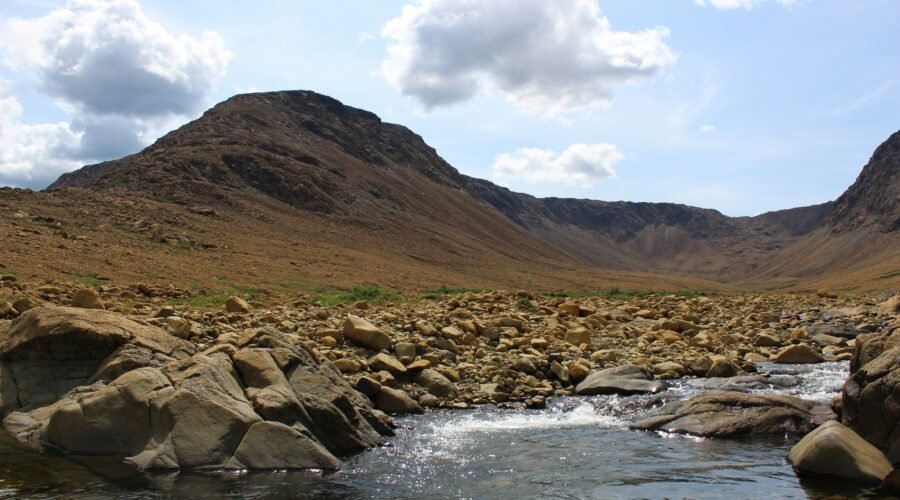
- Summer: All trails are generally open and accessible. The Gros Morne Mountain trail (the only one requiring significant navigation skills and a good level of fitness) is usually snow-free by late June. The Tablelands offer unique geological features that are accessible year-round, but the best experience of exploring them without extreme cold is summer and early fall. Coastal trails are beautiful in any season, but can be windy and wet.
- Late Spring: Lower elevation trails might be clear, but higher trails can still have snow and muddy conditions. Be prepared for slick surfaces and potential stream crossings that are higher than usual.
- Early Fall: Excellent hiking conditions with crisp air and hopefully vibrant foliage. Trails are generally clear of snow, but rain is always a possibility, making them muddy and slick.
- Winter: Hiking is primarily done on snowshoes or skis. Trails are not groomed except for designated snowmobile routes. Only experienced winter hikers should consider venturing out.
For Wildlife Enthusiasts: Animal Sightings
Gros Morne is home to a variety of wildlife, and their activity varies throughout the year:
- Spring: Migratory birds return, and you might see seals along the coast. Moose can be more visible as they move to find fresh vegetation.
- Summer: Caribou are present, though they can be a bit more spread out. You might spot whales offshore during boat tours. Birdlife is abundant.
- Fall: Moose rutting season (late September/early October) can mean more observable moose activity. The autumn colours can also make them easier to spot against the landscape. Seals are still around.
- Winter: While many animals hibernate or migrate, you can still see caribou and potentially ptarmigan. The stark landscape can make spotting animals easier, but they are less active.
For Photographers: Light and Landscape
Each season offers unique photographic opportunities:
- Summer: Long daylight hours allow for extended shooting. The green, lush landscapes are vibrant. Fog can add dramatic, moody shots, especially along the coast.
- Fall: The absolute star of the show for many photographers. The fiery reds, oranges, and yellows of the deciduous trees, especially along the coast and in river valleys, are breathtaking. The softer autumn light is also a great advantage.
- Winter: A stark, monochromatic beauty. Snow-covered landscapes, dramatic ice formations along the coast, and clear, crisp winter light can produce stunning, minimalist images.
- Spring: The emergence of new life, the soft greens, and the emerging wildflowers provide a delicate palette for photographers.
If you’re planning a trip to Gros Morne, Newfoundland and Labrador, it’s essential to consider not only the best time to visit but also the various factors that can enhance your experience. For more insights on travel planning, you might find this article on travel tips particularly useful, as it covers important aspects such as weather patterns, crowd levels, and cost considerations that can help you make the most of your adventure in this stunning national park.
Making Your Final Decision: What’s Your Priority?
| Month | Weather | Crowds | Costs |
|---|---|---|---|
| June | Mild temperatures, low chance of rain | Low to moderate | Moderate |
| July | Warm temperatures, low chance of rain | Moderate to high | High |
| August | Warm temperatures, low chance of rain | High | High |
| September | Cooler temperatures, increasing chance of rain | Moderate | Moderate |
Ultimately, the “best” time to visit Gros Morne depends on what you’re looking for in your trip:
- If you prioritize warm weather, full access to all attractions, and don’t mind crowds and higher prices: Head there in July or August. This is the classic Gros Morne experience.
- If you want a great balance of good weather, fewer crowds, beautiful scenery, and reasonable prices, and are willing to be a bit flexible: September is your best bet. The autumn colours are a major bonus.
- If you’re on a tighter budget, don’t mind cooler, unpredictable weather, and want to avoid crowds: Consider late May or early June. You’ll need to check specific opening dates for tours and be prepared for a more rugged experience.
- If you are an experienced outdoors person, crave absolute solitude, and want to see a raw, wild Newfoundland: Winter offers a unique, challenging adventure. This is for the intrepid traveler.
No matter when you choose to go, Gros Morne will undoubtedly leave a lasting impression. Pack your sense of adventure and your rain gear, and you’re set for an unforgettable journey.
FAQs
1. What is the best time to visit Gros Morne, Newfoundland and Labrador for favorable weather?
The best time to visit Gros Morne for favorable weather is during the summer months of June to August. This is when the temperatures are milder and there is less chance of rain or snow.
2. When is the peak tourist season in Gros Morne, Newfoundland and Labrador?
The peak tourist season in Gros Morne is during the summer months of June to August. This is when the national park sees the highest number of visitors and the most crowded conditions.
3. What is the off-peak season in Gros Morne, Newfoundland and Labrador?
The off-peak season in Gros Morne is during the fall months of September to October. This is when the crowds start to thin out, the weather is still pleasant, and the fall foliage is at its peak.
4. When is the best time to visit Gros Morne, Newfoundland and Labrador to avoid high costs?
The best time to visit Gros Morne to avoid high costs is during the off-peak season of September to October. Accommodation and activity prices tend to be lower during this time compared to the peak summer months.
5. What is the weather like in Gros Morne, Newfoundland and Labrador during the winter months?
During the winter months of December to March, Gros Morne experiences cold temperatures, snow, and icy conditions. This is not an ideal time for outdoor activities, but it can be a beautiful time to visit for those interested in winter landscapes.