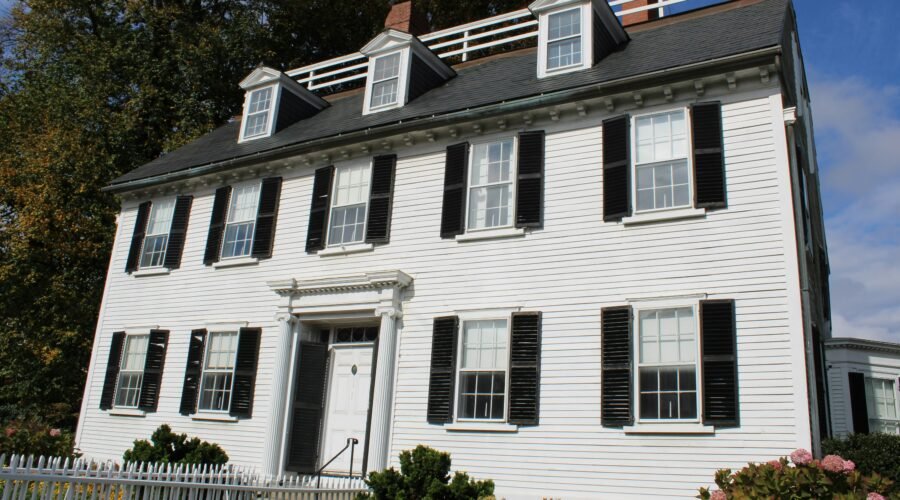
Wondering about the best time to visit Hamilton, Ontario? For most travellers, May, June, September, and October offer a lovely balance of comfortable weather and outdoor activities. But the right month depends on what you want to see. Spring brings fresh greenery and flowing waterfalls, autumn delivers colourful scenery, summer offers festivals and waterfront fun, and winter is ideal for indoor attractions and quiet city breaks.
Quick Answer
The best time to visit Hamilton, Ontario, is generally May to June or September to October. These months offer comfortable sightseeing weather, beautiful scenery, and excellent hiking opportunities. Visit in summer for festivals and beaches, or choose winter for museums and quieter city breaks. Waterfall conditions depend on recent rainfall, so check local updates before visiting.
Key Takeaways
- Best overall months: May, June, September, and October offer a good balance of weather and activities.
- Best for spring scenery: May and June bring green trails, flowers, and waterfall-viewing opportunities.
- Best for fall colours: Late September and October, although peak foliage varies each year.
- Best for festivals: July through September offers major outdoor events.
- Best for quieter city breaks: Winter weekdays outside major holiday periods may offer better availability.
- Important: Popular waterfall areas can require advance reservations, especially during autumn.
Best Time to Visit Hamilton, Ontario, at a Glance
Hamilton has something worth seeing in every season. The best choice comes down to whether you prefer hiking, colourful landscapes, summer activities, or indoor attractions.
| Travel Period | What to Expect |
| May–June | Comfortable hiking weather, spring flowers, green landscapes, and waterfall-viewing opportunities. |
| July–August | Warm weather, festivals, beaches, outdoor dining, and busier popular attractions. |
| September–October | Pleasant early-autumn weather, changing leaves, harvest events, and popular fall hikes. |
| November–April | Cool to freezing weather, indoor attractions, possible snow, and variable trail conditions. November and April are transitional months rather than the core winter season. |
For a more precise picture, Environment and Climate Change Canada’s 1991–2020 Canadian Climate Normals provide historical weather averages. Remember that these are long-term averages, not forecasts for your travel dates.
1. Spring in Hamilton: May and June
Spring in Hamilton is a breath of fresh air. After the colder months, the city turns green, flowers begin to bloom, and outdoor adventures become more appealing.
If you want to explore waterfalls and hiking trails without the strongest summer heat, May and June are excellent months to consider.
1.1 Spring Weather and Scenery
May and June offer some of the most comfortable conditions for sightseeing.
- May temperatures: The average daytime high is approximately 18.9°C (66°F).
- June temperatures: The average daytime high rises to approximately 24.2°C (76°F).
- Lush scenery: Trees, gardens, and hiking trails turn green as the growing season gets underway.
- Waterfalls: Spring snowmelt and rainfall can create impressive flows, although conditions depend on the weather.
- Humidity: Early spring is generally more comfortable for long walks than the hottest summer days.
Spring is especially appealing for visiting the Bruce Trail, Dundas Valley, and Royal Botanical Gardens.
Bring a light jacket and comfortable walking shoes. May mornings and evenings can still feel chilly, while June afternoons may be quite warm.
1.2 Crowds and Reservations in Spring
Spring weekdays can offer a quieter experience than busy summer weekends.
Popular attractions such as Dundurn Castle, the Art Gallery of Hamilton, and Hamilton’s waterfalls may be easier to explore outside holidays and major events.
However, warm weekends can still attract plenty of visitors, particularly to waterfall areas.
- Visit on weekdays: Tuesday through Thursday can be useful choices when your schedule allows.
- Start early: Morning visits may make parking and sightseeing easier.
- Check access rules: Conservation areas have their own admission, parking, and reservation requirements.
- Allow extra time: Popular waterfall parking lots can fill during good weather.
For official access information, consult the Hamilton Conservation Authority’s Spencer Gorge visitor page.
1.3 Spring Travel Costs
Spring can offer good value, but lower prices are not guaranteed.
- Accommodation: Compare weekday and weekend rates. Hotels may become more expensive during conferences, holidays, and local events.
- Flights: Search several nearby departure and arrival options rather than assuming spring airfare is cheaper.
- Attraction fees: Budget for conservation area admission, parking, gardens, and any ticketed attractions.
- Local events: Smaller community events can provide enjoyable activities without requiring an expensive itinerary.
Pro Tip: If waterfalls are your main reason for visiting, check recent rainfall and the conservation area’s current conditions. A spring visit after suitable rainfall may offer a different experience from a visit during a dry spell.
2. Autumn in Hamilton: September and October
If you appreciate colourful leaves, crisp air, and beautiful hiking scenery, early autumn is another wonderful time to visit Hamilton.
The Niagara Escarpment and Dundas Valley are especially attractive as the leaves begin changing colour.
September often retains some summer warmth, while October offers cooler days and more noticeable autumn scenery.
2.1 Autumn Weather and Fall Colours
Autumn brings comfortable temperatures and some of the region’s most attractive landscapes.
- September: The average daytime high is approximately 21.7°C (71°F).
- October: The average daytime high is approximately 14.5°C (58°F).
- Fall foliage: Trees across the escarpment and surrounding parks turn shades of yellow, orange, and red.
- Hiking conditions: Cooler weather can make longer walks more comfortable.
- Variable weather: Rain, wind, and chilly mornings are possible, especially later in October.
Peak fall colour does not arrive on the same date every year. Temperature, rainfall, and local conditions influence when the leaves change.
If autumn photography is your priority, keep your dates flexible when possible.
2.2 Autumn Crowds and Waterfall Reservations
Although summer holidays have ended, do not assume Hamilton’s popular natural attractions will be empty.
Fall colours draw visitors to Dundas Peak, Tew Falls, Webster Falls, and nearby conservation areas.
Sunny October weekends can be particularly popular.
Important for fall 2026: Spencer Gorge reservations are required from September 26 through November 8, 2026. Reservations must be made online in advance. Individual visits are offered in two-hour blocks, while a combined visit is available as a four-hour experience. Check the official Spencer Gorge reservation page for booking availability, fees, and current requirements.
Another detail worth knowing: Tew Falls and Dundas Peak form one hiking experience, while Webster Falls has a separate access area.
There is no open trail connection between Tew Falls and Webster Falls. If you want to visit both, choose the appropriate combined booking when reservations are required and follow the official parking instructions.
For a quieter autumn experience, consider weekdays or less crowded trails outside the busiest viewing areas.
2.3 Autumn Travel Costs and Activities
Autumn can provide a good balance of outdoor activities and accommodation options, but prices depend on demand.
- Accommodation: Compare rates before and after major festival weekends.
- Waterfall visits: Include conservation area admission, parking, and applicable reservation fees in your budget.
- Harvest activities: Nearby farms, markets, and pumpkin patches offer seasonal experiences.
- Local food: Farmers’ markets provide opportunities to sample seasonal Ontario produce.
Tourism Hamilton’s autumn visitor guide is a useful resource for planning fall activities.
3. Summer in Hamilton: July and August
Visiting Hamilton in July and August means enjoying warm weather, a lively atmosphere, and plenty of outdoor activities.
Summer is particularly appealing for families, festival visitors, and travellers who enjoy waterfront recreation.
The main trade-offs are heat, humidity, and busy attractions during popular weekends.
3.1 Summer Weather and Outdoor Activities
Hamilton’s average daytime highs are approximately 26.6°C (80°F) in July and 25.6°C (78°F) in August.
Actual temperatures can rise above 30°C (86°F), and humidity can make hot days feel warmer.
- Hiking: Choose early mornings or cooler afternoons for longer walks.
- Waterfront activities: Bayfront Park and Lake Ontario provide opportunities for summer outings.
- Swimming: Designated swimming areas, including Christie Lake Conservation Area when open, are options during suitable conditions.
- Outdoor dining: Patios and neighbourhood restaurants are especially appealing in warm weather.
Always follow posted beach conditions and swim only where swimming is permitted.
Carry drinking water, use sun protection, and reduce strenuous outdoor activity during extreme heat.
3.2 Summer Crowds and Festivals
Summer is a busy period for Hamilton’s outdoor attractions, particularly on weekends and during school holidays.
Popular waterfalls, gardens, waterfront areas, and festival venues can attract substantial crowds.
Hamilton also offers an active summer events calendar.
Festival of Friends, held at Gage Park, is a major music and arts event. Another important cultural event is Supercrawl, which takes place in September rather than the middle of summer.
For event schedules and current information, check the official City of Hamilton festivals and events listings.
3.3 Summer Accommodation and Travel Costs
Summer travel can become more expensive when demand increases, especially around long weekends and large events.
- Hotels: Book early if you need a specific location or room type.
- Event tickets: Some festivals are free, while individual concerts and special experiences may require admission.
- Transportation: Compare car rental costs with public transit when planning your itinerary.
- Parking: Include parking charges at conservation areas and popular attractions.
For a summer trip that combines waterfalls, restaurants, and festivals, staying in or near downtown Hamilton may simplify part of your travel.
4. Hamilton’s Colder Months: November to April
Hamilton offers a different experience during the colder half of the year.
November and April are transitional months, while December through February represents the core winter period. March can still bring freezing conditions and snow.
These months suit travellers interested in museums, galleries, restaurants, winter scenery, and quieter city visits.
4.1 Winter Weather and Snow
Hamilton experiences cold winters, but conditions vary considerably across the November-to-April period.
- December: The average daytime high is approximately 1.5°C (35°F).
- January: The average daytime high is approximately -1.4°C (29°F).
- February: The average daytime high is approximately -0.9°C (30°F).
- March: Temperatures begin rising, but freezing nights and snow remain possible.
- April: The average daytime high reaches approximately 11.8°C (53°F), although conditions can change quickly.
Winter storms, freezing rain, and icy sidewalks can affect travel plans.
Snow and ice may also change the appearance of Hamilton’s waterfalls, but do not assume that frozen waterfalls or nearby trails are safe to approach.
4.2 Winter Crowds and Indoor Attractions
Winter can be a pleasant time to explore Hamilton’s indoor attractions.
Consider visiting:
- The Art Gallery of Hamilton.
- Dundurn Castle.
- The Canadian Warplane Heritage Museum.
- Downtown cafes, restaurants, and craft breweries.
- Seasonal markets, concerts, and indoor events.
These attractions offer an alternative when outdoor conditions are uncomfortable.
Check individual operating hours before visiting, particularly during major holidays or special events.
4.3 Winter Travel Costs
Travelling outside popular holiday periods may create opportunities to find accommodation deals.
However, winter is not automatically the cheapest time to travel.
Christmas, New Year’s, special events, and changes in flight demand can affect prices.
- Compare weekdays: Some accommodation providers offer different weekday and weekend rates.
- Check holiday periods: Prices and availability may change around major holidays.
- Consider transportation: Winter driving may require additional preparation.
- Choose flexible plans: Leave room to adjust outdoor activities if weather conditions deteriorate.
Warning: Winter waterfall trails can become icy and dangerous. Stay behind barriers, use designated viewing areas, and never enter restricted gorge areas. Avoid hiking near steep drops during snow, freezing rain, or poor visibility.
5. Tailoring Your Hamilton Trip to Your Interests
Weather, crowds, and costs matter, but the best time for your Hamilton visit also depends on what you want to do.
Here is how to choose a travel window based on your interests.
5.1 Waterfall Chasing
Hamilton is famous for its waterfalls, many of which are located along the Niagara Escarpment.
They are a major reason people visit the region.
- Spring: Snowmelt and rainfall can produce attractive flows and fresh green scenery.
- Summer: Waterfall flow may decrease during dry periods, although recent rain can change conditions.
- Autumn: Colourful leaves create beautiful backgrounds, particularly around Dundas Valley and Spencer Gorge.
- Winter: Snow and ice can create striking scenery, but access and trail safety require extra attention.
Tourism Hamilton explains that waterfall flow depends on rainfall and watershed levels. A specific season does not guarantee a strong cascade.
For current visitor information, use the official Hamilton Waterfalls Guide.
Waterfall Safety and Access
Many Hamilton waterfalls are located near steep slopes, rocky terrain, and environmentally sensitive areas.
Visitors should follow these precautions:
- Stay on marked trails and designated viewing platforms.
- Never climb fences or enter closed trails.
- Keep a safe distance from gorge edges and steep slopes.
- Do not attempt to reach restricted waterfall bottoms.
- Keep children and pets close.
- Wear suitable footwear and visit during daylight.
- Do not swim or wade in waterfall water.
- Check the weather and trail conditions before travelling.
The City of Hamilton’s waterfall safety guidance provides additional information about hazards and visitor responsibilities.
5.2 Cultural and Urban Exploration
If you are mainly interested in Hamilton’s museums, galleries, restaurants, and neighbourhoods, your travel dates are more flexible.
- Year-round: Cultural institutions offer activities across different seasons, subject to their individual schedules.
- Winter: Indoor sightseeing provides a comfortable alternative to cold weather.
- Summer: Outdoor patios, markets, and festivals add more activity to the city.
- Autumn: Combine city sightseeing with scenic walks and seasonal events.
Dundurn Castle, the Art Gallery of Hamilton, and the Canadian Warplane Heritage Museum are all worth considering when building an itinerary.
Allow enough time for individual attractions rather than trying to fit every stop into a single afternoon.
5.3 Hiking, Biking, and Other Outdoor Activities
Hamilton’s trail network makes it appealing to active travellers.
Conditions change with the seasons, so choose activities that match the weather and your experience.
- Spring: Comfortable walking temperatures, fresh greenery, and occasional muddy trails.
- Summer: Good opportunities for cycling and hiking, especially outside the hottest hours.
- Autumn: Colourful scenery and cooler weather make walking especially enjoyable.
- Winter: Snowshoeing and other winter activities may be possible where conditions and access rules permit.
The Bruce Trail, Dundas Valley, and Royal Botanical Gardens’ nature trails provide different outdoor experiences.
At Royal Botanical Gardens, formal garden hours and nature-trail access differ. Its official operating-hours page provides the current schedule for each area.
5.4 Festivals and Events
Hamilton hosts festivals, concerts, markets, and community events throughout the year.
Your preferred type of event can help determine when to travel.
- Summer: Outdoor music, arts festivals, waterfront events, and community celebrations.
- September: Supercrawl and other cultural activities.
- Autumn: Harvest events, agricultural fairs, and seasonal markets.
- Winter: Holiday events, indoor concerts, and exhibitions.
- Spring: Art events, outdoor activities, and seasonal community programming.
Event dates can change from year to year, so check the organizer’s schedule before booking transportation or accommodation.
5.5 Business Travel
Hamilton is an industrial and educational centre, so business visits take place throughout the year.
If you are travelling for work, the ideal time depends more on your meetings and industry schedule than on the weather.
- Year-round: Business meetings, conferences, and educational activities.
- Holiday periods: Allow for possible changes to transportation and accommodation availability.
- Major events: Check whether local festivals or conferences overlap with your visit.
- Winter travel: Build flexibility into your schedule when snow or freezing conditions are forecast.
6. Practical Tips for Planning Your Hamilton Visit
Once you have chosen your preferred season, a few practical decisions can make your trip smoother.
6.1 How Many Days Should You Spend in Hamilton?
The ideal trip length depends on how many attractions you want to visit.
- One day: Choose one main attraction or waterfall area, then spend time exploring a nearby neighbourhood.
- Two days: Combine outdoor sightseeing with museums, gardens, restaurants, or waterfront activities.
- Three days or more: Explore several areas at a relaxed pace and include additional hiking or regional attractions.
For a short visit, avoid scheduling too many waterfall stops. Parking, admission procedures, and travel between conservation areas can take longer than expected.
6.2 Getting to Hamilton
Hamilton is accessible by road and public transit from the Greater Toronto Area.
If you are flying, compare Hamilton’s John C. Munro Hamilton International Airport with Toronto-area airports based on available flights and your onward transportation needs.
Toronto Pearson International Airport has GO Transit connections serving Hamilton, including Route 40. Check the official Pearson Airport GO Transit information for current routes and departure details.
Public transit can be useful for downtown sightseeing, while a car may offer more flexibility for visiting dispersed conservation areas.
Do not assume that every waterfall has convenient transit access or unrestricted parking.
6.3 What Should You Pack?
Hamilton’s weather can change quickly, particularly in spring and autumn.
- Spring: Light jacket, rain protection, and shoes suitable for muddy trails.
- Summer: Drinking water, sun protection, breathable clothing, and comfortable walking shoes.
- Autumn: Layers, a warm jacket for cooler mornings, and suitable hiking footwear.
- Winter: Insulated clothing, gloves, warm footwear, and additional traction where appropriate and permitted.
If you plan to explore nature trails, carry enough water and check the weather before leaving.
6.4 Check Attraction Hours and Admission Before You Go
Not all Hamilton attractions operate on the same schedule.
Formal gardens, museum tours, swimming areas, conservation parking, and special events may have different seasonal hours.
For conservation areas, consult the Hamilton Conservation Authority’s admission and fee information.
This can help you budget more accurately and avoid arriving at a location with limited access.
Pro Tip: Build your itinerary around one major outdoor destination per morning or afternoon. Add museums, cafes, gardens, or neighbourhood walks as flexible activities. This gives you room to adjust if the weather changes or a parking area reaches capacity.
Ultimately, the best time to visit Hamilton comes down to what you want from your trip. Late spring and early autumn offer a wonderful balance of comfortable weather and scenic attractions. Summer brings festivals and waterfront activities, while winter offers a quieter, more indoor-focused experience. Choose your season, check current attraction conditions, and give yourself enough time to enjoy the city.
Frequently Asked Questions
1. What is the best time to visit Hamilton, Ontario, for favourable weather?
May, June, September, and October are good choices for comfortable sightseeing weather. July and August are warmer and more suitable for summer activities, but they can also be hot and humid. Your preferred season depends on whether you enjoy mild or warm weather.
2. When is the peak tourist season in Hamilton, Ontario?
Summer, especially July and August weekends, is a busy travel period. Popular natural attractions also experience strong demand during fall-colour season. Major festivals and holidays can increase crowds at particular locations.
3. What is the off-peak season in Hamilton for lower costs and fewer crowds?
Winter weekdays outside major holidays can be quieter at many attractions. Accommodation deals may also be available, but prices vary by date, event schedules, and demand. Compare actual rates rather than assuming winter will always be cheapest.
4. What is the shoulder season in Hamilton, Ontario?
Spring and autumn are generally considered shoulder travel periods. May, June, September, and October are particularly attractive for outdoor sightseeing. However, peak fall-colour weekends can be busy at popular waterfall locations.
5. What are the average temperatures in Hamilton throughout the year?
According to the 1991–2020 Canadian Climate Normals for Hamilton, average daytime highs range from approximately -1.4°C (29°F) in January to 26.6°C (80°F) in July. May averages about 18.9°C (66°F), September 21.7°C (71°F), and October 14.5°C (58°F). These figures are historical averages rather than forecasts.
6. What is the best month to see fall colours in Hamilton?
Late September through October is a useful window for planning fall-colour visits. The timing of peak foliage varies with weather and location. Dundas Valley, Dundas Peak, and the Niagara Escarpment are popular viewing areas.
7. Do I need reservations to visit Hamilton’s waterfalls?
Some locations require reservations during popular periods. For fall 2026, Spencer Gorge reservations are required from September 26 through November 8. Requirements vary by location and date, so consult Hamilton Conservation Authority before your visit.
8. Can you visit Hamilton’s waterfalls in winter?
Some designated viewing areas may be accessible in winter, depending on weather and site conditions. Trails can become icy, and seasonal closures may apply. Stay on marked paths, respect barriers, and never attempt to enter restricted gorge areas.
Sources
- Environment and Climate Change Canada — Canadian Climate Normals — Official historical temperature and climate data for Hamilton, using the 1991–2020 reference period.
- Hamilton Conservation Authority — Spencer Gorge Reservations — Official reservation periods, booking procedures, visitor access, and parking information.
- City of Hamilton — Waterfall Safety — Official guidance on marked trails, restricted areas, gorge hazards, and safe viewing.
- Royal Botanical Gardens — Operating Hours — Seasonal opening hours and visitor information for gardens and trails.
- Tourism Hamilton — Hamilton Waterfalls Guide — Waterfall information, seasonal viewing considerations, and responsible visitation.
- Hamilton Conservation Authority — Admission and Fees — Official admission and parking information for conservation areas.