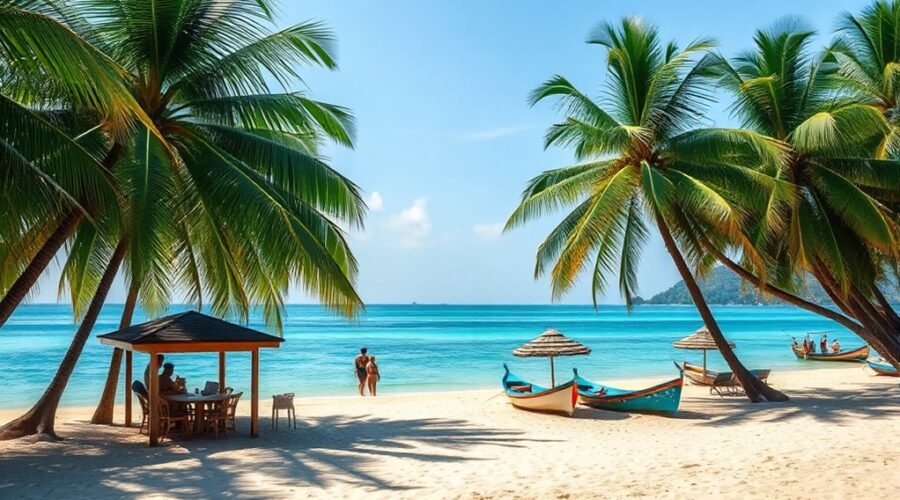
The best time to visit Indonesia is May, June, or September for a balance of dry weather, manageable crowds, and travel costs. July and August are excellent for beaches and outdoor adventures, while the rainy season offers greener landscapes and potential savings. However, Indonesia’s islands have different weather patterns, so your ideal travel dates depend on where you want to go.
Quick Answer
For most first-time visitors, May, June, and September offer the best combination of weather, prices, and crowds in Indonesia. Bali, Java, Lombok, and Komodo are generally driest from April to October. Raja Ampat is different, with its best diving conditions usually occurring from October through April.
Also compare: Tarsus, Mersin.
Last checked: November 15, 2026. Key dates and figures were verified against official sources.
Key Takeaways
- July and August bring some of the driest conditions in Bali and Java, but popular destinations are also busiest.
- November through March is generally wetter in Bali and Java. Rain often comes in heavy showers rather than lasting all day.
- Raja Ampat’s prime diving season runs from October to April, unlike the main dry season in southern Indonesia.
- In 2027, Bali’s Nyepi falls on March 8, shortly before Indonesia’s listed Eid al-Fitr holidays on March 10–11.
- May, June, and September often provide better value than July and August, but hotel and flight prices depend on specific dates.
Indonesia’s Dry Season vs. Wet Season: What the Difference Actually Means for Travelers
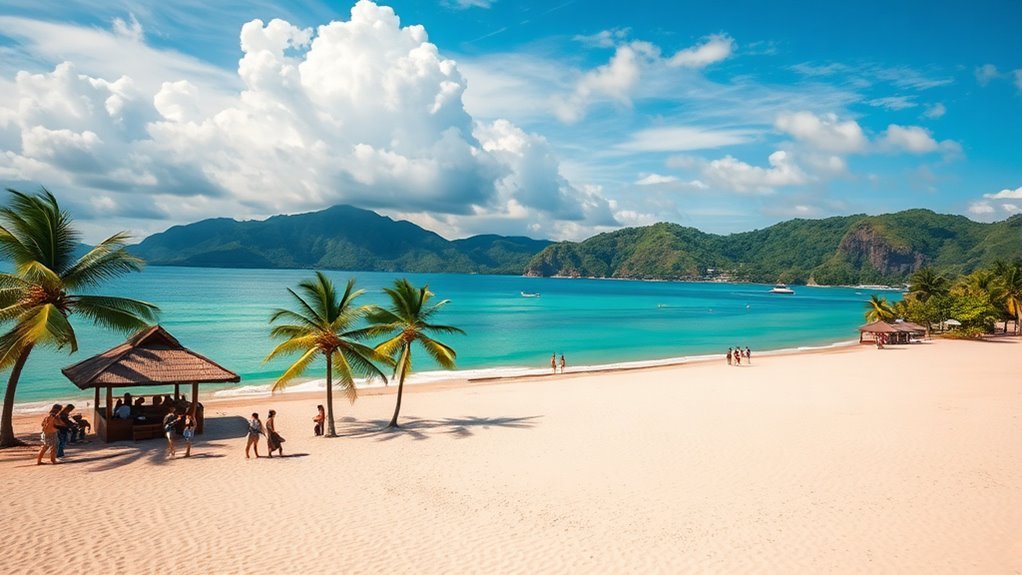
Indonesia has two main seasons: a dry season and a wet season. Across much of the country, especially Bali and Java, April through October is generally drier, while November through March receives more rain.
According to Indonesia’s official weather and climate guide, average temperatures remain fairly stable throughout the year. Coastal plains average about 28°C (82°F), inland areas about 26°C (79°F), and higher mountain regions about 23°C (73°F).
The biggest seasonal difference is rainfall, not temperature.
Dry Season: April to October
The dry season is generally best for beaches, temple visits, volcano trekking, and island-hopping. Roads and hiking trails are often easier to use, and you have a better chance of clear views.
During these months, you can plan activities such as:
- Visiting Bali’s Tegallalang rice terraces and coastal beaches.
- Exploring Borobudur and Prambanan temples in Central Java.
- Hiking Mount Bromo in East Java.
- Trekking Mount Rinjani in Lombok when official routes are open.
- Taking boat trips through Komodo National Park.
Wildlife viewing can also benefit from drier conditions in some areas. However, animal sightings depend on habitat, local rainfall, and the species you want to see.
The main downside is demand. July and August attract international travelers and domestic holidaymakers, increasing pressure on popular beaches, hotels, and tours.
Wet Season: November to March
The wet season brings higher humidity, frequent showers, and greener landscapes across Bali, Java, and many other islands. Rain does not necessarily last all day, so sightseeing remains possible.
For travelers who enjoy flexible plans, this season can offer several benefits:
- Lower hotel rates outside major holiday periods.
- Fewer visitors at many temples and cultural attractions.
- Lush rice fields, forests, and waterfalls.
- More opportunities to explore museums, markets, and local food.
However, heavy rain can cause flooding, landslides, rough seas, and transport delays. Volcano trails may close, and boat operators can cancel departures when conditions become unsafe.
Seasonal predictions also change from year to year. In its 2026–2027 rainy-season outlook, Indonesia’s Meteorology, Climatology, and Geophysics Agency (BMKG) projected that the rainy season would begin later than normal across 61.08% of the country’s land area.
BMKG also projected that much of Indonesia would experience peak rainy-season conditions between December 2026 and February 2027. These are broad seasonal forecasts, not guarantees for individual destinations.
Warning: Heavy rain can trigger flash floods and landslides, especially near rivers and steep hillsides. Never enter floodwater or continue a mountain trek during dangerous weather. Follow local closures and official weather warnings.
Which Season Should You Choose?
Choose the dry season if your trip depends on outdoor activities. Choose the wet season if you want fewer crowds, greener scenery, and more flexibility with your budget.
Neither season is automatically better for every island. Regional weather differences matter just as much as the month you travel.
The Best Time to Visit Indonesia by Region
The best time to visit Indonesia varies by region because the archipelago stretches across different climate zones. Bali and Java follow a clearer dry-season pattern, while equatorial islands and parts of eastern Indonesia experience different rainfall cycles.
Use the following regional guide to match your destination with its most suitable travel window.
Bali and Lombok: May to September
Best for: Beaches, surfing, waterfalls, rice terraces, and volcano trekking.
Bali and Lombok generally experience their most reliable dry weather between May and September. April and October are useful transition months if you want fewer visitors.
In Bali, popular activities include exploring Ubud, visiting Uluwatu Temple, and relaxing in Sanur or Nusa Dua.
Surfers often favor Bali’s west-coast breaks during the dry season, although conditions vary by beach and swell direction.
For Lombok, the dry season is especially useful for exploring the Gili Islands, beaches near Kuta Lombok, and Mount Rinjani.
January through March is generally wetter in Lombok, just as it is in Bali. Do not assume Lombok will provide consistently dry weather when Bali is rainy.
Java: May to September
Best for: Temples, volcanoes, cultural attractions, and overland travel.
May through September usually provides favorable conditions for visiting Yogyakarta, Borobudur, Prambanan, and East Java’s volcanic landscapes.
Dry weather makes early-morning sightseeing and longer road trips more comfortable.
Yogyakarta also hosts traditional celebrations such as Sekaten, which follows the Islamic calendar rather than a fixed dry-season schedule.
You can explore local markets, traditional batik workshops, and Javanese cuisine throughout the year. Indoor cultural activities remain good options during rainy months.
Sulawesi: April to October, Depending on the Area
Best for: Diving, cultural exploration, rainforest wildlife, and highland scenery.
South Sulawesi is generally more favorable for outdoor travel from May through September. This period works well for exploring the Toraja highlands and the coastal areas around Bira.
North Sulawesi, including Manado and Bunaken, has a less uniform rainfall pattern. Diving is possible throughout much of the year, but sea conditions vary.
For a diving trip, research the specific area you plan to visit rather than treating all of Sulawesi as having the same season.
Toraja’s Rambu Solo funeral ceremonies are important cultural traditions, not tourist performances. Their timing depends on local families and communities, so there is no single festival date that guarantees a ceremony.
Komodo and Flores: April to November
Best for: Komodo dragon viewing, boat trips, hiking, snorkeling, and diving.
Komodo National Park and western Flores generally have drier conditions from April through October. This makes the period attractive for exploring Padar Island, Komodo Island, and nearby beaches.
However, diving conditions depend on ocean currents, tides, and which section of the park you visit.
According to Komodo diving-season guidance, April through November generally offers favorable conditions across much of the central and northern park.
December through March is wetter, but manta ray encounters can be excellent in some southern diving areas when weather allows.
Labuan Bajo, on the western end of Flores, is the main departure point for Komodo boat tours.
Sumatra: Choose Dates by Destination
Best for: Rainforest trekking, orangutan viewing, Lake Toba, and cultural travel.
Sumatra’s weather is more complicated than Bali’s. Some equatorial areas experience two rainfall peaks each year, while other parts have their wettest months during different periods.
February through April and August through September can provide useful travel windows in certain areas, but they are not universally dry across the island.
If you’re visiting Bukit Lawang for orangutan trekking, choose dates based on local trail conditions and rainfall rather than a general Sumatra forecast.
Rainforest wildlife is never guaranteed. Ethical guided visits should keep a safe distance from animals and avoid feeding them.
Papua and Raja Ampat: October to April for Diving
Best for: Coral reefs, scuba diving, snorkeling, and marine wildlife.
Raja Ampat is one of Indonesia’s most important exceptions to the usual dry-season travel advice.
The best time for diving is generally October through April, when many dive areas experience calmer seas and favorable underwater visibility.
According to Raja Ampat diving guidance, water temperatures during this period are typically 27–30°C (81–86°F).
You can encounter manta rays, reef sharks, sea turtles, and diverse coral species, although sightings are never certain.
Most visitors reach the region through Sorong before continuing to their island accommodation or boat.
Remote trekking elsewhere in Papua requires separate planning. Highland weather, road access, and local conditions may differ substantially from Raja Ampat’s diving season.
Pro Tip: If you want to combine Bali and Raja Ampat in one trip, consider April. Bali is entering its drier period, while Raja Ampat is still within its usual prime diving season. Allow flexible days for island transfers and weather-related changes.
What to Expect Each Month in Indonesia
May, June, and September are generally the strongest all-around travel months for Bali, Java, and Lombok. However, every month offers different advantages, from cultural events and lower prices to better conditions for specific activities.
The table below combines historical climate averages for Denpasar, Bali, with typical travel conditions and important 2027 events.
Temperature and rainfall figures come from the Japan Meteorological Agency’s monthly climate normals for Denpasar/Ngurah Rai. They describe that station, not the whole country, and are historical averages rather than 2027 forecasts.
| Month | Bali Avg. Temp. | Bali Avg. Rainfall | Typical Conditions and Crowds | 2027 Events and Travel Tips |
|---|---|---|---|---|
| January | 27.9°C | 350.7 mm | Very wet in Bali; quieter after New Year | Galungan January 13; Kuningan January 23; Raja Ampat diving |
| February | 28.0°C | 289.8 mm | Wet, humid; generally lower tourist demand | Chinese New Year February 6; cultural sightseeing and Raja Ampat |
| March | 28.0°C | 231.1 mm | Rain gradually easing; holiday crowds possible | Nyepi March 8; Eid al-Fitr March 10–11 |
| April | 28.1°C | 107.4 mm | Transition toward drier weather; moderate crowds | Good for Bali sightseeing and combining islands |
| May | 27.8°C | 94.7 mm | Drier weather; usually moderate crowds | Vesak Day May 20; temples, trekking, and beaches |
| June | 27.2°C | 67.9 mm | Dry conditions; demand begins increasing | Bali Arts Festival season; 2027 event dates unconfirmed |
| July | 26.5°C | 27.6 mm | Very dry; high tourist demand | Popular for surfing, island-hopping, and volcano trips |
| August | 26.3°C | 36.4 mm | Very dry; peak-season crowds | Galungan August 11; Independence Day August 17; Kuningan August 21 |
| September | 26.8°C | 59.4 mm | Mostly dry; generally fewer visitors than August | Excellent for outdoor travel and flexible itineraries |
| October | 27.6°C | 64.4 mm | Transition month; moderate crowds | Good for Bali and the start of Raja Ampat’s prime diving season |
| November | 28.2°C | 131.2 mm | Rain increasing; often lower demand | Suitable for cultural trips and Raja Ampat diving |
| December | 28.0°C | 327.4 mm | Wet; holiday crowds rise late in the month | Christmas December 25; Christmas and New Year travel demand |
How to read the table: Bali’s rainfall typically drops sharply between April and June, stays relatively low through October, and rises again toward December.
However, conditions in Sumatra, Sulawesi, Maluku, and Papua can differ. Do not apply Bali’s monthly rainfall figures to those destinations.
January to March: Rainy Weather and Important Festivals
January and February are among the wettest months for Bali and Java. They are often better suited to flexible cultural trips than demanding outdoor itineraries.
However, Raja Ampat can be an excellent diving destination during this period.
March is especially important for travelers planning a Bali holiday in 2027.
Indonesia’s official 2027 holiday calendar lists the following important dates:
- February 6, 2027: Chinese New Year.
- March 8, 2027: Nyepi, the Balinese Day of Silence.
- March 10–11, 2027: Listed Eid al-Fitr national holidays, subject to the relevant religious confirmation process.
- March 9, 12, and 15, 2027: Additional collective leave days associated with Eid al-Fitr.
These dates can influence transport availability, business hours, and accommodation demand.
Warning: Bali observes Nyepi with major restrictions on movement and public activities. The airport normally stops flight operations for 24 hours, and visitors must remain inside their accommodation except for emergencies. Do not schedule a Bali flight on March 8, 2027.
Indonesia’s official tourism authority explains the Nyepi rules for visitors, including the restrictions on travel, noise, and outdoor activity.
April to June: Dry-Season Travel and Cultural Events
April through June is an excellent period for travelers who want favorable weather before the busiest part of the summer season.
April marks the transition toward drier weather in Bali and Java. May and June are particularly attractive for beaches, temples, and outdoor activities.
For cultural travelers, Bali’s Arts Festival is another highlight.
The 2026 Bali Arts Festival ran from June 13 to July 11 in Denpasar, with free admission listed by Indonesia’s tourism authority.
The festival features traditional performances, exhibitions, parades, and cultural presentations. Its 2027 program and dates should not be assumed to match the 2026 edition.
Vesak Day, observed on May 20 in the official 2027 calendar, is another significant cultural and religious occasion, especially around Buddhist sites such as Borobudur.
July to August: Peak Dry-Season Travel
July and August offer some of the most reliable dry weather in Bali, Lombok, and Java. They are also among the busiest months for popular international tourist destinations.
These months suit travelers who prioritize outdoor activities over low prices or quiet beaches.
Bali also has important religious celebrations in August 2027.
The Balinese ceremonial calendar follows a 210-day cycle for Galungan and Kuningan.
In 2027, Galungan falls on January 13 and August 11, while Kuningan falls on January 23 and August 21.
During these periods, you may see decorated bamboo poles called penjor, ceremonial offerings, and families visiting temples.
Many decorations are visible from public roads without an admission fee. However, religious ceremonies are primarily community events, so visitors should observe respectfully.
Indonesia’s Independence Day on August 17 also brings public celebrations and increased activity in many towns and cities.
September to December: Shoulder Season and Holiday Travel
September is one of the best choices for travelers seeking dry-season weather without the busiest July and August crowds.
October remains attractive for Bali and marks the beginning of Raja Ampat’s prime diving season.
By November, rainfall usually increases across Bali and Java. This period can suit travelers who prefer greener scenery and lower accommodation demand.
December brings wetter conditions but also renewed holiday travel activity.
Christmas and New Year demand can make some popular tourist areas busy and expensive even during the rainy season.
Peak Season Prices and How to Avoid Overpaying
Indonesia is often more expensive during July, August, and the Christmas and New Year holidays. In popular areas such as Bali and the Gili Islands, peak-season hotel rates can sometimes be much higher than during quieter months.
However, there is no universal discount that applies to every hotel or flight. The best savings come from comparing real prices for the same property, room type, and travel dates.
| Strategy | Off Peak Savings |
|---|---|
| Book April or October stays | Up to 50% cheaper hotels in some cases; not a guaranteed or typical discount |
| Choose flexible weekday flights | A 2026 U.S.-origin airfare analysis found about 14% average savings for selected weekday travel patterns compared with weekend flights |
The airfare difference is not a guaranteed saving on flights to Indonesia. Prices depend on your departure airport, airline, route, and travel dates.
A 2026 analysis of U.S.-origin airfare trends found that buying tickets on a particular weekday offered little advantage. Wednesday bookings averaged only about 1.4% less than Sunday bookings.
The same analysis found that international flight prices in its sample were lowest around 89 days before departure, with a broad low-price window of 50–133 days. These averages are not Indonesia-specific.
Instead of relying on a supposed cheapest booking day, use these practical strategies:
- Compare shoulder-season dates: May, June, and September often offer a better balance of weather and prices than July and August.
- Compare complete accommodation prices: Check the same room, dates, taxes, cancellation terms, and breakfast arrangements before deciding which rate is cheaper.
- Ask guesthouses directly: Some offer competitive direct-booking rates, especially for longer stays. Others may not beat online platforms.
- Set flight alerts early: Start comparing fares several months before an international trip, then review prices across different travel dates.
- Consider flexible travel days: Moving your departure or return can matter more than choosing a particular day to purchase the ticket.
- Avoid major holiday pressure: July, August, Eid al-Fitr, and late December can create strong demand in popular destinations.
Remember that low-season prices sometimes come with a trade-off. Cheaper accommodation may not compensate for canceled boat excursions or poor weather if those activities are the main purpose of your trip.
For example, a budget traveler visiting Bali in November may find a better accommodation deal than someone traveling in August. However, a traveler planning a demanding volcano trek might gain more value from paying extra during a drier month.
The Best Time to Visit Indonesia for Your Travel Style
The right travel month depends on what you want to do, not just the forecast. Indonesia offers beaches, wildlife, diving, food, and cultural experiences throughout the year, but the best conditions differ by activity.
Use these recommendations to choose a travel window that matches your priorities.
Best Time for Beaches and Relaxation
Choose May through September for Bali, Lombok, and the Gili Islands.
These months usually bring better opportunities for sunny beach days, outdoor dining, and coastal sightseeing.
July and August provide reliable dry weather but also attract more visitors.
If you prefer a quieter experience, May or September is often the better choice.
Best Time for Surfing and Diving
Choose your destination before choosing the month.
Bali’s west-coast surf is often attractive during the dry season, especially from May through September.
Komodo diving is generally favorable across many sites from April through November, while Raja Ampat’s preferred diving season runs from October through April.
Sea conditions can change quickly, so use qualified operators and choose dive sites appropriate for your ability.
Best Time for Trekking and Adventure
May through September is generally a strong choice for trekking in Java, Lombok, and much of southern Indonesia.
You can plan around destinations such as Mount Bromo, Mount Ijen, and Mount Rinjani.
However, dry weather does not guarantee that every trail will be open. Volcanic activity, conservation rules, and seasonal closures can affect access.
For remote trekking in Papua or rainforest adventures in Sumatra, local conditions matter more than a national seasonal calendar.
Best Time for Cultural Festivals
Indonesia celebrates cultural and religious events throughout the year. There is no single festival season that covers every region.
In Bali, Nyepi, Galungan, and Kuningan are particularly important.
For 2027, the main dates include:
- Galungan: January 13 and August 11.
- Kuningan: January 23 and August 21.
- Nyepi: March 8.
- Vesak Day: May 20.
- Indonesian Independence Day: August 17.
Other cultural experiences include Yogyakarta’s Sekaten celebrations and the traditional ceremonies of Toraja.
If you attend a ceremony, respect local dress rules, access restrictions, and photography customs. Some religious spaces and activities are not open to tourists.
Best Time for Budget Travelers
April, May, September, October, and November can provide attractive opportunities for budget travel, depending on the destination.
January and February may also offer lower accommodation demand in Bali and Java, especially outside major holidays.
However, the cheapest period is not always the best value.
Choose a time when the activities you care about are realistically available. A slightly higher hotel rate during good weather may prevent wasted tour bookings and transport expenses.
Best Time to Avoid Crowds
For Bali and other popular southern destinations, try May, September, or parts of October if you want pleasant conditions without peak summer demand.
January through March is often quieter outside major holidays, but the weather is wetter.
Remote destinations can have completely different crowd patterns. Raja Ampat, for example, attracts divers during months that are traditionally considered low season in Bali.
What to Pack for Different Seasons
Your packing list should reflect your destination and activities rather than the season alone.
- Dry season: Lightweight clothing, sunscreen, sun protection, comfortable walking shoes, and a refillable water bottle.
- Wet season: A lightweight waterproof jacket, quick-drying clothes, waterproof storage for electronics, and shoes with good grip.
- Mountain trips: Warm layers, suitable trekking shoes, and weather protection because higher elevations can be much cooler.
- Island-hopping: Dry bags, motion-sickness supplies if needed, and flexible plans in case of rough seas.
For restaurant visits and local food experiences, you can enjoy Indonesian dishes year-round. Try regional specialties such as nasi goreng, rendang, satay, and local seafood.
Choose clean food-preparation areas, drink safe water, and follow normal food-safety precautions in every season.
Frequently Asked Questions
What Travel Insurance Is Recommended for Visiting Indonesia During Monsoon Season?
Choose travel insurance that covers emergency medical treatment, qualifying weather-related travel disruptions, and trip interruption. World Nomads and Allianz offer travel insurance policies, but benefits and exclusions vary. Read the policy terms carefully because ordinary rain, known storms, and voluntary cancellations may not qualify for reimbursement. See the weather-related coverage explanation.
Do Indonesian Locals Celebrate Any Unique Festivals Worth Planning a Trip Around?
Yes. Bali’s Nyepi, Galungan, and Kuningan are among Indonesia’s most distinctive celebrations. Other important traditions include Yogyakarta’s Sekaten festivities and Toraja’s Rambu Solo funeral ceremonies. Some celebrations follow religious calendars, while others depend on local communities. Visitors should respect religious customs and any restrictions on access or photography.
Are There Any Visa Requirements That Change Depending on the Time of Year?
Indonesia’s visa requirements generally do not change between the dry and wet seasons. Eligibility depends mainly on nationality, passport type, and purpose of travel. Eligible visitors may use a visa on arrival for an initial stay of up to 30 days, with a possible extension. See the official Indonesian visa-on-arrival guidance for eligibility and conditions.
What Vaccinations or Health Precautions Should Travelers Take Before Visiting Indonesia?
Make sure routine vaccinations are current and ask a travel-health professional about hepatitis A, typhoid, and other destination-specific precautions. Malaria prevention medication may be recommended for certain regions; there is no routine malaria prevention vaccine for most travelers. Follow the CDC’s Indonesia travel-health guidance, use mosquito protection, and avoid potentially contaminated floodwater.
How Does Indonesia’s Time Zone Variety Affect Travel Planning Between Islands?
Indonesia has three time zones: Western Indonesia Time (UTC+7), Central Indonesia Time (UTC+8), and Eastern Indonesia Time (UTC+9). Java and Sumatra use UTC+7, Bali and Sulawesi use UTC+8, and Papua uses UTC+9. The official Indonesian time-zone guide explains these differences. Check local departure and arrival times when booking connecting flights.
Conclusion
For most travelers, May, June, and September are the best months to explore Indonesia. They offer a strong balance of favorable weather, outdoor opportunities, and manageable crowds across Bali, Java, and Lombok.
Choose July or August if dry-season conditions matter most, or consider the wetter months if you prefer flexible cultural travel and potential savings. If Raja Ampat is your priority, October through April is usually the better diving window.
Start with the destinations and experiences you care about most. Then choose your dates around their regional seasons, important holidays, and your travel budget.
Sources
- Indonesia Tourism Authority: Weather, Climate & Seasons: National weather patterns, seasonal differences, and average temperatures.
- BMKG: 2026–2027 Rainy-Season Outlook: Seasonal rainfall predictions and expected timing of the rainy season.
- PADI: Diving in Komodo: Regional diving seasons, visibility, marine wildlife, and diving conditions.
- PADI: Diving in Raja Ampat: Recommended diving months, water temperatures, and marine conditions.
- Japan Meteorological Agency: Denpasar Climate Normals: Historical monthly average temperatures and rainfall used in the comparison table.
- Indonesian Cabinet Secretariat: 2027 National Holidays: Official holiday dates, including Nyepi, Eid al-Fitr, Vesak, and Independence Day.
- Kalender Bali Digital: Balinese Ceremonial Calendar: Galungan and Kuningan celebrations and their traditional calendar cycle.
- Indonesia Tourism Authority: Nyepi Visitor Guide: Bali’s Day of Silence restrictions and airport closure information.
- Indonesia Tourism Authority: Bali Arts Festival 2026: Festival activities, confirmed 2026 event dates, and admission information.
- 2026 Airfare Trends Research: Historical flight-booking patterns, weekday airfare comparisons, and booking windows for U.S.-origin flights.
- Allianz Travel Insurance: Weather-Related Coverage: Travel insurance limitations and exclusions involving weather events.
- Indonesian Ministry of Foreign Affairs: Visa on Arrival: Visa eligibility, permitted stay, and extension guidance.
- CDC: Indonesia Traveler Health Information: Vaccinations, malaria prevention, food safety, and flood-related health precautions.
- Indonesia Tourism Authority: Time Differences: Indonesia’s three official time zones and their geographic coverage.